A Carrier rooftop air conditioner is a powerful, energy-efficient HVAC solution designed for commercial buildings and large homes. These units offer reliable cooling, easy maintenance, and advanced technology to keep indoor spaces comfortable year-round.
Key Takeaways
- Energy Efficiency: Carrier rooftop units use advanced compressors and smart controls to reduce energy consumption and lower utility bills.
- Space-Saving Design: Installed on the roof, these systems free up valuable indoor and ground space for other uses.
- Quiet Operation: Engineered with noise-reducing features, Carrier rooftop ACs operate quietly, minimizing disruption.
- Durability and Longevity: Built with corrosion-resistant materials, these units withstand harsh weather and last for years with proper maintenance.
- Smart Controls and Zoning: Many models support thermostats, Wi-Fi connectivity, and zoning for precise temperature control in different areas.
- Professional Installation Required: Due to size and complexity, installation should always be done by certified HVAC technicians.
- Ideal for Commercial Use: Perfect for offices, retail stores, schools, and warehouses needing consistent, large-scale cooling.
📑 Table of Contents
What Is a Carrier Rooftop Air Conditioner?
A Carrier rooftop air conditioner is a self-contained HVAC unit mounted on the roof of a building to provide cooling (and sometimes heating) to large spaces. Unlike traditional split systems that have indoor and outdoor components, rooftop units (RTUs) house all major parts—compressor, condenser, evaporator, and fan—in a single cabinet. This design makes them ideal for commercial buildings, schools, hospitals, retail stores, and large residential properties where space is limited or centralized cooling is needed.
Carrier, a leader in HVAC innovation since 1915, has been at the forefront of developing reliable, efficient rooftop systems. Their rooftop air conditioners are engineered for performance, durability, and energy savings. Whether you’re managing a 5,000-square-foot office or a 50,000-square-foot warehouse, Carrier offers a range of models to meet diverse cooling demands. These units are not just about cooling—they’re about creating comfortable, productive environments with minimal operational hassle.
How Does a Rooftop Air Conditioner Work?
A Carrier rooftop air conditioner works similarly to a standard air conditioner but on a larger scale. It pulls warm air from inside the building through ductwork, passes it over cold evaporator coils filled with refrigerant, and then blows the cooled air back into the space. The heat absorbed by the refrigerant is transferred to the outdoor air via the condenser coils and released into the atmosphere. A powerful fan on the roof helps dissipate this heat efficiently.
One key advantage of rooftop units is their centralized operation. Instead of installing multiple window units or split systems, a single rooftop unit can cool an entire floor or building. This reduces installation complexity and maintenance needs. Carrier’s rooftop models often include variable-speed fans and compressors that adjust output based on demand, improving efficiency and comfort. Some units also feature economizers that bring in cool outside air when temperatures drop, further reducing energy use.
Benefits of Choosing a Carrier Rooftop Air Conditioner
When it comes to cooling large spaces, not all HVAC systems are created equal. Carrier rooftop air conditioners stand out for their reliability, efficiency, and smart features. Whether you’re a building manager, business owner, or homeowner with a large property, here’s why a Carrier RTU might be the right choice.
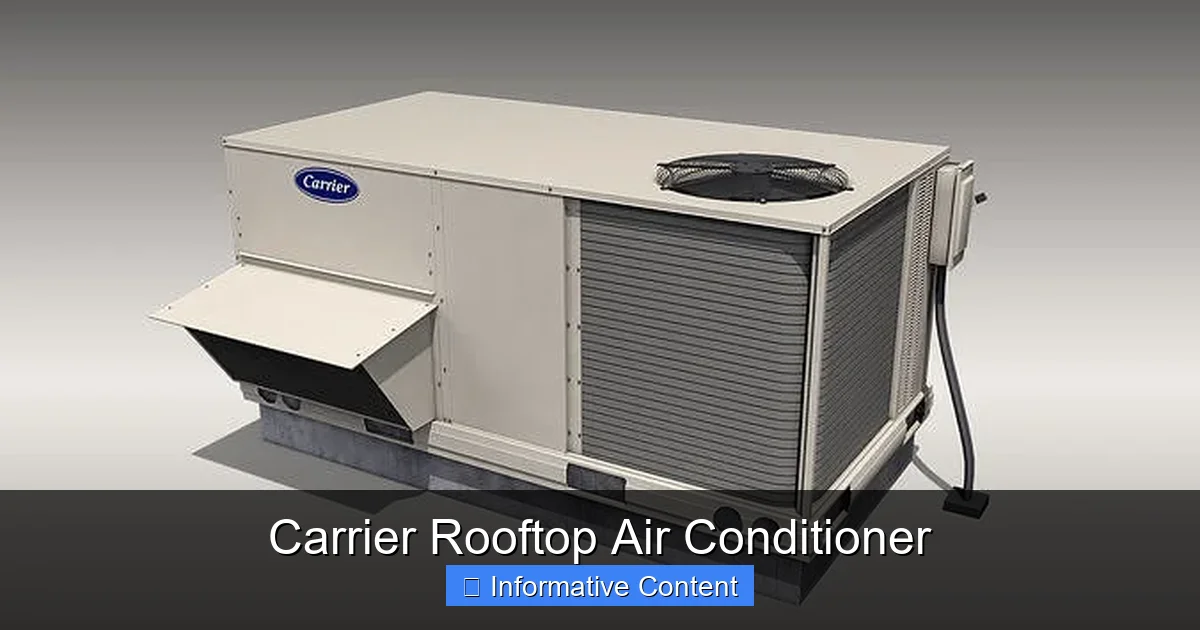
Visual guide about Carrier Rooftop Air Conditioner
Image source: img-new.cgtrader.com
Energy Efficiency and Cost Savings
Carrier rooftop air conditioners are designed with energy efficiency in mind. Many models boast high SEER (Seasonal Energy Efficiency Ratio) ratings, meaning they use less electricity to produce the same amount of cooling. For example, a Carrier 50TCQ model might have a SEER rating of 16 or higher, significantly reducing monthly utility bills compared to older, less efficient systems.
Advanced features like two-stage or variable-speed compressors allow the unit to run at lower capacities when full cooling isn’t needed. This not only saves energy but also reduces wear and tear on components, extending the system’s lifespan. Additionally, Carrier’s ComfortLink™ II controls enable precise scheduling and remote monitoring, helping you optimize performance and avoid unnecessary runtime.
Space-Saving Installation
One of the biggest advantages of a rooftop air conditioner is that it frees up valuable indoor space. Instead of placing bulky outdoor units on the ground or installing multiple window units, everything is housed on the roof. This is especially beneficial for commercial buildings where every square foot counts—retail stores, offices, and restaurants can use ground-level space for seating, storage, or customer areas.
Even for large homes, a rooftop unit eliminates the need for noisy outdoor condensers near living areas. It also reduces clutter and improves curb appeal. Installation on the roof also means better airflow and less obstruction, allowing the unit to operate more efficiently.
Quiet and Unobtrusive Operation
Nobody wants a loud HVAC system disrupting meetings, classes, or quiet evenings at home. Carrier rooftop air conditioners are engineered for quiet performance. Sound-dampening materials, insulated cabinets, and advanced fan designs help keep noise levels low—often below 70 decibels, which is comparable to a normal conversation.
Because the unit is on the roof, noise is further minimized at ground level. This makes Carrier RTUs ideal for schools, hospitals, and office buildings where a peaceful environment is essential. Even in residential applications, homeowners appreciate the peace and quiet that comes with a rooftop system.
Durability and Weather Resistance
Carrier builds its rooftop units to last. The cabinets are made from heavy-gauge, galvanized steel with a corrosion-resistant coating to withstand rain, snow, UV exposure, and temperature extremes. Many models also feature hail guards and protective grilles to shield internal components from debris.
Regular maintenance is still important, but Carrier’s design makes it easier. Access panels are strategically placed for quick servicing, and many units include diagnostic lights or alerts to notify technicians of potential issues before they become major problems. With proper care, a Carrier rooftop air conditioner can last 15 to 20 years or more.
Key Features of Carrier Rooftop Air Conditioners
Carrier doesn’t just make rooftop units—they make smart, innovative systems packed with features that enhance comfort, efficiency, and control. Here are some of the standout technologies you’ll find in their lineup.
Variable-Speed Technology
Many Carrier rooftop models come with variable-speed compressors and fans. Unlike traditional units that run at full power or turn off completely, variable-speed systems adjust their output to match the cooling demand. This means smoother temperature control, fewer hot or cold spots, and reduced energy consumption.
For example, on a mild spring day, the unit might run at 40% capacity instead of cycling on and off. This not only saves electricity but also reduces humidity more effectively, improving indoor air quality. Variable-speed technology is especially beneficial in climates with fluctuating temperatures.
Smart Controls and Connectivity
Carrier rooftop air conditioners often support advanced control systems like Carrier Infinity® or ComfortLink™ II. These systems allow you to monitor and adjust settings remotely via a smartphone app or building management system. You can set schedules, receive maintenance alerts, and even integrate with other building systems like lighting and security.
Zoning is another powerful feature. By dividing the building into zones with separate thermostats, you can cool only the areas that are in use. This prevents wasting energy on empty conference rooms or unused hallways. Smart controls also enable demand response, where the system adjusts during peak utility hours to reduce strain on the grid and lower costs.
High-Efficiency Filtration
Indoor air quality matters, especially in commercial settings. Carrier rooftop units often include high-MERV filters that capture dust, pollen, mold spores, and other airborne contaminants. Some models are compatible with advanced filtration systems like UV lights or bipolar ionization, which can neutralize bacteria and viruses.
For schools, hospitals, and offices, this means healthier environments and fewer sick days. Regular filter changes are easy with accessible filter racks, and many units include filter change reminders to keep maintenance on track.
Economizer and Fresh Air Options
Carrier rooftop air conditioners often include an economizer—a feature that uses cool outside air to reduce mechanical cooling when outdoor temperatures are low. This “free cooling” can cut energy use by up to 30% during mild weather.
Additionally, many models support fresh air intake, which is essential for meeting building codes and maintaining healthy ventilation. This is especially important in tightly sealed modern buildings where stale air can accumulate. Carrier’s systems are designed to balance energy efficiency with proper ventilation.
Installation and Maintenance Tips
Installing a Carrier rooftop air conditioner is not a DIY project. It requires careful planning, structural assessment, and professional expertise. However, understanding the process can help you make informed decisions and ensure a smooth installation.
Pre-Installation Considerations
Before installation, a qualified HVAC contractor will evaluate your building’s cooling load, roof structure, and electrical capacity. They’ll determine the right size unit—too small, and it won’t cool effectively; too large, and it will cycle frequently, wasting energy and wearing out components.
Roof access is critical. The contractor will check if the roof can support the unit’s weight (typically 500–1,500 pounds) and ensure there’s safe access for installation and future maintenance. They’ll also assess ductwork compatibility and plan for electrical connections, refrigerant lines, and drainage.
Professional Installation Process
Installation typically begins with securing a curb or platform on the roof to support the unit. The RTU is then lifted into place—often with a crane—and mounted securely. Ductwork is connected, electrical wiring is completed, and refrigerant lines are charged. Finally, the system is tested for leaks, airflow, and proper operation.
Carrier recommends using certified dealers for installation to ensure warranty coverage and optimal performance. A professional installer will also configure controls, set up zoning if needed, and provide training on system operation.
Routine Maintenance for Longevity
To keep your Carrier rooftop air conditioner running smoothly, regular maintenance is essential. This includes:
- Checking and replacing air filters every 1–3 months
- Inspecting coils for dirt or damage and cleaning as needed
- Clearing debris from the roof around the unit
- Lubricating motors and checking belts for wear
- Testing electrical connections and controls
- Verifying refrigerant levels and checking for leaks
Many building managers schedule biannual maintenance—once before summer and once before winter. Carrier also offers service plans through authorized dealers, providing peace of mind and priority support.
Ideal Applications for Carrier Rooftop Units
Carrier rooftop air conditioners are versatile and used in a wide range of settings. Their scalability and efficiency make them a top choice for both commercial and large residential applications.
Commercial Buildings
Offices, retail stores, restaurants, and warehouses benefit greatly from rooftop units. These spaces often have open floor plans and high occupancy, requiring consistent, powerful cooling. A single Carrier RTU can serve an entire building, simplifying management and reducing operational costs.
For example, a 10,000-square-foot office building might use a 10-ton Carrier rooftop unit with zoning to cool different departments independently. This ensures comfort while avoiding overcooling unused areas.
Educational and Healthcare Facilities
Schools, colleges, and hospitals need reliable, quiet, and clean air systems. Carrier rooftop units meet these demands with high-efficiency filtration, quiet operation, and compliance with health and safety standards. In hospitals, precise temperature and humidity control are critical for patient comfort and infection control.
Large Residential Properties
While less common, rooftop units are also used in large homes, especially in warmer climates or where ground space is limited. A multi-story home with extensive ductwork might use a rooftop unit to centralize cooling and reduce noise indoors. These systems can be paired with furnaces or heat pumps for year-round comfort.
Conclusion
A Carrier rooftop air conditioner is a smart investment for anyone needing efficient, reliable cooling for large spaces. With advanced technology, energy-saving features, and durable construction, these units deliver comfort and cost savings year after year. Whether you’re managing a commercial building or cooling a spacious home, Carrier’s rooftop systems offer a proven solution backed by over a century of innovation.
From quiet operation and space-saving design to smart controls and easy maintenance, the benefits are clear. While professional installation and regular upkeep are essential, the long-term payoff in performance and efficiency makes Carrier rooftop air conditioners a top choice in the HVAC industry. When comfort, reliability, and energy efficiency matter, Carrier delivers.
Frequently Asked Questions
How much does a Carrier rooftop air conditioner cost?
The cost of a Carrier rooftop air conditioner varies based on size, features, and installation complexity. Prices typically range from $5,000 to $20,000 or more, including installation. Commercial units with advanced controls or higher capacities will be on the higher end.
Can a rooftop air conditioner heat as well as cool?
Some Carrier rooftop units are heat pumps, meaning they can both cool and heat. Others are cooling-only and may require a separate heating system. Check the model specifications to see if it includes heating capability.
How long does a Carrier rooftop unit last?
With proper maintenance, a Carrier rooftop air conditioner can last 15 to 20 years. Regular servicing, clean filters, and timely repairs help extend its lifespan and maintain efficiency.
Do rooftop units require a lot of maintenance?
While rooftop units are durable, they do require regular maintenance. Tasks include filter changes, coil cleaning, and electrical inspections. Many building managers use service contracts to ensure consistent care.
Can I install a rooftop air conditioner myself?
No, rooftop air conditioners should only be installed by licensed HVAC professionals. Installation involves structural, electrical, and refrigerant work that requires expertise and compliance with local codes.
Are Carrier rooftop units energy efficient?
Yes, Carrier rooftop air conditioners are designed for high energy efficiency. Many models have high SEER ratings and features like variable-speed compressors and economizers that reduce energy use and lower utility bills.