When your Carrier air conditioner stops working, finding the right repair parts is key to restoring comfort and efficiency. This guide covers everything you need to know about sourcing, identifying, and replacing common Carrier AC components—from capacitors to compressors—so you can make informed decisions and keep your system running smoothly.
Key Takeaways
- Use genuine Carrier parts when possible: OEM (Original Equipment Manufacturer) parts ensure compatibility, reliability, and often come with warranties, reducing the risk of future breakdowns.
- Common failure points include capacitors, contactors, and thermostats: These components are frequently the culprits behind AC malfunctions and are relatively easy to replace with basic tools.
- Always turn off power before servicing: Safety is critical—shut off the unit at the breaker and use a voltage tester to confirm no electricity is flowing before handling any parts.
- Know your model number: Accurate identification of your Carrier unit’s model and serial number is essential for ordering the correct replacement parts.
- Consider professional help for complex repairs: While some fixes are DIY-friendly, tasks involving refrigerant or electrical systems should be handled by licensed HVAC technicians.
- Regular maintenance extends part life: Cleaning coils, replacing filters, and inspecting connections can prevent premature wear on critical components.
- Buy from trusted suppliers: Choose reputable retailers or Carrier-authorized dealers to avoid counterfeit or low-quality parts that could damage your system.
📑 Table of Contents
- Understanding Carrier Air Conditioner Repair Parts
- Common Carrier AC Components That Fail
- How to Identify the Right Carrier Repair Parts
- Where to Buy Carrier Air Conditioner Repair Parts
- DIY vs. Professional Repair: When to Call a Technician
- Maintaining Your Carrier AC to Prevent Future Failures
- Conclusion
Understanding Carrier Air Conditioner Repair Parts
When the summer heat hits and your Carrier air conditioner suddenly stops cooling, it’s easy to panic. But before you call a technician or consider replacing the entire unit, take a moment to assess the situation. In many cases, the problem isn’t the whole system—it’s just one or two faulty components. That’s where Carrier air conditioner repair parts come in.
Carrier, a leading name in HVAC systems for over a century, designs its air conditioners with durability and serviceability in mind. Their units are built using high-quality materials and engineered for long-term performance. However, like any mechanical system, parts wear out over time. Whether it’s a failed capacitor, a worn-out fan motor, or a malfunctioning thermostat, replacing the right part can restore your AC to peak performance—often at a fraction of the cost of a new unit.
Understanding which parts are most likely to fail and how to identify them is the first step toward effective troubleshooting. This guide will walk you through the most common Carrier air conditioner repair parts, how to diagnose issues, and where to find reliable replacements. Whether you’re a homeowner tackling a DIY fix or working with a technician, knowing your options empowers you to make smart, cost-effective decisions.
Common Carrier AC Components That Fail
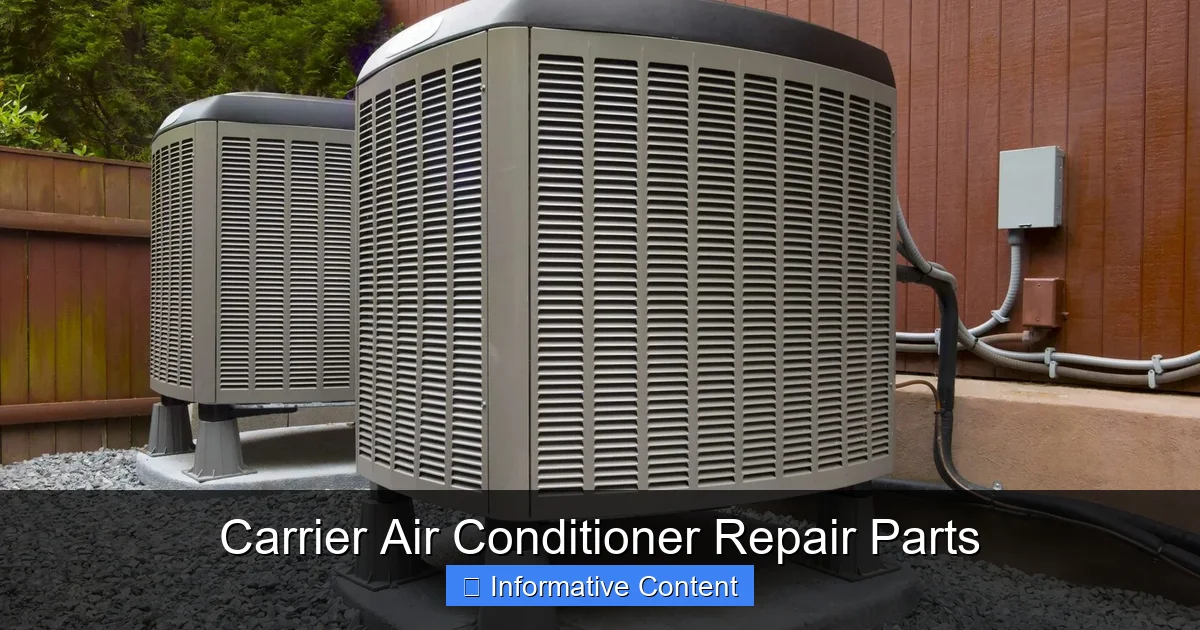
Visual guide about Carrier Air Conditioner Repair Parts
Image source: static.tildacdn.com
Not all parts in your Carrier air conditioner are equally prone to failure. Some components are subjected to constant stress, electrical loads, or environmental exposure, making them more likely to break down. Here are the most common parts that require replacement:
Capacitors
Capacitors store and release electrical energy to help motors start and run efficiently. In air conditioners, you’ll typically find two types: start capacitors and run capacitors. Start capacitors give the compressor and fan motors an initial boost, while run capacitors keep them operating smoothly.
Over time, capacitors can degrade due to heat, voltage fluctuations, or age. A failing capacitor may cause the AC to struggle to start, make humming noises, or shut off unexpectedly. Visually, a bulging or leaking capacitor is a clear sign it needs replacing. Fortunately, capacitors are inexpensive and relatively easy to swap out—just make sure to discharge them safely before removal.
Contactors
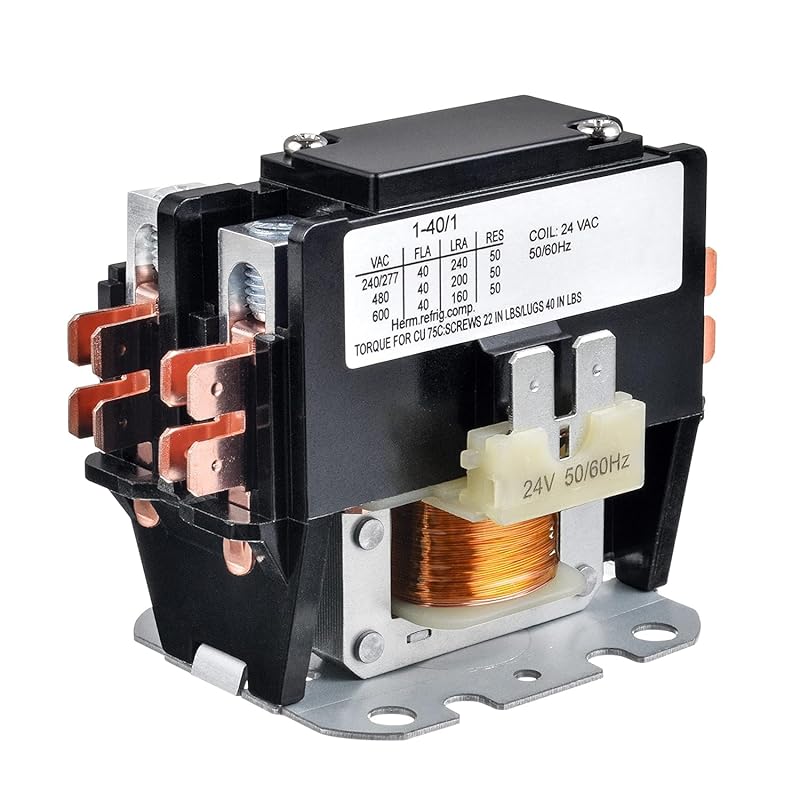
The contactor is an electrical switch that controls power flow to the compressor and condenser fan motor. When the thermostat calls for cooling, the contactor closes, allowing electricity to reach these components. If the contactor fails, your AC may not turn on at all, or it might cycle on and off rapidly.
Common signs of a bad contactor include pitted or burnt contacts, a buzzing sound, or visible arcing. Replacing a contactor is a straightforward task that usually requires just a screwdriver and a few minutes. Always match the voltage and amp rating of the original part.
Thermostats
While not part of the outdoor unit, thermostats play a crucial role in system operation. A faulty thermostat can cause erratic cooling, short cycling, or no response at all. Modern Carrier systems often use programmable or smart thermostats, which offer greater control but can also introduce software or connectivity issues.
If your AC isn’t responding to temperature changes, check the thermostat first. Replace batteries if applicable, ensure it’s level and clean, and verify wiring connections. If problems persist, a replacement thermostat compatible with your Carrier model may be needed.
Compressors
The compressor is the heart of your air conditioner, pressurizing refrigerant and circulating it through the system. It’s also one of the most expensive parts to replace. Compressor failure often results from electrical issues, lack of maintenance, or refrigerant problems.
Signs of compressor trouble include loud noises, overheating, or the unit not cooling despite running. Because compressors are complex and involve refrigerant handling, replacement should almost always be done by a licensed HVAC technician. In some cases, a hard-start kit can help an aging compressor turn on more reliably.
Fan Motors
Both the indoor (blower) and outdoor (condenser) fan motors are critical for airflow. A failing fan motor may cause weak airflow, overheating, or complete system shutdown. Motors can fail due to worn bearings, electrical issues, or dirt buildup.
Listen for grinding or squealing noises, and check if the fan spins freely by hand (with power off). Replacing a fan motor requires matching the horsepower, voltage, and mounting configuration. Some models use direct-drive motors, while others use belt-driven systems.
Filters and Coils
While not “repair parts” in the traditional sense, air filters and coils are essential for system efficiency and longevity. Clogged filters restrict airflow, forcing the system to work harder and increasing wear on motors and compressors. Dirty evaporator or condenser coils reduce heat transfer, leading to poor cooling and higher energy bills.
Replace filters every 1–3 months, depending on usage and environment. Clean coils annually using a soft brush or coil cleaner. These simple maintenance tasks can prevent many common AC problems.
How to Identify the Right Carrier Repair Parts
Ordering the correct Carrier air conditioner repair parts starts with accurate identification. Using the wrong part—even if it looks similar—can damage your system or void your warranty. Here’s how to get it right:
Locate Your Model and Serial Numbers
Every Carrier air conditioner has a model number and serial number, usually found on a label attached to the outdoor unit. The model number identifies the specific design and features of your unit, while the serial number helps track production details.
Look for a metal or plastic plate on the side or back of the condenser unit. The model number often starts with letters like “24ACC,” “38MURA,” or “PA17.” Write down both numbers exactly as they appear. Even a small typo can lead to ordering the wrong part.
Use Carrier’s Online Resources
Carrier provides detailed parts diagrams and manuals for many of its models on its official website. Visit the support section and enter your model number to access exploded views of your unit, showing every component and its part number.
These diagrams are invaluable for identifying the exact part you need. For example, if your capacitor has failed, the diagram will show its location, part number, and specifications. This ensures you order a compatible replacement.
Cross-Reference with Aftermarket Suppliers
While OEM (Original Equipment Manufacturer) parts are ideal, high-quality aftermarket alternatives are available from reputable suppliers. Companies like RepairClinic, HVACDirect, and PartsWarehouse offer compatible Carrier air conditioner repair parts at competitive prices.
When shopping, always verify that the part is listed as compatible with your specific model. Read customer reviews and check return policies. Some suppliers even offer live chat support to help you confirm compatibility.
Consult a Professional if Unsure
If you’re unable to locate your model number or identify the faulty component, don’t guess. A licensed HVAC technician can diagnose the issue accurately and recommend the correct part. Many technicians also sell parts directly, often at a markup, but with the assurance of compatibility and installation support.
Where to Buy Carrier Air Conditioner Repair Parts
Once you know what part you need, the next step is finding a reliable source. Not all retailers are created equal, and buying from the wrong place can lead to delays, incorrect parts, or safety risks.
Authorized Carrier Dealers
The safest option is to purchase directly from a Carrier-authorized dealer or service center. These businesses are trained and certified by Carrier, ensuring access to genuine OEM parts. While prices may be higher, you gain peace of mind knowing the part is authentic and backed by warranty.
To find an authorized dealer, use Carrier’s online dealer locator tool. Simply enter your ZIP code, and you’ll get a list of nearby locations. Many dealers also offer online ordering with in-store pickup or shipping.
Online Retailers
For convenience and competitive pricing, online retailers are a popular choice. Websites like Amazon, eBay, and specialized HVAC parts stores carry a wide range of Carrier-compatible components.
When shopping online, pay attention to seller ratings, return policies, and shipping times. Look for listings that include your model number in the compatibility section. Avoid sellers with no reviews or unclear product descriptions.
Local HVAC Supply Stores
Many cities have local HVAC supply houses that stock common repair parts. These stores often carry both OEM and aftermarket options and can provide expert advice. Plus, you can walk out with the part the same day—no waiting for shipping.
Call ahead to check availability, especially for less common components like compressors or control boards. Some stores may special-order parts for you at no extra charge.
Avoid Counterfeit or Low-Quality Parts
Unfortunately, the market is flooded with counterfeit or substandard parts that mimic genuine Carrier components. These parts may look similar but are made with inferior materials and lack proper testing.
Signs of a fake part include poor packaging, misspelled labels, unusually low prices, or lack of branding. Using such parts can lead to system damage, safety hazards, or voided warranties. Always buy from trusted sources and verify authenticity when possible.
DIY vs. Professional Repair: When to Call a Technician
One of the biggest decisions homeowners face is whether to tackle AC repairs themselves or hire a professional. The answer depends on the complexity of the repair, your skill level, and safety considerations.
DIY-Friendly Repairs
Some Carrier air conditioner repair parts are safe and simple to replace with basic tools and knowledge. These include:
– Capacitors
– Contactors
– Air filters
– Thermostats (non-hardwired)
– Blower motor wheels
For these tasks, turn off power at the breaker, follow manufacturer instructions, and take photos before disconnecting wires. Many online tutorials and videos walk you through the process step by step.
When to Call a Professional
Certain repairs should always be left to licensed HVAC technicians. These include:
– Compressor replacement
– Refrigerant handling (recharging, leak detection)
– Electrical panel or control board issues
– Gas line repairs (for heat pumps)
Refrigerant work, in particular, is regulated by the EPA and requires certification. Improper handling can be dangerous and illegal. Additionally, opening sealed systems often voids manufacturer warranties unless done by a certified professional.
Weighing the Costs
While DIY repairs can save money on labor, they come with risks. A mistake could damage your system or create a safety hazard. On the other hand, professional service ensures quality but can be expensive—especially for major repairs.
Consider your comfort level, the cost of the part, and the potential consequences of error. For high-stakes repairs, it’s often worth the investment to hire a qualified technician.
Maintaining Your Carrier AC to Prevent Future Failures
The best way to reduce the need for Carrier air conditioner repair parts is through regular maintenance. A well-maintained system runs more efficiently, lasts longer, and experiences fewer breakdowns.
Seasonal Maintenance Checklist
Follow this simple checklist twice a year—once before summer and once before winter:
– Replace air filters
– Clean indoor and outdoor coils
– Inspect and tighten electrical connections
– Lubricate fan motors (if applicable)
– Check refrigerant levels (by a technician)
– Clear debris from around the outdoor unit
– Test thermostat operation
Professional Tune-Ups
Even with diligent DIY care, an annual professional tune-up is recommended. A technician will perform a thorough inspection, clean internal components, test system performance, and identify potential issues before they become major problems.
Many HVAC companies offer maintenance plans that include two visits per year at a discounted rate. These plans often come with priority service and discounts on repairs.
Monitor System Performance
Pay attention to how your AC is running. Unusual noises, longer cooling cycles, or higher energy bills can signal underlying issues. Early detection allows for simpler, less expensive repairs.
Consider installing a smart thermostat or energy monitor to track performance and receive alerts for anomalies.
Conclusion
Dealing with a broken air conditioner is never fun, but understanding Carrier air conditioner repair parts can turn a stressful situation into a manageable one. From capacitors and contactors to compressors and thermostats, knowing which components are likely to fail—and how to replace them—puts you in control.
Always prioritize safety, use genuine or high-quality compatible parts, and don’t hesitate to call a professional when needed. With the right knowledge and resources, you can restore your Carrier AC to reliable, efficient operation and enjoy cool comfort for years to come.
Regular maintenance is your best defense against unexpected breakdowns. By staying proactive, you’ll extend the life of your system, reduce repair costs, and keep your home comfortable no matter how hot it gets outside.
Frequently Asked Questions
What are the most common Carrier air conditioner repair parts that fail?
The most frequently replaced parts include capacitors, contactors, thermostats, fan motors, and air filters. These components are exposed to constant electrical and mechanical stress, making them prone to wear over time.
Can I use aftermarket parts for my Carrier AC?
Yes, high-quality aftermarket parts can work well and are often more affordable. However, ensure they are compatible with your specific model and meet safety standards. For critical components like compressors, OEM parts are recommended.
How do I find the model number of my Carrier air conditioner?
Look for a metal or plastic label on the outdoor condenser unit. The model number is usually printed near the top or side and begins with letters and numbers (e.g., 24ACC60). The serial number is also on this label.
Is it safe to replace a capacitor myself?
Yes, replacing a capacitor is generally safe if you turn off the power at the breaker and discharge the capacitor properly. Use insulated tools and follow online guides. If you’re unsure, consult a technician.
Why is my Carrier AC not cooling even though it’s running?
This could be due to a dirty filter, low refrigerant, a faulty thermostat, or a failing compressor. Start by checking the filter and thermostat settings. If the issue persists, have a technician inspect the system.
How often should I replace my air conditioner’s filter?
Replace standard 1-inch filters every 30–60 days, depending on usage and air quality. Homes with pets or allergies may need monthly changes. Pleated or high-efficiency filters can last up to 90 days.