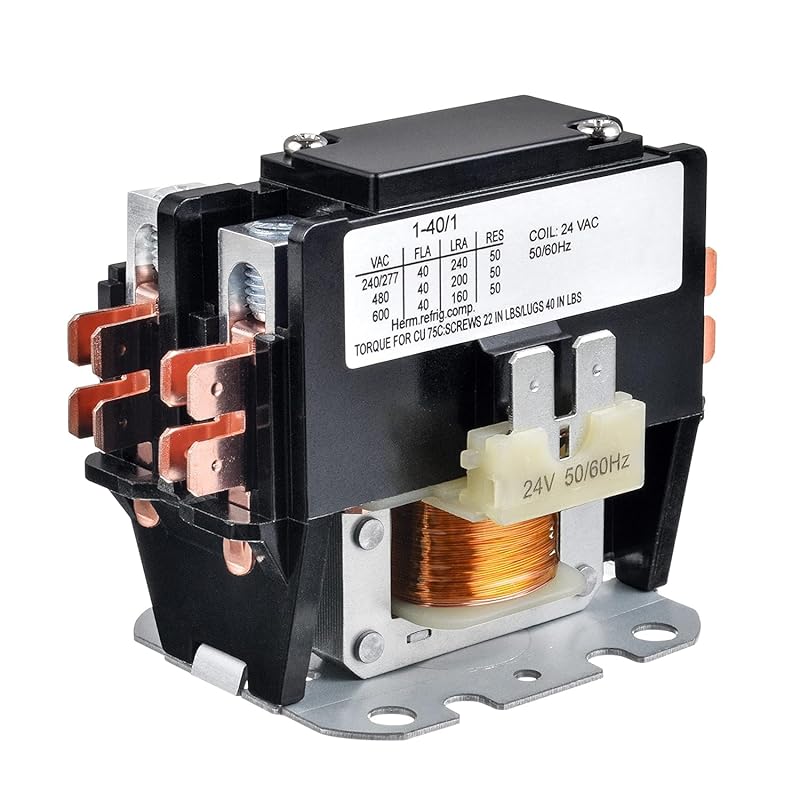
Carrier air conditioner error code EC typically signals an issue with the electronic expansion valve (EEV) or related components. This fault can disrupt cooling efficiency and cause inconsistent airflow. Understanding and addressing the root cause quickly prevents further damage and ensures reliable comfort.
Key Takeaways
- Error Code EC Definition: EC on a Carrier AC usually refers to an electronic expansion valve malfunction, affecting refrigerant flow.
- Common Causes: Dirty coils, low refrigerant, faulty sensors, or wiring issues often trigger EC codes.
- Immediate Actions: Power cycle the unit first—this resolves temporary glitches in many cases.
- Professional Diagnosis: Persistent EC errors require a licensed HVAC technician for accurate troubleshooting.
- Prevention Tips: Regular maintenance, clean filters, and timely repairs reduce EC occurrences.
- Safety First: Never attempt internal repairs without proper tools, training, or safety protocols.
- Model Variations: Some Carrier models use EC differently—always consult your manual for model-specific guidance.
Quick Answers to Common Questions
What does Carrier AC error code EC mean?
Error code EC typically indicates an issue with the electronic expansion valve (EEV) in your Carrier air conditioner. This valve controls refrigerant flow, and when it malfunctions or receives faulty signals, the system displays EC to alert you of a potential problem.
Can I fix Carrier EC error myself?
Simple fixes like power cycling, replacing air filters, or clearing obstructions may resolve temporary EC faults. However, persistent codes usually require professional diagnosis due to risks involved in handling refrigerants and internal components.
Will an EC code damage my AC?
If ignored, EC-related faults can lead to reduced cooling efficiency, higher energy use, or secondary damage like frozen coils. Prompt resolution prevents long-term harm to your system.
How often should I service my Carrier AC?
Biannual maintenance—once in spring and once in fall—is ideal. This includes cleaning coils, checking refrigerant levels, inspecting sensors, and verifying EEV operation.
Is Carrier EC the same on all models?
No. While most modern Carrier units use EC for EEV faults, older or regional models may assign different meanings. Always consult your specific model’s manual or contact Carrier support for confirmation.
📑 Table of Contents
- Understanding Carrier Air Conditioner Error Code EC
- What Does the EC Error Code Mean?
- Common Causes of Carrier AC Error Code EC
- Step-by-Step Troubleshooting for Carrier AC Error Code EC
- When to Call a Professional HVAC Technician
- Preventing Future EC Errors on Your Carrier AC
- Model-Specific Notes About Carrier EC Codes
- Conclusion: Stay Cool and Informed
Understanding Carrier Air Conditioner Error Code EC
Have you ever looked at your Carrier air conditioner display and seen “EC” blinking or displayed? If so, you’re not alone—and you’re probably wondering what it means and whether it’s something serious. Carrier air conditioners are known for their reliability, but like any complex appliance, they occasionally show error codes when something isn’t right.
The EC error code is one such alert, and while it might sound alarming at first, understanding what it represents can help you respond effectively. In most Carrier systems, especially those using inverter or digital controls, EC stands for a fault related to the electronic expansion valve, a critical component that regulates refrigerant flow into the evaporator coil. When the system detects abnormal behavior from this valve, it triggers the EC code to prevent potential damage or inefficiency.
This article walks you through everything you need to know about Carrier air conditioner error code EC—from what causes it to how to fix it, including when to call a pro. Whether you’re a homeowner, DIY enthusiast, or just trying to understand your unit better, we’ve got practical advice that keeps your cool—literally.
What Does the EC Error Code Mean?
Visual guide about Carrier Air Conditioner Error Code Ec
Image source: 3.bp.blogspot.com
At its core, the EC error code indicates a problem with the electronic expansion valve (EEV) circuit in your Carrier air conditioning system. The EEV is responsible for precisely controlling how much refrigerant flows into the indoor evaporator coil. Think of it as the throttle for your AC’s cooling process. Without proper regulation, your system either overchills or underchills the space, leading to discomfort, higher energy bills, or even mechanical stress.
In simpler terms: if the EEV isn’t opening, closing, or responding correctly—whether due to sensor failure, power issues, or internal wear—the control board logs an EC code. Most modern Carrier units use this code specifically for EEV faults, though older models may repurpose EC for other purposes depending on firmware or regional settings.
It’s important to note that “EC” doesn’t always mean the physical valve is broken. It could be a communication glitch between the valve and the main control board, a dirty filter restricting airflow, or even incorrect refrigerant levels. So while the code points to the EEV area, the real culprit might be elsewhere.
How Is the EC Code Displayed?
On most Carrier AC units with digital displays, the EC code appears as two digits flashing or lit steadily. For example:
– A steady “EC” may indicate a persistent fault.
– Flashing “EC” often suggests a recent or intermittent issue.
– On some models, you might see “E C” or “EC–01” if more detail is available.
Remote controls or companion apps (if supported) may also show diagnostic messages tied to EC. Always check your user manual for display variations specific to your model number.
Common Causes of Carrier AC Error Code EC
Visual guide about Carrier Air Conditioner Error Code Ec
Image source: d1p92o7d04o4ea.cloudfront.net
While the EC code centers on the EEV, several underlying factors can trigger it. Below are the most frequent culprits:
1. Clogged Air Filters
Dirty or clogged air filters restrict airflow across the evaporator coil. This causes the coil to drop below freezing temperatures, which can confuse the EEV and trigger an EC code. Many users overlook this simple fix, but replacing a dirty filter often resolves the issue instantly.
2. Low Refrigerant Levels
Refrigerant leaks reduce pressure in the system, making it difficult for the EEV to regulate flow properly. Low refrigerant not only leads to poor cooling but also puts extra strain on components like the compressor and EEV, increasing the likelihood of error codes like EC.
3. Faulty Temperature Sensors
The EEV relies on accurate temperature readings from sensors to function correctly. If a sensor drifts out of calibration or fails entirely, the system misinterprets conditions and sends incorrect signals to the valve—resulting in an EC fault.
4. Electrical Issues
Loose connections, damaged wiring, or failing capacitors can interrupt power delivery to the EEV. Even minor voltage drops can cause erratic behavior in sensitive electronic valves, prompting the control board to log an EC error.
5. Dirty Coils or Obstructed Condenser Unit
A dirty condenser coil reduces heat dissipation efficiency. When the outdoor unit struggles to shed heat, the entire system works harder, causing temperature imbalances that affect EEV operation and trigger EC codes.
6. Software Glitches or Firmware Bugs
Like smartphones, HVAC systems occasionally experience software hiccups. Rarely, a firmware bug in the control board can misreport EEV status, falsely triggering an EC code even when hardware is fine.
Step-by-Step Troubleshooting for Carrier AC Error Code EC
Before calling a technician, try these basic steps to diagnose and potentially resolve the EC issue:
Step 1: Power Cycle the Unit
Turn off your AC at the thermostat and disconnect power at the breaker for at least 5 minutes. This resets the control board and clears temporary faults. After reconnecting, wait 15–30 minutes to see if the EC code disappears.
Step 2: Inspect and Replace Air Filters
Remove and examine the filter. If it looks dusty or clogged, replace it immediately. A clean filter improves airflow and helps maintain stable coil temperatures—key for EEV function.
Step 3: Check Outdoor Unit Accessibility
Ensure there’s no debris blocking the condenser fins—leaves, dirt, or overgrown plants can obstruct airflow. Gently clean around the unit with a brush or hose (turn off power first!).
Step 4: Listen for Unusual Noises
Run the AC briefly and listen for buzzing, clicking, or grinding sounds near the indoor unit. These could indicate mechanical issues with the EEV motor or fan blades interfering with valve movement.
Step 5: Use a Multimeter (Advanced Users Only)
If you’re comfortable with electrical diagnostics, test continuity in the EEV wiring harness. Refer to your service manual for pinouts and expected resistance values. Never work on live circuits unless trained.
If none of these steps eliminate the EC code, proceed to professional assessment.
When to Call a Professional HVAC Technician
While basic checks are safe for homeowners, certain situations demand expert intervention:
- Persistent EC Code After Reset: If the error returns within hours or days, there’s likely a deeper issue.
- Refrigerant-Related Symptoms: Hissing sounds, ice buildup on coils, or very warm air from vents suggest a leak requiring EPA-certified recovery and recharge.
- Unfamiliar Wiring or Components: Tampering with internal valves without training risks damaging delicate electronics or voiding warranties.
- Lack of Diagnostic Tools: HVAC techs use manifold gauges, amp probes, and software interfaces to pinpoint faults beyond surface-level checks.
- Warranty Considerations: Unauthorized repairs may invalidate manufacturer coverage.
Licensed technicians can perform advanced diagnostics like checking superheat/subcooling values, validating sensor accuracy, and inspecting EEV coil resistance. They’ll also verify refrigerant charge levels and ensure all connections are secure.
Preventing Future EC Errors on Your Carrier AC
Prevention is always better than repair. Follow these best practices to minimize the chance of EC codes recurring:
Schedule Annual Maintenance
Professional tune-ups twice a year (before summer and winter peaks) keep your system running smoothly. Technicians clean coils, inspect sensors, and calibrate controls—addressing potential issues before they escalate.
Replace Filters Monthly During Peak Seasons
Standard 1-inch filters should be changed every 30–60 days. High-efficiency pleated filters may last longer but still benefit from quarterly checks.
Keep Vents Clear
Avoid placing furniture, curtains, or electronics directly in front of supply/return vents. Blocked airflow stresses the system and affects EEV performance.
Monitor Thermostat Settings
Extreme temperature swings (e.g., setting 70°F in winter then 68°F the next day) force the system to work harder. Gradual changes reduce strain on components.
Install Surge Protection
Power surges can damage sensitive control boards and EEV drivers. Whole-house surge protectors add a layer of defense against electrical anomalies.
Upgrade to Smart Thermostats
Devices like Carrier’s Comfort™ thermostat provide real-time diagnostics, maintenance reminders, and remote alerts—helping you catch problems early.
By staying proactive, you extend your AC’s lifespan and avoid costly emergency calls.
Model-Specific Notes About Carrier EC Codes
Not all Carrier models interpret EC identically. For instance:
- Carrier Infinity Series: EC usually denotes EEV fault; consult the “Service Diagnostic Mode” guide for detailed subcodes.
- Older Split Systems: Some pre-2010 models use EC for “External Communication Error” rather than EEV issues.
- Packaged Units: Roof-mounted or through-wall models may have different sensor layouts affecting code meaning.
Always refer to your specific model number’s service manual—available online via Carrier’s support portal—to confirm what EC represents in your setup.
If uncertain, contact Carrier customer service with your serial number for personalized guidance.
Conclusion: Stay Cool and Informed
Encountering Carrier air conditioner error code EC doesn’t have to send you into panic mode. While it signals a technical fault involving the electronic expansion valve, many common causes—like dirty filters or power cycles—are easy to address. Armed with this knowledge, you can troubleshoot safely and decide whether to DIY or call a pro.
Remember: regular maintenance, clean airways, and prompt attention to warnings go a long way in preserving your AC’s performance. And when in doubt, lean on certified professionals who understand Carrier systems inside and out.
Your comfort depends on it—and so does your wallet. Stay smart, stay cool, and let your Carrier do what it does best: keep you chill.
Frequently Asked Questions
Why does my Carrier AC show EC after installation?
This could indicate improper wiring during setup, a loose connection, or incorrect refrigerant charge. Have a technician verify installation compliance with manufacturer specifications.
Does low refrigerant cause Carrier EC errors?
Yes. Low refrigerant reduces system pressure, confusing the EEV and triggering EC codes. A leak must be found and repaired before recharging.
Can dirty coils trigger an EC code?
Indirectly yes. Dirty coils reduce heat exchange efficiency, causing temperature imbalances that affect EEV function and may log an EC fault.
How long does it take to fix an EC error?
Simple fixes take minutes; complex repairs (like replacing the EEV) may take 2–4 hours. Total downtime depends on the root cause and parts availability.
Is the EC code covered under warranty?
Most parts failures are covered if the unit is under warranty and serviced by a certified technician. DIY tampering voids coverage.
Should I ignore an EC code if cooling seems normal?
No. Even if cooling appears adequate, an EC fault indicates internal imbalance that can worsen over time. Address it promptly to prevent future breakdowns.