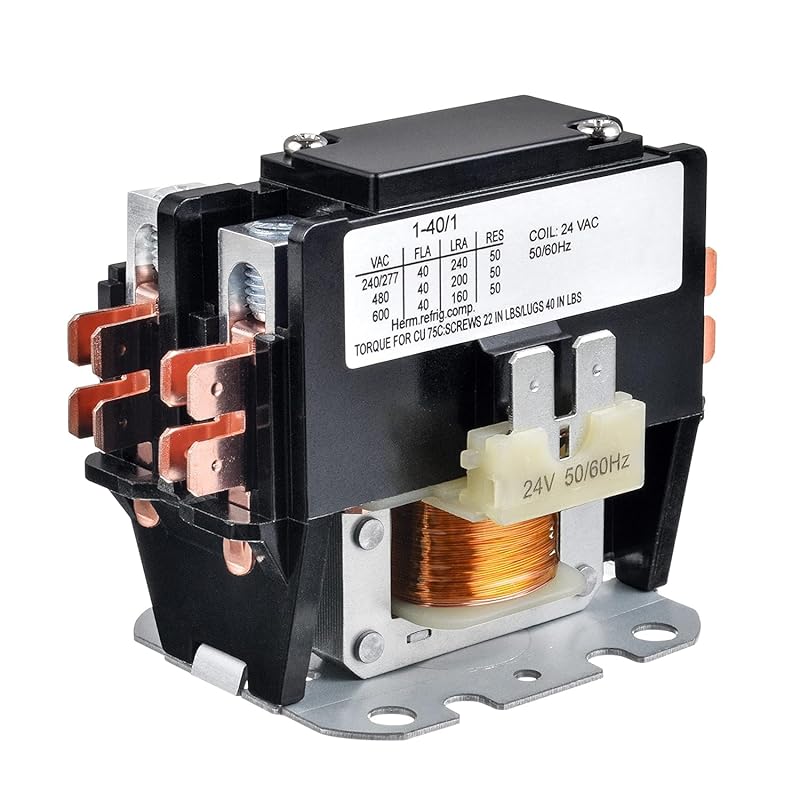
Carrier air conditioner error code 88 indicates a communication failure between the indoor and outdoor units. This issue often stems from wiring problems, loose connections, or internal component faults. While some fixes are simple, others require professional diagnosis—knowing how to respond can save time and prevent costly repairs.
Key Takeaways
- Error Code 88 Definition: It signals a communication breakdown between the indoor blower/fan control board and the outdoor compressor/condenser unit.
- Common Causes: Loose or damaged wiring, blown fuses, faulty control boards, or power supply issues are typical culprits.
- Troubleshooting First Steps: Check circuit breakers, inspect wire connections at both units, and ensure no physical damage to cables.
- When to Call a Pro: If basic checks don’t resolve the issue, or if you suspect internal board failures, contact a certified HVAC technician.
- Prevention Tips: Regular maintenance, keeping vents clean, and avoiding DIY electrical work on high-voltage components reduce future risk.
- Model Variations: Some Carrier models display “E8” instead of “88,” so always consult your owner’s manual for exact codes.
Quick Answers to Common Questions
What does Carrier error code 88 mean?
It indicates a communication failure between the indoor blower control board and the outdoor compressor unit, typically due to wiring issues, loose connections, or blown fuses.
How do I reset my Carrier AC after error 88?
Turn off the main circuit breaker for 3–5 minutes, then restore power. Allow 10–15 minutes for the system to reboot before checking if the error persists.
Can dirty filters cause error code 88?
Unlikely directly, but severely restricted airflow from clogged filters can overwork the system and indirectly stress control circuits, potentially contributing to electrical instability.
Why does my Carrier show 88 even when cold outside?
Error 88 relates to internal communication, not ambient temperature. Even in mild weather, poor signal transmission between units triggers this code regardless of outdoor conditions.
Is error 88 covered under warranty?
Often yes—if caused by a manufacturing defect. However, damage from neglect (like rodent-chewed wires) or improper installation may void coverage. Check your warranty terms.
📑 Table of Contents
What Is Carrier Air Conditioner Error Code 88?
If you’re staring at your Carrier thermostat or wall-mounted display and seeing “88” flashing or lit up like a neon sign, don’t panic—yet. This isn’t your air conditioner announcing it’s ready for karaoke night (though that would be fun). Instead, Carrier air conditioner error code 88 is a diagnostic signal telling you that something’s gone awry in the communication pipeline between your indoor and outdoor units.
Think of your AC system as a two-way conversation: the indoor unit says, “Hey, I need cooling,” and the outdoor unit replies, “Got it—compressing refrigerant now.” But when error code 88 appears, it’s like one party suddenly stopped talking. The indoor blower control board isn’t getting the message from the outdoor compressor, or vice versa. Without this handshake, your system can’t operate safely or efficiently.
This error is particularly common in Carrier systems using electronic control boards—especially those manufactured after 2010. While frustrating, it’s usually fixable with some troubleshooting. In this guide, we’ll walk through everything you need to know about diagnosing, resolving, and preventing Carrier air conditioner error code 88.
Why Does Error Code 88 Occur?
Understanding why your Carrier AC throws error code 88 starts with knowing how these systems communicate. Modern Carrier units rely heavily on digital signals sent over low-voltage wiring (typically 24 volts). These wires carry data between the thermostat, indoor control board, and outdoor compressor board. When those signals get interrupted or corrupted, the system logs an error.
Let’s break down the most frequent causes:
Loose or Corroded Wiring Connections
Over time, vibration from the outdoor unit or temperature swings can loosen wire nuts or terminal screws in your disconnect box or at the control boards. Corrosion on copper contacts also disrupts signal flow. A wiggle test—gently tugging each wire—can reveal which connection is unstable.
Blown Fuse or Tripped Circuit Breaker
The 24-volt transformer that powers control circuits can blow due to surges or overloads. If the fuse inside is cracked or discolored, or if your breaker keeps tripping under load, the system loses power and can’t communicate.
Faulty Indoor or Outdoor Control Boards
Control boards are essentially the brains of your AC. If either the indoor blower board or outdoor compressor board has failed—due to age, moisture intrusion, or manufacturing defects—it won’t send or receive signals properly. Boards can degrade silently over years of use.
Damaged Communication Cables
Sometimes the wires themselves develop cracks, cuts, or insulation wear. Rodents chewing through cables (yes, it happens!) or accidental damage during landscaping are real concerns. Even small nicks in the cable jacket can cause intermittent failures.
Poor Power Supply Voltage
If your home’s voltage fluctuates significantly—say, below 105V or above 127V—it can destabilize the 24-volt control circuit. Low voltage prevents proper signal transmission, triggering error 88 even if all connections look fine.
How to Troubleshoot Carrier Error Code 88
Before calling a technician, try these step-by-step checks. Safety first: turn off the power at the main breaker before touching any wiring!
Step 1: Verify Power to Both Units
Check that both your indoor and outdoor units have power. Look for lights on control boards, listen for fan hums, or feel for warmth in the disconnect box. If neither unit responds at all, the problem may be upstream—breaker, transformer, or utility-side issue.
Step 2: Inspect Wire Connections
Locate your disconnect box (usually near the outdoor unit). Open it carefully and check all wire nuts and terminals. Ensure they’re tight and not corroded. For models with screw terminals (common on newer Carriers), verify no wires are loose or frayed.
Next, go to the indoor furnace or air handler compartment. Find the control board (often labeled “blower motor board” or “control panel”). Again, inspect every connection. Don’t forget to check the 24-volt transformer leads—they’re usually color-coded (black/white).
Step 3: Test the 24-Volt Transformer
Using a multimeter set to DC volts, measure across the secondary terminals of the 24V transformer. You should read around 22–26 volts under normal conditions. If it reads zero or erratically, replace the transformer.
Step 4: Swap Components (If Possible)
Some techs use a “swap test”: temporarily move the outdoor unit’s control board to the indoor side (or vice versa) using jumper wires. If error 88 disappears, you’ve found the faulty board. Note: Only attempt this if you’re experienced—mixing boards across models can cause more issues.
Step 5: Clear Error and Reboot
After fixing connections or replacing parts, reset the system by turning off the breaker for 3–5 minutes. Then restore power and wait 10–15 minutes to see if the error returns. Sometimes a soft reset clears transient glitches.
When Should You Call a Professional?
While many error 88 cases are DIY-friendly, there are red flags that demand expert help:
– If you find burned, melted, or blackened components on any board.
– When multiple error codes appear simultaneously (e.g., 88 + 44).
– If the system won’t power on at all after basic checks.
– When you lack confidence handling 240V circuits or high-voltage wiring.
– If the issue recurs within days of “fixing” it yourself.
Certified HVAC technicians have access to Carrier-specific diagnostic tools and firmware updates that aren’t available to homeowners. They can also perform continuity tests, thermal imaging, and signal analysis to pinpoint elusive faults.
Pro tip: Always ask for a written estimate before authorizing repairs. Reputable companies will explain exactly what they found and why each part needs replacement.
Preventing Future Error Codes on Your Carrier AC
Once your system is back online, take steps to avoid repeating the same mistake:
Schedule Annual Maintenance
A qualified technician should inspect your system yearly. Tasks include checking refrigerant levels, cleaning coils, tightening electrical connections, and testing control circuits. Preventive care catches small problems before they trigger full-blown errors.
Keep Vents and Filters Clean
Clogged return air filters force the blower to work harder, increasing stress on the indoor board. Replace filters monthly during heavy usage seasons.
Avoid DIY Electrical Work Unless Trained
Even experienced handymen shouldn’t attempt to replace control boards or rewire disconnect boxes without proper certification. One misplaced screwdriver strike can fry delicate circuitry.
Protect Against Rodent Damage
Seal gaps around conduit entries with steel wool or metal mesh. Trim shrubs away from the outdoor unit to discourage nesting.
Monitor Your Home’s Electrical Health
Use a surge protector for sensitive electronics, and consider installing a whole-house voltage regulator if you live in an area with frequent brownouts.
Frequently Asked Questions About Carrier Error Code 88
Understanding error codes can be confusing—here’s what else homeowners often wonder:
Is error code 88 dangerous?
Not inherently dangerous, but ignoring it risks further damage. Continued operation without proper communication could overheat components or cause compressor failure.
Visual guide about Carrier Air Conditioner Error Code 88
Image source: scr.vn
Visual guide about Carrier Air Conditioner Error Code 88
Image source: img.chilling.tw
Can I ignore error code 88?
No—your AC won’t cool effectively, and prolonged operation may void your warranty or damage expensive parts like the compressor.
Does error code 88 mean my compressor is broken?
Possibly, but not always. It usually points to a communication or control issue rather than a mechanical compressor fault. Diagnosing requires testing multiple components.
Will resetting the thermostat fix error 88?
Sometimes—if the error is temporary. But persistent 88 codes indicate underlying hardware or wiring problems that resets alone can’t solve.
Are all Carrier models affected the same way?
Most Carrier systems post similar codes, but some display “E8” instead of “88.” Always consult your specific model’s manual for accurate interpretation.
How much does it cost to fix error code 88?
Costs vary: minor fixes like tightening wires may run $100–$200, while replacing a control board runs $400–$900+ including labor. Early intervention saves money long-term.
Frequently Asked Questions
How do I clear Carrier error code 88 permanently?
Clearing the code temporarily resets the system, but the underlying issue must be fixed first. Address loose wires, replace blown fuses, or repair faulty control boards to prevent recurrence.
Can I drive my Carrier AC with error code 88?
Technically yes, but not recommended. The system may cycle erratically or fail to cool properly, wasting energy and risking component damage over time.
What’s the difference between error 88 and error 44 on Carrier?
Error 44 usually indicates a flame sensor or gas valve issue in heat pumps/furnaces, while error 88 is strictly a communication fault between indoor/outdoor units—completely unrelated problems.
Should I replace both control boards if only one fails?
Generally no. Technicians isolate the faulty board through testing. Replacing both unnecessarily increases cost without benefit unless both show signs of wear or age.
Does humidity affect Carrier error code 88?
Indirectly—high humidity strains the system, but error 88 itself is tied to wiring and voltage, not moisture levels. However, condensation near control boards can accelerate corrosion and worsen connections.
Can a power outage cause error code 88?
Yes! Sudden outages or brownouts can blow fuses or corrupt control board memory. After an outage, always inspect fuses and allow the system to reboot fully before assuming it’s working normally.