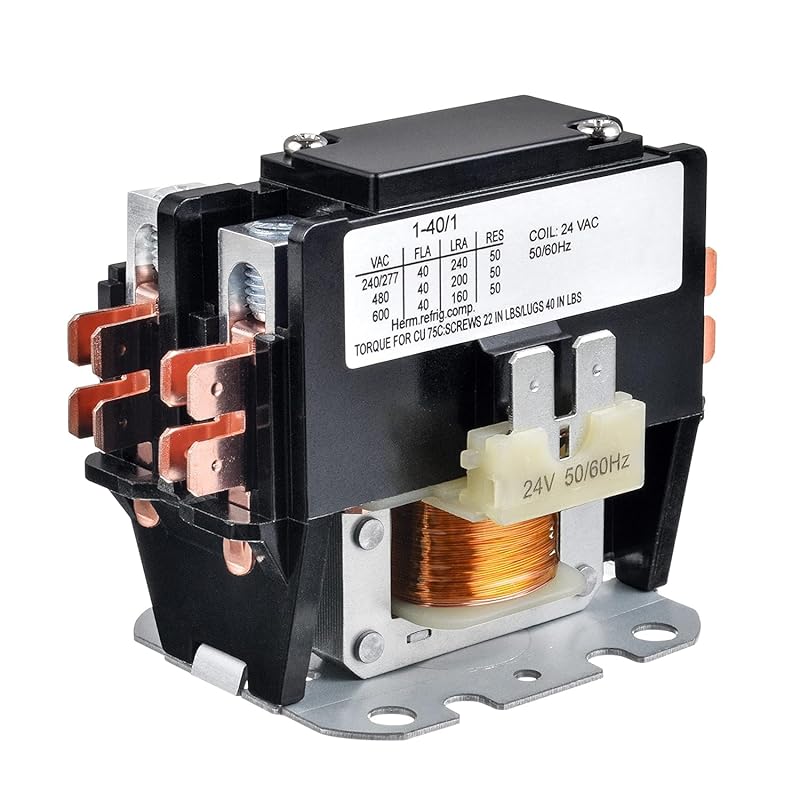
Carrier air conditioner error code 179 usually indicates a problem with the outdoor fan motor or its control board. This common issue can disrupt cooling and cause discomfort in your home. Understanding this error helps you take quick action to restore comfort and prevent further damage.
Key Takeaways
- Error Code Meaning: Carrier error code 179 typically signals an outdoor fan motor failure or communication issue between the indoor and outdoor units.
- Safety First: Always turn off power before inspecting components. Never attempt repairs on live electrical parts.
- Common Causes: Blown fuses, faulty wiring, damaged capacitors, or internal motor failure are frequent triggers for code 179.
- DIY Troubleshooting: Check fuses, inspect connections, and test continuity before replacing expensive parts.
- Professional Help: If basic steps fail, contact a licensed HVAC technician for accurate diagnosis and repair.
- Prevention Tips: Regular maintenance reduces the risk of error codes like 179 by keeping systems clean and efficient.
- Model Variations: While most Carrier units use similar logic, always consult your specific model’s manual for exact details.
Quick Answers to Common Questions
Is error code 179 dangerous?
No, it’s not immediately hazardous, but ignoring it can lead to compressor damage or complete system failure. Always address it promptly.
Can I reset the AC after fixing the issue?
Yes—turn off power at the breaker, wait 5 minutes, then restore it. The error should clear if the root cause is resolved.
Will a dirty filter trigger code 179?
Indirectly—excessive dirt restricts airflow, overheating the condenser. Clean filters help prevent related errors, including 179.
How long does it take to fix code 179?
Simple fixes (like replacing a fuse) take 15–30 minutes. Complex repairs (motor replacement) may take 1–2 hours with tools.
Does warranty cover fan motor repairs?
Typically yes—if the failure occurs within the warranty period and wasn’t caused by misuse. Check your policy details.
📑 Table of Contents
What Is Carrier Air Conditioner Error Code 179?
When your Carrier air conditioner starts acting up, one of the first clues is often the flashing LED light on the indoor unit or the display showing a strange number. That’s where error codes come in—they’re like little messages from your AC telling you something isn’t right. One of the most common alerts you might see is error code 179. But what does it really mean?
In simple terms, Carrier air conditioner error code 179 usually points to a problem with the outdoor fan motor or its control system. The outdoor fan is crucial—it helps pull hot air from inside your home and push warm condenser air outside. Without proper airflow over the condenser coils, your AC can’t cool efficiently. So when the system detects an issue with the fan’s operation, it logs code 179 as a warning.
This error isn’t always serious. Sometimes it’s a minor wiring hiccup or a blown fuse. Other times, it could mean deeper issues like a failing capacitor or even a damaged fan blade. Either way, ignoring it won’t help—your AC may stop working altogether or waste energy trying to run inefficiently.
How Error Codes Work in Carrier Systems
Carrier AC units are built smart. They use sensors and microprocessors to monitor everything from temperature differences to component performance. When something goes off-kilter—like a fan not spinning at the right speed—the system records that event as an error code.
Each code has a unique meaning based on the type of fault. For example:
– Code 105 might mean low refrigerant.
– Code 404 could signal a communication glitch between indoor and outdoor units.
– And yes, code 179 specifically relates to the outdoor fan circuit.
These codes help both homeowners and technicians pinpoint problems quickly. Instead of guessing, you get a clear signal: “Hey, there’s an issue here.”
Most Carrier models display these codes through the thermostat screen, a blinking light sequence, or via a service app if your unit is Wi-Fi enabled. Some newer systems even send alerts to your phone!
Why the Outdoor Fan Matters
Let’s talk about why the outdoor fan is so important. Your air conditioner works in two main stages:
1. **Indoor Stage**: Cooled air gets blown into your home via ducts.
2. **Outdoor Stage**: Heat is transferred from the refrigerant to the outside air using the condenser coil—and that’s where the fan comes in.
The outdoor fan draws air across the condenser coils, allowing heat to escape. Without steady airflow, the coils overheat, pressure builds up, and the system shuts down to protect itself. That’s exactly when you’ll see code 179.
Think of it like your body sweating on a hot day. If sweat glands aren’t working, you overheat. Same idea—without the fan, the AC overheats internally.
Common Causes of Carrier Error Code 179
Visual guide about Carrier Air Conditioner Error Code 179
Image source: cdnmedia.baotintuc.vn
Now that we know what code 179 means, let’s dig into what actually causes it. Don’t panic—many of these fixes are easy to check yourself.
Blown Fuse or Tripped Circuit Breaker
One of the simplest reasons for code 179 is a blown fuse in the outdoor unit’s control board. Fuses act like safety valves—they break if electricity surges too high. If the fuse blows, the fan won’t receive power, and the system logs the error.
To check:
– Turn off power at the breaker box.
– Remove the access panel on the outdoor unit.
– Look for a small plastic box labeled “fuse.”
– Use a multimeter to test continuity.
If the fuse is dark or broken, replace it with one of the same rating (usually 3A or 5A). Always match voltage and current specs!
Faulty Wiring Connections
Loose or corroded wires are another top culprit. Over time, vibration from the fan can loosen connections. Moisture and dirt can also corrode terminals, interrupting the electrical path.
Check all wire nuts and connectors near the fan motor and control board. Make sure they’re snug and free from rust or burn marks. Tighten any wiggly ones gently—but don’t force them.
Also inspect the main power cable entering the unit. A cut or frayed wire here can cause major issues.
Defective Capacitor
The start/run capacitor gives the fan motor an initial boost to get spinning. These little cylindrical devices wear out over time—especially in extreme heat or humidity.
Signs of a bad capacitor:
– Bulging or leaking fluid
– Burn marks around the base
– The fan hums but doesn’t spin
Test with a multimeter set to capacitance mode. Compare readings to the label on the capacitor. If it’s off by more than 10%, replace it.
Failed Fan Motor or Blade Obstruction
Sometimes the fan motor itself dies. This often happens after years of use or due to bearing wear. You might hear grinding noises or feel resistance when manually spinning the blades.
Also check for physical blockages—leaves, nests, or debris stuck in the fan housing can jam rotation. Clear everything carefully with gloves and tools.
If the motor tests dead (no continuity), replacement is needed. Note: Some motors are sealed and require full assembly replacement.
Control Board Issues
In rare cases, the problem lies with the printed circuit board (PCB) inside the outdoor unit. Damage from water, lightning strikes, or electrical surges can disable the fan relay circuit.
Diagnosing PCB faults requires advanced tools. Look for burnt traces, swollen capacitors, or scorch marks. Again—only attempt this if you’re comfortable with electronics.
Otherwise, skip straight to calling a pro.
Step-by-Step Troubleshooting Guide
Visual guide about Carrier Air Conditioner Error Code 179
Image source: voice.ameba.jp
Feeling overwhelmed? Don’t worry—we’ve got a simple plan. Follow these steps in order. Most of the time, you’ll find the answer within minutes.
Step 1: Power Down Safely
Before touching anything, shut off power to the outdoor unit. Flip the disconnect switch or turn off the breaker labeled “AC” or “HVAC.” Wait 5 minutes—this lets residual charge drain.
Never work on live circuits! Safety first always.
Step 2: Inspect Visually
Look inside the outdoor unit (after removing the cover). Check for:
– Debris blocking the fan
– Broken fan blades
– Loose wires
– Burned fuses or scorched components
Take photos so you remember where things go when reassembling.
Step 3: Test the Fan Manually
Gently try to rotate the fan blades by hand. It should move smoothly. If it sticks, clean around the shaft or lubricate lightly (if accessible).
If it spins freely, move to electrical testing.
Step 4: Check Fuses and Breakers
Locate the fuse holder near the control board. Test each fuse with a multimeter. Replace any that show no continuity.
Also verify the main breaker hasn’t tripped. Reset it if needed.
Step 5: Examine Capacitors
Remove the capacitor and inspect its condition. Look for bulges, leaks, or cracks. Then test capacitance value.
If unsure, bring the old one to a hardware store for comparison.
Step 6: Verify Motor Continuity
Set your multimeter to ohms (Ω). Touch probes to the motor leads. A good motor shows low resistance (typically 5–20 ohms). Infinite resistance means open circuit—time to replace.
Note: Always discharge capacitors first! Hold metal ends together across terminals for 30 seconds.
Step 7: Restore Power and Test
After repairs, reassemble everything. Turn power back on and wait 2–3 minutes. Listen for the fan to kick in. If it runs normally, the code should disappear.
Still seeing 179? Time to escalate.
When to Call a Professional
While DIY fixes work for many people, some situations demand expert help:
– You’re uncomfortable using tools or electrical equipment.
– Multiple components need replacement (motor + capacitor + wiring).
– The unit is under warranty—opening it voids coverage.
– You smell burning or see smoke.
– The error returns after basic fixes.
Licensed HVAC technicians have diagnostic scanners that read real-time data from your AC. They can spot intermittent faults invisible to amateurs.
Plus, they carry genuine Carrier parts, ensuring compatibility and longevity.
Average service call fees range from $100–$250, depending on location. But compared to buying a whole new unit, it’s worth every penny.
Choosing the Right Technician
Not all HVAC pros are equal. Here’s how to pick wisely:
– Confirm NATE certification (North American Technician Excellence).
– Ask for references or online reviews.
– Get written estimates before work begins.
– Avoid companies that pressure you into unnecessary replacements.
A good tech will explain the problem clearly and show you photos of what they found.
Preventing Future Error Codes
Once your AC is running smoothly, keep it that way! Prevention beats cure every time.
Schedule Annual Maintenance
Have a professional inspect your system once yearly. Tasks include:
– Cleaning coils and filters
– Checking refrigerant levels
– Tightening electrical connections
– Lubricating moving parts
Regular tune-ups catch small issues before they become big errors.
Keep the Outdoor Unit Clear
Trim bushes and remove weeds around the condenser unit. Leave at least 2 feet of clearance on all sides for airflow.
Avoid storing lawn furniture or grills directly against the unit.
Change Filters Monthly During Peak Season
Dirty filters restrict airflow, forcing the system to work harder. Replace pleated filters every 30 days; wash reusable ones weekly.
Clean vents and return ducts too—clogged paths strain the entire system.
Install Surge Protectors
Power surges from storms or grid fluctuations can fry control boards. Plug your AC into a surge protector or install whole-house protection.
This safeguards against random error codes like 179.
Monitor Performance
Notice changes early:
– Weak airflow
– Unusual noises
– Rising utility bills
– Warm rooms despite running AC
Address quirks ASAP. Small problems grow fast.
Model-Specific Notes
Carrier makes dozens of AC models—from split systems to packaged units. While error code 179 generally applies across brands, always double-check your manual.
For example:
– Older 24SEA models may use different diagnostic sequences.
– Newer Infinity systems integrate with ComfortLink thermostats for remote alerts.
Search “Carrier model [your serial number] manual PDF” online. Manuals are free and downloadable.
If lost, visit Carrier’s official support site or call their customer service line.
Using Diagnostic Apps
Some Carrier units connect via Wi-Fi. Download the Carrier app (or SmartHQ) to view live status, receive alerts, and run self-tests.
These apps sometimes override local error displays, so check both places if code 179 appears unexpectedly.
Frequently Asked Questions
What does Carrier air conditioner error code 179 mean?
Error code 179 indicates a fault in the outdoor fan motor circuit, often due to power loss, wiring issues, or mechanical failure. It prevents the AC from operating safely until resolved.
Can I drive myself crazy trying to fix code 179?
It’s normal to feel frustrated, but stay calm. Follow our step-by-step guide, and remember—most causes are simple and safe to address.
Will the AC work without the outdoor fan?
No—the fan is essential for heat dissipation. Running the unit without it risks compressor damage and voiding your warranty.
How much does it cost to replace a fan motor?
Parts range from $100–$300 depending on model. Labor adds another $150–$400. Total average: $300–$700.
Are all Carrier models affected the same way?
Yes—error code meanings are consistent across Carrier brands, though exact display methods vary slightly by model year and thermostat type.
Should I replace the capacitor every time?
Only if testing shows it’s faulty. Capacitors rarely fail unless aged, overheated, or exposed to moisture. Don’t swap parts preemptively.