
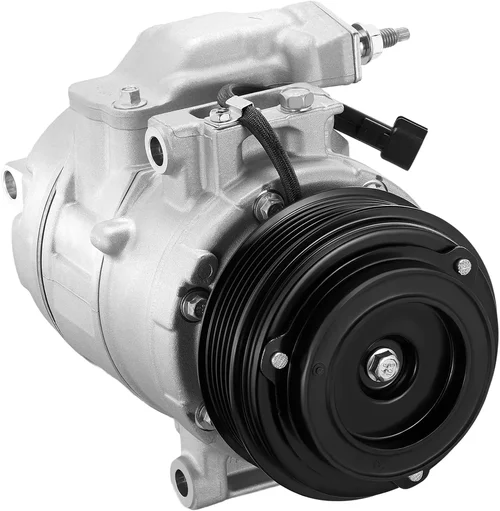
When your home’s air conditioning system starts acting up—whether it’s blowing warm air, making strange noises, or refusing to turn on at all—the compressor is often the first component HVAC technicians investigate. As the heart of your Carrier air conditioning unit, the compressor plays a vital role in circulating refrigerant and maintaining cool, comfortable indoor temperatures. Whether you’re replacing a failed compressor or upgrading an aging system, choosing the right Carrier AC compressor can mean the difference between years of reliable performance and recurring repair headaches.
This comprehensive buying guide is designed to help homeowners, property managers, and even DIY enthusiasts make informed decisions when purchasing a Carrier air conditioner compressor. We’ll walk you through every critical factor—from performance specs and compatibility to warranty coverage and budget considerations—so you can confidently select a compressor that fits your needs, climate, and long-term goals. The market for AC compressors has evolved significantly in recent years, with advancements in energy efficiency, smart diagnostics, and eco-friendly refrigerants. Understanding these changes is essential to avoid overspending on unnecessary features or ending up with a unit that doesn’t match your system’s requirements.
In this guide, you’ll learn how to evaluate key technical specifications like SEER ratings and refrigerant types, understand the differences between scroll, reciprocating, and rotary compressors, and identify red flags that could signal a poor purchase. We’ll also break down common mistakes people make—like buying based solely on price or ignoring compatibility—and provide actionable tips to help you get the best value. Whether you’re working with a tight budget or investing in a premium solution, our expert advice will empower you to choose wisely and ensure your cooling system runs smoothly for years to come.

What to Look for When Buying a Carrier AC Compressor
1. Compatibility with Your Existing System
One of the most critical factors when selecting a Carrier AC compressor is ensuring it’s fully compatible with your current air conditioning unit. Even if you’re replacing a failed compressor, not all models are interchangeable. Carrier manufactures a wide range of systems—from residential central air units to commercial rooftop packages—and each has specific compressor requirements. Installing an incompatible compressor can lead to system inefficiency, frequent breakdowns, or even complete system failure.
To verify compatibility, start by locating your unit’s model and serial numbers, typically found on a metal nameplate near the outdoor condenser. Use this information to cross-reference with Carrier’s official parts database or consult with a certified HVAC technician. Pay close attention to the tonnage (measured in BTUs), voltage, phase, and refrigerant type (e.g., R-410A or R-32). Mismatched tonnage, for example, can cause short cycling or inadequate cooling. Additionally, newer systems may require compressors with variable-speed capabilities or advanced control boards that older models don’t support.
2. Performance Specifications and Efficiency Ratings
The performance of your Carrier AC compressor directly impacts your home’s comfort and energy bills. Two of the most important metrics to evaluate are the Seasonal Energy Efficiency Ratio (SEER) and the compressor’s cooling capacity, measured in tons or BTUs per hour. SEER ratings indicate how efficiently the system uses electricity over an entire cooling season, with higher numbers representing better efficiency. As of 2023, the U.S. Department of Energy requires a minimum SEER2 rating of 13.4 for northern regions and 14.3 for southern regions, but many modern Carrier compressors exceed these standards.
For most homes, a SEER2 rating between 16 and 20 offers an excellent balance of energy savings and upfront cost. High-efficiency models (SEER2 20+) use advanced technologies like variable-speed motors and inverter-driven compressors, which adjust output based on demand rather than running at full capacity constantly. This not only reduces energy consumption but also minimizes wear and tear, extending the compressor’s lifespan. Cooling capacity should match your home’s square footage and insulation levels. An undersized compressor will struggle to cool your space, while an oversized one will cycle on and off too frequently, wasting energy and reducing humidity control.
Other performance specs to consider include the compressor’s start-up amperage (locked rotor amps), sound level (measured in decibels), and pressure tolerance. Carrier’s high-end models often feature sound-dampening enclosures and soft-start technology to reduce noise and electrical surges during startup.
3. Build Quality and Durability
A compressor is a long-term investment, so build quality matters. Carrier is known for engineering durable, reliable components, but not all compressors are created equal. Look for units constructed with corrosion-resistant materials, such as aluminum windings and coated steel housings, especially if you live in a humid or coastal environment. The internal components—like the motor windings, bearings, and valves—should be designed to withstand years of continuous operation under varying loads.
Pay attention to the compressor type as well. Carrier offers several compressor technologies, including reciprocating, scroll, and rotary models. Scroll compressors are the most common in modern systems due to their quiet operation, high efficiency, and fewer moving parts, which reduces the likelihood of mechanical failure. Rotary compressors are compact and efficient, often used in smaller or ductless systems, while reciprocating compressors—though less efficient—are still found in some older or budget-friendly units.
Durability also depends on proper installation and maintenance. Even the best compressor can fail prematurely if it’s not installed correctly or if the system lacks regular servicing. Ensure your HVAC contractor follows Carrier’s installation guidelines and performs a thorough system check, including refrigerant charge, airflow, and electrical connections.
4. Features and Functionality
Modern Carrier compressors come equipped with a range of advanced features designed to improve performance, efficiency, and user convenience. One of the most significant advancements is variable-speed technology, which allows the compressor to modulate its output based on real-time cooling demand. This results in more consistent temperatures, better humidity control, and up to 40% energy savings compared to single-speed models.
Another key feature is smart diagnostics. Many Carrier compressors now include onboard sensors and communication capabilities that monitor system performance and alert homeowners or technicians to potential issues before they become major problems. These systems can detect refrigerant leaks, electrical faults, or abnormal pressure levels and send alerts via a connected thermostat or mobile app.
Some models also support integration with Carrier’s Infinity System, a smart home platform that allows you to control your HVAC system remotely, set schedules, and receive maintenance reminders. While these features add to the upfront cost, they can significantly enhance comfort and reduce long-term operating expenses. Additionally, look for compressors with enhanced defrost cycles (for heat pumps), low-ambient operation (for cold climates), and compatibility with eco-friendly refrigerants like R-32, which has a lower global warming potential than traditional options.
5. Brand Reputation and Reliability
Carrier is one of the most trusted names in the HVAC industry, with over a century of innovation and a reputation for engineering high-quality, reliable systems. When you choose a Carrier compressor, you’re investing in a brand that stands behind its products with strong warranties, extensive dealer networks, and ongoing technical support. This reliability is especially important for compressors, which are complex components that require precise engineering and rigorous testing.
That said, not all Carrier compressors are manufactured equally. Some are produced under license or in partnership with other manufacturers, so it’s important to verify the origin and quality standards. Look for compressors that are certified by third-party organizations like AHRI (Air-Conditioning, Heating, and Refrigeration Institute) or ENERGY STAR, which ensure they meet strict performance and efficiency criteria.
Customer reviews and industry reports can also provide insight into long-term reliability. While no product is immune to defects, Carrier consistently ranks high in customer satisfaction surveys and has a lower-than-average failure rate compared to many competitors. However, it’s worth noting that even the best brands can have occasional quality control issues, so always purchase from authorized dealers and keep your warranty documentation safe.
6. Warranty and Support
A strong warranty is a clear indicator of a manufacturer’s confidence in its product—and Carrier doesn’t disappoint. Most Carrier compressors come with a standard 5- to 10-year limited warranty, covering parts and sometimes labor. High-efficiency models or those purchased as part of a complete system may qualify for extended coverage, including a 12-year compressor warranty under the Registered Limited Warranty program.
To activate the full warranty, you typically need to register your product within 90 days of installation and have it installed by a certified Carrier dealer. This is a crucial step that many homeowners overlook. Without registration, you may only receive the base warranty, which could leave you paying out of pocket for repairs down the line.
In addition to warranty coverage, consider the availability of technical support and replacement parts. Carrier has a nationwide network of authorized service providers and maintains a robust inventory of genuine parts, which reduces downtime if repairs are needed. Avoid aftermarket or refurbished compressors unless they come with a comparable warranty and are certified by Carrier. While they may be cheaper upfront, they often lack the same level of support and can void your system’s warranty.
7. Size and Physical Dimensions
While compressors are typically housed inside the outdoor unit, their physical size and weight can still impact installation, especially in tight spaces or when replacing an older model. Before purchasing, measure the available space around your condenser unit and compare it to the compressor’s dimensions. Some high-efficiency models may be larger or require additional clearance for airflow and maintenance access.
Weight is another consideration, particularly if you’re handling the installation yourself or working with a small crew. Carrier compressors can range from 50 to over 200 pounds, depending on the model and capacity. Heavier units may require additional support or lifting equipment to avoid injury or damage during installation.
Also, consider the orientation and mounting requirements. Most compressors are designed to be mounted vertically, but some models may have specific alignment needs or require vibration isolation pads to reduce noise and prevent damage to the surrounding structure. Always follow Carrier’s installation manual to ensure proper setup.
8. User Reviews and Real-World Performance
While technical specs and brand reputation are important, real-world user experiences can provide valuable insights that aren’t always apparent from marketing materials. Reading customer reviews on trusted platforms like HVAC forums, retailer websites, or consumer advocacy sites can help you identify common issues, such as noise levels, reliability over time, or difficulty finding replacement parts.
Look for patterns in the feedback. If multiple users report the same problem—like frequent cycling, refrigerant leaks, or poor customer service—it may be a red flag. Conversely, consistent praise for quiet operation, energy savings, or ease of maintenance can reinforce your decision. Pay attention to reviews from users in similar climates or home sizes, as performance can vary based on environmental conditions.
Keep in mind that some negative reviews may stem from improper installation or lack of maintenance rather than product defects. Whenever possible, look for reviews that include details about the installation process, usage patterns, and any troubleshooting steps taken. This context can help you distinguish between a flawed product and a user error.
Different Types of Carrier AC Compressors

Common Buying Mistakes to Avoid
❌ Mistake: Buying Based Solely on Price
Why it’s bad: Choosing the cheapest compressor available might save you money upfront, but it can lead to higher long-term costs due to inefficiency, frequent repairs, or premature failure. Low-cost compressors often use inferior materials or lack advanced features, resulting in poor performance and increased energy bills.
What to do instead: Focus on total cost of ownership, not just the initial price. Consider energy efficiency, warranty coverage, and expected lifespan. A slightly more expensive compressor with a higher SEER rating and longer warranty can pay for itself in energy savings and reduced repair costs over time.
❌ Mistake: Ignoring Compatibility
Why it’s bad: Installing a compressor that doesn’t match your system’s specifications can cause operational issues, void your warranty, and even damage other components. Incompatible voltage, refrigerant type, or tonnage can lead to system failure or safety hazards.
What to do instead: Always verify compatibility using your unit’s model number and consult Carrier’s technical documentation or a certified technician. When in doubt, replace the entire outdoor unit to ensure all components work together seamlessly.
❌ Mistake: Skipping Professional Installation
Why it’s bad: Compressor installation requires specialized tools, knowledge of refrigerant handling, and adherence to safety codes. DIY installations can result in improper charging, leaks, electrical faults, or even personal injury.
What to do instead: Hire a licensed HVAC contractor with experience in Carrier systems. Professional installation ensures proper setup, warranty validity, and optimal performance. Many dealers also offer installation packages that include system testing and calibration.
❌ Mistake: Overlooking Warranty Registration
Why it’s bad: Failing to register your compressor within the required timeframe (usually 90 days) can limit your warranty coverage. You may only receive the base warranty, leaving you responsible for costly repairs.
What to do instead: Register your product online through Carrier’s website immediately after installation. Keep a copy of the receipt and registration confirmation for your records.
❌ Mistake: Choosing the Wrong Size
Why it’s bad: An oversized compressor cycles on and off too frequently, wasting energy and reducing comfort. An undersized one struggles to cool your home, leading to longer run times and increased wear.
What to do instead: Have a professional perform a Manual J load calculation to determine the correct tonnage for your home. This assessment considers square footage, insulation, windows, and climate to ensure the right fit.
❌ Mistake: Buying Refurbished or Aftermarket Parts
Why it’s bad: While cheaper, refurbished or generic compressors often lack quality control, may not meet Carrier’s standards, and can void your system’s warranty. They may also have shorter lifespans and higher failure rates.
What to do instead: Purchase genuine Carrier parts from authorized dealers. If budget is a concern, consider a new, lower-tier Carrier model rather than a non-OEM alternative.
❌ Mistake: Neglecting Maintenance After Installation
Why it’s bad: Even the best compressor will fail prematurely without regular maintenance. Dirty coils, low refrigerant, or blocked airflow can strain the system and reduce efficiency.
What to do instead: Schedule annual maintenance with a certified technician. This includes cleaning coils, checking refrigerant levels, inspecting electrical connections, and testing system performance.
Budget Guidelines: How Much Should You Spend?
- Entry-Level ($500 – $1,200): These compressors are typically reciprocating or basic scroll models designed for older systems or budget-conscious replacements. Expect lower efficiency (SEER2 13-15), shorter warranties (5 years), and limited features. Best for temporary fixes or low-usage scenarios.
- Mid-Range ($1,200 – $2,500): This is the sweet spot for most homeowners. These compressors offer improved efficiency (SEER2 16-18), better build quality, and features like two-stage operation or enhanced diagnostics. Ideal for standard homes in moderate climates.
- Premium ($2,500 – $3,500): High-efficiency scroll or inverter-driven compressors with SEER2 ratings of 19+. These models include variable-speed technology, smart controls, and extended warranties (10-12 years). Perfect for energy-conscious buyers or larger homes.
- Luxury ($3,500+): Top-tier Carrier compressors with advanced features like AI-driven diagnostics, ultra-quiet operation, and integration with smart home systems. These are designed for maximum comfort, efficiency, and longevity, often used in custom or high-end installations.
Expert Tips for Getting the Best Deal
- Buy During Off-Season: Prices for HVAC equipment are often lower in fall and winter when demand is down. Many dealers offer discounts or rebates to clear inventory before the next cooling season.
- Shop Authorized Dealers: Purchase from Carrier-authorized dealers to ensure you’re getting genuine parts, full warranty coverage, and professional support. Avoid third-party sellers on auction sites unless verified.
- Bundle with Installation: Some dealers offer package deals that include the compressor, installation, and a maintenance plan. These can save you hundreds compared to buying components separately.
- Check for Rebates and Incentives: Utility companies and government programs often offer rebates for high-efficiency HVAC equipment. Visit the ENERGY STAR website or contact your local utility to see what’s available.
- Negotiate Labor Costs: While the compressor price is often fixed, labor charges can vary. Get multiple quotes and ask about discounts for seniors, veterans, or bundled services.
- Inspect Before Finalizing: If possible, inspect the compressor before installation. Check for damage, verify the model number, and ensure all components are included.
- Understand Return Policies: Know the dealer’s return and exchange policy in case of defects or compatibility issues. Most authorized dealers allow returns within 30 days if the part is unopened and undamaged.
- Document Everything: Keep records of your purchase, installation, and warranty registration. This documentation is essential for future claims or resale value.

Frequently Asked Questions
Q: How long does a Carrier AC compressor typically last?
A: With proper maintenance, a Carrier compressor can last 15 to 20 years. Factors like climate, usage frequency, and installation quality play a significant role. Regular servicing and clean coils can extend its lifespan.
Q: Can I replace just the compressor, or do I need a new unit?
A: In some cases, replacing just the compressor is possible, especially if the rest of the system is in good condition. However, if your unit is over 10 years old or uses R-22 refrigerant, replacing the entire outdoor unit is often more cost-effective and efficient.
Q: What’s the difference between a scroll and a reciprocating compressor?
A: Scroll compressors use two spiral-shaped components to compress refrigerant, offering quieter, more efficient operation with fewer moving parts. Reciprocating compressors use pistons and are simpler but noisier and less efficient. Scroll compressors are standard in modern Carrier systems.
Q: How do I know if my compressor is failing?
A: Common signs include warm air blowing from vents, loud humming or clicking noises, frequent cycling, or the outdoor unit not turning on. A burning smell or ice buildup on the coils also indicates potential compressor issues.
Q: Is it worth upgrading to a variable-speed compressor?
A: Yes, if you prioritize energy savings and comfort. Variable-speed compressors adjust output to match demand, reducing energy use by up to 40% and maintaining more consistent indoor temperatures.
Q: Can I install a Carrier compressor myself?
A: While technically possible, it’s not recommended. Compressor installation requires handling refrigerants, electrical work, and precise calibration. Improper installation can void warranties and pose safety risks. Always hire a licensed professional.
Q: What refrigerant does Carrier use in new compressors?
A: Most new Carrier systems use R-410A or the newer, more eco-friendly R-32 refrigerant. R-32 has a lower global warming potential and is increasingly used in high-efficiency models.
Q: How much does it cost to replace a Carrier compressor?
A: Total replacement costs typically range from $1,500 to $4,000, including parts and labor. Prices vary based on model, efficiency, and local labor rates. Always get multiple quotes.
Q: Does Carrier offer financing for compressor replacements?
A: Yes, many Carrier dealers offer financing options through third-party lenders. These plans often include low-interest rates or deferred payment options, making high-efficiency upgrades more affordable.
Q: What should I do if my compressor warranty claim is denied?
A: First, review the warranty terms to ensure you met all requirements (e.g., registration, professional installation). If denied unfairly, contact Carrier customer service or escalate to a regional manager. Keep all documentation to support your case.
Our Final Recommendations
- Best for Budget-Conscious Buyers: Carrier Comfort Series Scroll Compressor (16 SEER2) – Offers reliable performance at an affordable price with a 10-year warranty.
- Best Overall Value: Carrier Infinity Series Variable-Speed Compressor – Combines high efficiency, quiet operation, and smart features for long-term savings and comfort.
- Best Premium Option: Carrier Greenspeed Intelligence Compressor – Features AI-driven diagnostics, ultra-high efficiency (up to 26 SEER2), and seamless smart home integration.
- Best for Beginners: Carrier Performance Series Two-Stage Compressor – Easy to install, user-friendly, and provides consistent cooling without complex controls.
- Best for Advanced Users: Carrier EcoFlex Inverter Compressor – Designed for custom installations, supports R-32 refrigerant, and offers precise modulation for maximum efficiency.
Conclusion: Making the Right Choice
Choosing the right Carrier AC compressor is a decision that affects your home’s comfort, energy bills, and long-term reliability. By understanding key factors like compatibility, efficiency, build quality, and warranty coverage, you can avoid common pitfalls and make a purchase that delivers lasting value. Remember, the cheapest option isn’t always the best—investing in a high-quality, properly sized compressor from a trusted dealer ensures peace of mind and optimal performance for years to come.
Take the time to assess your needs, consult with a certified HVAC professional, and prioritize features that matter most to you. Whether you’re upgrading for efficiency, replacing a failed unit, or building a new system, this guide equips you with the knowledge to choose wisely. Don’t rush the process—your comfort and wallet will thank you.
Ready to take the next step? Start by identifying your system’s model number, get a load calculation, and request quotes from authorized Carrier dealers. With the right compressor, your home will stay cool, quiet, and energy-efficient all summer long.

