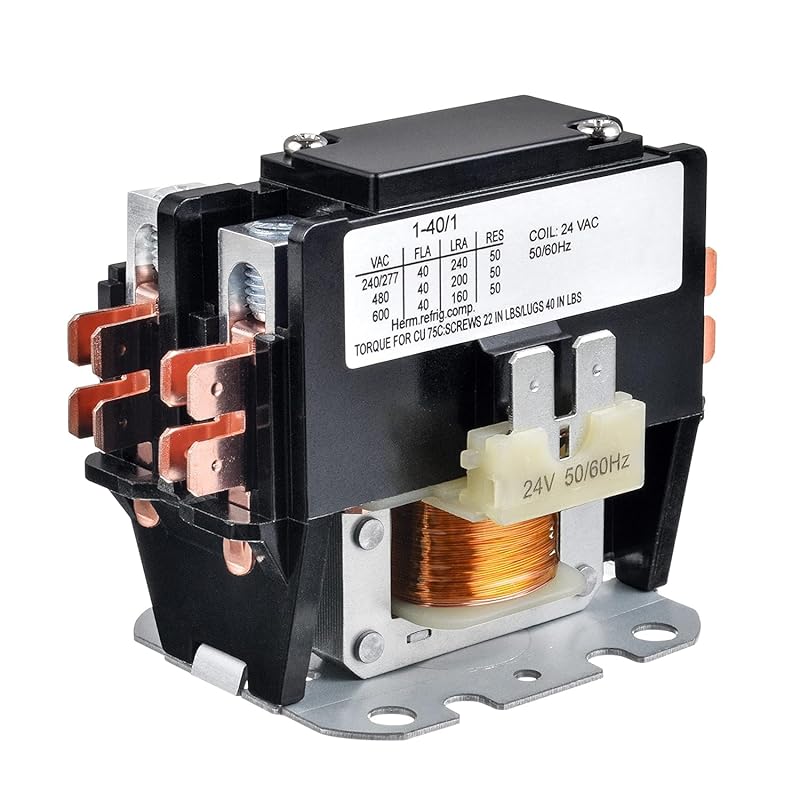
When it comes to keeping your home cool, comfortable, and energy-efficient during the sweltering summer months, few investments are as impactful as a high-quality air conditioning system. Among the most popular and effective options for medium to large homes is the 3.5-ton air conditioner. This capacity—equivalent to 42,000 BTUs per hour—is ideal for cooling spaces ranging from approximately 1,800 to 2,500 square feet, depending on climate, insulation, ceiling height, and sun exposure. Whether you’re replacing an aging unit or installing central air for the first time, choosing the right 3.5-ton AC can mean the difference between consistent comfort and skyrocketing utility bills.
That’s where this comprehensive buying guide comes in. We’ve crafted this expert-level resource to walk you through every critical decision point when selecting a 3.5-ton air conditioner. From understanding performance metrics like SEER2 ratings and compressor types to evaluating brand reliability, warranty coverage, and long-term operating costs, we’ll equip you with the knowledge needed to make a confident, informed purchase. The HVAC market is crowded with options—ranging from budget-friendly models to premium, smart-enabled systems—and navigating it without guidance can lead to overspending, underperformance, or premature breakdowns. By the end of this guide, you’ll know exactly what to prioritize based on your home’s needs, your climate zone, and your personal preferences.
The 3.5-ton AC segment is particularly competitive in 2026, with major manufacturers like Carrier, Trane, Lennox, Rheem, and Goodman introducing advanced features such as variable-speed compressors, Wi-Fi connectivity, enhanced filtration, and eco-friendly refrigerants. At the same time, federal efficiency standards have evolved, pushing minimum SEER2 ratings higher and phasing out older, less efficient models. This means today’s buyers have access to more sophisticated, durable, and energy-saving systems than ever before—but also face more complex choices. Whether you’re a first-time buyer or upgrading from an older unit, this guide will cut through the noise and help you find the perfect balance of performance, value, and longevity.

What to Look for When Buying Buying Guide
1. Budget & Price Range
Your budget is one of the most immediate and practical considerations when shopping for a 3.5-ton air conditioner. However, it’s crucial to view this not just as an upfront cost but as part of a long-term investment. A 3.5-ton AC system typically ranges from $3,500 to $8,000+ for the equipment and professional installation, with higher-end models pushing into the $10,000 range when paired with advanced thermostats or zoning systems. The price varies significantly based on brand, efficiency rating, features, and whether you’re replacing just the outdoor unit or doing a full system overhaul (including indoor coil and furnace/air handler).
While it’s tempting to opt for the lowest-priced option, doing so can backfire. Cheaper units often use single-stage compressors, lower-grade components, and outdated refrigerants, leading to higher energy bills, more frequent repairs, and shorter lifespans. On the other hand, overspending on features you don’t need—like ultra-premium smart controls in a rarely used guest house—can also be wasteful. Instead, aim for a mid-to-high-tier model that balances initial cost with long-term savings. For most homeowners, spending between $5,000 and $7,000 on a complete installation of a reputable brand with a SEER2 rating of 16 or higher offers the best return on investment over a 10–15 year lifespan.
2. Performance Specifications
Performance specs are the technical backbone of any air conditioner, and understanding them is essential for matching the unit to your home’s needs. The most critical metrics include:
– BTU Capacity: A 3.5-ton AC delivers 42,000 BTUs per hour. This is the standard measure of cooling power. Oversizing or undersizing can lead to poor humidity control, short cycling, or inadequate cooling. A professional load calculation (Manual J) should be performed to confirm 3.5 tons is appropriate for your space.
– SEER2 Rating: The Seasonal Energy Efficiency Ratio 2 (SEER2) measures how efficiently the unit operates over an entire cooling season. As of 2023, the federal minimum is 14 SEER2 for northern regions and 15 SEER2 for southern regions. Higher ratings (16–25+) indicate greater efficiency. For example, upgrading from a 14 SEER2 to an 18 SEER2 unit can reduce cooling costs by 20–25%, paying for itself over time in energy savings.
– Compressor Type: This is the heart of the AC system. Single-stage compressors run at full power or not at all, leading to temperature swings. Two-stage compressors offer low and high settings, improving comfort and efficiency. Variable-speed (or inverter-driven) compressors adjust output continuously, providing precise temperature control, superior humidity removal, and quieter operation. For a 3.5-ton system, variable-speed is ideal for larger homes or humid climates.
– Refrigerant Type: Most new systems use R-454B or R-32, which are lower-global-warming-potential (GWP) alternatives to the older R-410A. These newer refrigerants are more environmentally friendly and often required by 2025–2026 regulations. Ensure your chosen model uses an approved, future-proof refrigerant.
3. Build Quality & Durability
A 3.5-ton air conditioner is a long-term asset, so build quality directly impacts reliability and lifespan. Look for units constructed with heavy-gauge, galvanized steel cabinets with powder-coated finishes to resist rust and corrosion—especially important in coastal or humid environments. Internally, components like the evaporator coil, condenser coil, and fan motor should be made from durable materials such as copper tubing with enhanced fin designs for better heat transfer.
Pay attention to details like weather-resistant fan blades, protective grilles, and sealed electrical compartments. Premium models often include features like rust-proof base pans, sound-dampening insulation, and corrosion-resistant screws. Additionally, check the thickness of the insulation around refrigerant lines and electrical conduits—poor insulation can lead to energy loss and moisture buildup.
Brand reputation plays a role here, but even within brands, model tiers vary. For example, Carrier’s Infinity series uses higher-grade materials than their Performance line. Reading detailed product specifications and third-party durability reports (like those from Consumer Reports or AHRI) can reveal which models are built to last 15+ years with proper maintenance.
4. Features & Functionality
Modern 3.5-ton air conditioners come packed with features that enhance comfort, convenience, and efficiency. While not all are essential, some can significantly improve your experience:
– Smart Thermostat Compatibility: Many units now support Wi-Fi-enabled thermostats (like Nest, Ecobee, or Honeywell Home), allowing remote control, scheduling, and energy usage tracking via smartphone apps.
– Variable-Speed Blower Motors: When paired with a compatible air handler or furnace, these motors adjust airflow for consistent temperatures and better air filtration.
– Advanced Filtration: Look for systems that integrate with high-MERV filters (11–13) or whole-home air purifiers to reduce allergens, dust, and pollutants.
– Quiet Operation: Sound ratings are measured in decibels (dB). Top-tier models operate at 55–65 dB—quieter than a normal conversation. Features like sound blankets, compressor sound enclosures, and variable-speed fans contribute to lower noise levels.
– Diagnostic LEDs: Some units include onboard diagnostics that flash error codes, making troubleshooting easier for technicians and reducing downtime.
– Zoning Compatibility: If your home has multiple zones, ensure the AC can integrate with a zoning system for targeted cooling and energy savings.
While these features add cost, they often justify the investment through improved comfort, lower utility bills, and reduced service calls.
5. Brand Reputation
Not all HVAC brands are created equal. Established manufacturers with decades of experience—such as Carrier, Trane, Lennox, Rheem, and American Standard—tend to offer better engineering, wider dealer networks, and more reliable customer support. Carrier, in particular, is known for its innovation and consistency in the 3.5-ton segment, with models like the Carrier Infinity 24 and Performance 16 consistently ranking high in customer satisfaction.
However, brand reputation should be weighed alongside real-world performance. Some lesser-known brands (like Daikin or Mitsubishi for ducted systems) offer excellent technology at competitive prices. Conversely, even top brands have budget lines that may cut corners. Research customer reviews on trusted platforms (like BBB, HVAC-Talk, or Reddit’s r/hvacadvice) and look for patterns in complaints—especially regarding compressor failures, refrigerant leaks, or poor dealer support.
Also consider local availability. A brand with strong national recognition may have limited service coverage in your area, leading to longer repair times. Choose a brand with certified dealers nearby who offer prompt service and genuine parts.
6. Warranty & Support
Warranty terms can vary dramatically between manufacturers and even between models within the same brand. A standard warranty typically covers the compressor for 10 years, parts for 5–10 years, and labor for 1–2 years. However, some premium models offer extended warranties—up to 12 years on compressors—when registered within 90 days of installation.
Pay close attention to what’s included:
– Is the warranty transferable if you sell your home?
– Does it require annual maintenance to remain valid?
– Are labor costs covered, or only parts?
Carrier, for example, offers a 10-year parts and compressor warranty on most residential units, with optional extended coverage. Trane provides a similar 10-year compressor warranty but may require registration and proof of professional installation.
Additionally, evaluate the manufacturer’s customer support. Can you easily access technical documentation? Is there a 24/7 helpline? Do dealers respond promptly to service requests? A strong warranty is only valuable if the support behind it is reliable.
7. Size & Compatibility
While “3.5-ton” refers to cooling capacity, physical size and compatibility are equally important. The outdoor condenser unit must fit in your designated space, with adequate clearance for airflow (typically 24 inches on all sides). Measure the available area and compare it to the unit’s dimensions—some high-efficiency models are larger due to enhanced coils or sound-dampening features.
More critically, the AC must be compatible with your existing indoor system. If you’re replacing only the outdoor unit, the indoor coil (in your furnace or air handler) must match in terms of refrigerant type, size, and design. Mismatched systems can lead to inefficiency, reduced lifespan, and even equipment failure. A licensed HVAC technician should perform a system evaluation to ensure compatibility.
For new installations or full system replacements, consider upgrading to a matched system (outdoor unit + indoor coil + furnace/air handler) for optimal performance and warranty coverage.
8. User Reviews & Ratings
User reviews provide real-world insights that specifications alone cannot. Look for patterns in feedback across multiple platforms. Are customers reporting consistent cooling? How noisy is the unit at night? Have there been recurring issues with the thermostat or compressor?
Be cautious of overly positive or negative reviews—some may be biased or based on improper installation. Instead, focus on detailed reviews that mention specific experiences, such as “The variable-speed compressor keeps our upstairs cool without blasting cold air” or “We had to replace the capacitor twice in two years.”
Websites like Energy Star, AHRI (Air-Conditioning, Heating, and Refrigeration Institute), and manufacturer portals often include verified customer ratings. Additionally, local HVAC forums can offer region-specific advice—what works well in Arizona may not suit Minnesota’s climate.
Different Types of Buying Guide

Common Buying Mistakes to Avoid
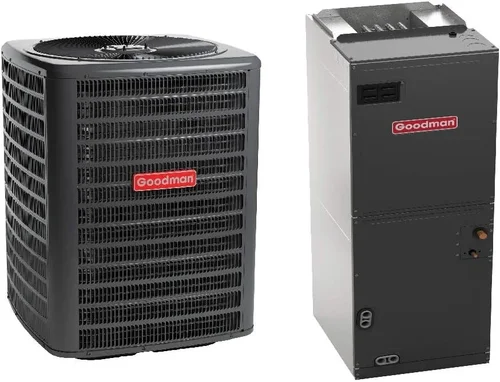
❌ Mistake: Choosing Based on Price Alone
Why it’s bad: The cheapest 3.5-ton AC may save you $1,000 upfront but cost you twice as much in energy bills and repairs over its lifespan. Low-cost units often use inferior compressors and lack advanced efficiency features.
What to do instead: Calculate the total cost of ownership, including estimated annual energy use. Use the Department of Energy’s calculator or consult your utility company for local rates. Aim for a balance between initial cost and long-term savings.
❌ Mistake: Skipping the Load Calculation
Why it’s bad: Assuming “3.5 tons is standard for my size home” can lead to oversizing or undersizing. An oversized unit short-cycles, wasting energy and failing to dehumidify properly. An undersized unit runs constantly, increasing wear and failing to cool adequately.
What to do instead: Require a Manual J load calculation from your HVAC contractor. This considers square footage, insulation, window orientation, local climate, and more to determine the correct tonnage.
❌ Mistake: Ignoring SEER2 Ratings
Why it’s bad: A 14 SEER2 unit may meet minimum code but will cost significantly more to operate than a 18 SEER2 model. In hot climates, the difference can exceed $200 per year.
What to do instead: Aim for at least 16 SEER2, and consider 18+ if you live in the South or Southwest. Use the payback period formula: (Price Difference) ÷ (Annual Savings) = Years to Break Even.
❌ Mistake: Not Checking Compatibility
Why it’s bad: Pairing a new outdoor unit with an old indoor coil can cause refrigerant mismatch, reduced efficiency, and voided warranties.
What to do instead: Have a technician verify that your existing coil is compatible or recommend a matched system. If replacing the furnace or air handler, ensure it supports the AC’s airflow requirements.
❌ Mistake: Overlooking Installation Quality
Why it’s bad: Even the best AC will underperform if installed incorrectly—improper refrigerant charge, poor duct sealing, or incorrect electrical connections can reduce efficiency by 20% or more.
What to do instead: Hire NATE-certified technicians with good reviews. Ask about their installation process, including duct inspection, refrigerant testing, and system commissioning.
❌ Mistake: Neglecting Maintenance Requirements
Why it’s bad: Skipping annual maintenance leads to clogged filters, dirty coils, and refrigerant leaks, shortening the unit’s life and increasing energy use.
What to do instead: Schedule professional tune-ups yearly and change filters every 1–3 months. Consider a maintenance plan from your installer.
❌ Mistake: Not Researching Local Incentives
Why it’s bad: You could miss out on rebates, tax credits, or low-interest financing for high-efficiency units.
What to do instead: Check the Database of State Incentives for Renewables & Efficiency (DSIRE) or your utility company’s website. Federal tax credits may cover 30% of the cost for qualifying systems.
Budget Guidelines: How Much Should You Spend?
– Entry-Level ($3,500–$5,000): These are typically single-stage or basic two-stage units from reputable brands. Expect 14–16 SEER2 ratings, standard warranties, and minimal smart features. Best for mild climates or budget-constrained buyers who plan to move within 5–7 years. Examples include Goodman GSX14 or Rheem RA14.
– Mid-Range ($5,000–$6,500): This is the sweet spot for most homeowners. You’ll find two-stage or entry-level variable-speed models with 16–18 SEER2 ratings, better build quality, and improved warranties. Brands like Carrier Performance or Trane XR offer excellent reliability and efficiency in this range.
– Premium ($6,500–$8,500): For those prioritizing comfort and efficiency, premium models feature variable-speed compressors, advanced filtration, Wi-Fi connectivity, and 18–22 SEER2 ratings. These units operate quietly, maintain consistent temperatures, and offer significant energy savings. Carrier Infinity or Lennox Merit series are strong contenders.
– Luxury ($8,500+): Top-tier systems include features like zoning compatibility, ultra-quiet operation (under 55 dB), extended 12-year warranties, and integration with whole-home automation. Ideal for large homes, tech enthusiasts, or those in extreme climates. Models like the Carrier Infinity 24 or Trane XV20i represent the pinnacle of residential cooling.
Expert Tips for Getting the Best Deal
– Buy During Off-Peak Seasons: Late fall and early winter offer the best deals as demand drops. Contractors often discount inventory and may include free upgrades or extended warranties.
– Bundle with Furnace or Air Handler: If you need a new furnace or air handler, bundling with your AC can save 10–20% compared to buying separately.
– Negotiate Installation Costs: Labor can vary widely. Ask if the quote includes duct modifications, electrical work, or permits—and negotiate package pricing.
– Look for Utility Rebates: Many utilities offer $200–$800 rebates for high-efficiency AC installations. These can significantly reduce your net cost.
– Verify Contractor Credentials: Ensure they’re licensed, insured, and NATE-certified. Check reviews on Google, Yelp, and the BBB.
– Read the Fine Print on Warranties: Some require registration within 30–90 days. Others void coverage if maintenance isn’t documented.
– Consider Financing Options: Many dealers offer 0% APR financing for 12–24 months. This can ease cash flow without added cost.
– Test the System Post-Installation: After installation, verify that the system cools evenly, the thermostat responds correctly, and there are no unusual noises or leaks.

Frequently Asked Questions
Q: How long does a 3.5-ton air conditioner last?
A: With proper maintenance, most 3.5-ton AC units last 12–15 years. High-quality models from top brands can exceed 15 years, especially in moderate climates. Regular filter changes, annual tune-ups, and keeping the outdoor unit clean are key to longevity.
Q: Can I install a 3.5-ton AC myself?
A: No. Air conditioning installation requires EPA Section 608 certification to handle refrigerants, as well as electrical and mechanical expertise. Improper installation can be dangerous, void warranties, and reduce efficiency. Always hire a licensed professional.
Q: Is a higher SEER2 rating always better?
A: Not always. While higher SEER2 means greater efficiency, the cost difference may not justify the savings unless you live in a hot climate or plan to stay in your home long-term. Calculate the payback period to determine if the upgrade is worth it.
Q: What size breaker does a 3.5-ton AC need?
A: Typically, a 3.5-ton AC requires a 60-amp double-pole breaker, but this depends on the unit’s voltage (usually 208/230V) and electrical specifications. Your installer will confirm the correct size based on the model and local codes.
Q: How much does it cost to run a 3.5-ton AC per month?
A: This varies by climate, usage, and electricity rates. On average, a 3.5-ton AC uses 3–5 kWh per hour. In a hot climate running 8 hours daily at $0.12/kWh, monthly costs range from $85 to $170. Higher SEER2 units will be on the lower end.
Q: Can I use a 3.5-ton AC with my existing ductwork?
A: Possibly, but a ductwork evaluation is essential. Leaky, undersized, or poorly insulated ducts can reduce efficiency by 20–40%. Your contractor should perform a duct leakage test and recommend sealing or resizing if needed.
Q: What’s the difference between R-410A and R-454B?
A: R-410A is being phased out due to its high global warming potential. R-454B is a newer, more environmentally friendly refrigerant with similar performance but lower environmental impact. New systems in 2026 will primarily use R-454B or R-32.
Q: Should I get a smart thermostat with my new AC?
A: Yes, if your budget allows. Smart thermostats improve comfort, enable remote control, and can reduce energy use by 10–15% through scheduling and learning your habits. Ensure compatibility with your AC model.
Q: What happens if my AC is oversized?
A: An oversized 3.5-ton unit will cool your home quickly but won’t run long enough to remove humidity, leading to a cold, clammy feeling. It will also short-cycle, increasing wear and energy use. Proper sizing is critical.
Q: Are there tax credits for new AC units in 2026?
A: Yes, under the Inflation Reduction Act, homeowners may qualify for a 30% tax credit (up to $600) for qualified central air conditioners with SEER2 ratings of 16 or higher. Check IRS guidelines for current eligibility.
Our Final Recommendations
– Best for Budget-Conscious Buyers: Carrier Performance 16 – Offers reliable two-stage cooling, 16 SEER2 efficiency, and a solid 10-year warranty at a competitive price. Ideal for those wanting quality without premium features.
– Best Overall Value: Trane XR17 – Combines variable-speed technology, 18 SEER2 efficiency, and exceptional durability. Excellent customer reviews and strong dealer support make this a top pick for most homes.
– Best Premium Option: Carrier Infinity 24 – Features a variable-speed inverter compressor, ultra-quiet operation (56 dB), and advanced smart controls. Perfect for large homes or those prioritizing comfort and efficiency.
– Best for Beginners: Goodman GSX16 – Simple, reliable, and affordable. With a 16 SEER2 rating and 10-year compressor warranty, it’s a great entry point for first-time buyers.
– Best for Advanced Users: Lennox XC25 – Boasts up to 26 SEER2, Precision Comfort technology, and integration with Lennox iComfort smart systems. Ideal for tech-savvy homeowners seeking maximum control and efficiency.
Conclusion: Making the Right Choice
Choosing the right 3.5-ton air conditioner is about more than just cooling your home—it’s about investing in long-term comfort, energy efficiency, and peace of mind. By understanding key factors like SEER2 ratings, compressor types, build quality, and warranty terms, you can navigate the market with confidence. Avoid common pitfalls like oversizing, skipping load calculations, or prioritizing price over performance.
Remember, the best AC for you depends on your specific needs: your home’s size and layout, your climate, your budget, and how long you plan to stay. Take the time to get multiple quotes, ask detailed questions, and prioritize quality installation. A well-chosen 3.5-ton system will keep your home cool for over a decade while saving you money on energy bills.
Use this guide as your roadmap. Whether you’re upgrading from an old unit or installing central air for the first time, the right decision today will pay dividends in comfort and savings for years to come. Don’t rush—invest wisely, and enjoy the cool, quiet, and efficient comfort you deserve.