
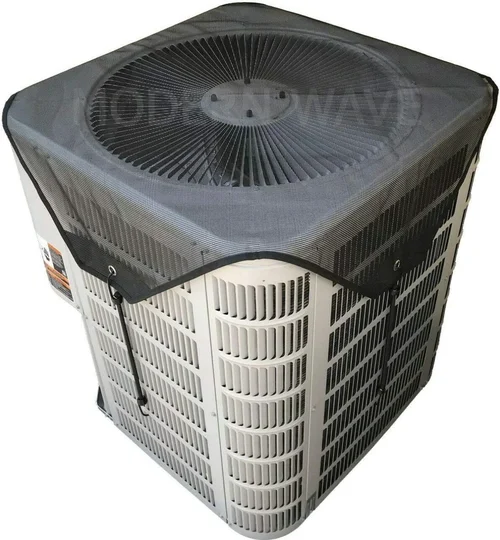
When it comes to staying cool during sweltering summer months, few appliances are as essential as an air conditioner. But with so many brands, models, and technologies on the market, choosing the right one can feel overwhelming. That’s where this comprehensive buying guide comes in. Whether you’re replacing an old unit, upgrading for better efficiency, or buying your first AC system, this guide is designed to cut through the noise and help you make a smart, informed decision. We’ll walk you through everything from performance specs and energy efficiency to installation considerations and long-term maintenance—so you can find the perfect air conditioner that fits your home, lifestyle, and budget.
In 2026, the air conditioning market continues to evolve rapidly. Innovations in inverter technology, smart home integration, and eco-friendly refrigerants are making modern units more efficient, quieter, and easier to use than ever before. Carrier, one of the most trusted names in HVAC, remains a top contender with a reputation for reliability and advanced engineering. However, they’re not the only player in the game. This guide doesn’t just focus on Carrier—it gives you the tools to compare all major brands and models objectively. By the end, you’ll know exactly what to look for, what to avoid, and how to get the best value for your investment.

What to Look for When Buying Buying Guide
1. Budget & Price Range
Your budget is the foundation of any major appliance purchase, and air conditioners are no exception. Prices can range from under $200 for a basic window unit to over $5,000 for a high-end central air system with smart features and professional installation. The key is to balance upfront cost with long-term value. A cheaper unit might save you money now but could cost more in energy bills and repairs down the line.
When setting your budget, consider not just the purchase price but also installation fees, electrical upgrades, and potential ductwork modifications. For example, a central air system from Carrier may cost $4,000–$6,000 installed, while a comparable ductless mini-split could run $3,000–$5,000. Window units are the most affordable upfront but are typically limited to cooling single rooms and may not be suitable for larger homes.
2. Performance Specifications
Performance is measured in several key metrics, with BTU (British Thermal Units) being the most important. BTU indicates how much heat an AC unit can remove per hour. Choosing the right BTU rating for your space is critical—too low, and the unit will struggle to cool; too high, and it will cycle on and off too frequently, wasting energy and reducing comfort.
As a general rule, you’ll need about 20 BTUs per square foot of living space. For example, a 300-square-foot room requires a 6,000 BTU unit, while a 1,500-square-foot home may need a 3-ton (36,000 BTU) central system. However, other factors like ceiling height, insulation quality, sun exposure, and climate can affect this calculation. A south-facing room with large windows may need 10–20% more BTUs than a shaded, well-insulated space.
Other performance specs to consider include SEER (Seasonal Energy Efficiency Ratio), which measures cooling output divided by energy input over a typical cooling season. Higher SEER ratings mean greater efficiency. In 2026, the minimum SEER standard in the U.S. is 14 for northern regions and 15 for southern regions, but many modern units—especially from Carrier—offer SEER ratings of 18 or higher.
3. Build Quality & Durability
An air conditioner is a long-term investment, so build quality matters. Look for units made with corrosion-resistant materials, especially if you live in a humid or coastal area. Carrier, for instance, uses galvanized steel cabinets with powder-coated finishes to resist rust and extend lifespan. Internal components like compressors and coils should also be robust—scroll compressors, for example, are more durable and quieter than traditional reciprocating types.
Check the warranty length and coverage. A longer warranty often indicates confidence in the product’s durability. Carrier typically offers 10-year compressor warranties on their higher-end models, which is a strong sign of reliability. Also, consider the unit’s expected lifespan: central air systems last 15–20 years with proper maintenance, while window units may only last 8–12 years.
Durability also extends to the installation. A poorly installed unit—even a high-quality one—can suffer from leaks, inefficiency, and premature failure. Always hire a licensed HVAC technician, especially for central or ductless systems.
4. Features & Functionality
Modern air conditioners come packed with features that enhance comfort, convenience, and energy savings. Here are some of the most valuable ones to look for:
- Inverter Technology: Unlike traditional on/off compressors, inverter-driven units adjust their speed based on cooling demand. This results in more consistent temperatures, lower energy use, and quieter operation. Carrier’s Infinity series uses advanced inverters for superior performance.
- Smart Controls: Wi-Fi-enabled units allow you to control your AC remotely via smartphone apps. You can adjust temperature, set schedules, and monitor energy usage from anywhere. Carrier’s Côr thermostat integrates seamlessly with their smart AC systems.
- Air Filtration: High-efficiency particulate air (HEPA) filters, activated carbon filters, and UV lights can improve indoor air quality by trapping allergens, odors, and bacteria. This is especially important for households with asthma or allergy sufferers.
- Quiet Operation: Look for units with low decibel (dB) ratings. Many Carrier models operate at 50 dB or less—quieter than a normal conversation. This is crucial for bedrooms or home offices.
- Zoning Capabilities: Ductless mini-splits and some central systems allow you to cool different areas independently, saving energy by not cooling unused rooms.
While features add convenience, avoid “feature bloat”—don’t pay extra for functions you won’t use. Focus on what aligns with your lifestyle and needs.
5. Brand Reputation
Brand reputation is a strong indicator of reliability, customer service, and long-term support. Carrier, founded in 1915, is one of the most established names in HVAC and is often praised for its innovation and durability. Other reputable brands include Trane, Lennox, Rheem, and Daikin. Each has its strengths: Trane is known for ruggedness, Lennox for efficiency, and Daikin for advanced inverter technology.
When evaluating brands, look beyond marketing claims. Check third-party reviews on sites like Consumer Reports, HVAC-Talk, and the Better Business Bureau. Pay attention to customer service experiences—how easy is it to get parts, schedule repairs, or file warranty claims? A brand with a strong local dealer network, like Carrier, often provides better support than online-only sellers.
Also consider regional availability. Some brands dominate certain markets. For example, Carrier and Trane are widely available across the U.S., while Fujitsu and Mitsubishi are more common in areas with high adoption of ductless systems.
6. Warranty & Support
A solid warranty can save you thousands in repair costs over the life of your unit. Most manufacturers offer a standard 5-year parts warranty and a 10-year compressor warranty on premium models. Carrier often extends this with optional registration, and some dealers offer additional labor coverage.
Read the fine print: warranties may be voided if the unit is installed by an unlicensed technician or if maintenance records are missing. Regular servicing—like coil cleaning and refrigerant checks—is usually required to keep the warranty valid.
Support also includes availability of replacement parts and service technicians. Established brands like Carrier have extensive dealer networks, making it easier to find help when you need it. Avoid obscure or imported brands that may discontinue models or lack local support.
7. Size & Portability
Size matters—not just in terms of physical dimensions, but also in how well the unit fits your space and usage needs. Window and portable ACs are compact and easy to install, making them ideal for renters or small apartments. However, they take up window space and may not be aesthetically pleasing.
Central air systems require ductwork and professional installation but provide whole-home cooling. Ductless mini-splits offer a middle ground: they’re wall-mounted, don’t require ducts, and can cool multiple rooms with individual units. Carrier’s ductless systems are known for their sleek design and quiet operation.
Portability is another factor. Portable ACs can be moved from room to room, but they’re less efficient and often noisier. If you need flexibility, consider a dual-hose portable model, which draws in outdoor air for better performance.
Always measure your space before buying. A unit that’s too small won’t cool effectively; one that’s too large will waste energy and create humidity issues.
8. User Reviews & Ratings
User reviews provide real-world insights that specs and marketing materials can’t match. Look for patterns in feedback: if multiple users report the same issue—like frequent breakdowns or poor customer service—it’s a red flag. Conversely, consistent praise for quiet operation or energy savings is a good sign.
Check multiple sources: Amazon, Home Depot, Google Reviews, and HVAC forums. Be wary of overly positive or negative reviews that seem fake. Look for detailed reviews that mention specific use cases, like “cooled my 400 sq ft bedroom perfectly” or “struggled during a heatwave.”
Pay attention to long-term reviews. A unit might work great for the first year but develop problems later. Sites like Consumer Reports often test units over extended periods, providing more reliable data.
Different Types of Buying Guide

Common Buying Mistakes to Avoid
❌ Mistake: Buying Based Solely on Price
Why it’s bad: The cheapest option often comes with hidden costs—higher energy bills, frequent repairs, and shorter lifespan. A $200 window unit might seem like a steal, but if it uses twice as much electricity as a $500 model, you’ll pay more in the long run.
What to do instead: Focus on total cost of ownership, including energy efficiency, maintenance, and expected lifespan. Use the SEER rating and Energy Star certification to compare long-term savings.
❌ Mistake: Ignoring Proper Sizing
Why it’s bad: An oversized unit cycles on and off too frequently, leading to poor humidity control, wear and tear, and wasted energy. An undersized unit runs constantly, struggling to cool and increasing utility bills.
What to do instead: Use a BTU calculator or consult an HVAC professional. Consider factors like insulation, window size, and climate. For central systems, a Manual J load calculation is the gold standard.
❌ Mistake: Skipping Professional Installation
Why it’s bad: DIY installation can lead to refrigerant leaks, electrical hazards, and voided warranties. Even experienced homeowners can make critical mistakes with ductwork or electrical connections.
What to do instead: Always hire a licensed HVAC technician, especially for central or ductless systems. Many manufacturers require professional installation to honor the warranty.
❌ Mistake: Overlooking Energy Efficiency
Why it’s bad: A low-SEER unit may save money upfront but cost hundreds more annually in electricity. In hot climates, this can add up quickly.
What to do instead: Aim for a SEER rating of 16 or higher. Look for Energy Star certification, which indicates top-tier efficiency. Calculate potential savings using your local electricity rate.
❌ Mistake: Not Considering Noise Levels
Why it’s bad: A noisy unit can disrupt sleep, work, and relaxation. Window and portable ACs are often the loudest, with some exceeding 60 dB.
What to do instead: Check the decibel rating before buying. Look for units under 55 dB for bedrooms. Inverter models and ductless systems are typically quieter.
❌ Mistake: Ignoring Maintenance Requirements
Why it’s bad: Neglecting filter changes, coil cleaning, and annual servicing reduces efficiency, shortens lifespan, and can void warranties.
What to do instead: Choose a unit with easy-access filters and schedule regular maintenance. Many smart thermostats can remind you when it’s time to service your system.
❌ Mistake: Not Researching Local Climate Needs
Why it’s bad: A unit optimized for mild climates may struggle in extreme heat or humidity. Conversely, over-engineered systems are unnecessarily expensive.
What to do instead: Consider your region’s typical summer temperatures and humidity levels. In humid areas, look for units with strong dehumidification. In hot, dry climates, focus on high BTU and SEER ratings.
Budget Guidelines: How Much Should You Spend?
- Entry-Level ($150 – $600): Best for small spaces or temporary cooling. Includes basic window and portable units. Expect lower efficiency (SEER 8–12), limited features, and shorter lifespans. Ideal for renters or supplemental cooling.
- Mid-Range ($600 – $2,500): The sweet spot for most homeowners. Includes higher-efficiency window units, single-zone ductless systems, and basic central air. Look for SEER 14–18, smart features, and better build quality. Carrier’s Comfort series fits here.
- Premium ($2,500 – $5,000): For those prioritizing efficiency, comfort, and smart integration. Includes multi-zone ductless systems, high-SEER central air, and advanced filtration. Carrier’s Performance and Infinity lines are in this tier.
- Luxury ($5,000+): Top-tier systems with maximum efficiency (SEER 20+), zoning, smart controls, and premium materials. Often include heat pump functionality and professional design integration. Best for large homes or those seeking long-term savings.
Expert Tips for Getting the Best Deal
- Buy During Off-Season: Prices are lowest in fall and winter when demand drops. Many dealers offer discounts to clear inventory before the summer rush.
- Look for Rebates and Incentives: Check with your utility company and the federal government for energy-efficient appliance rebates. The Inflation Reduction Act offers tax credits for qualifying HVAC systems.
- Compare Total Installation Costs: Some retailers advertise low unit prices but charge high installation fees. Get itemized quotes to compare apples to apples.
- Negotiate with Dealers: HVAC dealers often have flexibility on pricing, especially during slow periods. Ask about package deals or financing options.
- Check Return and Exchange Policies: Ensure you can return or exchange the unit if it doesn’t perform as expected. Some online retailers offer 30-day trials.
- Test Before Committing: If possible, visit a showroom to see and hear the unit in action. Listen for noise levels and check the build quality.
- Read the Warranty Carefully: Understand what’s covered, for how long, and what voids it. Register your product promptly to activate extended coverage.
- Consider Financing: Many dealers offer 0% APR financing for 12–24 months. This can make a premium system more affordable without upfront strain.

Frequently Asked Questions
Q: Is Carrier the best air conditioner brand?
A: Carrier is one of the most reputable and reliable brands, especially for central and ductless systems. They offer excellent build quality, advanced features, and strong warranties. However, “best” depends on your needs—other brands like Trane, Lennox, and Daikin may be better for specific applications or budgets.
Q: How long do air conditioners last?
A: Central air systems typically last 15–20 years with proper maintenance. Window units last 8–12 years, while ductless mini-splits can exceed 20 years. Regular servicing and clean filters extend lifespan.
Q: Can I install an air conditioner myself?
A: Window and portable units can often be installed by homeowners. However, central and ductless systems require licensed professionals due to electrical, refrigerant, and ductwork complexities. DIY installation may void warranties.
Q: What’s the difference between SEER and SEER2?
A: SEER2 is the updated efficiency standard introduced in 2023. It uses more realistic testing conditions, so SEER2 ratings are about 5% lower than equivalent SEER ratings. A SEER2 14 is roughly equal to a SEER 15.
Q: Do I need a permit to install an air conditioner?
A: In most areas, yes—especially for central or ductless systems. Permits ensure the installation meets local building and electrical codes. Your HVAC contractor should handle this.
Q: How often should I change the air filter?
A: Every 1–3 months, depending on usage and filter type. Dirty filters reduce airflow, strain the system, and increase energy use.
Q: Can an air conditioner improve indoor air quality?
A: Yes, especially models with advanced filtration. HEPA filters, UV lights, and activated carbon can remove allergens, bacteria, and odors. Pair with a good ventilation system for best results.
Q: Are smart air conditioners worth it?
A: If you value convenience and energy savings, yes. Smart features let you control your AC remotely, set schedules, and monitor usage. Over time, this can reduce energy bills by 10–15%.
Q: What’s the best type of AC for a small apartment?
A: A ductless mini-split or a high-efficiency window unit. Mini-splits offer quiet, zoned cooling without ductwork, while window units are affordable and easy to install.
Q: How do I know if my home needs ductwork?
A: If you have a central heating system, you likely have ducts. If not, a ductless system or window/portable units may be better. An HVAC professional can assess your home.
Our Final Recommendations
- Best for Budget-Conscious Buyers: Frigidaire FFRA051WAE Window Unit – Reliable, energy-efficient, and under $300. Great for small rooms.
- Best Overall Value: Carrier Infinity 20 Heat Pump – High SEER (up to 20.5), quiet operation, and smart controls. Ideal for whole-home comfort.
- Best Premium Option: Lennox XC25 Central Air – Top-tier efficiency (SEER 26), ultra-quiet, and excellent air filtration.
- Best for Beginners: Midea U-Shaped Window AC – Easy installation, quiet, and affordable. Perfect for first-time buyers.
- Best for Advanced Users: Daikin Aurora Ductless System – Advanced inverter technology, zoning, and app control. Great for tech-savvy homeowners.
Conclusion: Making the Right Choice
Choosing the right air conditioner isn’t just about staying cool—it’s about comfort, efficiency, and long-term value. By considering factors like budget, performance, build quality, and features, you can find a system that fits your home and lifestyle. Avoid common pitfalls like improper sizing or skipping professional installation, and always prioritize energy efficiency to save money and reduce environmental impact.
Whether you go with a trusted brand like Carrier or explore other top performers, the key is to do your research and plan ahead. Use this guide as your roadmap, and don’t hesitate to consult HVAC professionals for personalized advice. With the right air conditioner, you’ll enjoy reliable cooling for years to come—no matter how hot it gets outside.
Take the time to compare options, read reviews, and ask questions. Your comfort—and your wallet—will thank you.

