Ever wonder why your AC isn’t cooling as effectively as you’d like, or why your energy bills are skyrocketing? Often, it’s not just the unit itself but where it’s placed. Choosing the best location for air conditioner isn’t just about sticking it where it fits; it’s a strategic move to maximize efficiency, comfort, and save you money. A perfectly positioned air conditioner can transform a stuffy room into a cool oasis, making all the difference on those scorching summer days.
In this guide, we’ll dive into the optimal placement strategies for various types of AC units, helping you get the most out of your cooling investment. We’ll also review five top-notch air conditioners, ranging from window units to portables, showcasing their features and discussing how their design might influence their ideal spot in your home. Let’s get started and beat the heat smartly!
Why AC Placement Matters for Optimal Cooling and Energy Efficiency
Before we jump into specific product reviews, let’s talk about why the best location for air conditioner is so crucial. Think of it this way: your AC unit works hard to cool a space, and its effectiveness is heavily influenced by its surroundings. Poor AC placement can lead to:
- Reduced Cooling Performance: If the unit struggles against external heat sources or poor airflow, it won’t cool the room efficiently.
- Higher Energy Bills: A struggling AC has to run longer and harder, consuming more electricity and costing you more cash.
- Uneven Cooling: You might find one part of the room chilly while another remains warm, creating uncomfortable hotspots.
- Increased Wear and Tear: Overworking your unit can shorten its lifespan, leading to costly repairs or premature replacement.
Considering factors like airflow direction, proximity to heat sources, and room layout are key for maximizing cooling and ensuring your unit runs at peak performance.
General Tips for the Best Air Conditioner Placement
Whether you’re dealing with a window unit or a portable AC, these general guidelines will help you find the sweet spot:
- Avoid Direct Sunlight: Placing an AC unit in direct sunlight, especially the side that faces outdoors, can make it work harder to dissipate heat. If unavoidable, consider external shading.
- Ensure Good Airflow: Don’t obstruct the unit’s vents or coils. Keep curtains, furniture, and other items away from the AC to allow for unimpeded airflow. For portable units, make sure the exhaust hose has a clear path out.
- Central Location (When Possible): For window units, a centrally located window in the room can help distribute cool air more evenly. For portable units, place them in the largest area they need to cool.
- Away from Heat Sources: Keep your AC away from heat-generating appliances like TVs, lamps, ovens, or even large windows that let in a lot of sun. Your unit will try to cool these heat sources first, wasting energy.
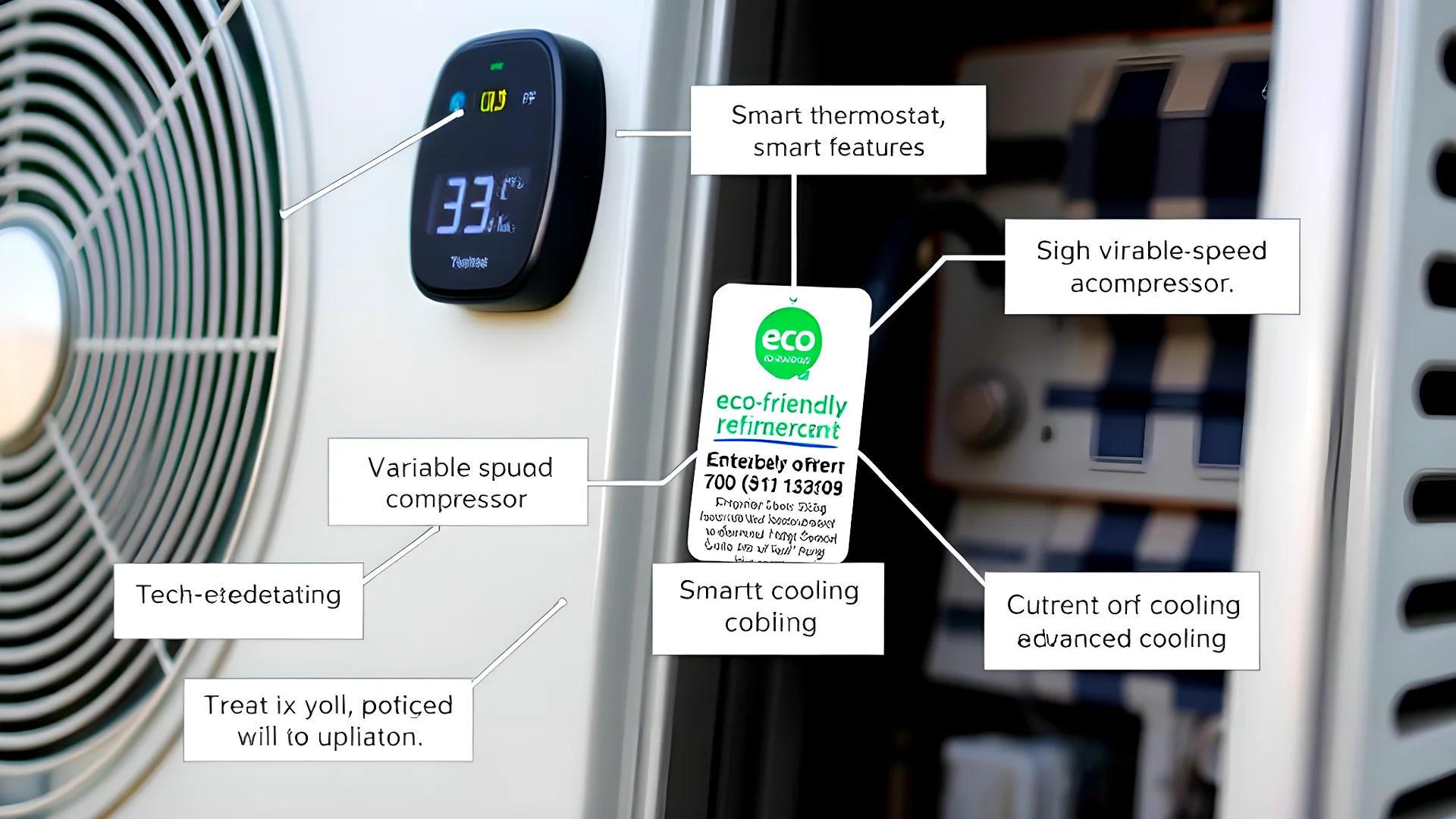
- Check Your Thermostat (for Central & Smart Units): If you have a smart AC or central air, make sure the thermostat isn’t located near a heat source or in direct sunlight, as this can trick it into thinking the room is warmer than it is, leading to overcooling.
Now, let’s look at some excellent air conditioner options and how their design might influence their ideal placement.
Product Reviews: Our Top 5 Air Conditioner Picks
Midea 12,000 BTU Smart Inverter Air Conditioner Window Unit

This Midea window unit stands out not just for its powerful 12,000 BTU cooling, but for its multi-season versatility and smart inverter technology. It’s designed to not only cool rooms up to 550 sq. ft. but also provides supplemental heat for cooler fall days, making it a true year-round comfort solution. The ultra-low noise performance means it won’t be a distraction, even during Zoom calls or a quiet night’s sleep, which is a huge plus when considering the best location for air conditioner in a bedroom or office.
Key Features:
* Multi-Season Comfort: Cooling, dehumidification, and supplemental heat (above 41°F).
* SmartHome App & Voice Control: Compatible with Alexa and Google Assistant.
* Energy Star Certified: Variable-speed inverter technology for up to 35% energy savings.
* Ultra Low Noise: Operates as low as 45 dBA.
* Easy to Use: LED display, 5 modes, 3 speed settings, 24-hr timer, ECO mode, swing function.
Pros:
* Highly energy-efficient with inverter technology.
* Extremely quiet operation.
* Offers both cooling and heating functions.
* Smart control options for convenience.
* Covers large room sizes effectively.
Cons:
* Heat pump function has a lower temperature limit (41°F).
* Window installation required.
User Impressions: Customers frequently praise this Midea unit for its incredibly quiet operation and its impressive energy efficiency, noting significant reductions in their electricity bills. The smart features are also a big hit, allowing for convenient control from anywhere. Many appreciate its dual cooling and heating capability, making it a valuable addition for various seasons.
BLACK+DECKER Portable Air Conditioner 8,000 BTU (5,100 BTU

For those who need cooling flexibility, this BLACK+DECKER portable AC unit is a fantastic choice, offering 8,000 BTUs of cooling power alongside fan and dehumidifier functions. Its compact design and easy mobility thanks to built-in casters make it simple to move between rooms. This makes it a great option if you can’t install a window unit or if you want to cool different areas at different times, offering flexibility in finding the best location for air conditioner as your needs change.
Key Features:
* 3-in-1 Functionality: AC, fan, and dehumidifier.
* Smart Device Integration: Works with a dedicated app, Alexa, and Google Assistant.
* Easy Mobility: Casters for effortless movement between rooms.
* Washable Filter: Removable for easy cleaning and maintenance.
* Convenient Controls: Electronic controls with digital display, 24-hour timer, remote control.
Pros:
* Highly portable and easy to move.
* Smart home compatible for remote control.
* Simple installation with included window kit.
* Functions as an AC, fan, and dehumidifier.
Cons:
* Requires window access for exhaust hose.
* Lower BTU output compared to some window units.
User Impressions: Reviewers often highlight the BLACK+DECKER portable unit’s convenience and ease of setup. The smart features and remote control are frequently mentioned as game-changers for hands-free operation. Users appreciate its ability to quickly cool smaller to medium-sized rooms and its effectiveness as a dehumidifier.
Dreo Portable Air Conditioners, 12,000 BTU AC Unit for

The Dreo AC515S brings serious cooling power to the portable market with a massive 12,000 BTU ASHRAE capacity, capable of reaching up to 16 ft. What truly sets it apart is its new noise isolation system, reducing operation down to a minimum of 46dB – impressively quiet for a portable unit. This quiet operation, combined with its smart control features, makes it ideal for bedrooms and offices where noise levels are a critical factor in determining the best location for air conditioner.
Key Features:
* Massive Cooling Power: 12,000 BTU ASHRAE, reaches up to 16 ft.
* 3-in-1 Mode: Cooling, dehumidifying, and fan control.
* Ultra-Quiet Operation: Noise isolation system reduces sound to 46dB.
* Drainage-Free System: Self-evaporating design reduces drainage needs by 90%.
* Smart Control: Compatible with Amazon Alexa, Google Home, and Dreo App.
Pros:
* Exceptional cooling capacity for a portable unit.
* Remarkably quiet operation for bedrooms/offices.
* Minimal drainage required in most conditions.
* Full smart control capabilities.
* Versatile 3-in-1 functionality.
Cons:
* Still requires window venting for the exhaust hose.
* Drain hose needed for very high humidity environments.
User Impressions: Customers rave about the Dreo’s impressive cooling strength, noting how quickly it can cool down a room. The quiet operation is a consistent highlight, making it a popular choice for sleeping and working environments. Many also appreciate the self-evaporating system, reducing the hassle of frequent draining.
BLACK+DECKER Portable Air Conditioner, 8,000 BTU (3,950 BTU

Another solid offering from BLACK+DECKER, this 8,000 BTU portable AC focuses on user convenience and compact design. Perfect for rooms up to 400 sq. ft., it’s a great choice for smaller bedrooms or personal spaces. Its “FOLLOW ME” remote control acts as a thermostat, ensuring precise temperature regulation wherever you are in the room, which directly influences the best location for air conditioner within a specific zone. Casters and side handles make moving it around incredibly easy.
Key Features:
* Three-in-One Unit: Functions as an AC, dehumidifier, and fan.
* FOLLOW ME Remote: Remote acts as a thermostat for precise temperature control.
* Easy Mobility: Casters and side handles for simple room-to-room transport.
* Compact Design: Ideal for rooms up to 400 sq. ft.
* User-Friendly: Top-mounted control panel with LED display, full function remote.
Pros:
* “FOLLOW ME” remote ensures personalized comfort.
* Extremely easy to move between rooms.
* Simple installation with included window kit.
* Compact size for smaller spaces.
Cons:
* Lower BTU (SACC) rating means it’s best for smaller rooms.
* Exhaust hose still requires window access.
User Impressions: Users frequently commend this BLACK+DECKER model for its compact size and powerful cooling for its rating. The “FOLLOW ME” remote is a standout feature, providing accurate temperature sensing right where the user is. Its portability is also a major plus, making it a versatile option for cooling different rooms.
Midea Duo 14,000 BTU (12,000 BTU SACC) High Efficiency

The Midea Duo is a game-changer in the portable AC market, boasting an innovative dual hose-in-hose design that prevents hot outside air from seeping in – a common issue with single-hose portables. Combined with variable-speed inverter technology, this 14,000 BTU unit offers more than 40% energy savings and cools more than 2x faster and stronger. With both cooling and heating functions, smart controls, and whisper-quiet operation, it’s a premium solution that can be placed with confidence, knowing its advanced design minimizes typical portable AC placement challenges. When considering the best location for air conditioner for maximum performance, the Duo’s design definitely gives it an edge.
Key Features:
* Innovative Duo Hose Design: Prevents hot air infiltration, creating balanced indoor air circulation.
* Inverter Technology: Up to 40% energy savings, efficient and quiet operation.
* 2X Faster & Stronger Cooling: Optimized air duct system and dual hose design.
* Multi-Season Comfort: Powerful cooling and efficient heating (41℉-86℉ operating range).
* Smart Control: App connectivity and voice control with Alexa and Google Assistant.
Pros:
* Revolutionary dual hose design for superior efficiency.
* Exceptional energy savings with inverter technology.
* Rapid and powerful whole-room cooling.
* Offers both cooling and heating, highly versatile.
* Full smart home integration.
Cons:
* Higher price point due to advanced technology.
* Dual hose setup might be slightly more involved than single-hose.
User Impressions: Customers are incredibly impressed by the Midea Duo’s performance, often noting how quickly and efficiently it cools large spaces. The dual hose design is a significant differentiator, leading to more consistent cooling and fewer complaints about exhaust heat impacting efficiency. The smart features and quiet operation further enhance its appeal as a premium portable AC solution.
FAQ: Your Air Conditioner Placement Questions Answered
Understanding the best location for air conditioner is key to a comfortable and energy-efficient home. Here are some common questions.
Q1: Where is the most efficient place to put a window AC?
A1: Generally, the most efficient place for a window AC is in a centrally located window within the room you want to cool. This allows for the widest and most even distribution of cool air. Ensure there are no obstructions like thick curtains, blinds, or furniture directly in front of the unit’s airflow. Also, try to pick a window that doesn’t get intense, direct afternoon sun, or consider adding external shading if it does.
Q2: Can I place a portable AC in a corner?
A2: While you can technically place a portable AC in a corner, it’s generally not the ideal setup. Corners can restrict airflow, making the unit work harder to cool the space and potentially reducing its efficiency. It’s better to place a portable unit in an open area that allows for good air circulation around the unit and a clear path for the exhaust hose to vent outdoors.
Q3: Does AC placement affect energy bills?
A3: Absolutely! Optimal AC placement significantly impacts energy bills. A well-placed unit can cool a room more efficiently, meaning it doesn’t have to run as long or as hard, leading to lower electricity consumption. Conversely, poor placement (e.g., near heat sources, blocked vents) forces the unit to overwork, resulting in higher energy costs.
Q4: Should an AC be in direct sunlight?
A4: No, it’s best to avoid placing an AC unit, especially the outdoor-facing side of a window unit, in direct sunlight. Sunlight can heat the unit’s coils and casing, making it harder for the compressor to cool the refrigerant and dissipate heat. This causes the unit to consume more energy to achieve the desired cooling. If direct sunlight is unavoidable, consider external shading or awnings.
Q5: What about placing an AC near electronics?
A5: It’s advisable to keep AC units a reasonable distance away from sensitive electronics. While modern ACs are generally safe, electronics can generate heat, which the AC would then try to cool, reducing overall efficiency. More importantly, condensation or potential leaks from an AC could damage electronics. Always maintain a safe separation.
Q6: How far should an AC be from the wall?
A6: For portable AC units, you should typically leave at least 12-18 inches of space between the back and sides of the unit and any walls or furniture. This ensures proper airflow for both the intake and exhaust, preventing the unit from overheating and allowing it to operate efficiently.
Q7: What’s the ideal height for a window AC?
A7: The ideal height for a window AC unit is usually within the standard double-hung window opening. While there isn’t one “perfect” height, placing it higher can sometimes help cool air spread further across a room, as cool air naturally falls. However, the most important factor is securing the unit properly and ensuring it’s level for optimal drainage.
Conclusion
Choosing the best location for air conditioner isn’t just a minor detail; it’s a critical step toward maximizing your comfort, minimizing energy waste, and extending the life of your unit. Whether you opt for a quiet, energy-efficient window unit like the Midea Inverter or a versatile, powerful portable like the Midea Duo or Dreo, thoughtful placement can elevate your cooling experience significantly.
By understanding how factors like airflow, heat sources, and direct sunlight impact performance, you can make an informed decision about where to set up your AC. Couple that knowledge with one of our top-reviewed units, and you’ll be well on your way to a perfectly chilled home all summer long!