
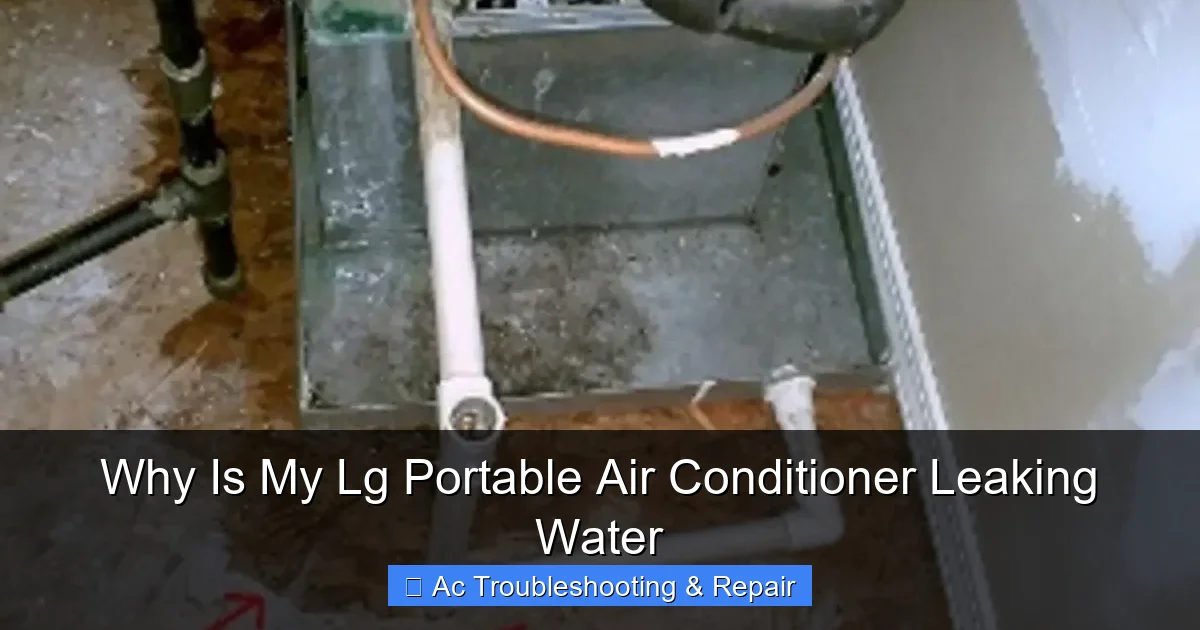
If your LG portable air conditioner is leaking water, it’s usually due to a clogged drain, improper installation, or high humidity levels. This issue can often be resolved with simple maintenance like cleaning the filter or leveling the unit. Ignoring the leak may lead to water damage or reduced cooling efficiency.
Key Takeaways
- Clogged or dirty air filters restrict airflow, causing ice buildup that melts and overflows the drain pan.
- Improper leveling or installation prevents proper drainage, leading to water pooling and leaking.
- A blocked or disconnected drain hose stops condensation from exiting the unit, resulting in leaks.
- High indoor humidity levels increase condensation, overwhelming the unit’s drainage system.
- Frozen evaporator coils melt during defrost cycles and can overflow if the drain pan is full or clogged.
- Damaged or cracked internal components like the drain pan or pump may require professional repair or replacement.
- Regular maintenance such as cleaning filters and checking the drain line every few months can prevent most leaks.
📑 Table of Contents
Why Is My LG Portable Air Conditioner Leaking Water?
So, you’ve just settled into your favorite chair with a cold drink, ready to enjoy the cool breeze from your LG portable air conditioner—only to notice a puddle forming on the floor. Uh-oh. A leaking portable AC is not just annoying; it can also damage your flooring, create mold risks, and signal that your unit isn’t working as efficiently as it should.
Don’t panic. Most water leaks from LG portable air conditioners are fixable with a little troubleshooting and routine care. These units are designed to handle condensation naturally, but when something goes off-kilter—like a clogged filter or a tilted base—the water has nowhere to go but onto your floor.
In this guide, we’ll walk you through the most common reasons your LG portable AC might be leaking, how to diagnose the problem, and what you can do to fix it fast. Whether you’re a first-time user or a seasoned DIYer, you’ll find practical tips and expert advice to get your unit back to cooling quietly and dryly.
How LG Portable Air Conditioners Handle Condensation
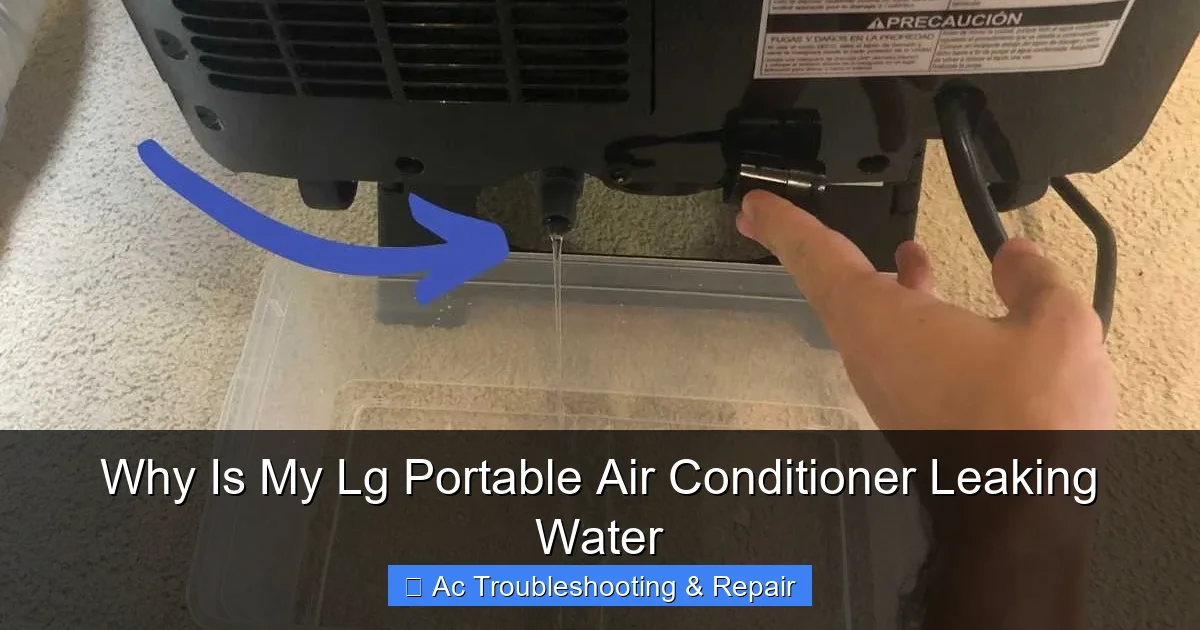
Visual guide about Why Is My Lg Portable Air Conditioner Leaking Water
Image source: hvactrainingshop.com
Before diving into the causes of leaks, it helps to understand how your LG portable air conditioner manages moisture. These units work by pulling warm, humid air from your room, passing it over cold evaporator coils, and then blowing the cooled air back out. As the air cools, moisture condenses on the coils—just like dew forms on a cold soda can.
This condensation collects in a built-in drain pan and is typically expelled in one of two ways:
– **Self-evaporating systems:** Many LG portable ACs use a self-evaporating design, where some of the hot exhaust air is redirected over the condensed water, turning it into vapor and releasing it through the exhaust hose. This reduces or eliminates the need for manual draining.
– **Manual or gravity drainage:** In high-humidity environments or during extended use, the system may produce more water than it can evaporate. In these cases, the excess drains into a collection tank or through a drain hose that you must empty or route outside.
Understanding this process is key because when the system can’t keep up—due to blockages, poor airflow, or design limitations—water starts to back up and leak.
Why Condensation Builds Up
Condensation is a natural byproduct of cooling. The more humid the air, the more water your AC will produce. For example, on a hot, sticky summer day in Florida or Louisiana, your LG portable AC might generate several cups of water per hour. If the unit’s evaporation system is overwhelmed or the drain path is blocked, that water has to go somewhere—and often, that means onto your floor.
The Role of the Drain Pan and Hose
The drain pan sits beneath the evaporator coils and collects dripping water. From there, water either evaporates or flows through a small hose (sometimes called a condensate drain line) to the outside or into a reservoir. If the pan is cracked, the hose is kinked, or the reservoir is full, leakage occurs.
Some LG models also include a float switch—a safety feature that shuts off the unit when the water level gets too high. If your AC suddenly stops working and you see water nearby, this switch may have been triggered.
Common Causes of Water Leaks in LG Portable ACs
Now that you know how condensation works, let’s explore the most frequent culprits behind water leaks. Most issues fall into a few key categories: maintenance neglect, installation errors, environmental factors, and mechanical failures.
1. Clogged or Dirty Air Filters
One of the top reasons your LG portable AC might leak is a dirty air filter. When the filter is clogged with dust, pet hair, or debris, it restricts airflow over the evaporator coils. This causes the coils to get too cold and freeze up.
At first, you might notice reduced cooling or ice forming on the unit. But once the ice melts—especially during a defrost cycle—the resulting water can overflow the drain pan because the system wasn’t designed to handle such a large volume all at once.
**Real-life example:** Sarah from Austin noticed her LG portable AC was leaking after running it nonstop during a heatwave. She hadn’t changed the filter in over six months. After replacing it, the ice melted within an hour, and the leak stopped.
**Fix it fast:** Check your air filter every 2–4 weeks during heavy use. Clean or replace it as needed. Most LG models have a washable filter that can be rinsed under warm water and air-dried.
2. Improper Leveling or Installation
Portable air conditioners need to sit level for proper drainage. If your unit is tilted—even slightly—water can pool on one side of the drain pan and spill out before it has a chance to drain or evaporate.
This often happens when the AC is placed on an uneven floor, a thick rug, or a sloped surface. It can also occur if the unit shifts during transport or if the wheels aren’t locked.
**Pro tip:** Use a small level tool (many smartphones have one built in) to check if your AC is sitting flat. Adjust the position or place shims under the wheels if needed.
Also, make sure the exhaust hose is properly installed and not kinked. A blocked exhaust hose can increase internal pressure and affect drainage.
3. Blocked or Disconnected Drain Hose
Some LG portable ACs come with a drain hose that you can attach to continuously drain water outside. If this hose is clogged with dirt, mold, or mineral buildup, water will back up and leak.
Even if you’re not using the drain hose, many units have an internal tube that routes water to the evaporation chamber. If this tube becomes disconnected or blocked, water can escape into the wrong area.
**How to check:** Locate the drain hose (usually at the back or bottom of the unit). Remove it and inspect for blockages. Use a pipe cleaner or compressed air to clear any debris. Reattach securely.
If your model uses a drain cap or plug, ensure it’s tightly sealed when not in use. A loose cap is a common cause of slow leaks.
4. High Indoor Humidity Levels
Your LG portable AC is working harder in humid climates. While the self-evaporating system is efficient, it has limits. In areas with humidity above 60–70%, the unit may produce more condensation than it can evaporate, especially if the room is poorly ventilated or the AC runs continuously.
This excess water collects in the drain pan or reservoir. If the float switch fails or the pan overflows, you’ll see a leak.
**Solution:** Use a dehumidifier in conjunction with your portable AC to reduce indoor moisture. Also, ensure the room has adequate ventilation—open a window slightly or use a fan to improve airflow.
5. Frozen Evaporator Coils
As mentioned earlier, restricted airflow (from dirty filters or blocked vents) can cause the evaporator coils to freeze. When the ice melts, it can overwhelm the drainage system.
You might notice reduced cooling, frost on the unit, or a sudden gush of water after the AC has been running for hours.
**What to do:** Turn off the AC and let it defrost completely—this can take 1–2 hours. Once thawed, clean the air filter and check for obstructions in the intake and exhaust vents. Avoid running the unit on very low settings for long periods, as this can also contribute to freezing.
6. Damaged or Cracked Internal Components
Over time, the drain pan, pump, or internal tubing can crack or degrade—especially if the unit has been moved frequently or exposed to extreme temperatures.
A cracked drain pan won’t hold water, and a faulty pump (on models with automatic drainage) won’t move water where it needs to go.
**Signs of damage:** Persistent leaks even after cleaning and leveling, water pooling inside the unit, or visible cracks.
**Fix:** If you suspect internal damage, it’s best to contact LG customer support or a certified technician. Attempting to repair internal components yourself may void the warranty.
Step-by-Step Troubleshooting Guide
When your LG portable AC starts leaking, follow this simple troubleshooting checklist to identify and fix the issue:
Step 1: Turn Off and Unplug the Unit
Safety first. Always disconnect the AC from the power source before inspecting or cleaning. This prevents electrical shock and allows the unit to cool down.
Step 2: Check the Air Filter
Remove the front panel and inspect the air filter. If it’s dirty, clean it with warm water and let it dry completely before reinstalling. Replace it if it’s damaged or too old.
Step 3: Inspect the Drain Pan and Hose
Look inside the unit (refer to your user manual for access instructions). Check the drain pan for cracks or standing water. Examine the drain hose for blockages or disconnections.
Step 4: Level the Unit
Place a level on top of the AC. If it’s not flat, adjust the position or use small shims under the wheels. Make sure the exhaust hose isn’t kinked or bent.
Step 5: Empty the Water Reservoir (If Applicable)
Some LG models have a built-in water tank that needs manual emptying. Check the indicator light or user manual to see if your unit has one. If the tank is full, empty it and reset the float switch.
Step 6: Test the Unit
Plug the AC back in and run it for 30–60 minutes. Monitor for leaks. If water still appears, move to advanced troubleshooting or contact support.
Preventing Future Leaks: Maintenance Tips
The best way to avoid water leaks is through regular maintenance. Here’s a simple routine to keep your LG portable AC running smoothly:
Monthly Maintenance
- Clean or replace the air filter.
- Wipe down the exterior with a damp cloth.
- Check the drain hose for blockages.
- Ensure the unit is level and stable.
Seasonal Deep Clean
- Vacuum the intake and exhaust vents.
- Inspect internal components (if accessible).
- Flush the drain line with a mild vinegar solution to prevent mold.
- Check for loose screws or worn parts.
Usage Tips
- Avoid running the AC on extremely low temperatures.
- Use a dehumidifier in high-humidity areas.
- Don’t move the unit while it’s running or immediately after use.
- Store the AC in a dry, cool place during off-seasons.
By staying proactive, you’ll extend the life of your unit and avoid costly repairs.
When to Call a Professional
While many leaks can be fixed at home, some issues require expert attention. Contact LG support or a licensed HVAC technician if:
– The unit continues to leak after thorough cleaning and troubleshooting.
– You notice electrical issues, strange noises, or burning smells.
– Internal components like the pump or compressor appear damaged.
– The warranty is still active—DIY repairs may void it.
LG offers customer support via phone, chat, and service centers. Have your model number and purchase date ready when you call.
Conclusion
A leaking LG portable air conditioner is rarely a sign of a major breakdown—it’s usually a simple fix that just needs a little attention. Whether it’s a dirty filter, a tilted base, or a clogged drain hose, most causes are easy to identify and resolve with basic maintenance.
By understanding how your unit manages condensation and staying on top of regular care, you can keep your AC running efficiently and your floors dry. Remember: a little prevention goes a long way. Clean that filter, check that drain, and enjoy cool, comfortable air—without the puddles.
Don’t let a small leak turn into a big problem. With the tips in this guide, you’re well-equipped to troubleshoot, fix, and prevent water leaks in your LG portable air conditioner.
Frequently Asked Questions
Why is my LG portable AC leaking water from the bottom?
This is usually due to a clogged drain hose, dirty air filter, or improper leveling. Check the filter first, then inspect the drain pan and hose for blockages. Ensure the unit is sitting level on the floor.
Can a dirty filter cause my portable AC to leak?
Yes. A dirty filter restricts airflow, causing the evaporator coils to freeze. When the ice melts, it can overflow the drain pan and leak onto the floor. Clean or replace the filter regularly to prevent this.
How often should I clean the drain hose on my LG portable AC?
Inspect the drain hose every 1–2 months during heavy use. Flush it with a vinegar-water solution to remove mold or mineral buildup. This helps prevent clogs and leaks.
Is it normal for a portable AC to drip a little water?
A small amount of dripping during startup or in high humidity is normal. However, continuous leaks or large puddles indicate a problem like a clogged drain or frozen coils that needs attention.
What should I do if my LG portable AC keeps shutting off and leaking?
The unit may have a full water reservoir or a triggered float switch. Turn it off, empty the tank if applicable, and check for blockages. If it continues, the internal pump or switch may be faulty.
Can I use my portable AC in a bathroom or high-humidity room?
Yes, but high humidity increases condensation. Use a dehumidifier alongside the AC and ensure proper ventilation. Monitor the unit closely for leaks and empty the reservoir more frequently.