
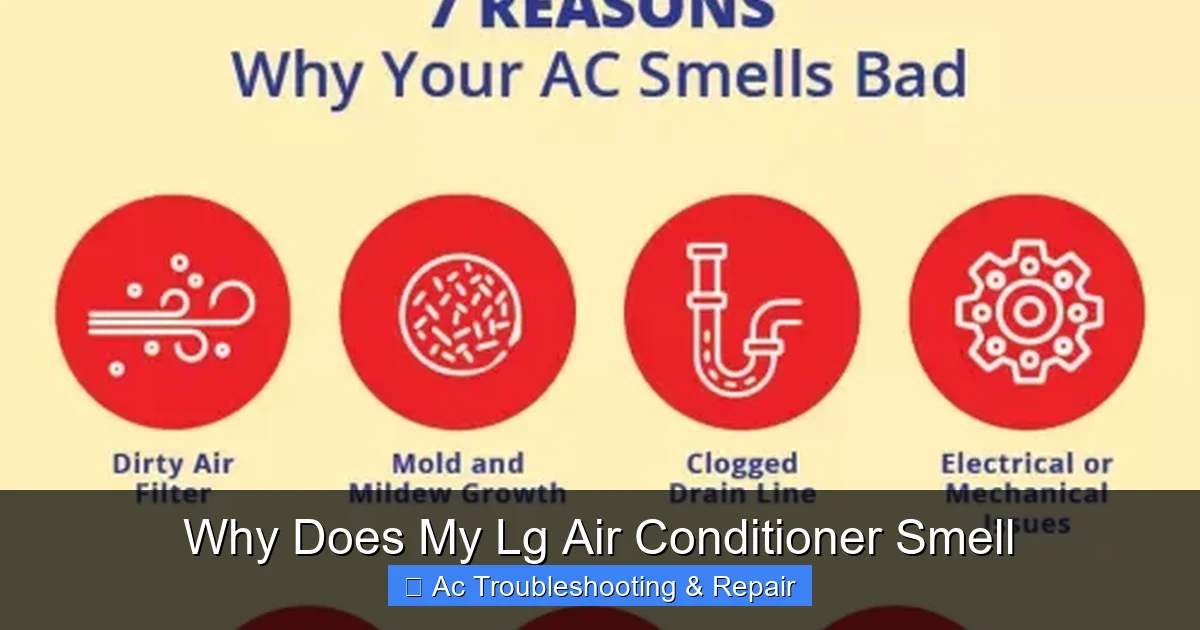
If your LG air conditioner smells musty, moldy, or like burnt plastic, it’s likely due to trapped moisture, dirty filters, or electrical issues. Regular cleaning and maintenance can eliminate odors and improve air quality. Learn how to identify and fix the root cause quickly.
Key Takeaways
- Dirty or clogged air filters are the most common cause of bad odors in LG air conditioners—replace or clean them every 1–3 months.
- Mold and mildew buildup in the evaporator coil or drip pan creates a musty smell, especially in humid climates.
- Blocked or stagnant drain lines can cause foul, sewage-like odors due to bacterial growth in standing water.
- Burning or electrical smells may signal overheating components or wiring issues—turn off the unit and call a technician immediately.
- Pet dander, dust, and debris accumulating inside the unit can produce unpleasant odors over time.
- Refrigerant leaks sometimes emit a sweet or chemical-like smell and require professional repair.
- Regular maintenance, including cleaning coils and checking drainage, prevents most odor problems before they start.
📑 Table of Contents
Why Does My LG Air Conditioner Smell? A Complete Guide to Odor Causes and Fixes
You walk into your living room on a hot summer day, eager to feel the cool breeze from your LG air conditioner—only to be greeted by a strange, unpleasant smell. Whether it’s a musty odor, a burnt scent, or something vaguely chemical, a smelly AC is more than just annoying. It can signal underlying issues that affect your indoor air quality, your health, and even the efficiency of your unit.
LG air conditioners are known for their reliability, energy efficiency, and smart features. But like any appliance, they require regular care to perform at their best. When odors start creeping in, it’s often a sign that something inside the system isn’t quite right. The good news? Most of these smells are preventable and fixable with a little know-how and routine maintenance. In this guide, we’ll walk you through the most common reasons your LG air conditioner might smell, how to identify each issue, and what you can do to fix it—fast.
Common Causes of LG Air Conditioner Odors
Air conditioners can develop a variety of smells depending on what’s happening inside the unit. While some odors are harmless and easy to fix, others may point to more serious problems. Understanding the root cause is the first step toward a solution. Let’s break down the most frequent culprits behind that funky smell coming from your LG AC.
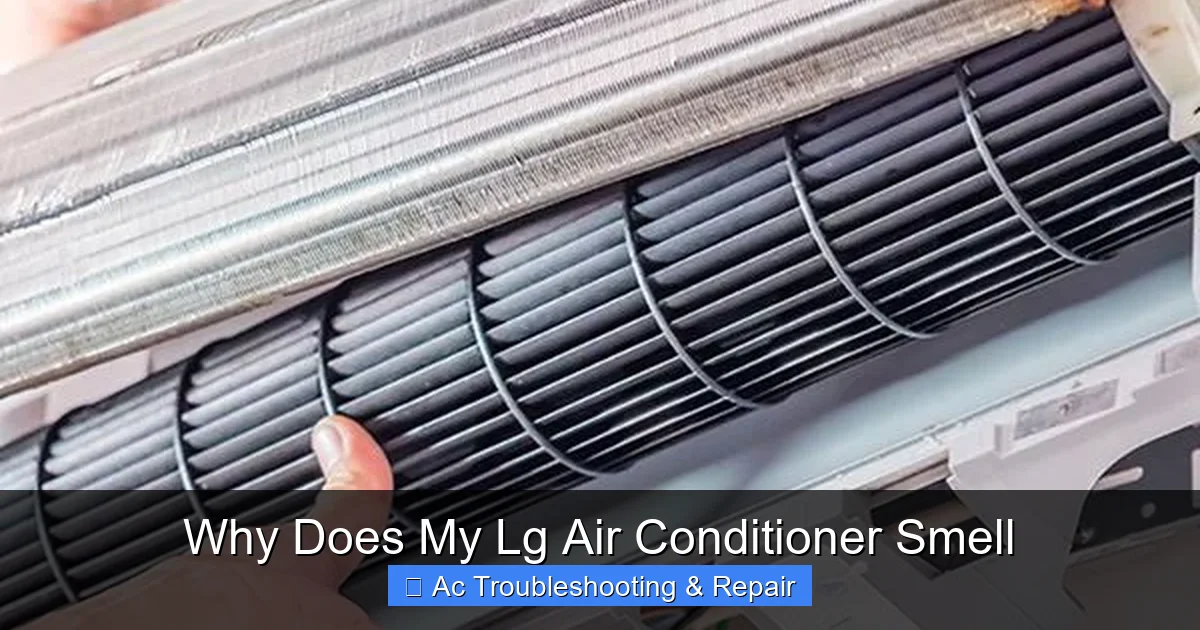
Visual guide about Why Does My Lg Air Conditioner Smell
Image source: thecampingadvisor.com
1. Musty or Moldy Smells: The Telltale Sign of Moisture Buildup
If your LG air conditioner emits a damp, earthy, or mildew-like odor—especially when you first turn it on—it’s likely due to mold or mildew growing inside the unit. This is one of the most common complaints among LG AC owners, particularly in humid climates or during rainy seasons.
Air conditioners naturally remove moisture from the air as part of the cooling process. This condensation collects in the drip pan and is supposed to drain away through the condensate drain line. But if the drain line gets clogged or the drip pan isn’t sloped correctly, water can sit and stagnate. Over time, this creates the perfect breeding ground for mold, mildew, and bacteria.
The evaporator coil, located inside the indoor unit, is another hotspot for mold growth. It’s cold and constantly exposed to moisture, making it a prime location for fungal colonies. When the AC fan blows air across the coil, it carries mold spores and odors into your living space.
For example, imagine you live in Florida during the summer. The humidity is high, and your AC runs almost nonstop. One day, you notice a strong musty smell every time the unit kicks on. After checking, you find standing water in the drip pan and visible black spots on the coil—classic signs of mold.
To fix this, you’ll need to clean the evaporator coil, empty and sanitize the drip pan, and clear the drain line. We’ll cover how to do that safely in a later section. But first, let’s look at other common odor sources.
2. Burning or Electrical Odors: A Red Flag You Shouldn’t Ignore
A burning smell from your LG air conditioner is never normal and should be treated as an emergency. This odor often indicates overheating components, frayed wiring, or electrical issues that could lead to a fire hazard.
One possible cause is a dirty or clogged air filter. When the filter is blocked, airflow is restricted, causing the motor and other internal parts to work harder and overheat. This can produce a burnt plastic or rubber smell. Similarly, if the evaporator coil is covered in dust and debris, it can’t transfer heat efficiently, leading to overheating.
Another possibility is a failing capacitor, motor, or electrical connection. These components can emit a sharp, acrid odor when they begin to fail. In rare cases, a refrigerant leak near electrical parts can also produce a chemical-like burning smell.
For instance, you might turn on your LG window unit after a long winter and notice a strong burning odor. Upon inspection, you find the filter is completely clogged with dust and pet hair. After replacing it, the smell disappears. But if the odor persists, it’s time to call a licensed HVAC technician.
Never ignore a burning smell. Turn off the unit immediately, unplug it if it’s a window or portable model, and contact a professional. Continuing to run the AC could damage the system or pose a safety risk.
3. Sour or Rotten Egg Smells: Bacterial Growth in the Drain System
If your LG air conditioner smells like rotten eggs, sewage, or something sour, the problem is likely in the condensate drain line or drip pan. This type of odor is caused by bacteria, algae, or fungi growing in stagnant water.
The drain line is designed to carry condensation away from the unit, but over time, it can become clogged with dirt, mold, or biofilm. When water can’t flow freely, it sits in the line or pan, creating an environment where sulfur-producing bacteria thrive. These bacteria release gases that smell like rotten eggs.
This issue is especially common in central air systems with long horizontal drain lines, but it can also affect ductless mini-splits and window units. The smell tends to be strongest when the AC first starts up, as the fan blows air through the contaminated area.
For example, a homeowner in Texas noticed a foul odor every time their LG ductless unit turned on. After checking the outdoor unit, they found the drain line was partially blocked with algae. Flushing the line with a vinegar solution cleared the clog and eliminated the smell.
Regular maintenance, such as pouring a cup of white vinegar or a specialized drain cleaner down the drain line every few months, can prevent this problem. We’ll show you how to do this safely later in the guide.
4. Sweet or Chemical-Like Odors: Possible Refrigerant Leak
A sweet, fruity, or chemical-like smell from your LG air conditioner could indicate a refrigerant leak. While not all refrigerant leaks produce a strong odor, some types of refrigerant (like R-410A) have a faint sweet scent when they escape into the air.
Refrigerant is essential for cooling your home. If it leaks, your AC won’t cool properly, and the system may overwork itself, leading to higher energy bills and potential damage. More importantly, refrigerant exposure can be harmful to your health and the environment.
Signs of a refrigerant leak include reduced cooling performance, ice buildup on the coils, hissing sounds, and a noticeable drop in airflow. If you suspect a leak, do not attempt to fix it yourself. Refrigerant handling requires specialized tools and certification.
For instance, a family in Arizona noticed their LG central AC wasn’t cooling as well as usual and detected a faint sweet smell near the indoor unit. A technician confirmed a small leak in the evaporator coil and recharged the system after sealing the leak.
If you notice this type of odor, turn off the AC and contact an HVAC professional immediately. Delaying repairs can lead to compressor failure and costly replacements.
5. Dusty or Smoky Smells: Accumulated Debris and Airborne Particles
If your LG air conditioner smells like dust, smoke, or something “stale,” it’s likely due to accumulated debris inside the unit or in the ductwork. This is especially common after the AC has been off for a long time, such as during the winter months.
When the AC sits idle, dust, pet dander, pollen, and other particles can settle on the evaporator coil, fan blades, and interior panels. When you turn the unit back on, the fan blows this debris into your home, creating a dusty or smoky odor.
This issue is more common in homes with pets, smokers, or poor indoor air quality. It can also occur if the air filter hasn’t been changed in months, allowing contaminants to build up inside the system.
For example, a homeowner in Colorado turned on their LG window unit in spring after not using it all winter. The first few minutes of operation produced a strong dusty smell, which faded after 10–15 minutes. Replacing the filter and wiping down the interior panels resolved the issue.
Regular filter changes and occasional interior cleaning can prevent this problem. We’ll walk you through the cleaning process in the next section.
How to Diagnose the Smell in Your LG Air Conditioner
Now that you know the common causes, how do you figure out which one is affecting your LG AC? Diagnosing the smell correctly is key to fixing it efficiently. Here’s a step-by-step approach to help you identify the source.
Step 1: Identify When the Smell Occurs
Pay attention to when the odor appears. Does it happen only when you first turn on the AC? Is it constant, or does it come and go? Timing can give you important clues.
- Smell at startup: Likely mold, mildew, or dust buildup.
- Smell during operation: Could be a refrigerant leak, electrical issue, or bacterial growth.
- Smell after rain or high humidity: Points to moisture-related problems like mold or clogged drains.
Step 2: Check the Air Filter
The air filter is the easiest place to start. A dirty filter restricts airflow, causes overheating, and allows contaminants to build up inside the unit. Remove the filter and inspect it. If it’s gray, clogged, or has visible debris, replace it with a new one.
LG recommends checking the filter every month and replacing it every 1–3 months, depending on usage and air quality. For homes with pets or allergies, consider using a high-efficiency filter.
Step 3: Inspect the Evaporator Coil and Drip Pan
If the filter is clean but the smell persists, the issue may be inside the unit. For window or portable ACs, you can often access the evaporator coil by removing the front panel. Look for signs of mold, mildew, or standing water.
For central or ductless systems, you may need to remove the front cover or access panel. Use a flashlight to check the coil and drip pan. If you see black spots, fuzzy growth, or water pooling, it’s time for a deep clean.
Step 4: Examine the Drain Line
Locate the condensate drain line—usually a PVC pipe near the outdoor unit or inside the wall. Check for clogs, algae, or standing water. You can use a wet/dry vacuum to suction out debris or flush the line with water.
If the drain line is accessible, pour a cup of white vinegar or a commercial drain cleaner down it to kill bacteria and prevent future clogs.
Step 5: Listen for Unusual Sounds
Strange noises like hissing, buzzing, or grinding can accompany certain odors. A hissing sound with a sweet smell suggests a refrigerant leak. A buzzing noise with a burning odor may indicate an electrical problem.
If you hear anything unusual, turn off the AC and contact a technician. Never ignore warning signs.
Step-by-Step Solutions to Eliminate Odors
Once you’ve identified the cause, it’s time to take action. Here’s how to fix the most common odor problems in your LG air conditioner.
How to Clean a Moldy Evaporator Coil
Turn off the power to the unit. Remove the front panel and locate the evaporator coil. Use a soft brush or vacuum to remove loose dust. Then, spray a coil cleaner (available at hardware stores) onto the fins. Let it sit for 10–15 minutes, then rinse with water (if the unit allows) or wipe clean with a damp cloth.
For stubborn mold, mix a solution of 1 part bleach to 16 parts water and apply with a spray bottle. Never use harsh chemicals that can damage the coil.
How to Clean the Drip Pan
Remove the drip pan (usually located below the coil). Empty any standing water. Scrub it with warm, soapy water and a brush. Rinse thoroughly and sanitize with a bleach solution. Let it dry completely before reinstalling.
How to Clear a Clogged Drain Line
Locate the drain line access point (often near the indoor unit). Use a wet/dry vacuum to suction out debris. Alternatively, pour 1 cup of white vinegar down the line and let it sit for 30 minutes. Flush with water to clear any remaining residue.
How to Replace the Air Filter
Turn off the AC. Open the front panel and remove the old filter. Note the size and direction of airflow arrows. Insert the new filter, making sure it fits snugly and the arrows point toward the unit. Close the panel and turn the AC back on.
When to Call a Professional
Some issues, like refrigerant leaks, electrical problems, or compressor failures, require expert attention. If you’ve tried basic cleaning and the smell persists, or if you notice reduced cooling, strange noises, or ice buildup, contact an LG-certified technician.
Preventing Future Odors in Your LG Air Conditioner
The best way to deal with AC odors is to stop them before they start. Regular maintenance is the key to keeping your LG air conditioner smelling fresh and running efficiently.
Create a Maintenance Schedule
Set reminders to check and clean your AC every 1–3 months. Include tasks like filter replacement, coil inspection, and drain line flushing. During peak usage seasons, increase the frequency.
Use a Dehumidifier in Humid Climates
High humidity encourages mold and mildew growth. Using a dehumidifier in conjunction with your AC can reduce moisture levels and prevent odors.
Keep the Area Around the Unit Clean
Ensure the outdoor unit is free of leaves, dirt, and debris. Keep indoor vents unobstructed to promote proper airflow.
Consider UV Light Installation
UV lights can be installed near the evaporator coil to kill mold and bacteria. While not essential, they’re a great addition for allergy sufferers or humid environments.
Conclusion
A smelly LG air conditioner is more than just a nuisance—it’s a sign that your unit needs attention. Whether it’s mold, bacteria, electrical issues, or debris, most odor problems can be resolved with regular cleaning and maintenance. By understanding the causes and taking proactive steps, you can enjoy cool, fresh air all season long.
Remember: if you smell burning, chemicals, or anything unusual, don’t ignore it. Turn off the unit and seek professional help. Your safety and comfort are worth it. With a little care, your LG air conditioner will keep your home cool, clean, and odor-free for years to come.
Frequently Asked Questions
Why does my LG air conditioner smell like mildew?
This is usually caused by mold or mildew growing on the evaporator coil or in the drip pan due to trapped moisture. Clean the coil, sanitize the drip pan, and ensure the drain line is clear to eliminate the odor.
Can a dirty air filter cause my LG AC to smell?
Yes, a clogged filter restricts airflow, leading to overheating and allowing dust and debris to build up inside the unit. Replace the filter every 1–3 months to prevent odors.
Is it safe to clean my LG air conditioner myself?
Yes, for basic tasks like changing the filter, cleaning the drip pan, and flushing the drain line. However, if you suspect a refrigerant leak or electrical issue, call a professional.
How often should I clean my LG air conditioner?
Inspect and clean the filter monthly, and perform a deeper cleaning of the coil and drain system every 3–6 months, or more often in humid or dusty environments.
Why does my LG AC smell like burning plastic?
This could indicate an electrical problem, overheating motor, or clogged filter. Turn off the unit immediately and contact a technician to inspect it.
Can I use bleach to clean my LG air conditioner?
Yes, but dilute it properly (1 part bleach to 16 parts water) and use it only on non-electrical parts like the drip pan. Avoid spraying it directly on the coil or near wiring.