Finding the right Carrier air conditioner parts can be challenging, but knowing your options makes it simple. Whether you’re replacing a faulty compressor or upgrading your thermostat, buying from trusted sources ensures quality and compatibility. This guide walks you through where to buy Carrier AC parts—online, locally, and through certified professionals—so your system runs efficiently and lasts longer.
Key Takeaways
- Authorized dealers offer genuine parts: These locations stock only authentic Carrier components, ensuring compatibility and warranty coverage.
- Online retailers provide convenience: Websites like Amazon, HVAC.com, and Carrier’s official site let you compare prices and read reviews before purchasing.
- Local HVAC contractors are reliable too: Many technicians stock or order OEM parts on demand and can install them quickly.
- Verify part numbers before buying: Matching your unit’s model and serial number prevents costly mistakes and ensures proper fit.
- Check return policies: Not all sellers accept returns on HVAC parts due to safety regulations—read terms carefully.
- Consider refurbished or aftermarket options: Some third-party parts offer savings but may void warranties or lack durability.
📑 Table of Contents
- Where to Buy Carrier Air Conditioner Parts: Your Complete Guide
- 1. Authorized Carrier Dealers: The Gold Standard
- 2. Online Retailers: Convenience at Your Fingertips
- 3. Local HVAC Contractors: Hands-On Expertise
- 4. Big-Box Hardware Stores: When to Use Caution
- 5. Salvage Yards and Used Parts: Save Money—With Risks
- 6. Subscription and Maintenance Plans: Prevent Future Headaches
- How to Identify Genuine Carrier Parts
- Common Carrier Air Conditioner Parts You Might Need
- Final Thoughts: Choose Quality, Not Just Price
Where to Buy Carrier Air Conditioner Parts: Your Complete Guide
You’ve finally decided to replace that noisy compressor or upgrade your old thermostat. But now comes the tricky part: where do you even find authentic Carrier air conditioner parts? With so many online marketplaces, local shops, and discount retailers out there, it’s easy to get overwhelmed—or worse, end up with incompatible or counterfeit components.
The truth is, not every store sells genuine Carrier parts, and some may not have the technical expertise to help you choose the right one. That’s why this guide walks you through the best places to buy Carrier AC parts—whether you prefer shopping online, visiting a brick-and-mortar store, or hiring a professional. By the end, you’ll know exactly where to go to keep your system running cool, quiet, and efficient.
1. Authorized Carrier Dealers: The Gold Standard
If you want peace of mind and guaranteed authenticity, start with an authorized Carrier dealer. These are HVAC professionals or retail partners officially recognized by Carrier Corporation. They carry a wide range of genuine OEM (Original Equipment Manufacturer) parts, including compressors, coils, fans, thermostats, and control boards.

Visual guide about Where to Buy Carrier Air Conditioner Parts
Image source: imagepphcloud.thepaper.cn
Why Choose an Authorized Dealer?
Authorized dealers meet strict standards set by Carrier, meaning they employ trained technicians who understand your system inside and out. Plus, using genuine parts ensures your warranty remains valid. If something goes wrong, you can rest easy knowing the repair won’t void your coverage.
To find a nearby dealer, visit Carrier’s official website and use their “Find a Dealer” tool. Just enter your ZIP code, and you’ll see a list of certified HVAC service providers in your area. Most dealers also offer delivery or installation services, making the process seamless.
Pro Tip:
When calling a dealer, mention your air conditioner’s model number and issue. This helps them locate the exact part faster and avoid backorders or delays.
2. Online Retailers: Convenience at Your Fingertips
In today’s digital age, buying Carrier air conditioner parts online has never been easier. Major e-commerce platforms like Amazon, eBay, and specialized HVAC websites such as HVAC.com, PartsDr.com, and ClimateControlParts.com offer thousands of compatible components with detailed descriptions, customer reviews, and fast shipping.

Visual guide about Where to Buy Carrier Air Conditioner Parts
Image source: shimintimes.co.jp
Top Online Stores for Carrier AC Parts
- Amazon: Great for filters, thermostats, fan motors, and small electrical components. Look for “Carrier”-branded listings with high seller ratings.
- HVAC.com: A trusted source for OEM and aftermarket parts. Their site includes compatibility tools and expert support.
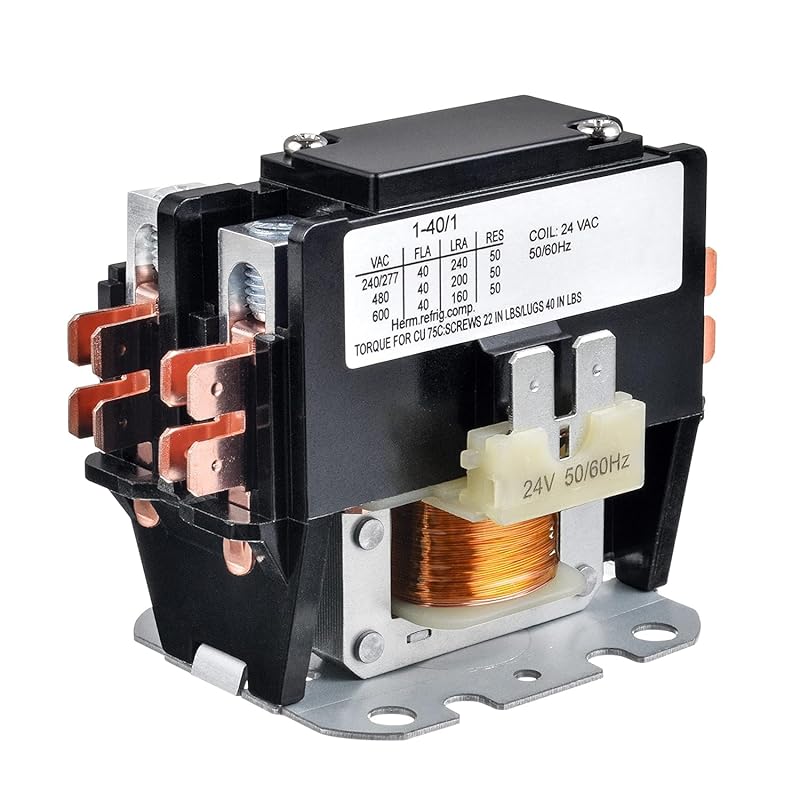
- PartsDr.com: Known for competitive pricing and same-day shipping on popular parts like capacitors and contactors.
- Carrier’s Official Website: While primarily a service portal, it links to approved distributors and offers part lookup tools.
Shopping Tips for Online Purchases
Always double-check the part number against your unit’s manual or existing component. Misidentified parts are the #1 cause of failed installations. Also, read seller reviews and confirm return policies—some HVAC parts cannot be returned once opened due to hygiene or safety concerns.
3. Local HVAC Contractors: Hands-On Expertise
Sometimes, nothing beats talking to someone face-to-face. Local HVAC contractors often stock common Carrier air conditioner parts like filters, belts, and relays, especially if they service Carrier units regularly. Even if they don’t have the part on hand, most can order it within 24–48 hours.
Benefits of Buying Through a Technician
- They can diagnose the problem accurately before recommending a part.
- They ensure correct installation, which extends the lifespan of both the part and your system.
- Many include a warranty on labor and parts, adding extra protection.
How to Find a Reputable Contractor
Ask friends, family, or neighbors for recommendations. You can also check websites like Angi (formerly Angie’s List), HomeAdvisor, or the Better Business Bureau for licensed and reviewed HVAC pros in your area. Make sure they’re NATE-certified (North American Technician Excellence)—a mark of advanced training.
4. Big-Box Hardware Stores: When to Use Caution
Stores like Lowe’s, Home Depot, and Menards sell air conditioning parts—but rarely genuine Carrier components. Instead, they typically carry universal or aftermarket alternatives designed to fit multiple brands. While these can work in a pinch, they may not match Carrier’s engineering standards.
What You Might Find at Home Improvement Stores
- Air filters (often compatible with Carrier models)
- Thermostats (like Nest or Honeywell, which integrate with smart home systems)
- Basic tools and maintenance kits
Should You Avoid These Stores?
For critical components like compressors or evaporator coils, stick with OEM sources. However, for routine items like filters or fuses, big-box stores can be convenient and affordable. Just verify compatibility first—check your owner’s manual or ask a sales associate for help.
5. Salvage Yards and Used Parts: Save Money—With Risks
Thrifty homeowners sometimes turn to used Carrier air conditioner parts from salvage yards, estate sales, or online classifieds like Craigslist or Facebook Marketplace. While this can slash costs significantly, it comes with serious drawbacks.
Pros and Cons of Buying Used
Pros:
- Lower price—sometimes 50–70% less than new OEM parts.
- Good for non-critical components like fan blades or control panels.
Cons:
- Unknown wear and tear; may fail soon after installation.
- Lack of warranty or return policy.
- Potential for hidden damage (e.g., cracked coil from freezing).
Safety First
Never install used compressors unless you’re absolutely certain they’re clean, dry, and tested. Moisture contamination can ruin your entire system. When in doubt, pay a little more for new.
6. Subscription and Maintenance Plans: Prevent Future Headaches
Some HVAC companies offer maintenance plans that include priority access to genuine Carrier parts, discounted rates, and scheduled inspections. These plans are ideal for busy households or commercial properties with multiple units.
What’s Included in a Typical Plan?
- Twice-yearly tune-ups
- Replacement of worn-out parts before they break
- 24/7 emergency service with guaranteed response times
- Access to exclusive OEM inventory
Is It Worth It?
Yes—especially if your Carrier unit is under 10 years old. Preventive care reduces breakdowns, lowers energy bills, and keeps parts readily available. Ask your current contractor about signing up during spring or fall, when demand is lower.
How to Identify Genuine Carrier Parts
With so many imitations flooding the market, how do you spot a real Carrier part? Here’s what to look for:
- Packaging: Authentic parts come in branded boxes with holograms, barcodes, and part numbers printed clearly.
- Serial Numbers: Each OEM component has a unique ID matching your unit’s model and serial number.
- Warranty Card: Legitimate parts often include a registration card for extended coverage.
- Seller Credentials: On Amazon or eBay, choose sellers with “Verified Seller” status and 98%+ positive feedback.
Red Flags to Watch For
- Prices dramatically below market average
- Vague product titles like “Universal AC Part”
- No return policy or “final sale” disclaimers
- Missing documentation or poor packaging
Common Carrier Air Conditioner Parts You Might Need
Understanding which parts commonly fail helps you prepare. Below are five frequently replaced Carrier AC components:
- Compressor: The heart of your system; signs of failure include humming sounds or warm air output.
- Condenser Coil: Located outside; dirt buildup reduces efficiency. Clean annually.
- Evaporator Coil: Inside the furnace; frozen coils indicate refrigerant issues.
- Capacitor: Powers the fan motor; swollen casing means it needs replacing.
- Thermostat: Controls temperature settings; outdated models can’t communicate with smart homes.
DIY vs. Professional Replacement
Simple tasks like changing the air filter or resetting the thermostat are DIY-friendly. But anything involving electrical connections, refrigerant lines, or internal mechanics should only be done by a licensed technician. Incorrect handling can be dangerous or illegal.
Final Thoughts: Choose Quality, Not Just Price
When it comes to Carrier air conditioner parts, cheap isn’t always better. While saving $20 upfront on a capacitor might seem smart, a faulty part could damage your entire system and cost hundreds more in repairs. Investing in genuine, properly installed components pays off in reliability, energy savings, and peace of mind.
Whether you shop online, visit an authorized dealer, or work with a trusted contractor, always prioritize quality over convenience. And remember—regular maintenance is the easiest way to avoid frequent part replacements altogether.
Your Carrier air conditioner has served you well for years. Treat it right by sourcing only the best parts from reputable suppliers. Cool summers and comfortable winters await!
Frequently Asked Questions
Can I buy Carrier air conditioner parts directly from Carrier?
Carrier doesn’t sell parts directly to consumers. Instead, they direct customers to authorized dealers and certified distributors through their official website. These partners handle ordering, shipping, and installation.
Are aftermarket parts safe to use on Carrier units?
Aftermarket parts may fit, but they’re not engineered for Carrier systems. They can reduce efficiency, shorten lifespan, and void warranties. For critical components, stick with OEM parts from authorized sources.
How do I find my Carrier AC’s part number?
Check the data plate inside your indoor unit or outdoor condenser. It lists the model and serial number, which you can cross-reference with Carrier’s part lookup tool or a service manual online.
Do I need special tools to install Carrier AC parts?
Most basic replacements (like filters or capacitors) require only a screwdriver. However, refrigerant-related repairs demand EPA-certified tools and knowledge. Always consult a professional for complex jobs.
Can I return HVAC parts if they don’t fit?
Many sellers restrict returns on HVAC parts due to safety regulations. Before purchasing, confirm compatibility and review the seller’s return policy—especially for large components like compressors.
Is it cheaper to buy parts online or through a contractor?
Online prices are often lower, but contractors include labor, diagnostics, and expertise. For simple parts, shopping online saves money; for complex repairs, paying a pro avoids costly errors.