Knowing where the fuse is on a Carrier air conditioner can save you time and money. Most fuses are located inside the electrical control box near the compressor or thermostat wiring. Whether you’re troubleshooting a tripped breaker or replacing a blown fuse, this guide walks you through every step clearly and safely.
Key Takeaways
- The main fuse or circuit breaker for a Carrier AC unit is usually found in the home’s main electrical panel. This controls power to the entire system and protects against overloads.
- Some Carrier models have internal fuses inside the outdoor condenser unit or control board. These are less common but may be labeled “fuse” or “thermal protector.”
- Always turn off power at the breaker before inspecting or replacing any electrical component. Safety first—never work on live circuits.
- Refer to your specific model’s user manual for accurate fuse location information. Model numbers vary widely, so don’t assume all units are identical.
- If the fuse blows repeatedly, there may be a deeper issue like a short circuit or failing compressor. Professional diagnosis is recommended in such cases.
- Carrier offers service support and manuals online if you need help identifying parts or wiring diagrams. Use their official resources for trusted guidance.
📑 Table of Contents
- Where Is the Fuse on a Carrier Air Conditioner?
- Understanding How Carrier Air Conditioners Handle Electrical Protection
- Locating the Main Circuit Breaker for Your Carrier AC
- Inside the Outdoor Condenser Unit: Searching for Internal Fuses
- Modern Carrier Units Without Visible Fuses
- When Should You Call a Professional?
- Tips for Preventing Future Electrical Issues
- Conclusion: Empower Yourself with Knowledge
Where Is the Fuse on a Carrier Air Conditioner?
So you’ve got a Carrier air conditioner acting up—not blowing cold air, making strange noises, or refusing to start altogether. You’ve checked the thermostat settings, cleaned the filter, and even peeked at the outdoor unit for debris. But something still feels off. Maybe your breaker just tripped again, or you heard a pop and now nothing works. In moments like these, it’s natural to wonder: where is the fuse on my Carrier air conditioner?
Don’t worry—you’re not alone. Many homeowners get confused about where to find the fuse in their HVAC system, especially since modern Carrier units often use circuit breakers instead of traditional glass fuses. The good news? Once you know what to look for, finding the right component is easier than you think. This guide will walk you through everything you need to know—from basic safety steps to locating both internal and external protective devices in your Carrier AC.
Understanding How Carrier Air Conditioners Handle Electrical Protection
Before we dive into exactly where the fuse (or its modern equivalent) might be, let’s talk about why these protective devices exist in the first place. Every electrical appliance has safeguards to prevent damage from overcurrent, voltage spikes, or internal faults. In older systems, this was typically done with physical fuses—small glass tubes filled with metal wire that would melt and break the circuit if too much current flowed.

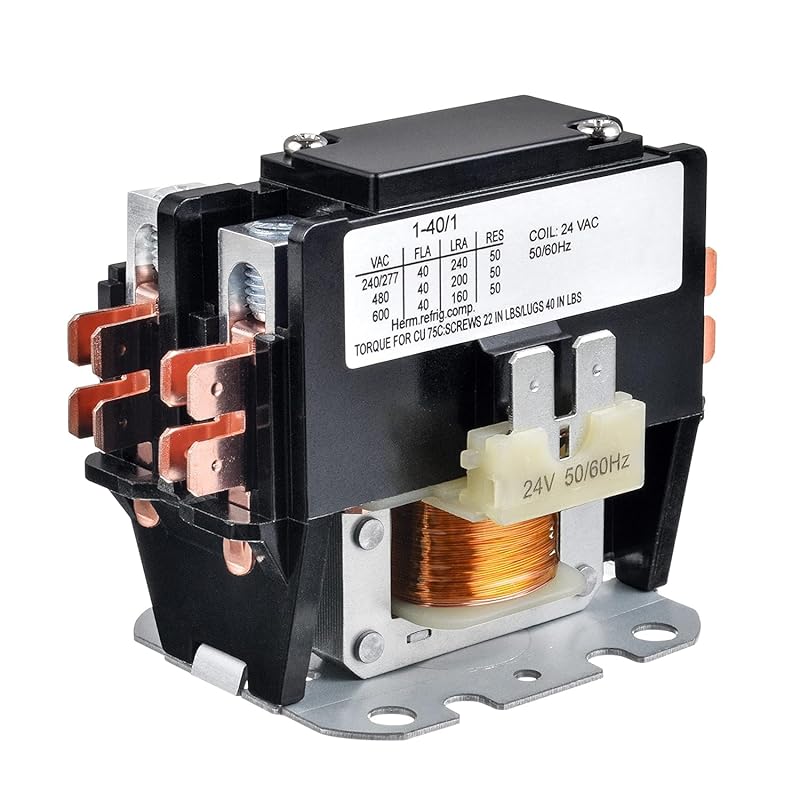
Visual guide about Where Is the Fuse on a Carrier Air Conditioner
Image source: bpic.588ku.com
Today’s Carrier air conditioners mostly rely on **circuit breakers** rather than traditional fuses. These are resettable switches installed in your home’s main electrical panel that automatically shut off when they detect an overload or short circuit. However, some Carrier models—especially older ones or certain commercial setups—still include internal fuses within the outdoor condenser unit itself. These serve as secondary protection for sensitive components like the compressor or fan motor.
It’s also worth noting that many newer Carrier residential units don’t have visible fuses at all. Instead, they use electronic overload protectors or thermal cutoffs built directly into the compressor housing. That doesn’t mean your unit isn’t protected—it just means you won’t see a little glass cylinder with a metal strip inside.
Why Do I Need to Know Where the Fuse Is?
You might be asking yourself, “Do I really need to locate the fuse? Can’t I just call an HVAC technician?” Great question! While professional help is always a safe bet, knowing where the fuse or breaker is gives you several advantages:
- Quick troubleshooting: If your AC won’t turn on after a storm or power surge, checking the breaker saves time.
- Emergency response: During outages or electrical issues, knowing the main switch helps restore power faster.
- DIY confidence: Simple tasks like flipping a breaker or replacing a small fuse become manageable without waiting for service.
- Cost savings: Avoid unnecessary service calls by confirming whether the issue is truly mechanical or just a tripped breaker.
That said, always prioritize safety. Never attempt repairs unless you’re comfortable working with electricity and have turned off the power source completely.
Locating the Main Circuit Breaker for Your Carrier AC
In most cases, the primary point of protection for your Carrier air conditioner is the **main electrical panel**—also called a breaker box or fuse box—located in your garage, basement, utility room, or sometimes near the front entrance of your home. Here’s how to find it and check if your AC’s breaker has tripped:
- Look for the breaker labeled “HVAC,” “AC,” or “Air Conditioning.” It’s often grouped with other large appliances like water heaters or dryers.
- If you can’t find a dedicated label, look for a breaker that controls a specific area of your home. For example, if your upstairs bedrooms stay warm while downstairs stays cool, the breaker likely serves the upper level—and your AC may be routed there.
- Check the position of the toggle switch: A normal breaker sits straight up (ON). If it’s in the down position (OFF), that means it’s tripped and needs to be reset.
- Flip the breaker fully OFF, then back ON. Give your AC 5–10 minutes to restart. If it powers up normally, problem solved!
Keep in mind: Some Carrier systems share a breaker with other loads (like heat pumps or auxiliary heaters). If resetting doesn’t work, try unplugging nearby high-wattage devices before re-engaging the breaker.
What If There’s No Label on the Breaker?
This happens more often than you’d expect—especially in older homes where original labels faded or were never added. Here’s a simple test to identify which breaker controls your AC:
- Turn off all breakers except one at a time.
- Wait 2–3 minutes after each flip to see if your outdoor unit kicks on.
- Once you hear the compressor humming or see the fan spinning, you’ve found it!
Alternatively, consult your original installation paperwork or contact Carrier customer support with your serial number—they can trace the wiring back to the correct breaker.
Inside the Outdoor Condenser Unit: Searching for Internal Fuses
If your Carrier air conditioner still won’t run after checking the main breaker, the issue might lie inside the outdoor unit itself. While rare in modern residential models, some Carrier units—particularly those made before 2010 or certain commercial-grade systems—include internal fuses designed to protect the compressor and fan motors.
These fuses are typically mounted on the side or top of the condenser housing, near the control board or compressor terminals. They resemble small plastic caps with colored wires leading to them. Common types include:
- Resettable thermal fuses: Often yellow or red; require manual reset after cooling down.
- One-time fusible links: Glass or ceramic style that must be replaced entirely.
Step-by-Step Guide to Inspecting the Outdoor Unit
- Turn off power at the breaker. Double-check using a non-contact voltage tester on the wires entering the unit.
- Remove the access panel(s): Most Carrier units have screws holding a front or side cover. Keep track of screws—they’re not all the same length.
- Look for a fuse block labeled “FUSE” or “PROTECTOR.” It’s usually near the bottom or middle of the interior.
- Inspect visually: A blown fuse will show signs like discoloration, blackening, or a broken filament inside.
- Test with a multimeter (optional): Set to continuity mode and touch probes across the fuse terminals. No beep = open circuit = bad fuse.
⚠️ Important: Even if you find a fuse, don’t replace it until you’ve ruled out underlying causes like refrigerant leaks or faulty capacitors. Replacing a blown fuse without fixing the root cause risks immediate failure.
Modern Carrier Units Without Visible Fuses
If your Carrier air conditioner is newer (post-2015), chances are it doesn’t have a traditional fuse at all. Instead, it uses **electronic overload protection** built into the compressor and control board. These aren’t something you’ll see or replace—they’re part of the factory-installed design.
However, you might still encounter error codes related to “overload” or “short circuit.” In these cases, the solution usually involves:
- Checking for loose connections in the wiring harness
- Ensuring the capacitor is functioning properly
- Verifying that the thermostat isn’t sending incorrect signals
Again, if the issue persists after basic checks, it’s best to schedule a technician visit. Modern Carrier systems are complex, and DIY fixes beyond breaker resets can void warranties if done incorrectly.
When Should You Call a Professional?
While locating the fuse or breaker is straightforward, there are situations where calling a licensed HVAC contractor is the safest and smartest choice:
- Repeated tripping: If your breaker keeps flipping within minutes of resetting, there’s likely a serious fault.
- Burning smell or sparks: Indicates potential fire hazard—evacuate and call emergency services.
- Loud grinding noises from the outdoor unit: Suggests mechanical failure, not just an electrical issue.
- No power after fuse replacement: Points to deeper wiring or component problems.
Professional technicians bring specialized tools (like thermal cameras and diagnostic scanners) that let them pinpoint issues invisible to the naked eye. Plus, they’re trained to handle high-voltage systems safely.
Tips for Preventing Future Electrical Issues
Prevention is always better than repair. Follow these best practices to minimize the risk of fuse-related problems:
- Schedule annual maintenance: Technicians clean coils, check connections, and calibrate sensors—all reducing strain on electrical components.
- Upgrade your electrical panel if needed: Older panels (pre-1980s) may lack proper amperage for modern AC units.
- Use surge protectors: Especially during thunderstorm season, plug critical electronics into whole-house surge units.
- Never bypass safety devices: Resist the urge to “jump” a blown fuse with a paperclip or screwdriver—this creates fire hazards.
By staying proactive, you extend your Carrier system’s lifespan and avoid costly emergency repairs.
Conclusion: Empower Yourself with Knowledge
Finding the fuse on your Carrier air conditioner doesn’t have to be intimidating. Whether it’s a simple breaker in your home’s electrical panel or a hidden thermal protector inside the outdoor unit, understanding where to look puts you in control. Remember: safety comes first. Always disconnect power before touching any internal components, and when in doubt, reach out to certified professionals.
With this guide, you now know how to troubleshoot common power issues, interpret warning signs, and take preventive measures. Your Carrier air conditioner is a significant investment—and keeping it running smoothly starts with informed care.
Frequently Asked Questions
Is there always a fuse in a Carrier air conditioner?
Not necessarily. Many modern Carrier units use circuit breakers in the main electrical panel instead of internal fuses. Older models or commercial systems may still have internal fuses, but they’re becoming rarer.
How do I know if my Carrier AC breaker has tripped?
Look at the toggle switch in your breaker box. If it’s in the OFF position (flat horizontally) instead of upright (ON), it’s tripped. Flip it fully OFF, wait 10 seconds, then turn it back ON.
Can I replace a blown fuse myself?
Only if you’ve confirmed the fuse is faulty and understand your unit’s wiring. Always turn off power first and verify with a multimeter. If unsure, call a technician to avoid damaging the system or risking injury.
Why does my Carrier AC keep tripping the breaker?
Possible causes include overheating, loose wiring, a failing compressor, or undersized electrical service. Repeated trips indicate a serious issue requiring professional inspection.
Where can I find my Carrier air conditioner’s user manual?
Visit Carrier’s official website and enter your model number in their search bar. Manuals, diagrams, and troubleshooting guides are freely available online.
Should I upgrade my electrical panel for better AC performance?
If your home has an older panel (e.g., Federal Pacific, Zinsco, or under 100 amps), upgrading may improve reliability. Consult a licensed electrician to assess your current setup and needs.