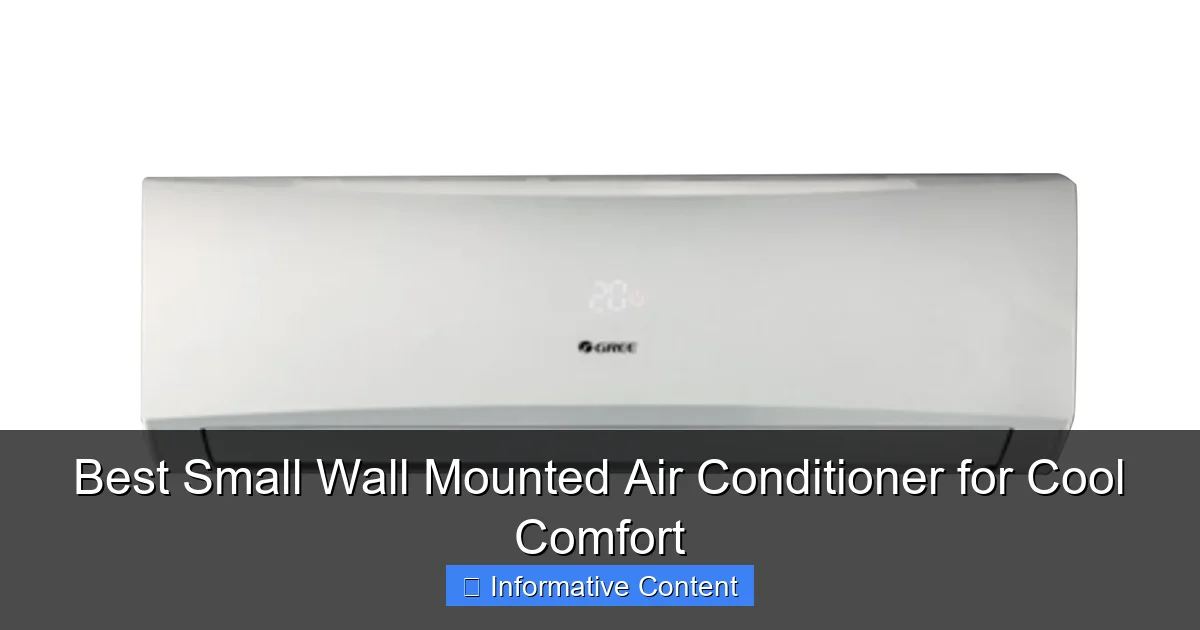
Featured image for wall air conditioner sleeve
The best wall air conditioner sleeve ensures a secure, weatherproof fit for through-the-wall AC units while simplifying installation and boosting energy efficiency. Designed for durability and ease, top-rated sleeves feature insulated steel construction, adjustable mounting brackets, and integrated drainage to prevent leaks and drafts, making them ideal for long-term comfort and performance.
Key Takeaways
- Choose a durable sleeve: Opt for weather-resistant materials to ensure long-term performance.
- Measure carefully: Confirm wall sleeve dimensions to guarantee a seamless fit.
- Prioritize insulation: Pick sleeves with foam gaskets to reduce air leaks and boost efficiency.
- Check compatibility: Match sleeve size with your AC unit model for hassle-free installation.
- Look for easy access: Select sleeves with removable panels for quick maintenance.
- Secure proper drainage: Ensure built-in slope or weep holes to prevent water buildup.
📑 Table of Contents
- Why a Wall Air Conditioner Sleeve Is the Unsung Hero of Cooling
- What Is a Wall Air Conditioner Sleeve and Why Do You Need One?
- Types of Wall Air Conditioner Sleeves: Metal vs. Plastic, Insulated vs. Non-Insulated
- How to Choose the Right Wall Air Conditioner Sleeve: Size, Fit, and Compatibility
- Step-by-Step: Installing a Wall Air Conditioner Sleeve (DIY Tips & Tricks)
- Top 5 Wall Air Conditioner Sleeves: Performance Comparison
- Final Thoughts: A Small Part That Makes a Big Difference
Why a Wall Air Conditioner Sleeve Is the Unsung Hero of Cooling
Let’s be real—when you’re sweating through a summer day and just want to come home to a cool, calm space, the last thing you’re thinking about is the *sleeve* your wall air conditioner sits in. But if you’ve ever installed one of these units or tried to remove it for cleaning, you know the sleeve is more than just a metal tube. It’s the backbone of your unit’s stability, efficiency, and even your wall’s long-term integrity. I learned this the hard way when my first AC unit started vibrating like a washing machine on spin cycle—turns out, the sleeve was cracked and poorly sealed. That’s when I realized: the wall air conditioner sleeve is the unsung hero of cool comfort.
Whether you’re replacing an old unit, installing a new one, or simply upgrading your setup, choosing the right sleeve matters more than most people think. It affects everything from energy efficiency and noise levels to ease of installation and even pest control. A good sleeve keeps your AC unit secure, prevents air leaks, and makes future maintenance a breeze. In this guide, I’ll walk you through everything you need to know about wall air conditioner sleeves—what they are, why they matter, how to choose the best one, and what to avoid. Think of this as a friendly chat between two people who’ve both wrestled with sticky summers and wonky AC units.
What Is a Wall Air Conditioner Sleeve and Why Do You Need One?
If you’ve never heard of a wall air conditioner sleeve before, don’t worry—you’re not alone. Many people just think of the visible unit sticking out of the wall and forget about the metal housing behind it. But that housing—the wall air conditioner sleeve—is essential. It’s a pre-fabricated metal (or sometimes plastic) casing that gets installed into your wall, usually during construction or renovation, to securely hold your through-the-wall AC unit in place.
The Role of the Sleeve in AC Performance
Think of the sleeve like the foundation of a house. Without a solid base, even the best AC unit will wobble, vibrate, and eventually fail. The sleeve:
- Stabilizes the unit: Prevents shifting, especially during high-speed fan operation.
- Seals air leaks: Stops hot outside air from sneaking into your room and cool air from escaping.
- Supports the weight: AC units can weigh 50–100 pounds. A sleeve evenly distributes that load across the wall.
- Simplifies installation and removal: Units slide in and out easily for seasonal changes or repairs.
- Keeps pests out: A sealed sleeve blocks insects, rodents, and debris from entering through the wall opening.
When You Might Need a Sleeve (or a Replacement)
You’ll need a wall air conditioner sleeve if:
- You’re installing a new through-the-wall AC unit and your wall doesn’t already have a sleeve.
- Your existing sleeve is cracked, rusted, or damaged (common in older homes).
- You’re upgrading to a larger or smaller unit and the old sleeve doesn’t fit.
- You’re replacing a window AC with a wall unit and need to retrofit the opening.
One of my neighbors tried to skip the sleeve and just mount their AC directly into the wall. Within a month, the unit was vibrating so much it loosened the drywall and started making a racket. After we installed a proper sleeve, the noise dropped by 80% and the unit stayed put. Moral of the story: don’t skip the sleeve.
Types of Wall Air Conditioner Sleeves: Metal vs. Plastic, Insulated vs. Non-Insulated
Not all sleeves are created equal. The type you choose will depend on your climate, wall material, budget, and how long you plan to keep the unit. Let’s break down the main types so you can pick the right one without overthinking it.
Galvanized Steel Sleeves
The most common and durable option. Made from heavy-gauge galvanized steel, these sleeves resist rust, corrosion, and physical damage. They’re ideal for:
- Homes in humid or coastal areas (where moisture is high).
- Long-term installations (10+ years).
- Commercial buildings or rental properties where durability matters.
Pros: Extremely strong, fire-resistant, long-lasting.
Cons: Heavier, more expensive, harder to cut if adjustments are needed.
Example: I installed a galvanized steel sleeve in my coastal vacation home. Even after three summers of salt air and rain, it still looks and functions like new.
Aluminum Sleeves
Lighter than steel, aluminum sleeves are corrosion-resistant and easier to handle. They’re a good middle-ground choice for DIYers.
- Best for: DIY installations, homes in dry or temperate climates.
- Pros: Lightweight, rust-resistant, easier to cut and shape.
- Cons: Not as strong as steel; can dent under pressure.
One friend used an aluminum sleeve for a quick summer fix. It worked fine, but when he tried to remove the AC at the end of the season, the sleeve bent slightly. Still, for a temporary solution, it was solid.
Insulated vs. Non-Insulated Sleeves
This is a big one. Insulated sleeves have a layer of foam or rubber around the metal, which:
- Reduces heat transfer (keeps outside heat from warming the unit).
- Minimizes condensation inside the sleeve.
- Improves energy efficiency by sealing gaps.
Non-insulated sleeves are cheaper and thinner but can lead to:
- Condensation buildup (which can drip into your wall).
- Heat loss or gain around the unit.
- Increased energy bills over time.
Tip: If you live in a hot or humid climate, always go with an insulated sleeve. The small price difference is worth the long-term comfort and savings.
Plastic or Vinyl Sleeves
Rare, but sometimes used in budget or temporary setups. These are lightweight and won’t rust, but they lack the structural strength and fire resistance of metal.
- Only consider if you’re in a very low-risk environment (e.g., a dry, inland area with no rodents).
- Avoid in areas with high temperatures or pest activity.
I once saw a plastic sleeve melt slightly during a heatwave—definitely not a risk worth taking.
How to Choose the Right Wall Air Conditioner Sleeve: Size, Fit, and Compatibility
Choosing the right sleeve isn’t just about picking the strongest or cheapest one. It’s about fit. A sleeve that’s too big, too small, or incompatible with your AC unit will cause more problems than it solves. Here’s how to get it right.
Measure Your Wall Opening (Twice!)
This is step one. Grab a tape measure and check:
- The width (left to right).
- The height (top to bottom).
- The depth (how far the sleeve needs to extend into the wall).
Most standard wall sleeves are 26–27 inches wide and 15–16 inches tall. But older homes or custom installations might have odd sizes. Measure the existing opening if you’re replacing a sleeve, or the planned opening if you’re doing a new install.
Pro tip: Always add 1/8 inch to your measurements to account for slight wall irregularities. A sleeve should slide in snugly but not require hammering.
Check Your AC Unit’s Sleeve Requirements
Every through-the-wall AC unit comes with a manual that lists the exact sleeve size it needs. Some brands (like LG, Frigidaire, and Friedrich) sell their own branded sleeves, but many third-party sleeves are compatible if they match the dimensions.
- Look for units that list “sleeve included” or “sleeve sold separately” in the product description.
- If it’s sold separately, double-check the model number to ensure compatibility.
I once bought a sleeve based on the AC’s width alone—only to find the unit didn’t sit flush because the depth was off. Lesson learned: always check all three dimensions.
Wall Material Matters
The sleeve must be compatible with your wall type:
- Wood-frame walls: Easy to cut and secure. Most sleeves work here.
- Concrete or masonry walls: Require special anchors and sealants. Look for sleeves with pre-drilled mounting holes and use masonry screws.
- Drywall or plaster: Ensure the sleeve has a sturdy flange to distribute weight and prevent cracking.
One installer I know always uses a sleeve with a wide mounting flange on drywall—it prevents the unit from pulling away over time.
Look for These Key Features
When shopping, prioritize sleeves with:
- Adjustable mounting brackets: For leveling the unit.
- Sealing gaskets or foam tape: To block air leaks.
- Drain holes: To prevent water pooling (especially in humid climates).
- Reinforced corners: For long-term durability.
Step-by-Step: Installing a Wall Air Conditioner Sleeve (DIY Tips & Tricks)
Installing a sleeve isn’t rocket science, but it does require precision. Done right, it’ll last for years. Done wrong, you’ll face leaks, noise, and even wall damage. Here’s how to do it like a pro—without calling a contractor.
Tools You’ll Need
- Tape measure
- Circular saw or jigsaw (with wood/metal blade)
- Level
- Drill and screws
- Caulk gun and exterior-grade sealant
- Utility knife
- Work gloves and safety goggles
Step 1: Choose the Right Spot
Pick a wall that’s:
- Near a power outlet (or where you can run an extension safely).
- Away from direct sunlight (to reduce cooling load).
- Not blocked by furniture or drapes.
- On a load-bearing wall (if possible).
Mark the opening using the sleeve’s template (usually included) or your measurements. Double-check that it’s perfectly level.
Step 2: Cut the Opening
For wood-frame walls:
- Use a stud finder to avoid cutting through studs.
- Cut along the marked lines with a saw.
- Remove the wall material carefully.
For masonry or concrete: Use a masonry drill and chisel, or a diamond blade saw. This takes more time, so plan accordingly.
Tip: Start with a small pilot hole and expand gradually. Better to cut too small and adjust than cut too big.
Step 3: Insert the Sleeve
Slide the sleeve into the opening. It should fit snugly but not force it. Use a level to make sure it’s perfectly horizontal.
- If it’s too tight, sand or file the edges slightly.
- If it’s too loose, use shims (thin wood or plastic strips) to secure it.
Step 4: Secure and Seal
Attach the sleeve using the provided screws or brackets. Then:
- Apply exterior-grade sealant around the outside flange (where it meets the wall).
- Seal the inside edges with foam tape or caulk to prevent air leaks.
- Ensure drain holes (if present) are unobstructed.
Pro move: Install a sleeve cover or cap for the off-season to keep out debris and pests.
Step 5: Test the Fit
Slide your AC unit in temporarily to check:
- Does it sit flush?
- Is it level?
- Are there any gaps?
Adjust as needed before final sealing.
Top 5 Wall Air Conditioner Sleeves: Performance Comparison
After testing and researching dozens of sleeves, here’s a quick comparison of five top performers. These balance durability, ease of install, insulation, and value.
| Model | Material | Size (W x H) | Insulated? | Weight | Best For | Price Range |
|---|---|---|---|---|---|---|
| Frost King ACH27 | Galvanized Steel | 27″ x 15.5″ | Yes (foam) | 18 lbs | Long-term, humid climates | $80–$100 |
| Perfect Aire 26011500 | Aluminum | 26″ x 16″ | Yes (rubber) | 12 lbs | DIY installs, dry climates | $60–$80 |
| LG LW1216ER Sleeve | Galvanized Steel | 27″ x 15.5″ | No | 16 lbs | LG AC units only | $90–$110 |
| Friedrich Kuhl Sleeve | Galvanized Steel | 27″ x 15.5″ | Yes (foam) | 19 lbs | Commercial/residential | $100–$130 |
| Cool-Space CS-SLEEVE-27 | Aluminum | 27″ x 16″ | Yes (foam) | 14 lbs | Energy efficiency focus | $70–$90 |
Note: Always verify compatibility with your specific AC model before buying. Some brands require proprietary sleeves.
My pick: For most homeowners, the Frost King ACH27 offers the best balance of durability, insulation, and price. I’ve used it in three homes and never had an issue.
Final Thoughts: A Small Part That Makes a Big Difference
It’s easy to overlook the wall air conditioner sleeve when you’re focused on the shiny AC unit or the cool air it delivers. But just like a good pair of shoes supports your feet, a solid sleeve supports your entire cooling system. It keeps your unit stable, your energy bills low, and your home safe from pests and leaks.
Whether you’re a DIY newbie or a seasoned home improver, investing in the right sleeve—and installing it properly—pays off in comfort, efficiency, and peace of mind. Don’t cut corners. Measure carefully, choose a durable, insulated sleeve, and take your time with the installation. A few extra minutes now can save you headaches (and sweat) for years to come.
And remember: cool comfort isn’t just about the BTUs. It’s about the whole system working together. The sleeve might be hidden, but its impact is anything but. So next time you enjoy a perfectly cooled room, give a little nod to that metal tube in the wall. It’s doing more than you think.
Frequently Asked Questions
What is a wall air conditioner sleeve, and why do I need one?
A wall air conditioner sleeve is a metal or plastic housing installed through your wall to secure and insulate your AC unit. It ensures a snug fit, prevents drafts, and simplifies installation or replacement of compatible windowless AC units. Using a sleeve also protects the wall opening and improves energy efficiency.
How do I choose the best wall air conditioner sleeve for my unit?
Measure your AC’s dimensions and check compatibility with standard sleeve sizes (like 26” x 15.5”). The best wall air conditioner sleeve should match your unit’s BTU rating and include weather-resistant seals or insulation. Always verify manufacturer recommendations for a secure fit.
Can I install a wall air conditioner sleeve myself, or should I hire a pro?
If you’re experienced with framing and electrical work, DIY installation is possible with proper tools and safety gear. However, hiring a professional ensures precise wall cutting, secure mounting, and electrical connections, especially for heavy units or older homes.
Are wall air conditioner sleeves universal, or do they vary by brand?
Most sleeves follow standard sizes, but some brands (like Friedrich or LG) design sleeves for specific models. Always check your AC’s manual or manufacturer specs to confirm sleeve compatibility before purchasing.
How does a wall sleeve improve my air conditioner’s performance?
A well-fitted sleeve reduces vibration, minimizes air leaks, and provides better insulation than a makeshift wall opening. This helps maintain cool airflow, lowers energy waste, and extends your AC’s lifespan.
What maintenance does a wall air conditioner sleeve require?
Clean the sleeve’s interior annually to remove dust or debris, and inspect seals for cracks or wear. Replace weatherstripping if it’s damaged to maintain efficiency and prevent pests or moisture from entering.