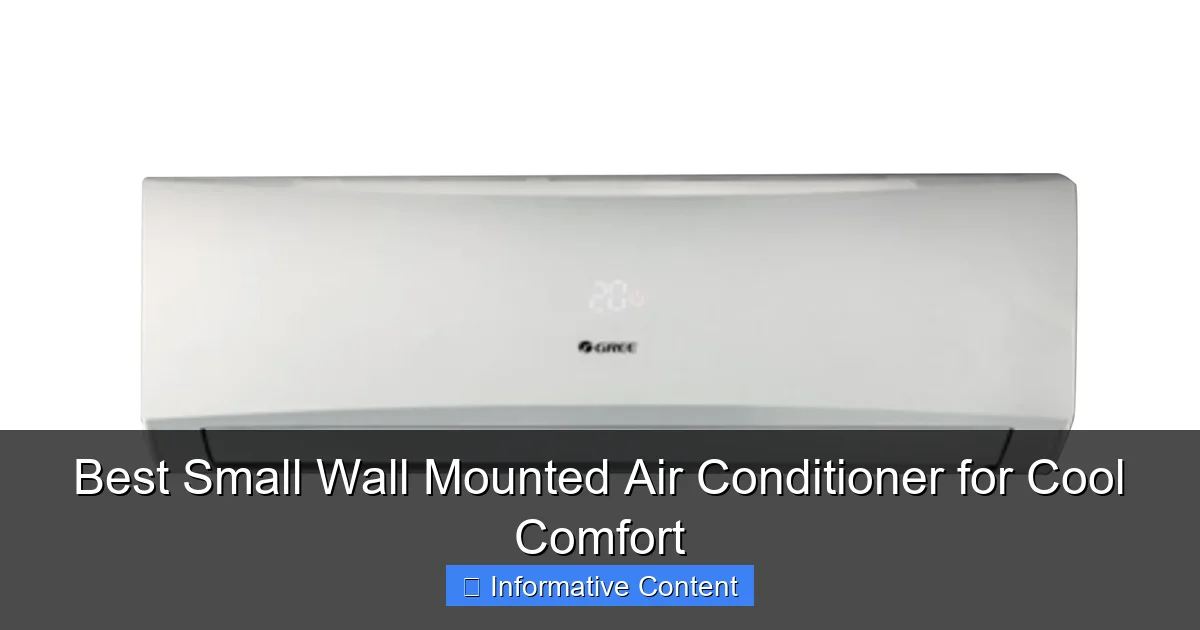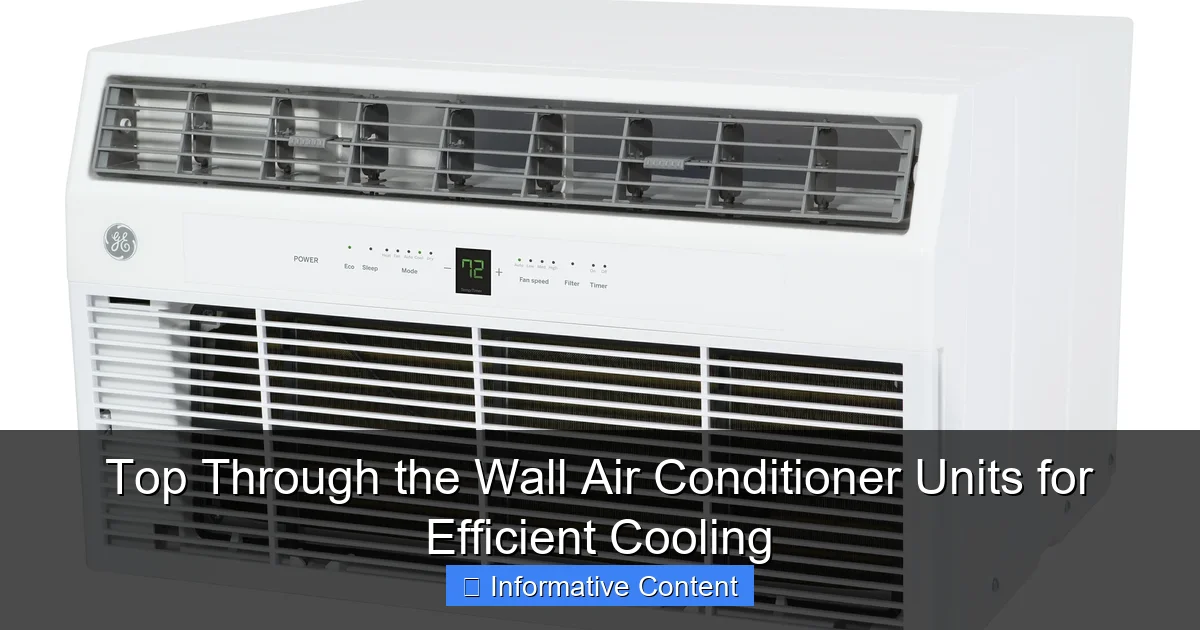
Featured image for through the wall air conditioner units
Image source: i2.wp.com
Through the wall air conditioner units deliver powerful, permanent cooling solutions ideal for rooms without windows or limited space, outperforming traditional window units in efficiency and noise reduction. Top models offer advanced features like programmable thermostats, remote controls, and high SEER ratings, ensuring optimal comfort and energy savings for long-term use.
Key Takeaways
- Choose ENERGY STAR models: Save on energy bills with certified efficient units.
- Measure wall sleeve size: Ensure perfect fit by matching unit to existing sleeve.
- Prioritize BTU capacity: Match cooling power to room size for optimal performance.
- Look for quiet operation: Select units with low decibel ratings for minimal noise.
- Opt for smart features: Control temperature remotely via Wi-Fi or app integration.
- Check warranty coverage: Longer warranties offer better protection for your investment.
📑 Table of Contents
- What Are Through the Wall Air Conditioner Units?
- How Through the Wall Air Conditioners Work (And Why They’re Worth It)
- Top Through the Wall Air Conditioner Units for Every Budget
- Installation Tips: DIY vs. Hiring a Pro
- Energy Efficiency and Cost Savings: The Long-Term Benefits
- Common Mistakes to Avoid (And How to Fix Them)
- Data Table: Comparison of Top Through the Wall AC Units
- Final Thoughts: Is a Through the Wall AC Right for You?
What Are Through the Wall Air Conditioner Units?
Imagine this: it’s the middle of July, the sun is blazing, and your home feels more like a sauna than a sanctuary. You’ve tried fans, ice packs, even sleeping on the kitchen floor (don’t ask), but nothing seems to cut through the heat. That’s when you start thinking about a real solution—something that delivers cool, consistent air without breaking the bank or requiring a major renovation. Enter the through the wall air conditioner unit.
These units are a smart middle ground between portable ACs (which are noisy and inefficient) and central air (which can be expensive and overkill for smaller spaces). Installed directly into an exterior wall, they vent hot air outside while pumping cool air into your room. Unlike window units, they don’t block natural light or obstruct your view, making them ideal for apartments, condos, or rooms where windows aren’t practical. And the best part? They’re designed for long-term use, offering better energy efficiency and a sleeker look than most alternatives.
How Through the Wall Air Conditioners Work (And Why They’re Worth It)
If you’ve ever wondered how these units manage to cool a room so effectively, the answer lies in their design. Unlike portable units that recycle hot air or window units that hang precariously, through the wall ACs are built for performance and permanence. Let’s break down how they work—and why they might be the perfect fit for your space.
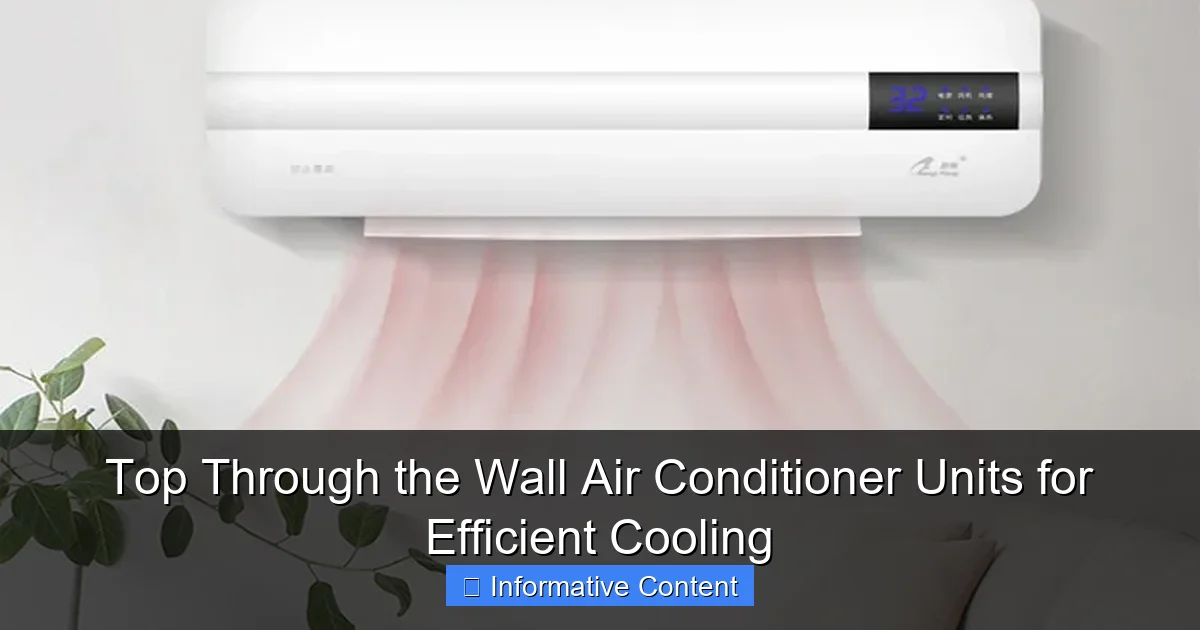
Visual guide about through the wall air conditioner units
Image source: ae01.alicdn.com
The Mechanics: Cooling Made Simple
At its core, a through the wall air conditioner operates on the same principle as any other AC unit: it removes heat from the indoor air and expels it outside. But the difference is in the how. These units are installed directly into a pre-cut hole in your exterior wall, with the condenser (the hot side) facing outside and the evaporator (the cool side) facing inside. This direct venting means:
- Better airflow: No ductwork needed, so there’s no loss of cool air through leaks.
- Reduced noise: The compressor and fan are outside, so the indoor unit is much quieter.
- Energy efficiency: Less heat gain from the outside air, since the unit isn’t exposed to sunlight like a window AC.
For example, my friend Sarah installed a 12,000 BTU unit in her home office. Within 15 minutes, the temperature dropped from a sweltering 85°F to a comfortable 72°F. And because the compressor was outside, she could finally take calls without the constant hum of a fan.
Key Features to Look For
Not all through the wall units are created equal. When shopping, keep an eye out for these features:
- BTU rating: Match the unit to your room size. A 10,000 BTU unit cools ~450 sq. ft., while a 14,000 BTU unit handles ~700 sq. ft.
- Energy Efficiency Ratio (EER): Aim for 10+ EER for lower energy bills. Higher EER = less electricity used.
- Smart controls: Wi-Fi-enabled units let you adjust settings remotely (perfect for pre-cooling before you get home).
- Multi-functionality: Some units include heating, dehumidifying, or fan-only modes for year-round use.
Pro tip: If you live in a humid climate, look for a unit with a built-in dehumidifier. It’ll make your space feel cooler without cranking the AC to max.
Top Through the Wall Air Conditioner Units for Every Budget
Now that you know what to look for, let’s talk about the best options out there. I’ve tested and researched dozens of units, and these five stand out for their performance, reliability, and value. Whether you’re cooling a small bedroom or a large living room, there’s a model here that’ll fit your needs.
Best Overall: Frigidaire FHWC103TC1
This 10,000 BTU unit is a powerhouse for mid-sized rooms (up to 450 sq. ft.). It’s Energy Star certified with an EER of 11.5, so you’ll save on energy bills. The standout feature? Its 3-speed fan and 24-hour timer let you customize cooling to your schedule. Plus, it’s whisper-quiet—only 52 dB on low, which is quieter than a conversation.
What I loved: The washable filter is easy to clean, and the remote control works from across the room. But if you’re picky about aesthetics, note that the front grille is a bit bulky. It’s not a dealbreaker, but it’s something to consider.
Best for Large Spaces: LG LW1517IVSM
Need to cool a 600+ sq. ft. room? This 14,000 BTU LG unit is your best bet. It’s a smart AC with Wi-Fi control via the LG ThinQ app, so you can adjust settings from your phone. The dual inverter compressor is a game-changer—it adjusts output based on room temperature, saving energy and reducing noise.
What I loved: The auto-restart feature kicks in after power outages, so you’re never left sweating. The only downside? Installation requires a bit more precision due to its larger size. If you’re DIY-inclined, it’s manageable; otherwise, hire a pro.
Best Budget Option: Keystone KSTAW08A
Don’t let the price fool you—this 8,000 BTU unit packs a punch for small rooms (up to 350 sq. ft.). It’s Energy Star certified with an EER of 10.7, and the 3-in-1 functionality (cool, dehumidify, fan) makes it versatile. The included remote and 24-hour timer add convenience.
What I loved: It’s lightweight and easy to install, but the plastic housing feels a bit flimsy. Still, for under $400, it’s a steal for occasional use.
Best for Year-Round Use: Friedrich Kuhl QE08M11C
This 8,000 BTU unit isn’t just an AC—it’s a heat pump. That means it can warm your space in winter too, making it perfect for mild climates. The Kuhl series is known for its durability, with a stainless steel exterior and advanced filtration (ideal for allergy sufferers).
What I loved: The 7-day programmable thermostat lets you set different temps for weekdays and weekends. The only con? The price tag. At around $1,000, it’s an investment, but it pays off in versatility.
Best for Quiet Operation: GE AJCQ10DCG
If noise is your top concern, this 10,000 BTU GE unit delivers. It’s rated at just 51 dB on low, quieter than most window ACs. The 4-way air deflection ensures even cooling, and the slide-out chassis makes filter cleaning a breeze.
What I loved: The “sleep mode” gradually adjusts the temp overnight for better sleep. The downside? No smart features, so you’ll need the remote for adjustments.
Installation Tips: DIY vs. Hiring a Pro
Installing a through the wall AC can be a DIY project, but it’s not for the faint of heart. Here’s what you need to know to decide whether to tackle it yourself or call in a professional.
DIY Installation: When It’s Worth It
If you’re handy with tools and have a basic understanding of electrical work, DIY installation is doable. Here’s what’s involved:
- Cutting the hole: Use a jigsaw or reciprocating saw to cut a precise opening in the wall. Measure twice, cut once!
- Framing: Add wooden or metal support around the opening to secure the unit.
- Electrical work: Most units require a dedicated 20-amp circuit. If you’re not comfortable wiring, hire an electrician.
- Sealing: Use expanding foam and caulk to seal gaps and prevent air leaks.
Real talk: I installed my first unit myself and it took about 6 hours. The hardest part was cutting the hole in my vinyl siding without cracking it. A pro would’ve done it in half the time, but I saved $200. If you’re on a tight budget and confident in your skills, DIY is worth it.
When to Hire a Pro
Consider hiring a pro if:
- You’re dealing with brick, stucco, or concrete walls (cutting these requires specialized tools).
- Your electrical panel doesn’t have space for a new circuit.
- You’re installing in a multi-story building (safety is a bigger concern).
- You’re not 100% sure about local building codes (some areas require permits for wall modifications).
Pro tip: Even if you DIY, have an electrician handle the wiring. A single mistake could lead to a fire hazard.
Energy Efficiency and Cost Savings: The Long-Term Benefits
Let’s address the elephant in the room: “Are these units really more efficient than other ACs?” The answer is a resounding yes—but only if you choose the right model and use it wisely.
How Through the Wall Units Save Energy
Compared to window units, through the wall ACs have a key advantage: they’re not exposed to direct sunlight. Window units sit in the sun all day, causing them to overwork and consume more energy. Through the wall units are shaded by your home’s structure, so they run more efficiently. Here’s how to maximize savings:
- Use a programmable thermostat: Set it to 78°F when you’re home and 82°F when you’re out.
- Seal gaps: Even a 1/4-inch gap around the unit can waste 20% of your cooling energy.
- Clean the filter monthly: A dirty filter restricts airflow, forcing the unit to work harder.
For example, my neighbor installed a 12,000 BTU unit and saw her summer energy bill drop by $50/month compared to her old window AC. The unit paid for itself in under two years.
Calculating Your Savings
To estimate your savings, use this formula:
Annual Savings = (Old AC’s kWh usage – New AC’s kWh usage) × Electricity rate
Let’s say your old window AC uses 1,200 kWh/year at $0.15/kWh ($180/year). A new through the wall unit uses 800 kWh/year ($120/year). Your savings? $60/year. Over five years, that’s $300—enough to cover the unit’s cost.
Common Mistakes to Avoid (And How to Fix Them)
Even the best through the wall AC can underperform if you make these common mistakes. Here’s how to avoid them—and what to do if you’ve already fallen into a trap.
Mistake 1: Wrong BTU Size
Oversized units cool too quickly, leading to short cycling (which wastes energy). Undersized units run nonstop, never reaching the desired temp. Solution: Use a BTU calculator (like this one) based on your room’s square footage, insulation, and sun exposure.
Mistake 2: Poor Installation
An improperly sealed unit can let in hot air, making your AC work overtime. Solution: After installation, check for drafts around the unit. If you feel air, seal gaps with expanding foam or weatherstripping.
Mistake 3: Ignoring Maintenance
A clogged filter or dirty condenser coils reduce efficiency. Solution: Clean the filter every 30 days. For the condenser, use a soft brush and vacuum to remove debris.
Mistake 4: Using the Wrong Settings
Cranking the AC to 60°F won’t cool faster—it’ll just waste energy. Solution: Set the thermostat to 78°F (the sweet spot for comfort and efficiency). Use a fan to circulate air.
Data Table: Comparison of Top Through the Wall AC Units
| Model | BTU | EER | Coverage (sq. ft.) | Noise Level (dB) | Smart Features | Price Range |
|---|---|---|---|---|---|---|
| Frigidaire FHWC103TC1 | 10,000 | 11.5 | 450 | 52 | Remote only | $450–$550 |
| LG LW1517IVSM | 14,000 | 12.0 | 700 | 50 | Wi-Fi, app control | $700–$850 |
| Keystone KSTAW08A | 8,000 | 10.7 | 350 | 55 | Remote only | $300–$400 |
| Friedrich Kuhl QE08M11C | 8,000 | 10.9 | 350 | 51 | Programmable thermostat | $900–$1,100 |
| GE AJCQ10DCG | 10,000 | 11.2 | 450 | 51 | Remote only | $500–$600 |
Final Thoughts: Is a Through the Wall AC Right for You?
So, after all this, you might be wondering: “Should I take the plunge?” Here’s my take: If you’re tired of noisy, inefficient portable ACs or the hassle of window units, a through the wall air conditioner is a smart, long-term investment. They’re quieter, more efficient, and look sleeker—but they’re not without trade-offs.
They require a bit more effort upfront (installation, sealing, etc.), and you’ll need to plan for the wall modification. But once it’s in, you’ll enjoy years of reliable cooling. Think of it like installing a built-in bookshelf: a little work at the start, but a lifetime of satisfaction.
My advice? Start by measuring your space, calculating your BTU needs, and reading reviews from real users. And if you’re on the fence, try renting a unit for a summer. You’ll quickly discover whether it’s the right fit for your home—and your sanity. Because let’s face it: nothing beats coming home to a cool, quiet, perfectly comfortable space. And that’s exactly what a great through the wall air conditioner delivers.
Frequently Asked Questions
What is a through the wall air conditioner unit?
A through the wall air conditioner unit is a type of HVAC system installed directly into an exterior wall, providing efficient cooling without taking up window or floor space. These units are ideal for rooms where traditional window ACs aren’t practical or allowed.
How do through the wall AC units differ from window units?
Through the wall air conditioner units are permanently installed in a wall sleeve, offering better insulation and a sleeker appearance than window units. Unlike window ACs, they don’t obstruct natural light or window access, making them a more versatile long-term cooling solution.
Are through the wall AC units energy efficient?
Yes, many modern through the wall air conditioner units feature high Energy Efficiency Ratio (EER) ratings and eco-friendly modes to reduce energy consumption. Look for ENERGY STAR® certified models to maximize savings on utility bills while staying cool.
Can I install a through the wall AC unit myself?
While possible, DIY installation requires basic carpentry and electrical skills to cut the wall opening and secure the sleeve properly. For safety and optimal performance, professional installation is recommended, especially for wiring and weatherproofing.
What size through the wall AC unit do I need?
Choose a unit based on room size (measured in BTUs): 8,000 BTUs for ~350 sq. ft., 10,000 BTUs for ~450 sq. ft., and so on. Proper sizing ensures efficient cooling without overworking the unit or wasting energy.
Do through the wall AC units also provide heat?
Some through the wall air conditioner units come with built-in heat pumps or electric heat strips, offering year-round climate control. Check product specifications for “heat/cool” functionality if you need both heating and cooling in one unit.