
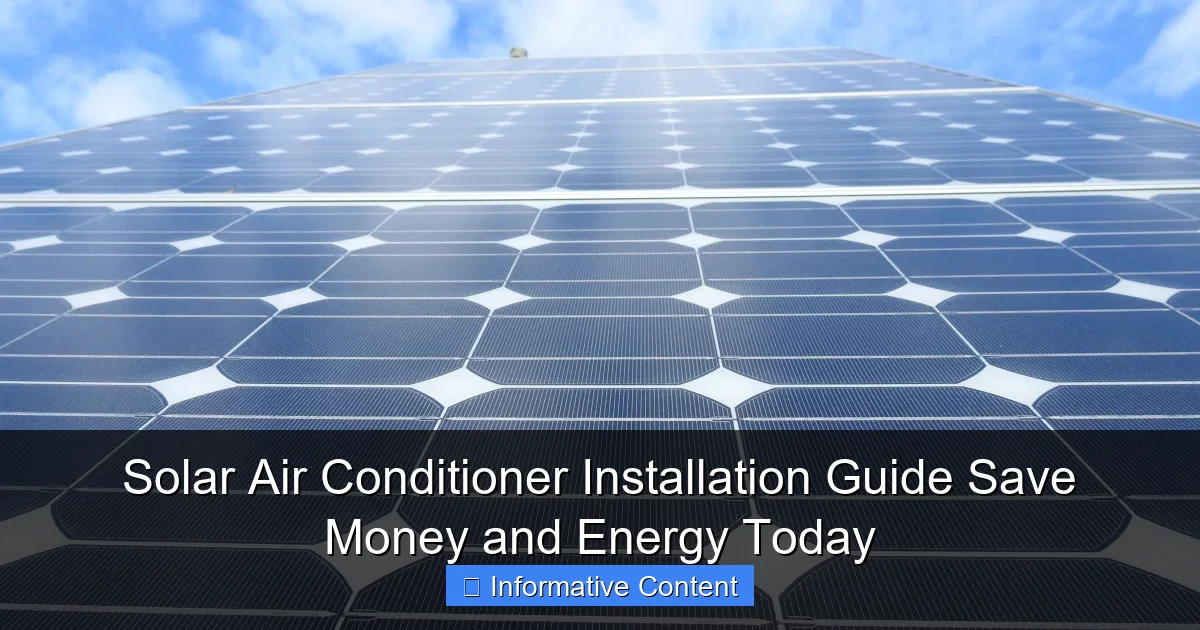
Featured image for solar air conditioner installation
Image source: c.pxhere.com
Solar air conditioner installation lets you cut energy bills by up to 50% while reducing your carbon footprint—making it a smart, sustainable upgrade for any home. Proper setup, including optimal panel placement and inverter compatibility, ensures maximum efficiency and long-term savings. Start harnessing the sun’s power today for cooler, greener living.
Key Takeaways
- Assess sunlight exposure: Ensure your location receives ample sunlight for optimal solar AC efficiency.
- Choose the right size: Match your solar air conditioner to your space’s cooling needs precisely.
- Hire certified installers: Use professionals experienced in solar HVAC systems for safe, effective installation.
- Maximize energy savings: Pair your solar AC with smart thermostats to reduce electricity use further.
- Maintain panels regularly: Clean and inspect solar panels every 3–6 months for peak performance.
- Check local incentives: Research tax credits or rebates to lower upfront installation costs significantly.
📑 Table of Contents
- Why Solar Air Conditioner Installation Is a Smart Move for Your Home
- How Solar Air Conditioners Work: The Basics You Need to Know
- Choosing the Right Solar Air Conditioner: Key Factors to Consider
- Step-by-Step Installation Process: What to Expect
- Cost Breakdown and Long-Term Savings: Is It Worth It?
- Maintenance Tips and Troubleshooting: Keep Your System Running Smoothly
- The Bottom Line: A Cooler, Greener Future
Why Solar Air Conditioner Installation Is a Smart Move for Your Home
Imagine this: It’s the middle of summer, and the heat is relentless. You’re sweating, the fan isn’t helping, and your electricity bill is creeping up like a shadow in the late afternoon. Now, picture turning on your air conditioner without worrying about skyrocketing energy costs. That’s the magic of a solar air conditioner. It’s not just a cooler home; it’s a cooler planet and a lighter wallet. I remember the first time I considered switching to solar cooling. I was tired of choosing between comfort and cost, and I knew there had to be a better way. After researching and installing a solar AC system myself, I can tell you—it’s one of the smartest decisions I’ve made for my home.
Solar air conditioner installation isn’t just about going green—it’s about saving green too. Traditional air conditioners are notorious energy guzzlers, especially during peak summer months. But with solar-powered units, you can cut your electricity bills by up to 90% in some cases. Plus, many governments offer tax credits and rebates for solar installations, making the switch even more affordable. Whether you’re a homeowner, renter with landlord approval, or just curious about sustainable living, this guide will walk you through everything you need to know. From how solar ACs work to choosing the right system and avoiding common pitfalls, we’ve got you covered.
How Solar Air Conditioners Work: The Basics You Need to Know
Understanding the Core Components
Let’s break it down simply. A solar air conditioner uses sunlight to power your cooling system, but it’s not as straightforward as slapping solar panels on your roof and calling it a day. There are three main types of solar AC systems, each with its own setup and benefits:
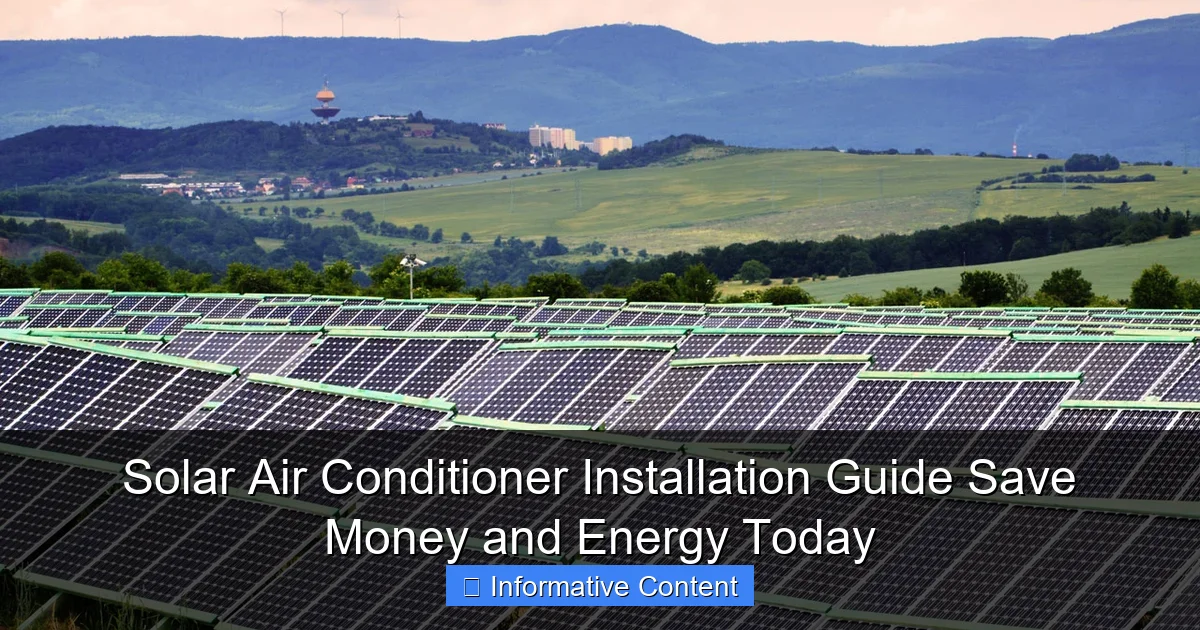
Visual guide about solar air conditioner installation
Image source: publicdomainpictures.net
- Direct DC Systems: These run entirely on solar panels, using direct current (DC) power. They’re the simplest and most efficient for off-grid homes or areas with frequent power outages.
- Hybrid Systems: These combine solar panels with a battery backup and can switch to grid power when sunlight is low. Think of them as the “best of both worlds” option.
- Grid-Tied ACs with Solar Panels: These are traditional AC units powered by solar panels through an inverter. They feed excess energy back to the grid, earning you credits via net metering.
For example, my hybrid system kicks in with solar power during the day but seamlessly switches to the grid at night. It’s like having a backup plan for your backup plan.
How Solar Panels and Inverters Work Together
Solar panels capture sunlight and convert it into DC electricity. But your air conditioner runs on alternating current (AC), so here’s where the inverter comes in. The inverter converts DC power into AC power your home can use. Some advanced systems have “microinverters” on each panel, optimizing energy production even if one panel is shaded. I learned this the hard way when a tree branch cast shade on my panels for a few hours—my energy output dropped significantly until I trimmed the tree!
Pro tip: If you’re using a hybrid or grid-tied system, invest in a high-efficiency inverter. Look for models with a 95%+ efficiency rating to minimize energy loss during conversion.
Real-World Example: A Day in the Life of a Solar AC
Let’s say it’s 10 AM on a sunny Tuesday. Your solar panels are soaking up sunlight, generating 5 kW of power. Your AC needs 3 kW to run, so the excess 2 kW charges your battery (if you have one) or feeds back to the grid. By 3 PM, the sun is blazing, and your panels are producing 7 kW—plenty to cool your home while storing extra energy. At 8 PM, when the sun sets, your battery (or the grid) takes over. No sweat, no stress, and no surprise bills.
Choosing the Right Solar Air Conditioner: Key Factors to Consider
Assess Your Cooling Needs
Not all solar ACs are created equal. Before buying, calculate your home’s cooling load. This depends on:
- Square footage of your home
- Insulation quality (e.g., attic insulation, window types)
- Number of occupants (more people = more body heat)
- Local climate (desert heat vs. coastal humidity)
I once met a friend who bought a 12,000 BTU unit for their 1,500 sq ft home—it was overkill and wasted energy. Use a cooling load calculator (many are free online) to find the right size. A unit that’s too small will struggle to cool, while one that’s too large will cycle on/off frequently, reducing efficiency.
Solar Panel Requirements: How Many Do You Need?
Most residential AC units require 2–4 kW of solar power to run efficiently. For example:
- A 1.5-ton AC (18,000 BTU) needs ~3 kW of solar panels.
- A 3-ton AC (36,000 BTU) needs ~6 kW of panels.
But here’s the catch: Your panels’ output depends on your roof’s orientation, shading, and local sunlight hours. In Arizona, a 3 kW system might generate 500 kWh/month, while in Seattle, it could be 300 kWh. Use tools like PVWatts (by NREL) to estimate your production.
Hybrid vs. Off-Grid: Which System Fits Your Lifestyle?
- Hybrid Systems: Ideal for most homeowners. They work with the grid but prioritize solar power. You’ll need batteries for backup (optional but recommended for blackouts).
- Off-Grid Systems: Best for remote areas without reliable electricity. They require larger solar arrays and bigger batteries, which can be expensive. I know a family in Colorado who went off-grid and now powers their entire home—including the AC—with solar. Their upfront cost was high, but they haven’t paid an electric bill in 5 years.
Ask yourself: Do you want total energy independence, or are you okay with grid backup? Your answer will guide your choice.
Step-by-Step Installation Process: What to Expect
Step 1: Site Assessment and Permits
Before buying anything, get a professional site assessment. A solar installer will check:
- Roof condition (can it support panels?)
- Sunlight exposure (shade from trees, chimneys, etc.)
- Electrical compatibility (your home’s wiring)
You’ll also need permits from your local utility company and building department. This process can take 1–3 weeks. In my case, the permit took longer because my neighborhood had strict HOA rules. Pro tip: Start this early to avoid delays.
Step 2: Mounting the Solar Panels
Installers will:
- Attach racking systems to your roof (or ground mounts, if you prefer).
- Secure the panels with clamps and sealants to prevent leaks.
- Angle the panels for optimal sun exposure (usually facing south in the Northern Hemisphere).
I chose ground-mounted panels because my roof was shaded. The installers used a 30-degree tilt, which worked perfectly. Expect this step to take 1–2 days.
Step 3: Installing the Inverter and Electrical Connections
The inverter is the heart of your system. Installers will:
- Mount the inverter near your electrical panel (often in the garage or basement).
- Run DC wiring from the panels to the inverter.
- Connect the inverter to your home’s AC electrical panel.
Safety first: Always hire a licensed electrician for this part. I made the mistake of trying to DIY the wiring once—it ended with a tripped breaker and a $150 electrician visit.
Step 4: Connecting the Air Conditioner
Now, the fun part! Your installer will:
- Mount the indoor and outdoor AC units (if it’s a split system).
- Connect the AC to the inverter via dedicated wiring.
- Test the system to ensure it powers on and cools properly.
For hybrid systems, they’ll also install a transfer switch to let the AC draw from the grid or battery as needed. My installer took an extra hour to fine-tune the refrigerant levels—a small detail that made a huge difference in efficiency.
Cost Breakdown and Long-Term Savings: Is It Worth It?
Upfront Costs: What You’ll Pay
Solar AC installation isn’t cheap, but it pays for itself over time. Here’s a rough breakdown for a 3-ton hybrid system:
| Component | Cost Range | Notes |
|---|---|---|
| Solar Panels (6 kW) | $12,000–$18,000 | Depends on brand (e.g., SunPower vs. Canadian Solar) |
| Inverter | $1,500–$3,000 | Microinverters cost more but offer better monitoring |
| AC Unit (3-ton) | $3,000–$5,000 | Solar-ready models are pricier but more efficient |
| Battery Backup (optional) | $7,000–$14,000 | Lifepo4 batteries last longer but cost more |
| Installation Labor | $2,000–$5,000 | Varies by location and complexity |
| Total | $25,500–$45,000 | Before incentives |
Ouch, right? But wait—there’s good news.
Government Incentives and Rebates
The U.S. Federal Solar Tax Credit covers 30% of your system cost (until 2032). Many states offer additional rebates:
- California: Up to $3,000 for solar ACs via the SGIP program.
- New York: $1,000–$2,000 for heat pump ACs.
- Texas: Property tax exemption for solar equipment.
After incentives, my system cost dropped from $32,000 to $22,400. Check DSIRE (Database of State Incentives for Renewables) for local deals.
Long-Term Savings: Crunching the Numbers
Let’s say your solar AC saves $1,500/year on electricity (average for a 3-ton unit). With a $22,400 investment:
- Payback Period: ~15 years (without incentives) or ~10 years (with incentives).
- 25-Year Savings: $37,500 (minus maintenance costs).
Plus, solar panels increase your home’s value. A 2023 study by Zillow found homes with solar sell for 4.1% more on average. Not bad for a cooler home!
Maintenance Tips and Troubleshooting: Keep Your System Running Smoothly
Routine Maintenance Tasks
Like any appliance, your solar AC needs TLC. Here’s what to do:
- Clean Solar Panels: Rinse with water every 6–12 months. Dust, pollen, and bird droppings reduce efficiency by up to 25%. I use a garden hose with a soft brush—no soap needed.
- Check Refrigerant Levels: Low refrigerant causes weak cooling. Hire an HVAC pro to top it up (never DIY refrigerant).
- Inspect Wiring and Connections: Loose wires can cause fires or system failures. Do this annually.
My neighbor ignored panel cleaning for a year and saw a 15% drop in output. A simple rinse fixed it!
Common Issues and Fixes
- AC Won’t Power On: Check the inverter display. If it shows “no input,” clean the panels or check for shading.
- Weak Cooling: Clean or replace AC filters every 3 months. Clogged filters strain the system.
- Battery Not Charging: Test the charge controller. If it’s faulty, replace it ASAP.
When in doubt, call a pro. I once thought my inverter was broken—it turned out to be a loose wire. The $100 service call saved me $1,000 in repairs.
Monitoring Your System
Most solar inverters come with apps that track energy production and usage. Use them to:
- Spot drops in output (e.g., a dirty panel or failing component).
- Optimize usage (e.g., run the AC during peak solar hours).
I check my app daily. Last summer, I noticed my panels were producing 20% less than usual—a quick tree trim solved it.
The Bottom Line: A Cooler, Greener Future
Installing a solar air conditioner isn’t just about saving money—it’s about taking control of your energy future. Yes, the upfront cost is steep, but the long-term savings, environmental benefits, and peace of mind are priceless. I love knowing that my AC is powered by the sun, not a coal plant. And when my neighbors complain about their $500 summer bills, I smile and say, “Mine’s $50.” Solar AC installation is a journey, but it’s one worth taking. Start small if you need to—a single solar-powered window unit can make a difference. Or go big with a full hybrid system. Either way, you’ll be cooler, greener, and richer in the long run. So why wait? The sun’s shining, and your savings are waiting.
Frequently Asked Questions
How does solar air conditioner installation work?
Solar air conditioner installation involves mounting solar panels on your roof or ground-mounted structure to power the AC unit. The panels convert sunlight into electricity, either directly powering the unit or storing energy in batteries for later use, reducing reliance on the grid.
Is solar air conditioner installation cost-effective?
Yes, while the upfront cost is higher than traditional AC units, solar air conditioner installation significantly reduces electricity bills over time. Many homeowners also benefit from tax credits, rebates, and long-term energy savings, making it a smart financial investment.
Can I install a solar air conditioner myself?
DIY installation is not recommended due to the complexity of electrical and refrigerant systems. Professional solar air conditioner installation ensures safety, compliance with local codes, and optimal system performance. Always hire a licensed technician.
What size solar system do I need for my air conditioner?
The size depends on your AC unit’s power consumption and local sunlight conditions. A professional installer can assess your needs and design a solar system to match your cooling requirements, typically ranging from 1.5 to 5 kW for residential use.
Are there maintenance requirements after solar air conditioner installation?
Minimal maintenance is needed—clean solar panels every 6 months and ensure no shading from debris. Professional servicing every 2-3 years checks electrical connections, refrigerant levels, and system efficiency to keep your solar AC running smoothly.
Does solar air conditioner installation increase home value?
Yes, homes with solar-powered systems are more attractive to buyers due to lower energy costs and environmental benefits. Solar air conditioner installation can boost your property’s resale value by up to 4%, according to real estate studies.