
Featured image for mold in wall air conditioner
Image source: cleanaircolumbia.com
Mold in wall air conditioners is a common but serious issue caused by moisture buildup, poor ventilation, and dust accumulation, creating an ideal breeding ground for mold spores. Left untreated, it can trigger allergies and damage your unit, but regular cleaning, improved airflow, and using mold-resistant filters can prevent and eliminate growth effectively.
Key Takeaways
- Clean filters monthly to prevent mold growth from trapped moisture and debris.
- Ensure proper drainage by checking and clearing clogged condensate lines.
- Use a dehumidifier to reduce indoor humidity levels that feed mold.
- Inspect seals and insulation to stop warm, moist air from entering the unit.
- Run the fan occasionally during off-seasons to keep internal parts dry.
- Apply antimicrobial spray to coils and pans to inhibit mold regrowth.
- Schedule annual professional maintenance for deep cleaning and system checks.
📑 Table of Contents
- Mold in Wall Air Conditioner Causes and Fixes
- Why Mold Grows in Wall Air Conditioners
- Signs of Mold in Your Wall Air Conditioner
- Step-by-Step Guide to Removing Mold from Your Wall AC
- Preventing Mold from Coming Back
- When to Call a Professional
- Mold Prevention Tips by Climate
- Final Thoughts: Take Action Before It’s Too Late
Mold in Wall Air Conditioner Causes and Fixes
You walk into your bedroom on a humid summer evening, looking forward to the cool relief your wall-mounted air conditioner promises. But instead of crisp, refreshing air, you’re hit with a musty, earthy smell—like damp basement or old books. You glance at the AC unit and notice dark, fuzzy patches near the vents or along the interior walls. Your stomach sinks. Mold.
It’s more common than you think. Wall air conditioners—those sleek, boxy units snugly installed in your window or through the wall—are prime real estate for mold growth. They pull in warm, moist air, cool it down, and push out chilled air. But in that process, condensation forms. And where there’s moisture, warmth, and organic material (like dust), mold thrives. I’ve been there—scrubbing black spots off the interior of my AC unit, wondering how something meant to improve air quality could be making it worse. The good news? Mold in wall air conditioners isn’t a death sentence for your unit or your health. With the right knowledge and a little elbow grease, you can tackle it head-on.
In this guide, we’ll walk through why mold grows in wall air conditioners, how to spot it early, and—most importantly—how to fix it safely and effectively. Whether you’re dealing with a faint odor or visible black patches, you’ll find practical, step-by-step solutions that actually work. No fluff, no scare tactics—just real advice from someone who’s been through it.
Why Mold Grows in Wall Air Conditioners
Before we jump into fixes, it’s important to understand why mold loves your wall AC unit so much. Mold isn’t some mysterious intruder—it’s a natural part of our environment. But when conditions are just right, it can multiply rapidly indoors, especially in hidden, damp spaces like your air conditioner.
Visual guide about mold in wall air conditioner
Image source: funguyinspections.com
Moisture Is the Main Culprit
The number one reason mold grows in wall air conditioners is moisture. These units work by pulling in warm, humid air from your room, passing it over cold evaporator coils, and then blowing cooled air back out. During this process, water vapor in the air condenses on the cold surfaces—just like how a cold drink sweats on a hot day. This condensation collects in the drain pan, drip tray, or even on the coils themselves.
If the drainage system is clogged or the unit isn’t level, that water doesn’t escape. It pools. And standing water—even in small amounts—creates a perfect breeding ground for mold. I once had a unit that looked clean from the outside, but when I opened the front panel, I found a slimy, greenish-black film coating the bottom. Turns out, the drain hole was blocked by dust and debris, and water had been sitting there for weeks.
Poor Airflow and Dust Buildup
Mold needs more than just water—it also feeds on organic matter. In your AC unit, that means dust, pollen, skin cells, and even tiny fabric fibers that get sucked in with the air. Over time, these particles accumulate on the coils, filters, and interior surfaces. When combined with moisture, they create a nutrient-rich environment for mold spores to settle and grow.
Restricted airflow makes it worse. If your air filter is clogged or the vents are blocked, the unit has to work harder to circulate air. This can lead to uneven cooling, longer run times, and more condensation. Plus, reduced airflow means less drying action, so any moisture that forms stays put longer.
Warmth and Darkness Provide Ideal Conditions
Mold thrives in warm, dark, and stagnant environments—and your wall AC unit checks all those boxes. Even when the unit is off, the interior remains sheltered from sunlight and air circulation. The temperature inside fluctuates with the seasons, but it’s often warm enough to support mold growth, especially in humid climates.
According to the Environmental Protection Agency (EPA), mold can begin to grow on surfaces within 24 to 48 hours of moisture exposure. That means a single clogged drain or a night of high humidity could be all it takes to start the process.
Common Misconceptions
Some people think mold only grows in old or poorly maintained units. Not true. Even brand-new wall air conditioners can develop mold if they’re installed in a humid environment or if the drainage isn’t set up correctly. Others believe that running the AC on “dry” mode will prevent mold. While dry mode reduces humidity, it doesn’t eliminate the risk—especially if there’s already moisture trapped inside.
Bottom line: Mold in wall air conditioners is usually a symptom of underlying issues—moisture, poor maintenance, or installation problems—not just bad luck.
Signs of Mold in Your Wall Air Conditioner
You might not always see mold right away. It can hide behind panels, inside ducts, or in hard-to-reach corners. But your senses—and your health—can give you clues. Here’s how to know if mold is growing in your wall AC unit.
Musty or Earth Odors
The most common sign is a persistent musty smell when the AC is running. It’s that damp, earthy scent you might associate with basements or wet clothes. If you notice it every time you turn on the unit—even after cleaning the filter—it’s a red flag.
I remember the first time I smelled it in my own apartment. I thought it was coming from the bathroom at first, but the odor was strongest near the bedroom window. When I finally opened the AC panel, there it was: a thin layer of black mold along the drip tray. The smell had been circulating through the room for weeks.
Visible Mold Growth
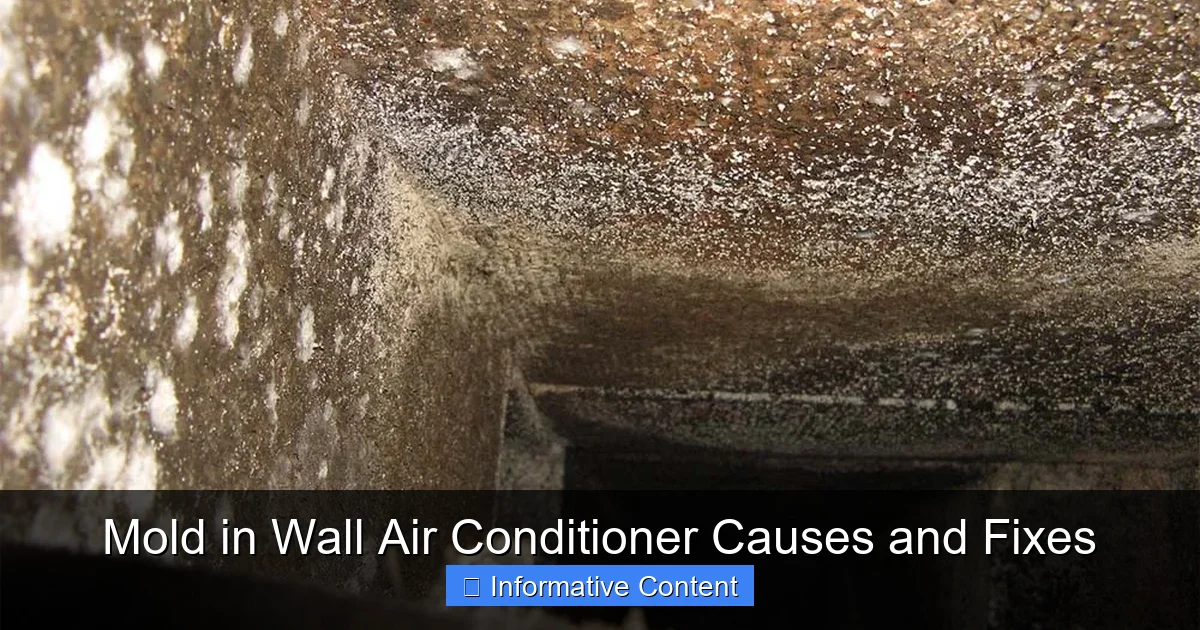
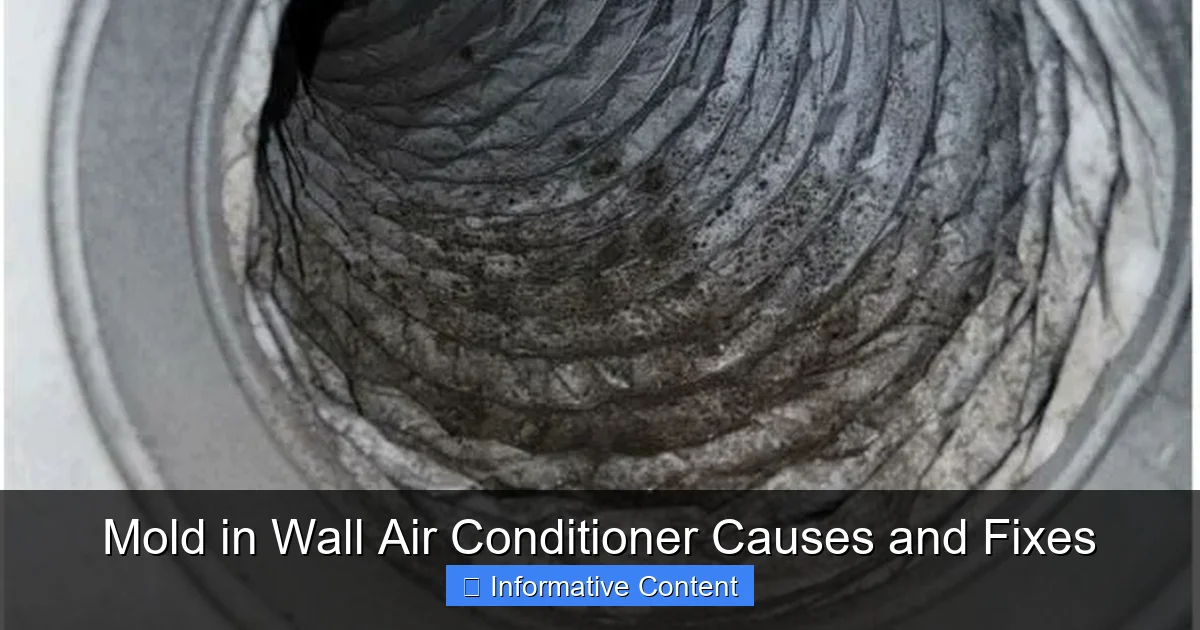
Once mold takes hold, it becomes visible. Look for dark spots, fuzzy patches, or slimy films on the interior surfaces of the unit. Common areas include:
- The evaporator coils
- The drain pan or drip tray
- The air filter (especially if it’s damp)
- The interior walls of the unit
- Behind the front grille or vent slats
Mold can appear black, green, brown, or even white. Don’t assume it’s just dirt—if it’s fuzzy or slimy, it’s likely mold.
Increased Allergy or Respiratory Symptoms
If you or someone in your household starts experiencing more frequent sneezing, coughing, itchy eyes, or sinus congestion—especially when the AC is on—it could be mold-related. Mold spores are microscopic and easily inhaled. For people with asthma or allergies, even small amounts can trigger symptoms.
A friend of mine didn’t realize her AC was moldy until her son’s asthma flared up every summer. After cleaning the unit and replacing the filter, his symptoms improved dramatically. It turned out the mold spores were being blown directly into his bedroom.
Reduced Cooling Efficiency
Mold and debris buildup can insulate the evaporator coils, making them less efficient at transferring heat. This means your AC has to work harder to cool the room, leading to higher energy bills and longer run times. If your unit suddenly seems less effective—even though it’s clean and well-maintained—mold could be part of the problem.
Water Leaks or Stains
If you notice water dripping from the unit, pooling on the floor, or staining the wall around the AC, it’s a sign of poor drainage. Standing water not only damages your walls but also creates the perfect environment for mold. Check the exterior of the unit too—sometimes water backs up and leaks outside, leaving streaks on the siding.
How to Inspect Your Unit Safely
Before you start cleaning, turn off the power to the unit at the circuit breaker. Never work on an energized AC. Then, remove the front panel and air filter. Use a flashlight to look inside. If you see dark spots or smell a strong odor, proceed with caution—wear gloves, a mask, and eye protection.
If the mold covers more than 10 square feet (about the size of a dinner plate), consider calling a professional. Large infestations can be hazardous and may require specialized cleaning.
Step-by-Step Guide to Removing Mold from Your Wall AC
Now that you know the signs, let’s talk about how to get rid of mold—safely and effectively. The process isn’t complicated, but it does require care and the right tools. Here’s a step-by-step guide based on what’s worked for me and many others.
Turn Off Power and Prepare Your Workspace
Safety first. Turn off the power to the unit at the circuit breaker. This prevents accidental shocks while you’re working. Lay down a drop cloth or old towel beneath the unit to catch drips and debris. Open a window or turn on a fan for ventilation—mold spores can become airborne during cleaning.
Remove and Clean the Air Filter
Start with the easiest part: the air filter. Pull it out and inspect it. If it’s reusable (usually made of mesh or foam), rinse it with warm water and let it dry completely. If it’s disposable (paper or cardboard), replace it with a new one. A clean filter improves airflow and reduces the chance of mold returning.
Pro tip: Check your filter every month during peak usage. A clogged filter restricts airflow and increases moisture buildup.
Vacuum Loose Debris
Use a vacuum with a brush attachment to remove dust, dirt, and loose mold from the interior surfaces. Focus on the evaporator coils, drain pan, and fan blades. Don’t use water yet—dry vacuuming prevents spreading mold spores and reduces moisture.
Clean the Evaporator Coils and Drain Pan
This is where the real mold often hides. Mix a solution of 1 part white vinegar to 1 part water, or use a commercial coil cleaner (available at hardware stores). Spray it onto the coils and let it sit for 10–15 minutes. The acid in vinegar kills mold and breaks down grime.
For stubborn spots, use a soft brush (like an old toothbrush) to gently scrub. Avoid harsh scrubbing—you don’t want to damage the delicate fins on the coils.
Next, clean the drain pan. Scrub it with the vinegar solution and rinse thoroughly. Make sure the drain hole is clear—use a pipe cleaner or compressed air to remove any clogs.
Disinfect All Surfaces
After cleaning, spray all interior surfaces with a disinfectant. You can use a diluted bleach solution (1 cup bleach per gallon of water) or a mold-killing spray like Concrobium. Let it sit for 10 minutes, then wipe down with a clean cloth. Avoid mixing bleach with vinegar—it creates toxic fumes.
For hard-to-reach areas, use a spray bottle and a long-handled brush. Don’t forget the fan blades and motor housing—mold can grow there too.
Rinse and Dry Completely
Once everything is clean and disinfected, rinse the unit with a damp cloth to remove any residue. Then, let it air dry completely—this is crucial. Any remaining moisture can restart the mold cycle. Leave the panel off for a few hours, or use a fan to speed up drying.
Reassemble and Test
Once dry, reinsert the filter, replace the front panel, and restore power. Turn on the unit and listen for unusual noises. Check for leaks and make sure air is flowing properly. If the musty smell is gone and the unit runs smoothly, you’re good to go.
For extra peace of mind, consider installing a UV-C light inside the unit. These lights emit ultraviolet radiation that kills mold and bacteria. They’re a bit of an investment, but they can prevent future growth.
Preventing Mold from Coming Back
Cleaning mold is one thing—keeping it away is another. The best way to prevent mold in your wall air conditioner is to stop the conditions that allow it to grow in the first place. Here’s how.
Maintain Proper Drainage
Ensure your unit is installed level and that the drain hole is clear. Check it monthly during humid months. If water pools in the drain pan, it’s a sign of a clog or improper slope. You can use a wet/dry vacuum to suck out debris or flush the drain with a mixture of water and vinegar.
Replace Filters Regularly
A clean filter improves airflow and reduces dust buildup. Set a reminder to check it every 30 days. In high-humidity areas or during allergy season, you may need to replace it more often.
Use a Dehumidifier
If you live in a humid climate, consider using a dehumidifier in the room with the AC. Lowering indoor humidity reduces condensation inside the unit. Aim for a relative humidity between 30% and 50%.
Run the Fan Occasionally
Even when you’re not cooling, run the fan on your AC for 10–15 minutes a day. This helps circulate air and dry out any moisture inside the unit. It’s especially helpful during rainy or humid weather.
Schedule Annual Maintenance
Once a year, give your unit a deep clean—even if you don’t see mold. This includes cleaning the coils, checking the drain, and inspecting for wear. If you’re not comfortable doing it yourself, hire a professional. It’s a small cost compared to the health risks and repair bills mold can cause.
Consider Upgrading Your Unit
Older wall AC units are more prone to mold because they lack modern moisture-control features. If your unit is over 10 years old, consider replacing it with a newer model that has better drainage, antimicrobial coatings, or built-in UV lights.
When to Call a Professional
Most mold problems in wall air conditioners can be handled with DIY cleaning. But there are times when it’s best to call in an expert.
Large Mold Infestations
If the mold covers more than 10 square feet, or if it’s deeply embedded in the unit’s internal components, professional remediation may be needed. Professionals have the tools and training to remove mold safely without spreading spores.
Recurring Mold Issues
If mold keeps coming back despite regular cleaning, there may be a hidden issue—like a cracked drain pan, improper installation, or a refrigerant leak. A technician can diagnose and fix the root cause.
Health Concerns
If someone in your household has a weakened immune system, severe allergies, or respiratory conditions, avoid DIY mold removal. Disturbing mold can release spores into the air, worsening symptoms. Let a professional handle it.
Electrical or Mechanical Problems
If your AC is making strange noises, not cooling properly, or showing signs of electrical issues (like burning smells or tripped breakers), don’t try to fix it yourself. Call an HVAC technician.
Mold Prevention Tips by Climate
Your local climate plays a big role in mold growth. Here’s how to adjust your prevention strategy based on where you live.
| Climate Type | Risk Level | Prevention Tips |
|---|---|---|
| Hot & Humid (e.g., Florida, Gulf Coast) | High | Use a dehumidifier, clean monthly, ensure proper drainage, run fan mode daily |
| Moderate & Seasonal (e.g., Midwest, Northeast) | Medium | Clean before and after summer, check drain after storms, replace filters regularly |
| Dry & Arid (e.g., Arizona, Nevada) | Low | Still check for mold after heavy rains, clean coils annually, monitor for dust buildup |
| Coastal & Marine (e.g., Pacific Northwest) | High | Use corrosion-resistant units, clean frequently, inspect for salt damage |
Final Thoughts: Take Action Before It’s Too Late
Mold in wall air conditioners isn’t just a cosmetic issue—it’s a health and efficiency problem that can affect your comfort, your wallet, and your well-being. But it’s also completely manageable with the right approach. By understanding the causes, recognizing the signs, and taking proactive steps, you can keep your AC unit clean, your air fresh, and your home healthy.
Don’t wait for the musty smell to become overwhelming or for allergy symptoms to worsen. A little maintenance goes a long way. Clean your unit regularly, keep an eye on drainage, and don’t ignore the warning signs. And if you’re ever in doubt, don’t hesitate to call a professional.
Your wall air conditioner should be a source of relief, not worry. With these tips, you can enjoy cool, clean air all summer long—without the mold.
Frequently Asked Questions
What is mold in wall air conditioner?
mold in wall air conditioner is an important topic with many practical applications and benefits.
How can mold in wall air conditioner help me?
Understanding mold in wall air conditioner can improve your knowledge and provide practical solutions.