
Featured image for mitsubishi air conditioner installation instructions
Image source: abc-air.com.au
Installing a Mitsubishi air conditioner doesn’t have to be complicated—this guide simplifies the process with clear, step-by-step instructions. From selecting the ideal location to securely mounting the unit and connecting electrical components, every critical detail is broken down for hassle-free setup. Whether you’re a DIY enthusiast or working with a technician, these easy-to-follow directions ensure a safe, efficient installation for optimal cooling performance.
Key Takeaways
- Read the manual first: Always review Mitsubishi’s installation guide before starting.
- Verify compatibility: Match indoor and outdoor units correctly for optimal performance.
- Ensure proper power supply: Confirm voltage and circuit requirements to prevent damage.
- Follow refrigerant line rules: Adhere to length and elevation limits for efficiency.
- Secure outdoor unit: Mount it on a stable, level surface to reduce vibration.
- Test after installation: Run a full system check before finalizing the setup.
📑 Table of Contents
- Mitsubishi Air Conditioner Installation Instructions Made Easy
- Why Proper Installation Matters for Your Mitsubishi AC
- Tools and Materials You’ll Need
- Step-by-Step Mitsubishi Air Conditioner Installation Instructions
- Common Installation Mistakes to Avoid
- Professional vs. DIY Installation: What’s Right for You?
- Maintenance Tips After Installation
- Comparison Table: DIY vs. Professional Installation
- Final Thoughts: Getting the Most from Your Mitsubishi AC
Mitsubishi Air Conditioner Installation Instructions Made Easy
So, you’ve just bought a brand-new Mitsubishi air conditioner—congratulations! You’re probably excited to feel that crisp, cool breeze on a hot summer afternoon or enjoy consistent warmth during chilly winter nights. Mitsubishi Electric is known for its reliable, energy-efficient, and whisper-quiet HVAC systems, and you’ve made a smart choice. But now comes the big question: How do I actually install this thing?
Let’s be honest—installing an air conditioner isn’t like assembling IKEA furniture. It involves electrical work, refrigerant handling, and precise measurements. If you’ve never done it before, the thought of drilling holes in your wall, connecting copper tubing, or dealing with high-voltage wiring can feel overwhelming. But don’t worry. While Mitsubishi air conditioner installation instructions may seem technical at first glance, they’re actually quite thorough—and with the right guidance, you can understand the process step by step. Whether you’re planning to hire a professional or considering a DIY approach (with caution!), this guide will walk you through everything you need to know to get your system up and running safely and efficiently.
Why Proper Installation Matters for Your Mitsubishi AC
Before we dive into the nitty-gritty of installation, let’s talk about why doing it right matters—a lot. Think of your Mitsubishi air conditioner like a high-performance car. Even the best engine won’t run well if it’s not installed or tuned correctly. The same goes for your AC unit. A poorly installed system can lead to higher energy bills, reduced cooling or heating efficiency, frequent breakdowns, and even safety hazards.
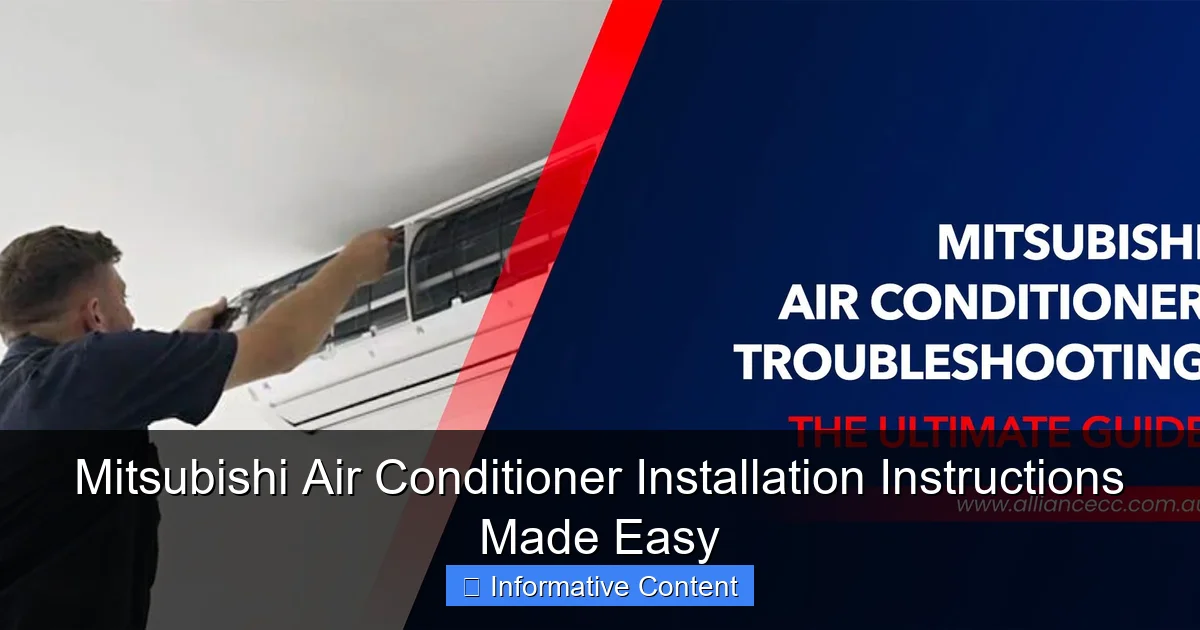
Visual guide about mitsubishi air conditioner installation instructions
Image source: alliancecc.com.au
Energy Efficiency and Performance
Mitsubishi systems are designed to deliver top-tier energy efficiency, often earning ENERGY STAR® ratings. However, if the refrigerant lines are too long, improperly insulated, or kinked during installation, that efficiency drops significantly. For example, a study by the U.S. Department of Energy found that improper refrigerant charge can reduce system efficiency by up to 20%. That means you’re paying more for less comfort.
System Longevity
A correctly installed Mitsubishi air conditioner can last 15 to 20 years with proper maintenance. But if the indoor and outdoor units aren’t level, if the drainage isn’t set up properly, or if electrical connections are loose, you could be looking at premature wear and costly repairs. One homeowner I spoke with had their unit fail after just three years because the condensate drain was clogged due to improper slope during installation. A simple mistake, but a costly one.
Safety First
Let’s not forget safety. Air conditioners involve high-voltage electricity and pressurized refrigerant. If you’re not trained to handle these components, you risk electrical shock, fire, or refrigerant leaks—which can be harmful to your health and the environment. Mitsubishi air conditioner installation instructions emphasize safety protocols for a reason. Even if you’re handy around the house, certain steps—like vacuuming the refrigerant lines or checking for leaks—should only be done by certified technicians.
Tools and Materials You’ll Need
Before you even think about lifting that indoor unit, make sure you have the right tools and materials on hand. Having everything ready will save you time, frustration, and multiple trips to the hardware store. Here’s a checklist based on Mitsubishi’s recommended installation kit and common professional practices.
Essential Tools
- Drill and masonry bits – For creating the hole in the wall for refrigerant lines and wiring.
- Level – To ensure both indoor and outdoor units are mounted straight.
- Pipe cutter and flaring tool – For cutting and shaping copper refrigerant lines.
- Vacuum pump – Critical for removing air and moisture from the refrigerant lines (best left to pros).
- Manifold gauge set – Used to check refrigerant pressure and charge.
- Insulation tape and foam – To wrap refrigerant lines and prevent condensation.
- Electrical tools – Wire strippers, screwdrivers, voltage tester, and conduit if needed.
- Mounting brackets and screws – Usually included with the unit, but double-check.
Materials Checklist
- Copper refrigerant lines (typically 1/4″ and 3/8″ for most Mitsubishi models)
- Drain hose (PVC or flexible tubing)
- Electrical wiring (check local codes—usually 14- or 12-gauge)
- Wall sleeve or grommet (to protect lines and seal the hole)
- Weatherproof sealant (silicone or caulk)
- Insulation sleeves for refrigerant lines
Pro Tip: If you’re not confident with tools like the vacuum pump or flaring tool, consider renting them from a local HVAC supply store. Some even offer free training sessions for DIYers.
Step-by-Step Mitsubishi Air Conditioner Installation Instructions
Now, let’s walk through the actual installation process. These steps are based on Mitsubishi’s official installation manuals and best practices used by certified technicians. Remember, every model may have slight variations, so always refer to your specific unit’s manual. But the general process remains consistent.
Step 1: Choose the Right Location
Location is everything. For the indoor unit, pick a spot on an interior wall that’s:
- At least 7 feet above the floor
- Away from direct sunlight, heat sources, or moisture
- Centered in the room for even air distribution
- Accessible for future maintenance
Avoid placing it above electronics, beds, or seating areas where dripping condensation could be an issue.
For the outdoor unit, choose a level, well-ventilated area outside your home. It should be:
- At least 12 inches away from walls or obstacles
- Protected from rain, snow, and direct sunlight if possible
- Not near windows or doors where noise could be disruptive
A concrete pad or sturdy mounting brackets are recommended to reduce vibration and noise.
Step 2: Mount the Indoor Unit
Once you’ve picked the spot, use a level to mark the mounting plate’s position. Drill pilot holes and secure the plate with appropriate anchors—especially important for drywall or plaster. Make sure it’s level; an uneven unit can cause drainage issues and noise.
Next, drill a 3-inch hole through the wall for the refrigerant lines, drain hose, and electrical wiring. Angle the hole slightly downward toward the outside to prevent water from seeping in. Insert a wall sleeve to protect the lines and seal the gap with weatherproof caulk.
Step 3: Install the Outdoor Unit
Place the outdoor unit on a stable, level surface. If using a pad, ensure it’s large enough (at least 24″ x 24″) and secured to prevent shifting. Use anti-vibration pads under the feet to reduce noise.
Connect the refrigerant lines, drain hose, and electrical wiring from the indoor unit to the outdoor unit. Be careful not to kink the copper lines—bends should be smooth and gradual. Use insulation sleeves on both lines to prevent heat loss and condensation.
Step 4: Connect Electrical Wiring
This is where things get serious. Turn off the power at the main breaker before doing any electrical work. Run a dedicated circuit from your electrical panel to the outdoor unit—most Mitsubishi systems require a 240V circuit.
Connect the wires according to the wiring diagram in your manual. Typically, you’ll have:
- L1 and L2 (hot wires)
- Ground wire
- Communication wires between indoor and outdoor units
Use wire nuts or terminal blocks as specified. Double-check all connections and ensure no bare wires are exposed.
Step 5: Vacuum and Charge the Refrigerant Lines
This step is critical and usually requires a certified technician. Using a vacuum pump, evacuate the refrigerant lines to remove air and moisture. This process typically takes 15–30 minutes. Any remaining air can reduce efficiency and damage the compressor.
Once the lines are vacuumed, the technician will open the service valves to allow refrigerant to flow into the system. Mitsubishi units are often pre-charged, but additional refrigerant may be needed depending on line length.
Step 6: Test the System
Turn the power back on and test the system. Set the thermostat to cooling or heating mode and let it run for 15–20 minutes. Listen for unusual noises, check for leaks, and ensure air is flowing properly from the indoor unit.
Use a thermometer to measure the temperature difference between the return air and supply air. A healthy system should have a 15–20°F drop in cooling mode. If it’s less, there may be an issue with refrigerant charge or airflow.
Common Installation Mistakes to Avoid
Even with the best intentions, mistakes happen. Here are some of the most common errors people make during Mitsubishi air conditioner installation—and how to avoid them.
Incorrect Line Length or Sizing
Mitsubishi specifies maximum line lengths (usually 50–100 feet, depending on the model). Exceeding this can reduce efficiency and cause compressor failure. Also, using undersized copper tubing increases pressure drop and reduces performance. Always follow the manufacturer’s guidelines.
Poor Insulation
Refrigerant lines must be fully insulated, especially the suction line (the larger one). Without proper insulation, condensation can form, leading to water damage and mold. Use closed-cell foam insulation and seal all joints with tape.
Improper Drainage Slope
The condensate drain hose must slope downward at least 1/4 inch per foot to ensure proper drainage. If it’s flat or uphill, water will back up and potentially flood the indoor unit. Use a level to check the slope before securing the hose.
Skipping the Vacuum Process
Some DIYers try to skip vacuuming the lines, thinking it’s unnecessary. Big mistake. Air and moisture in the system can react with refrigerant and oil, forming acids that damage internal components. Always vacuum the lines for at least 15 minutes with a micron gauge to ensure purity.
Ignoring Local Codes and Permits
Many areas require permits for HVAC installations, especially if you’re modifying electrical systems or drilling through exterior walls. Skipping this step can result in fines or issues when selling your home. Check with your local building department before starting.
Professional vs. DIY Installation: What’s Right for You?
Now for the million-dollar question: Should you install your Mitsubishi air conditioner yourself, or hire a pro?
When to Go DIY
If you’re experienced with electrical work, plumbing, and basic HVAC principles, and your local codes allow it, a DIY installation might be feasible—especially for smaller units like Mitsubishi’s Mr. Slim series. You’ll save on labor costs (typically $500–$1,500), and there’s a certain pride in doing it yourself.
But be honest with your skills. If you’ve never handled refrigerant or worked with 240V circuits, this isn’t the time to learn on the job.
When to Call a Professional
In most cases, especially for larger systems or multi-zone setups, hiring a certified HVAC technician is the smarter choice. Here’s why:
- They have the tools and training to handle refrigerant safely.
- They can ensure the system is properly charged and balanced.
- They’ll pull permits and ensure compliance with local codes.
- Most Mitsubishi dealers offer installation services with warranties.
Plus, many Mitsubishi units require registration with the manufacturer to activate the full warranty—something that often requires proof of professional installation.
Hybrid Approach
Some homeowners choose a hybrid approach: they handle the mounting and basic setup, then call a technician for the refrigerant and electrical work. This can save money while ensuring the critical steps are done right.
Maintenance Tips After Installation
Great! Your Mitsubishi air conditioner is installed and running smoothly. But the work isn’t over. Regular maintenance is key to keeping your system efficient and reliable for years to come.
Monthly Checks
- Clean or replace the air filter every 1–3 months.
- Check the outdoor unit for debris, leaves, or dirt.
- Inspect the drain hose for clogs or leaks.
Annual Professional Service
Schedule a technician to inspect the system once a year. They’ll check refrigerant levels, clean coils, test electrical components, and ensure everything is running optimally.
Seasonal Preparation
Before summer and winter, give your unit a quick once-over. Cover the outdoor unit in winter (if recommended by Mitsubishi), and ensure vents indoors are unobstructed.
Comparison Table: DIY vs. Professional Installation
| Factor | DIY Installation | Professional Installation |
|---|---|---|
| Cost | Lower (saves $500–$1,500) | Higher (includes labor and expertise) |
| Time Required | 8–16 hours (depending on experience) | 4–8 hours (efficient and streamlined) |
| Skill Level Needed | High (electrical, plumbing, HVAC knowledge) | Low (technician handles everything) |
| Safety Risk | Moderate to high (refrigerant, electricity) | Low (trained professionals) |
| Warranty Impact | May void warranty if not done correctly | Preserves full manufacturer warranty |
| Code Compliance | Your responsibility | Technician ensures compliance |
Final Thoughts: Getting the Most from Your Mitsubishi AC
Installing a Mitsubishi air conditioner doesn’t have to be a nightmare. With the right preparation, tools, and mindset, you can tackle the process confidently—or make an informed decision to hire a pro. The key is to follow the Mitsubishi air conditioner installation instructions carefully, prioritize safety, and never skip critical steps like vacuuming the lines or checking electrical connections.
Remember, this isn’t just about cooling or heating your home—it’s about investing in comfort, efficiency, and peace of mind. A well-installed Mitsubishi system will reward you with years of reliable performance, lower energy bills, and quiet operation. Whether you’re a seasoned DIYer or calling in the experts, taking the time to do it right will pay off in the long run.
So go ahead—enjoy that first blast of cool air. You’ve earned it.
Frequently Asked Questions
What tools do I need for Mitsubishi air conditioner installation?
You’ll need basic tools like a drill, level, screwdrivers, wrenches, and a vacuum pump. For safety and proper setup, a manifold gauge set and electrical tester are also recommended during Mitsubishi air conditioner installation.
Can I install a Mitsubishi air conditioner myself?
While DIY installation is possible, it’s not recommended unless you have HVAC experience. Improper installation can void the warranty and reduce efficiency, so hiring a certified technician for Mitsubishi air conditioner installation is best.
How long does Mitsubishi air conditioner installation take?
Most installations take 4 to 8 hours, depending on the model and complexity. Factors like wall drilling, refrigerant line routing, and electrical connections can affect the total time.
Where should I place the indoor unit for optimal performance?
Install the indoor unit high on an interior wall, away from direct sunlight and heat sources. Ensure there’s at least 6 inches of clearance around the unit for proper airflow and easy maintenance.
Do I need a permit for Mitsubishi air conditioner installation?
In many areas, a permit is required for HVAC installations, especially if electrical or structural work is involved. Check with your local building department before starting your Mitsubishi air conditioner installation.
What should I do after installing the Mitsubishi air conditioner?
After installation, test the system to ensure it cools properly and check for refrigerant leaks. Run a vacuum on the lines and confirm all electrical connections are secure before finalizing the setup.