

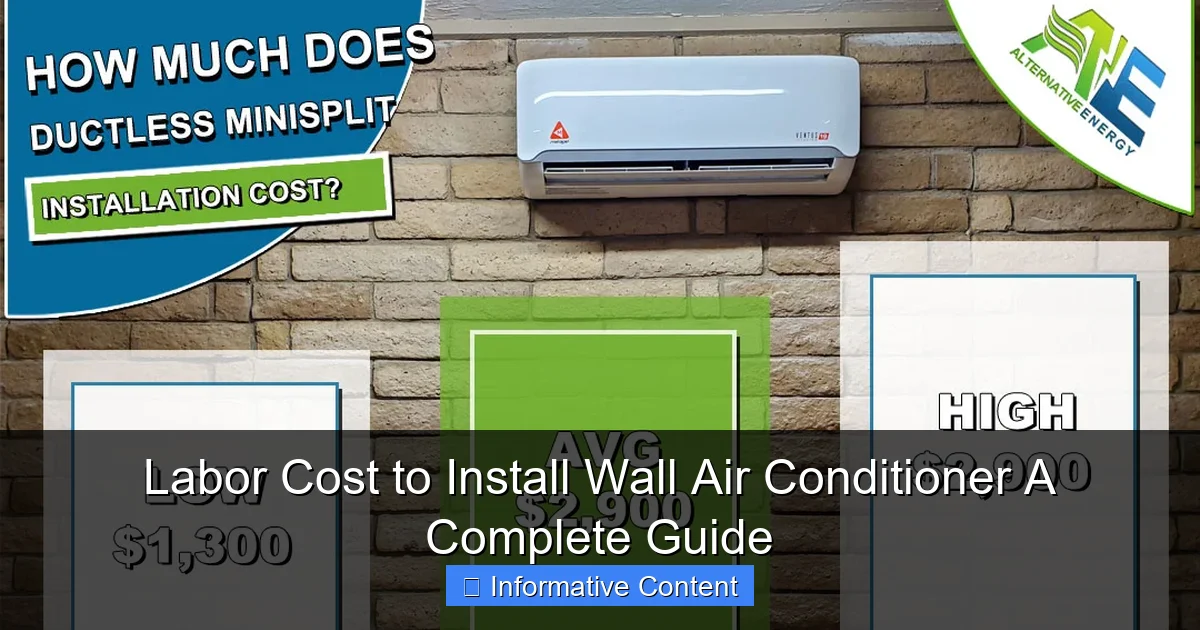
Featured image for labor cost to install wall air conditioner
Image source: assets.fixr.com
The labor cost to install a wall air conditioner typically ranges from $200 to $600, depending on unit complexity and regional rates. Professional installation ensures safety, efficiency, and warranty compliance, making it a worthwhile investment for long-term performance. Factors like wall type, electrical requirements, and access can impact both time and total labor expenses.
Key Takeaways
- Labor costs range from $200 to $600 depending on complexity and region.
- DIY saves money but requires permits and electrical expertise to avoid hazards.
- Unit size matters: Larger BTUs may increase installation time and labor fees.
- Always get 3+ quotes to compare rates and avoid overpaying for labor.
- Permits add cost but ensure compliance with local building codes.
- Wall type impacts price: Brick or concrete requires specialized tools and labor.
- Seasonal demand spikes summer rates; schedule installs in spring for savings.
📑 Table of Contents
- Labor Cost to Install Wall Air Conditioner: A Complete Guide
- Understanding Wall Air Conditioners and Why Installation Matters
- Factors That Influence Labor Cost to Install Wall Air Conditioner
- Average Labor Cost to Install Wall Air Conditioner
- How to Save on Labor Costs Without Sacrificing Quality
- What to Expect During the Installation Process
- Choosing the Right Contractor: Tips for a Smooth Experience
- Final Thoughts: Is a Wall Air Conditioner Worth the Investment?
Labor Cost to Install Wall Air Conditioner: A Complete Guide
So, you’ve decided it’s time to beat the summer heat—literally. Maybe your old window unit finally gave up the ghost, or you’re tired of tripping over cords and losing half your window view. A wall air conditioner could be the perfect solution. Sleek, permanent, and often more energy-efficient than portable units, these systems offer reliable cooling without sacrificing floor space. But before you get too excited about that cool breeze, there’s one big question on your mind: How much is this actually going to cost me?
While the price of the unit itself is important, it’s only part of the story. The real variable—and often the biggest surprise for homeowners—is the labor cost to install a wall air conditioner. Unlike plug-and-play portable units, wall ACs require professional installation. That means cutting into your wall, running electrical lines, sealing gaps, and ensuring everything is up to code. And yes, that all comes with a price tag. But don’t worry—you’re not alone in wondering what to expect. In this guide, we’ll walk you through everything you need to know about labor costs, what factors influence them, and how to budget wisely so you can stay cool without breaking the bank.
Understanding Wall Air Conditioners and Why Installation Matters
Before diving into costs, let’s take a moment to understand what a wall air conditioner actually is—and why it’s not as simple as just mounting a box on the wall. Wall-mounted air conditioners, often called “through-the-wall” units, are designed to be installed directly into an exterior wall. They’re a popular choice for apartments, condos, and homes where window units aren’t practical or allowed by building regulations. Unlike central AC, they cool individual rooms efficiently, making them ideal for targeted comfort.
Visual guide about labor cost to install wall air conditioner
Image source: powersolarphoenix.com
How Wall ACs Differ from Other Cooling Systems
Wall air conditioners are a middle ground between window units and central air. They’re more permanent than window units but don’t require the ductwork of central systems. Most models are self-contained, meaning the condenser, compressor, and evaporator are all in one unit. This makes them easier to install than split systems, but still complex enough to need a pro.
One key advantage? They don’t block your windows. That means natural light stays in, and you can still open windows for fresh air when needed. Plus, they’re often quieter than window units because the noisy compressor is outside the living space. But here’s the catch: because they’re built into the wall, installation isn’t something you can DIY without serious risk. A poorly installed unit can lead to air leaks, moisture buildup, electrical hazards, or even structural damage.
Why Professional Installation Is Non-Negotiable
Let’s be real—most of us aren’t licensed HVAC technicians. And while YouTube has a tutorial for just about everything, cutting into your wall and wiring a high-voltage appliance isn’t one of those “let’s try it and see” projects. Professional installation ensures:
- Safety: Proper electrical connections prevent fire hazards.
- Efficiency: Correct sizing and sealing maximize cooling and minimize energy waste.
- Longevity: A well-installed unit lasts longer and requires fewer repairs.
- Warranty Protection: Many manufacturers void warranties if installation isn’t done by a certified professional.
So while it might be tempting to save a few hundred bucks by doing it yourself, the risks far outweigh the rewards. Think of it like hiring a plumber to fix a leak—you could try duct tape, but you’ll probably end up with a flooded basement.
Factors That Influence Labor Cost to Install Wall Air Conditioner
Now, let’s get to the heart of the matter: how much will the labor actually cost? The short answer? It varies—a lot. But the good news is, most of the variation comes from predictable factors. Once you understand what drives the price, you can make smarter decisions and avoid surprise bills.
1. Geographic Location
Where you live plays a huge role in labor costs. HVAC technicians in cities like New York, San Francisco, or Chicago charge significantly more than those in rural areas or smaller towns. Why? Higher living costs, licensing fees, and demand all drive up prices. For example, a technician in Austin, Texas, might charge $75/hour, while one in Portland, Oregon, could charge $120/hour for the same job.
Even within the same state, costs can vary. Coastal areas tend to be more expensive than inland regions. So if you’re in a high-cost area, expect to pay a premium—but also know you’re getting experienced, licensed professionals who meet strict safety standards.
2. Complexity of the Installation
Not all wall AC installations are created equal. A straightforward job—like replacing an existing unit in a pre-cut opening—might take just 2–3 hours. But if you’re installing a brand-new unit in a wall that’s never had one, the process gets much more involved.
Here’s what can increase complexity (and cost):
- New wall cut: Cutting into drywall, insulation, and exterior siding takes time and precision.
- Electrical work: If your home doesn’t have a dedicated 240-volt circuit, an electrician may need to run new wiring.
- Structural concerns: Load-bearing walls, brick or concrete exteriors, or older homes with outdated framing can complicate installation.
- Accessibility: Second-story installations or tight spaces may require scaffolding or extra manpower.
For example, imagine you live in a 1920s brick home. Cutting through solid brick isn’t just harder—it requires specialized tools and dust containment. That could add $200–$500 to your labor bill compared to a standard wood-frame wall.
3. Unit Size and Type
The size of your air conditioner—measured in BTUs (British Thermal Units)—affects installation difficulty. A 6,000 BTU unit for a small bedroom is much easier to handle than a 12,000 BTU unit for a large living room. Larger units are heavier, require stronger mounting, and often need more robust electrical connections.
Additionally, some wall ACs are “sleeve-type,” meaning they slide into a pre-built metal sleeve. These are easier to install and replace. Others are “direct-mount,” which means they’re bolted directly to the wall and require more precise fitting. Direct-mount units typically take longer to install, increasing labor time.
4. Permits and Code Compliance
In many areas, installing a wall air conditioner requires a permit—especially if electrical work is involved. Permits ensure the installation meets local building and safety codes. While the permit fee itself is usually modest ($50–$150), the process can add time and cost.
Your installer may need to schedule an inspection after the job is done. Some contractors include this in their quote; others charge extra. Always ask upfront to avoid surprises.
5. Time of Year and Demand
Just like with plumbers and roofers, HVAC technicians are busiest during peak seasons—typically late spring and summer. If you wait until July to install your AC, you might face higher rates or longer wait times. Booking in early spring or fall can save you money and ensure faster service.
Think of it like booking a vacation: prices are lower in the off-season. The same logic applies here.
Average Labor Cost to Install Wall Air Conditioner
So, what’s the bottom line? How much should you budget for labor? While prices vary, most homeowners can expect to pay between $300 and $800 for professional installation of a wall air conditioner. This range covers the majority of standard installations in typical homes.
To give you a clearer picture, here’s a breakdown of average labor costs based on job complexity:
| Installation Type | Average Labor Cost | Time Required |
|---|---|---|
| Replacement (existing opening) | $250 – $400 | 2–3 hours |
| New installation (standard wall) | $400 – $600 | 4–6 hours |
| Complex installation (brick, electrical upgrades) | $600 – $1,000+ | 6–10 hours |
Let’s walk through a real-world example. Say you’re installing a 10,000 BTU wall AC in a suburban home with vinyl siding and standard drywall. The technician needs to cut a new opening, run a 240-volt circuit, and secure the unit. This is a mid-range job—likely taking 5–6 hours. At an average rate of $100/hour, labor would cost around $500–$600.
Now, compare that to a replacement job. If you already have a sleeve in place and just need the old unit swapped out, the same technician might finish in 2.5 hours—bringing labor down to $250–$300.
Hidden Costs to Watch For
While labor is the biggest variable, don’t forget about additional expenses that can sneak up on you:
- Electrical upgrades: If your panel doesn’t have space for a new 240-volt breaker, an electrician may charge $200–$500 extra.
- Wall repair: After installation, you may need to patch drywall, repaint, or re-caulk around the unit. Budget $100–$300 for finishing work.
- Permits: As mentioned, these can add $50–$150.
- Disposal fees: Some contractors charge $50–$100 to haul away your old unit.
Always ask for a detailed quote that breaks down labor, materials, and any extras. A good contractor will be transparent about what’s included—and what’s not.
How to Save on Labor Costs Without Sacrificing Quality
Nobody likes overspending, especially on home improvements. The good news? There are smart ways to reduce your labor cost to install wall air conditioner—without cutting corners on safety or performance.
1. Get Multiple Quotes
This is the #1 money-saving tip. Don’t just call the first HVAC company you find. Reach out to at least three licensed contractors and request detailed, written estimates. Compare not just the total price, but what’s included. One quote might be lower because it excludes electrical work or permits—don’t fall for the bait and switch.
Pro tip: Ask if they offer seasonal discounts or package deals. Some companies discount installations in spring before the summer rush.
2. Choose the Right Time to Install
As mentioned earlier, timing matters. Installing your wall AC in March or April—before the heatwave hits—can save you 10–20% on labor. Contractors are less busy, and you’re not competing with dozens of other homeowners for the same technician.
Plus, you’ll have your cool air ready when temperatures soar. It’s a win-win.
3. Prepare the Site in Advance
A little prep work can shave hours off installation time—and reduce labor costs. Before the technician arrives:
- Clear the area around the installation site (move furniture, rugs, etc.).
- Ensure easy access to the exterior wall (trim bushes, remove obstacles).
- Have your electrical panel accessible and labeled.
- If possible, measure the wall opening and confirm it matches your unit’s specs.
Think of it like prepping for a houseguest—the more you do ahead of time, the smoother the visit goes.
4. Consider a Sleeve-Style Unit
If you’re installing a new unit, opt for a sleeve-type model if your wall allows it. These units slide into a metal sleeve that’s installed once and can be reused for future replacements. While the initial sleeve installation takes a bit more time, it makes future swaps quick and cheap—saving you money down the road.
5. Bundle Services
Some HVAC companies offer discounts if you bundle services. For example, installing a wall AC and scheduling annual maintenance in the same visit might qualify you for a 10% discount. Or, if you’re also upgrading your thermostat or sealing ducts, ask if there’s a package deal.
It’s all about asking the right questions.
What to Expect During the Installation Process
Knowing what happens during installation can ease your mind—and help you spot red flags. A professional job should follow a clear, step-by-step process. Here’s what a typical installation looks like:
Step 1: Site Assessment and Planning
The technician will first inspect the installation site. They’ll check the wall structure, electrical capacity, and exterior conditions. They may also verify the unit size is appropriate for the room. This step ensures there are no surprises once work begins.
Step 2: Cutting the Wall Opening
Using a reciprocating saw or hole saw, the technician cuts a precise opening in the wall. For exterior walls, this includes removing siding, insulation, and drywall. Dust and debris are contained as much as possible—good contractors use tarps and vacuums.
Step 3: Electrical Work
If a new circuit is needed, an electrician (or licensed HVAC tech with electrical certification) will run 12-gauge or 10-gauge wire from the panel to the installation site. A dedicated 240-volt outlet or hardwired connection is installed. This step is critical for safety and performance.
Step 4: Mounting the Unit
The air conditioner is carefully positioned in the opening and secured with brackets or screws. The technician ensures it’s level and tightly sealed to prevent air leaks. A weatherproof sealant is applied around the exterior to keep moisture out.
Step 5: Testing and Cleanup
Once installed, the unit is powered on and tested for proper cooling, drainage, and airflow. The technician checks for unusual noises or vibrations. Finally, they clean up the work area, remove debris, and explain how to operate and maintain the unit.
Throughout the process, a reputable contractor will keep you informed and answer any questions. If something seems off—like rushing through steps or skipping safety checks—don’t hesitate to speak up.
Choosing the Right Contractor: Tips for a Smooth Experience
Not all HVAC technicians are created equal. Choosing the right one can mean the difference between a seamless installation and a stressful ordeal. Here’s how to find a trustworthy pro:
Check Licenses and Insurance
Always verify that the contractor is licensed, bonded, and insured. This protects you in case of accidents or damage. Ask to see their license number and check it with your state’s licensing board.
Read Reviews and Ask for References
Look for reviews on Google, Yelp, or the Better Business Bureau. Pay attention to comments about punctuality, communication, and cleanup. If possible, ask for references from recent wall AC installations.
Get a Written Contract
A good contract should include:
- Total cost (labor + materials)
- Scope of work
- Start and completion dates
- Warranty information
- Payment terms
Never pay the full amount upfront. A deposit of 10–20% is standard; the rest should be due upon satisfactory completion.
Trust Your Gut
If a contractor seems pushy, avoids questions, or gives a vague estimate, walk away. A professional should be patient, transparent, and willing to explain the process in plain language.
Final Thoughts: Is a Wall Air Conditioner Worth the Investment?
Installing a wall air conditioner is more than just a cooling solution—it’s an investment in comfort, efficiency, and home value. Yes, the labor cost to install wall air conditioner can add several hundred dollars to your total expense. But when done right, the benefits far outweigh the upfront cost.
You’ll enjoy quieter operation, better energy efficiency, and a cleaner look than window units. Plus, a professionally installed system is safer, more reliable, and less likely to cause problems down the road. And let’s not forget the peace of mind that comes from knowing the job was done correctly.
So, as you weigh your options, remember: cutting corners on installation isn’t worth the risk. Spend a little more now to save a lot later—in energy bills, repairs, and stress. With the right contractor, proper planning, and a clear understanding of costs, your wall air conditioner can keep you cool for years to come.
Stay cool, stay informed, and breathe easy—your perfect summer setup is just an installation away.
Frequently Asked Questions
What is the average labor cost to install a wall air conditioner?
The average labor cost to install a wall air conditioner typically ranges from $200 to $600, depending on the complexity of the installation and your location. This cost usually includes mounting the unit, connecting electrical components, and ensuring proper sealing and insulation.
Does the labor cost to install wall air conditioner vary by region?
Yes, the labor cost to install a wall air conditioner can vary significantly by region due to differences in local labor rates and demand for HVAC services. Urban areas and regions with higher living costs often charge more for installation labor.
Can I reduce the labor cost to install a wall air conditioner by doing part of the work myself?
While DIY preparation like clearing the installation area may help, most electrical and structural work should be handled by a licensed professional for safety and code compliance. Attempting complex tasks yourself could increase labor costs if mistakes require correction.
What factors affect the labor cost to install a wall air conditioner?
Factors include the unit’s size and type, wall construction, electrical requirements, and whether additional materials like brackets or wiring are needed. Difficult access or the need for ductwork can also increase labor time and cost.
Is the labor cost to install wall air conditioner included in the purchase price?
Usually, the purchase price of a wall air conditioner does not include installation labor unless specified by the retailer or installer. Always confirm whether labor is included or quoted separately before finalizing your purchase.
How long does it take to install a wall air conditioner, and how does that impact labor cost?
Installation typically takes 2 to 4 hours, but longer jobs due to complex wiring or structural modifications will increase labor costs. Most technicians charge by the hour, so extended time directly affects the final price.