
Carrier is a trusted name in HVAC with over a century of innovation, offering energy-efficient, durable, and quiet air conditioners. While they come at a premium price, their reliability, advanced technology, and strong warranty support make them a solid choice for homeowners seeking long-term comfort and performance.
When it comes to keeping your home cool and comfortable during the sweltering summer months, choosing the right air conditioner isn’t just a matter of preference—it’s a long-term investment in your comfort, energy bills, and peace of mind. With so many brands on the market, it’s easy to feel overwhelmed. One name that consistently rises to the top of the conversation is Carrier. But is Carrier a good air conditioner? That’s the million-dollar question—especially when you’re spending thousands of dollars on a system that needs to last over a decade.
Carrier isn’t just another brand on the shelf. It’s a legacy. Founded in 1902 by Willis Carrier, the inventor of modern air conditioning, the company has been at the forefront of HVAC innovation for over 120 years. From pioneering the first electrical air conditioner to developing energy-efficient systems for homes and businesses, Carrier has built a reputation for quality, reliability, and technological advancement. Today, Carrier offers a wide range of air conditioning units—from single-stage to variable-speed models—designed to meet the needs of different homes, climates, and budgets.
So, what does this mean for you as a homeowner? Is Carrier really worth the investment? In this in-depth guide, we’ll explore everything you need to know about Carrier air conditioners—from performance and efficiency to cost, installation, and real-world user experiences. Whether you’re replacing an old unit or installing AC for the first time, this article will help you make an informed decision. Let’s dive in and find out if Carrier is the right air conditioner for your home.
Key Takeaways
- Proven Reliability: Carrier has been a leader in HVAC since 1902, known for building long-lasting, dependable air conditioning systems.
- Energy Efficiency Options: Many Carrier models boast high SEER ratings (up to 26), helping reduce energy bills and environmental impact.
- Quiet Operation: Carrier uses advanced sound-dampening technology, making their units among the quietest on the market.
- Smart Features: Select models integrate with Wi-Fi thermostats and smart home systems for remote control and scheduling.
- Strong Warranty Coverage: Carrier offers comprehensive warranties, including 10-year compressor coverage on most units.
- Higher Upfront Cost: Carrier units are typically more expensive than budget brands, but the investment pays off in durability and efficiency.
- Professional Installation Required: For optimal performance, Carrier recommends certified technicians for installation and maintenance.
📑 Table of Contents
- Carrier’s Legacy and Reputation in the HVAC Industry
- Performance and Efficiency: How Carrier Stacks Up
- Carrier Air Conditioner Models: Which One Is Right for You?
- Cost and Value: Is Carrier Worth the Investment?
- Installation and Maintenance: Keys to Long-Term Success
- Customer Reviews and Real-World Experiences
- Conclusion: Is Carrier a Good Air Conditioner?
Carrier’s Legacy and Reputation in the HVAC Industry
When you think of air conditioning, one of the first names that likely comes to mind is Carrier. And for good reason. Willis Carrier, the company’s founder, is often called the “father of air conditioning” for his groundbreaking work in 1902, when he designed the first modern electrical air conditioning system to solve humidity problems in a printing plant. That invention didn’t just change the printing industry—it revolutionized how we live, work, and stay comfortable in hot climates.
Over the past century, Carrier has continued to innovate. They were among the first to introduce energy-efficient systems, smart thermostats, and environmentally friendly refrigerants. Today, Carrier is part of Carrier Global Corporation, a standalone company spun off from United Technologies in 2020, and remains one of the largest HVAC manufacturers in the world. Their products are sold in over 180 countries, and they serve both residential and commercial markets.
But reputation isn’t just about history—it’s about consistency. Carrier has maintained a strong presence in the HVAC industry by focusing on quality, durability, and customer satisfaction. They’re not the cheapest option on the market, but they’re rarely the most expensive either. Instead, they position themselves as a premium brand that delivers value over time. Homeowners who choose Carrier often cite the brand’s reliability and long lifespan as key reasons for their loyalty.
One of the reasons Carrier stands out is their commitment to research and development. They invest heavily in engineering and testing to ensure their units perform well under real-world conditions. For example, Carrier tests their air conditioners in extreme temperatures—from scorching deserts to humid coastal regions—to make sure they can handle whatever Mother Nature throws at them. This rigorous testing translates into systems that are built to last, even in harsh environments.
Another factor that boosts Carrier’s reputation is their network of certified dealers and installers. Unlike some brands that allow anyone to sell and install their units, Carrier requires technicians to undergo specialized training and certification. This ensures that your air conditioner is installed correctly the first time, which is critical for performance, efficiency, and longevity. A poorly installed AC can lose up to 30% of its efficiency, so having a qualified professional handle the job makes a big difference.
Of course, no brand is perfect, and Carrier has faced its share of criticism over the years—mostly related to pricing and occasional service delays. But overall, customer reviews and industry ratings consistently place Carrier among the top-tier HVAC brands. According to Consumer Reports and other independent review sites, Carrier units often score high in reliability, energy efficiency, and customer satisfaction.
In short, Carrier’s legacy isn’t just about being the first—it’s about staying relevant, innovative, and trustworthy for over a century. When you choose a Carrier air conditioner, you’re not just buying a machine; you’re investing in a brand with a proven track record of excellence.
Performance and Efficiency: How Carrier Stacks Up
Visual guide about Is Carrier a Good Air Conditioner
Image source: vese.ca
When evaluating any air conditioner, performance and efficiency are two of the most important factors. After all, you want a system that cools your home quickly and effectively while keeping your energy bills in check. So, how does Carrier measure up in these areas?
Let’s start with efficiency. Carrier offers air conditioners with SEER (Seasonal Energy Efficiency Ratio) ratings ranging from around 14 to an impressive 26. SEER measures how efficiently a unit uses electricity over a typical cooling season. The higher the SEER rating, the less energy the unit consumes. For context, the U.S. Department of Energy requires a minimum SEER of 14 in most regions, but many modern units go well beyond that.
Carrier’s high-end models, such as those in the Infinity and Performance series, often feature SEER ratings of 20 or higher. For example, the Carrier Infinity 26 air conditioner boasts a SEER rating of up to 26, making it one of the most efficient units on the market. This level of efficiency can translate into significant energy savings—especially in hot climates where the AC runs for months at a time. Homeowners in states like Arizona, Texas, or Florida could see hundreds of dollars in annual savings compared to older, less efficient systems.
But efficiency isn’t just about the number on the label. It’s also about how consistently the unit performs under real-world conditions. Carrier uses advanced compressor technology—like two-stage and variable-speed compressors—to match cooling output to your home’s needs. A single-stage compressor runs at full power whenever it’s on, which can lead to temperature swings and wasted energy. In contrast, a variable-speed compressor adjusts its output in small increments, maintaining a more consistent temperature and using less energy overall.
For instance, the Carrier Infinity 24 model features a variable-speed compressor that can operate at as little as 25% capacity. This means it can run longer at lower speeds, reducing humidity more effectively and keeping your home comfortable without constant on/off cycling. It’s like driving a car with cruise control versus constantly pressing the gas and brake—smoother, quieter, and more efficient.
Another performance advantage of Carrier units is their ability to handle extreme weather. Whether you live in a hot, dry desert or a humid coastal area, Carrier designs its systems to perform reliably. Their units are tested in environmental chambers that simulate temperatures from -20°F to 130°F, ensuring they can handle both winter cold snaps and summer heatwaves. This durability is especially important in regions with unpredictable weather patterns.
Noise level is another aspect of performance that often gets overlooked. A loud air conditioner can be a major annoyance, especially if it’s near a bedroom or living area. Carrier addresses this with sound-dampening technology, including insulated compressor compartments, swept-wing fan blades, and variable-speed motors that operate more quietly. Many Carrier models produce sound levels as low as 58 decibels—comparable to a quiet conversation or a library. That’s significantly quieter than many competitors, making Carrier a great choice if you value peace and quiet.
Of course, performance also depends on proper sizing and installation. A unit that’s too small will struggle to cool your home, while one that’s too large will cycle on and off too frequently, wasting energy and wearing out components. Carrier dealers use detailed load calculations to determine the right size for your home, taking into account factors like square footage, insulation, window orientation, and local climate. This personalized approach helps ensure optimal performance from day one.
In summary, Carrier air conditioners deliver strong performance and high efficiency, thanks to advanced compressor technology, rigorous testing, and smart design. Whether you’re looking for maximum energy savings or consistent comfort, Carrier offers models that can meet your needs.
Carrier Air Conditioner Models: Which One Is Right for You?
Carrier offers a diverse lineup of air conditioning systems, each designed to meet different needs, budgets, and home sizes. Understanding the differences between their models can help you choose the right one for your situation. Let’s break down the main series: Infinity, Performance, Comfort, and Base.
Infinity Series: Premium Performance and Smart Features
The Infinity series is Carrier’s top-of-the-line offering, designed for homeowners who want the best in comfort, efficiency, and technology. These units feature variable-speed compressors, high SEER ratings (up to 26), and advanced humidity control. They’re also compatible with Carrier’s smart thermostat, the Infinity Touch Control, which allows you to adjust settings remotely via a smartphone app.
One standout model is the Infinity 26, which not only delivers exceptional efficiency but also includes features like Greenspeed Intelligence—a proprietary technology that optimizes performance based on real-time conditions. It’s ideal for larger homes or those in hot, humid climates where consistent cooling and dehumidification are essential.
Performance Series: Balanced Efficiency and Value
The Performance series strikes a balance between cost and capability. These units typically have SEER ratings between 16 and 20 and feature two-stage compressors, which offer better efficiency and comfort than single-stage models. They’re a great choice for homeowners who want improved performance without the premium price tag of the Infinity line.
For example, the Performance 17 model offers a SEER rating of up to 18 and includes features like a sound blanket and durable cabinet design. It’s well-suited for medium to large homes and provides reliable cooling with lower energy consumption.
Comfort Series: Affordable and Reliable
The Comfort series is Carrier’s mid-range option, offering solid performance at a more accessible price point. These units usually have SEER ratings between 14 and 16 and feature single-stage compressors. While they don’t offer the same level of efficiency or advanced features as the higher-end models, they’re still built with Carrier’s quality standards and come with strong warranties.
The Comfort 15, for instance, is a popular choice for smaller homes or as a replacement for an older unit. It’s energy-efficient enough to meet modern standards and includes features like a corrosion-resistant coil and quiet operation.
Base Series: Budget-Friendly Options
The Base series is Carrier’s most affordable line, designed for homeowners on a tight budget. These units have lower SEER ratings (typically 14–15) and basic features, but they still benefit from Carrier’s reputation for durability and reliability. They’re a good option if you need a functional air conditioner without breaking the bank.
Keep in mind that while the Base series is cheaper upfront, it may cost more in the long run due to higher energy bills. If your budget allows, upgrading to a higher-efficiency model can pay for itself over time through energy savings.
Choosing the Right Model
When selecting a Carrier air conditioner, consider your home size, climate, budget, and how long you plan to stay in your home. If you’re in a hot climate and plan to stay for 10+ years, investing in an Infinity or Performance model makes sense. If you’re on a tight budget or moving soon, a Comfort or Base model might be more practical.
It’s also wise to consult with a Carrier-certified dealer. They can perform a load calculation and recommend the best model for your specific needs. Remember, the right size and type of unit can make a huge difference in comfort, efficiency, and longevity.
Cost and Value: Is Carrier Worth the Investment?
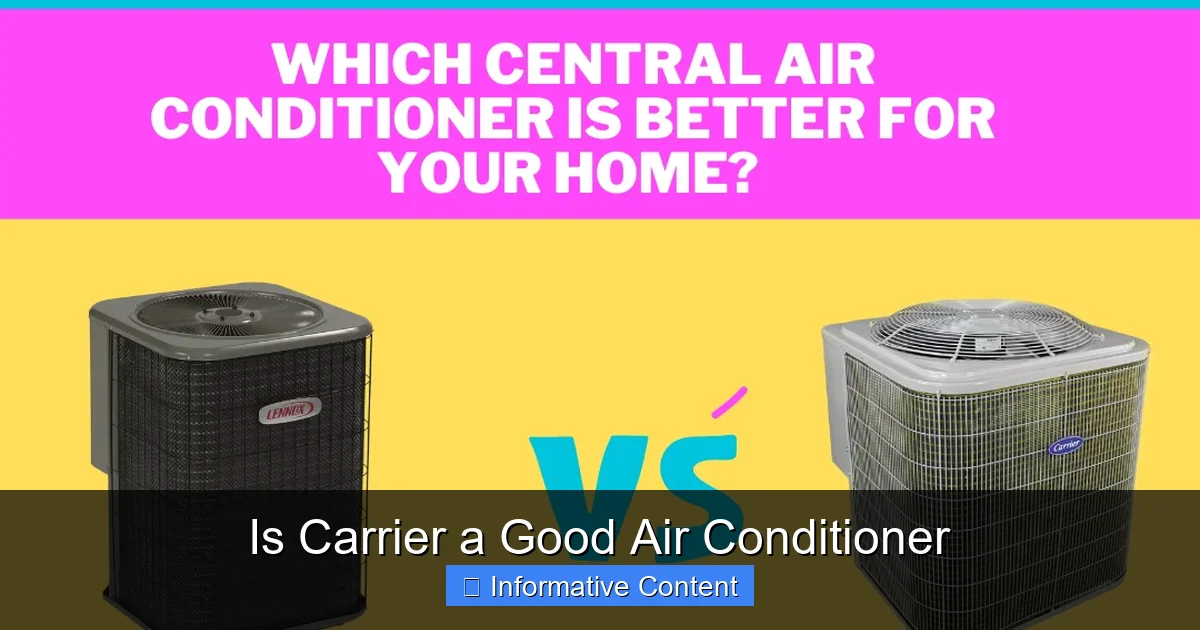
Let’s talk money—because when it comes to air conditioners, cost is a major factor. Carrier units are generally more expensive than budget brands like Goodman or Rheem, but they’re also priced competitively with other premium brands like Trane and Lennox. So, is the higher price tag justified?
On average, a Carrier air conditioner can cost anywhere from $3,500 to $7,000 or more, including installation. The exact price depends on the model, size, and complexity of the installation. For example, a 3-ton Infinity 26 unit might cost around $6,500, while a 3-ton Comfort 15 could be closer to $4,000. Add in ductwork modifications or electrical upgrades, and the total can rise further.
But cost isn’t just about the upfront price—it’s about long-term value. Carrier units are built to last, with many homeowners reporting 15 to 20 years of reliable service. That’s longer than the average lifespan of many competitors. Over time, this durability can offset the higher initial cost.
Energy savings are another key factor. A high-efficiency Carrier unit with a SEER rating of 20 or higher can reduce your cooling costs by 30% to 50% compared to an older, less efficient system. If you currently spend $200 a month on cooling during the summer, that’s $60 to $100 in monthly savings—adding up to $720 to $1,200 per year. Over 10 years, that’s $7,200 to $12,000 in savings, which more than covers the cost difference.
Warranty coverage also adds value. Carrier offers some of the best warranties in the industry, including a 10-year compressor warranty and a 10-year parts warranty on most models. Some dealers even offer extended labor warranties, giving you peace of mind that repairs will be covered if something goes wrong.
Finally, there’s the value of comfort and reliability. A Carrier air conditioner is less likely to break down during a heatwave, and it will keep your home consistently cool and dry. For many homeowners, that peace of mind is worth the extra cost.
Installation and Maintenance: Keys to Long-Term Success
Even the best air conditioner won’t perform well if it’s not installed correctly. Carrier emphasizes professional installation by certified technicians, and for good reason. Proper installation ensures optimal airflow, efficiency, and longevity.
A certified Carrier dealer will perform a detailed load calculation to determine the right size unit for your home. They’ll also inspect your ductwork, electrical system, and thermostat to ensure everything is compatible. This attention to detail can prevent common problems like short cycling, poor airflow, and high energy bills.
Regular maintenance is also crucial. Carrier recommends annual tune-ups to clean coils, check refrigerant levels, and inspect electrical connections. Many dealers offer maintenance plans that include two service visits per year, helping you stay on top of upkeep.
Customer Reviews and Real-World Experiences
So, what do actual customers say about Carrier air conditioners? Overall, reviews are positive, with many users praising the quiet operation, consistent cooling, and energy savings. Some common themes include:
– “Our Carrier unit is so quiet, we forget it’s running.”
– “We’ve had ours for 12 years with no major issues.”
– “The smart thermostat makes it easy to control from anywhere.”
Of course, there are occasional complaints about service delays or high repair costs, but these are often tied to local dealers rather than the product itself.
Conclusion: Is Carrier a Good Air Conditioner?
So, is Carrier a good air conditioner? The answer is a resounding yes—for the right homeowner. Carrier offers reliable, efficient, and quiet air conditioning systems backed by a century of innovation and a strong warranty. While they come at a higher price point, the long-term benefits in energy savings, durability, and comfort make them a worthwhile investment.
If you value quality, performance, and peace of mind, Carrier is a brand worth considering. Just be sure to choose the right model, hire a certified installer, and keep up with maintenance to get the most out of your system.
Frequently Asked Questions
Is Carrier a reliable air conditioner brand?
Yes, Carrier is known for its reliability and durability. With over 120 years of experience, the brand has built a strong reputation for producing long-lasting air conditioning systems that perform well in various climates.
How long do Carrier air conditioners last?
On average, a well-maintained Carrier air conditioner can last 15 to 20 years. Proper installation, regular maintenance, and timely repairs can help extend its lifespan even further.
Are Carrier air conditioners energy efficient?
Yes, many Carrier models are highly energy efficient, with SEER ratings up to 26. High-efficiency units can significantly reduce your cooling costs and environmental impact.
Do Carrier air conditioners come with a warranty?
Yes, Carrier offers strong warranties, including a 10-year compressor warranty and a 10-year parts warranty on most residential units. Some dealers also offer extended labor coverage.
Can I install a Carrier air conditioner myself?
No, Carrier recommends professional installation by a certified technician. Proper installation is critical for performance, efficiency, and warranty coverage.
Are Carrier air conditioners quiet?
Yes, Carrier units are designed for quiet operation, with sound levels as low as 58 decibels. Advanced sound-dampening technology helps minimize noise during operation.