
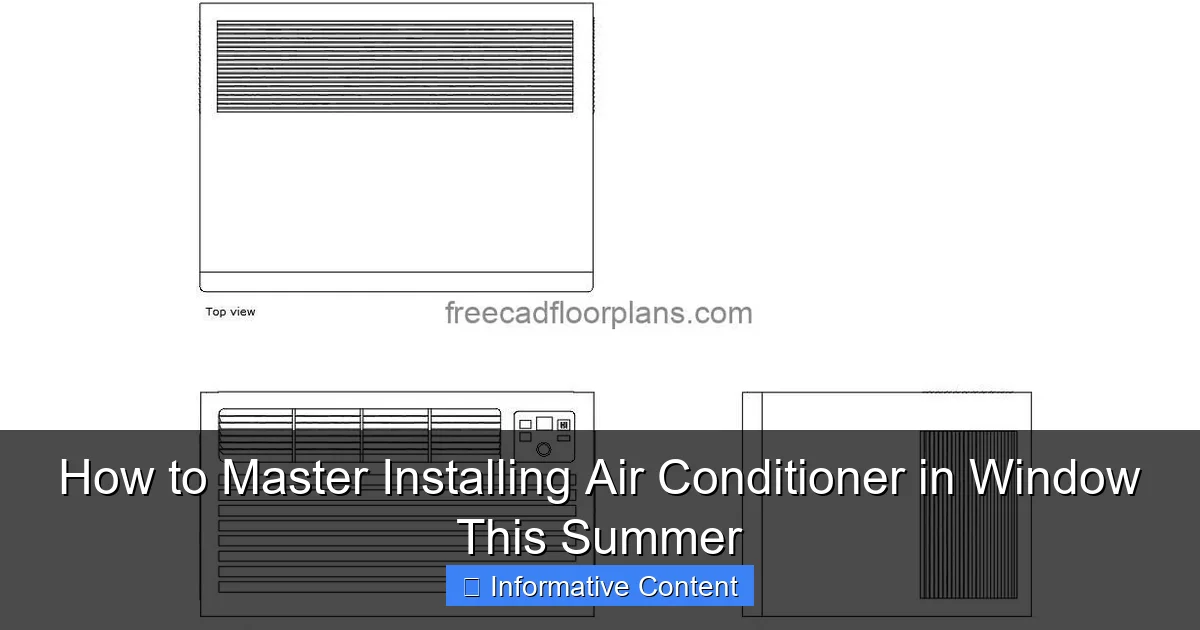
Featured image for installing air conditioner in window
Image source: freecadfloorplans.com
Installing an air conditioner in your window is a fast, cost-effective way to beat the summer heat—when done correctly. Ensure a secure fit by measuring your window dimensions, using proper support brackets, and sealing gaps to prevent energy loss. Follow manufacturer instructions closely and prioritize safety to enjoy cool, efficient airflow all season long.
Key Takeaways
- Measure your window: Ensure accurate dimensions before buying the AC unit.
- Check weight limits: Confirm your window frame can support the AC.
- Seal gaps properly: Use foam or weatherstripping to prevent air leaks.
- Secure the unit: Anchor it with brackets or support arms for safety.
- Clean filters monthly: Maintain efficiency and prolong AC lifespan.
- Follow instructions: Adhere to manufacturer guidelines for optimal performance.
📑 Table of Contents
Why Installing an Air Conditioner in Your Window Matters
Let’s be honest—summer heat can turn even the most cheerful person into a grumpy, sweaty mess. I remember last July, my apartment felt more like a sauna than a home. The humidity clung to every surface, and the fan just pushed hot air around like a bad party trick. That’s when I finally caved and bought a window air conditioner. But here’s the thing: installing air conditioner in window isn’t as simple as just plopping it in and calling it a day. It takes planning, the right tools, and a little know-how to do it safely and effectively.
If you’ve ever stared at a bulky AC unit, wondering how to get it into your window without breaking a sweat (literally or figuratively), you’re not alone. A poorly installed air conditioner can leak, rattle, or even fall out—yikes! But when done right, it can transform your space into a cool oasis. In this guide, I’ll walk you through every step of the process, from choosing the right unit to securing it properly. Whether you’re a DIY newbie or a seasoned handyman, this guide will help you master installing air conditioner in window with confidence. Let’s dive in!
Choosing the Right Air Conditioner for Your Window
Size and BTUs: The Heart of Cooling
The first step in installing air conditioner in window is picking the right unit for your space. It’s not about grabbing the biggest one on the shelf—it’s about matching the AC’s cooling power (measured in BTUs) to your room size. Too small, and it’ll struggle. Too big, and it’ll cool too quickly without removing humidity, leaving you feeling sticky.
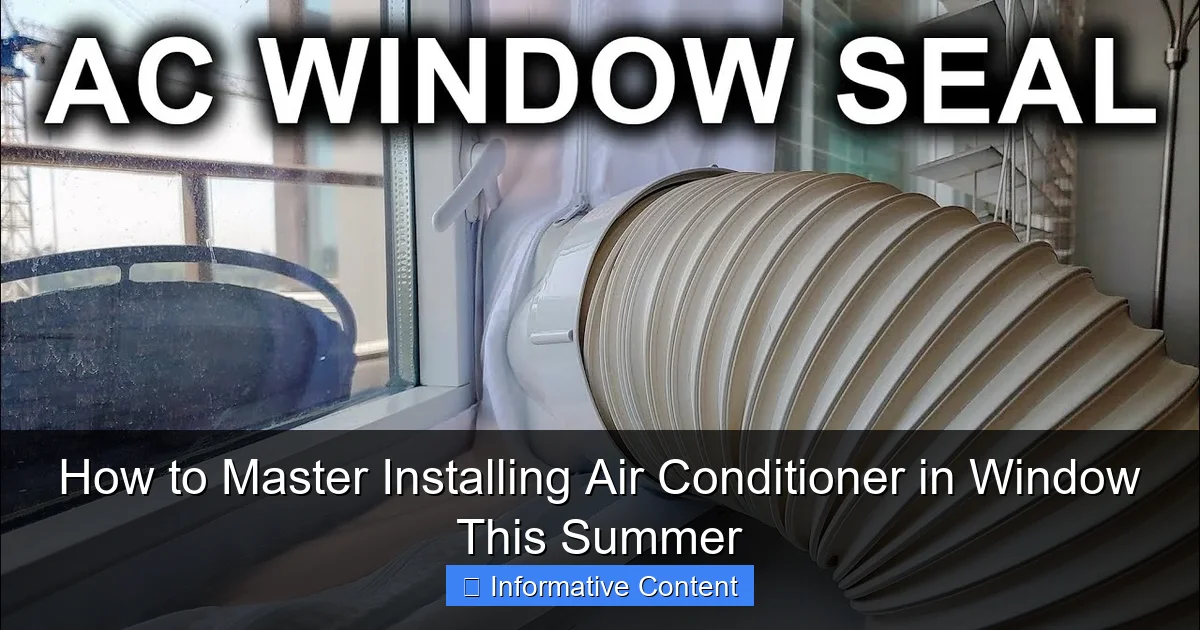
Visual guide about installing air conditioner in window
Image source: i.ytimg.com
- Small rooms (150–300 sq ft): 5,000–7,000 BTUs
- Medium rooms (300–550 sq ft): 8,000–12,000 BTUs
- Large rooms (550–1,000 sq ft): 14,000–18,000 BTUs
For example, my 12×14-foot bedroom needed an 8,000 BTU unit. I almost went for a 10,000 BTU model, but I’m glad I didn’t—it would’ve short-cycled, wasting energy and making the room feel clammy.
Window Type Compatibility
Not all ACs fit all windows. Most window units are designed for double-hung (up-and-down sliding) windows, but some work with sliding or casement windows. Measure your window’s width and height before buying. A unit that’s too wide or tall won’t fit, and one that’s too small will leave gaps for hot air to sneak in.
Pro tip: Check the manufacturer’s installation requirements. My LG unit needed a minimum window width of 24 inches and a sill depth of at least 3.5 inches. My window barely met these specs, but it worked—just barely.
Energy Efficiency and Features
Look for the Energy Star label. These units use less electricity, saving you money and reducing your carbon footprint. Features like a programmable thermostat, remote control, and sleep mode can make your life easier. My AC has a 24-hour timer, which I use to cool the room just before bedtime—no more waking up in a puddle of sweat!
Tools and Materials You’ll Need
Essential Tools
You don’t need a full toolbox to install a window AC, but having the right gear makes the job easier and safer. Here’s what I used:
- Measuring tape: For checking window and unit dimensions
- Level: To ensure the AC is tilted correctly (more on this later)
- Drill and screws: For securing the unit (some kits include these)
- Pliers and screwdriver: For tightening brackets and screws
- Scissors or utility knife: For cutting insulation foam or plastic panels
- Helper: Trust me, lifting a 50-pound AC alone is risky
Materials Included in the Kit
Most window ACs come with an installation kit. Mine included:
- Side curtains (to fill gaps)
- Foam insulation strips
- Mounting brackets and screws
- Window sill support (for extra stability)
- Instruction manual (read it!)
But don’t assume everything’s included. My friend bought a cheap unit and had to buy additional foam and screws. Always check the box contents before starting.
Optional but Helpful Extras
- Work gloves: For handling sharp edges
- Drop cloth: To protect your floor from scratches
- Weather stripping: For sealing gaps if the included foam isn’t enough
Step-by-Step Installation Guide
Preparing the Window
Before you even touch the AC, prep your window. Clear any curtains, blinds, or obstacles. Clean the sill and frame—dirt and debris can prevent a tight seal. I wiped down my sill with soapy water and let it dry completely.
Next, measure the window opening. Open it fully and measure from the inside edge of the frame to the inside edge on the opposite side. Do the same for the height. Compare these to your AC’s specifications. If the AC is wider than the window, you’ll need to use the side curtains to fill the gap. If it’s too tall, you might need to raise the sash (the movable part of the window) or use a support bracket.
Assembling the AC and Side Panels
Follow the manual to attach the side curtains. These are usually accordion-style panels that expand to fill the gap between the AC and the window frame. My LG unit had pre-attached curtains, but I had to cut them to fit my window width. Use scissors or a utility knife—measure twice, cut once!
Pro tip: Leave a 1–2 inch overlap on each side. This ensures no gaps for hot air to enter.
Placing the AC in the Window
This is the trickiest part—and the one where a helper is essential. Here’s how I did it:
- Open the window fully. Remove the lower sash if needed (some windows have removable sashes).
- Position the AC on the sill. The unit should extend about 6–8 inches outside the window. This ensures the condenser (the hot part) has enough airflow.
- Tilt it slightly downward. The outside should be 1–2 inches lower than the inside. This lets condensation drain properly. Use a level to check.
- Lower the upper sash. It should sit snugly on top of the AC. Don’t force it—if it’s too tight, adjust the AC’s position.
Caution: Never install an AC in a window that opens outward. The weight could damage the hinges or worse—fall out!
Securing the Unit
Once the AC is in place, secure it to prevent rattling or falling. My kit included L-brackets that attached to the window frame and the AC’s side panels. I drilled pilot holes first to avoid splitting the wood, then screwed them in tightly.
For extra stability, I used the included sill support. It’s a metal rod that braces against the sill and the AC’s bottom. This is especially important for heavier units or if you live in an area with strong winds.
Sealing and Insulating for Efficiency
Why Sealing Matters
A poorly sealed AC is like leaving a window open. Hot air sneaks in, cold air leaks out, and your energy bill soars. I learned this the hard way when my AC ran constantly but barely cooled the room—until I sealed the gaps.
Sealing the Top and Sides
- Top gap: If there’s a small gap between the upper sash and the AC, use foam insulation strips. Cut them to size and press them in.
- Side gaps: The side curtains should cover most of this, but if there’s still a gap, use additional foam or weather stripping. I used adhesive foam tape for a tight seal.
- Outside gaps: Check for gaps around the AC’s exterior. If you see daylight, fill it with caulk or foam. I used silicone caulk for a permanent seal.
Pro tip: Don’t overdo the insulation. The AC needs airflow to work efficiently. Leave the manufacturer’s recommended clearance around vents.
Insulating the Window Frame
If your window frame has cracks or old caulk, seal them too. I scraped off the old caulk around my frame and applied fresh silicone. This not only improved cooling but also reduced outside noise.
For a temporary fix (like a rental), use removable window film or magnetic insulation kits. These are easy to install and remove without damaging the window.
Testing and Troubleshooting
First Run: What to Expect
After installing, plug in the AC and turn it on. You should hear the fan and compressor start. The air should feel cool within minutes. But don’t panic if it’s not ice-cold right away—it can take 15–30 minutes to reach the set temperature.
Check for:
- Leaks: Look for water dripping inside or outside. If you see leaks, check the tilt and seal.
- Rattling: Tighten any loose screws or brackets.
- Unusual noises: A low hum is normal, but grinding or banging means something’s loose or damaged.
Common Issues and Fixes
| Issue | Likely Cause | Fix |
|---|---|---|
| AC isn’t cooling | Dirty filter, blocked vents, or low refrigerant | Clean the filter, check vents, or call a pro for refrigerant issues |
| Water leaks inside | AC not tilted outward or clogged drain | Adjust tilt or clear the drain |
| Loud noises | Loose parts or debris in fan | Tighten screws or remove debris |
| AC trips the breaker | Overloaded circuit or faulty unit | Plug into a dedicated outlet or check the unit |
My AC started making a rattling noise after a week. Turns out, a loose screw was vibrating against the side panel. A quick tighten fixed it—no tools needed!
Maintenance Tips for Longevity
- Clean the filter monthly. A dirty filter reduces efficiency and strains the motor.
- Check the coils. Dust buildup on the evaporator or condenser coils can block airflow. Wipe them gently with a damp cloth.
- Inspect the seals. Replace worn foam or caulk as needed.
- Drain the pan. If your AC has a drain pan, empty it regularly to prevent mold.
Final Tips for a Cool, Safe Summer
Installing a window AC isn’t just about beating the heat—it’s about doing it safely and efficiently. Here are my final tips to ensure your summer is cool and stress-free:
- Never install on a hot day. Work in the morning or evening to avoid heat exhaustion.
- Use a dedicated outlet. Window ACs draw a lot of power. Plugging into an extension cord or power strip can overload the circuit.
- Secure it for safety. If you have kids or pets, add extra brackets or a safety cable to prevent accidents.
- Consider a smart AC. Models with Wi-Fi let you control the temperature from your phone—perfect for cooling the room before you get home.
- Plan for winter. If you’re not using the AC in winter, remove it and seal the window. Leaving it in can let cold air in and increase heating bills.
Remember, installing air conditioner in window is a skill that gets easier with practice. My first try took me two hours, but now I can do it in 30 minutes. The key is patience and attention to detail. Take your time, follow the steps, and don’t rush—it’s not a race!
By now, you should feel confident tackling your own window AC installation. Whether you’re cooling a tiny studio or a large living room, the principles are the same: choose the right size, seal the gaps, and secure it properly. And if you ever doubt yourself, just think of the sweet relief of stepping into a cool room after a hot day. That’s the reward for doing it right.
So, what are you waiting for? Grab your tools, measure your window, and get ready to master installing air conditioner in window this summer. Trust me—you’ll be glad you did when the mercury climbs and your home feels like an icebox. Happy cooling!
Frequently Asked Questions
How do I choose the right size air conditioner for my window?
Measure your window opening’s width and height, then match it to the AC unit’s dimensions listed in the manual. Ensure the BTU rating suits your room size (e.g., 5,000 BTUs for 150 sq ft) for efficient cooling.
Can I install a window air conditioner by myself?
Yes, installing an air conditioner in a window is a manageable DIY project with basic tools. Follow the manufacturer’s instructions carefully and have a helper for lifting heavy units.
What tools do I need to install an air conditioner in a window?
Common tools include a screwdriver, level, measuring tape, and brackets or support arms. Some kits may require additional items like foam insulation or a drill for securing the unit.
How do I prevent my window AC unit from falling?
Use the included mounting brackets or support arms to secure the air conditioner in the window. Always double-check the unit’s stability and ensure the window frame is sturdy enough to bear the weight.
Is it necessary to seal around the air conditioner in the window?
Yes, sealing gaps with foam insulation or weatherstripping prevents hot air from entering and cool air from escaping. This improves efficiency and reduces energy costs during summer.
Can I install an air conditioner in a sliding window?
Absolutely! Many window AC units work with sliding windows using adjustable side panels or custom mounting kits. Just ensure the unit fits snugly and is properly supported.