
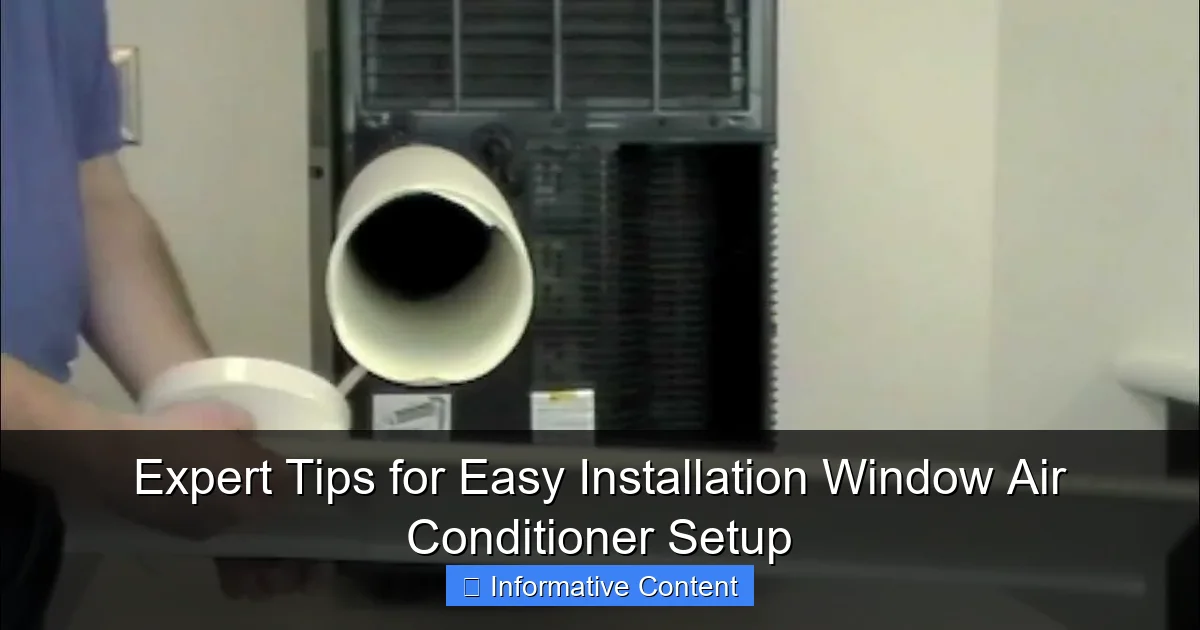
Featured image for installation window air conditioner
Image source: i.ytimg.com
Proper installation is crucial for optimal performance and safety when setting up a window air conditioner. Ensure a secure fit by measuring your window accurately, using support brackets, and sealing gaps with foam insulation to prevent energy loss. Always follow the manufacturer’s instructions and prioritize electrical safety—never overload circuits or use extension cords.
Key Takeaways
- Measure your window first: Ensure the AC unit fits securely before purchase.
- Check electrical requirements: Verify outlet compatibility to avoid power issues.
- Seal gaps tightly: Use foam or weatherstripping to prevent air leaks.
- Tilt slightly outward: Promotes proper drainage and prevents water damage.
- Secure the unit: Anchor brackets prevent accidents and ensure stability.
- Clean filters monthly: Maintain efficiency and extend the AC’s lifespan.
- Test after installation: Confirm cooling and airflow before full use.
📑 Table of Contents
- Why Installing a Window Air Conditioner Doesn’t Have to Be Stressful
- Choosing the Right Window Air Conditioner for Your Space
- Preparing Your Window and Workspace
- Step-by-Step Installation Process
- Troubleshooting Common Installation Issues
- Maintaining Your Window AC for Long-Term Performance
- Data Table: Window AC Installation Checklist
- Final Thoughts: Enjoy Your Cool, Comfortable Home
Why Installing a Window Air Conditioner Doesn’t Have to Be Stressful
Let’s be honest: the idea of installing a window air conditioner can feel overwhelming. You’ve got a bulky unit, a window that might not seem like it fits, and a nagging fear of doing something wrong—like accidentally letting in bugs or creating a drafty mess. I’ve been there. A few summers ago, I bought my first window AC unit with zero experience. I stared at the instruction manual for an hour, convinced I’d need tools I didn’t own or a degree in engineering. But after some trial, error, and a few YouTube videos later, I realized it’s not rocket science. In fact, with the right guidance, installing a window air conditioner is one of the most satisfying DIY home upgrades you can do—especially when you feel that first blast of cool air.
Whether you’re a first-timer or someone who’s struggled with a wobbly unit in the past, this guide is here to help. We’ll walk through every step of the process—from choosing the right unit to securing it safely—so you can enjoy a cool, comfortable home without sweating the details. The key? Preparation, patience, and a few expert tips for easy installation window air conditioner setup that even pros might overlook. By the end, you’ll not only know how to install your AC, but you’ll also understand how to do it efficiently, safely, and without unnecessary stress.
Choosing the Right Window Air Conditioner for Your Space
Match the BTU to Your Room Size
The first step in a smooth installation? Picking the right unit. It’s tempting to go for the biggest, most powerful AC you can find, but that can actually backfire. An oversized unit cools too quickly, doesn’t dehumidify properly, and wastes energy. On the flip side, an undersized unit will run constantly and never cool your space effectively.
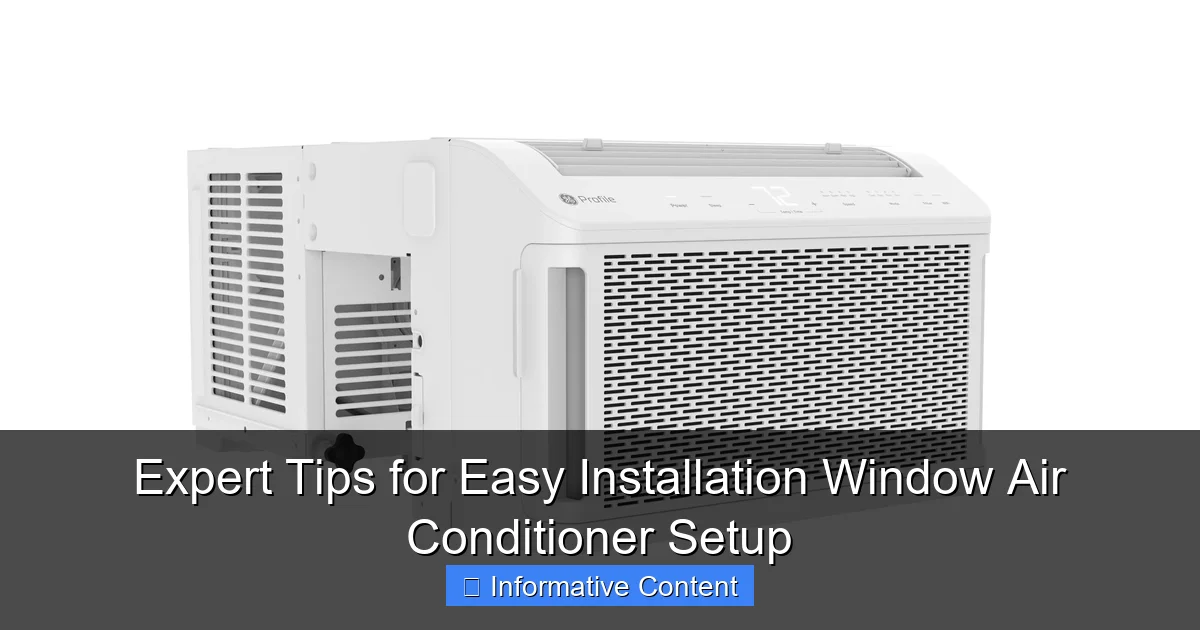
Visual guide about installation window air conditioner
Image source: m.media-amazon.com
Here’s a simple rule of thumb: 20 BTUs per square foot is a solid starting point. For example, a 200-square-foot bedroom needs around 4,000 BTUs, while a 350-square-foot living room calls for about 7,000 BTUs. If your room gets a lot of sun or you’re in a humid climate, consider adding 10% more BTUs. For rooms with high ceilings (over 8 feet), add 1,000 BTUs per 100 square feet.
Pro tip: Don’t rely solely on the manufacturer’s recommendations. Read real user reviews to see how the unit performs in similar-sized spaces. I once bought a “perfect fit” 6,000 BTU unit for my 300-square-foot apartment, only to realize it was underpowered because my kitchen (with a gas stove) added heat. A quick upgrade to 8,000 BTUs fixed the problem.
Check Window Compatibility and Unit Dimensions
Not all windows are created equal. Before buying, measure your window opening—both width and height. Most window AC units are designed for double-hung or sliding windows, but if you have casement or awning windows, you’ll need special adapters (which can be pricey and hard to find).
Also, check the unit’s minimum and maximum width adjustment range. For example, if your window is 24 inches wide, you’ll need an AC with a bracket or support system that can fit within that space. Some models come with extendable side panels (called accordion panels), which help seal the gaps. Make sure the unit’s depth (how far it extends into the room) won’t interfere with furniture or blinds.
One of my friends learned this the hard way when her AC unit stuck out so far it blocked her only window seat. She ended up returning it and opting for a low-profile window air conditioner designed for shallow window sills.
Look for Energy Efficiency and Smart Features
Energy efficiency isn’t just about saving money—it also means less strain on your unit and a quieter operation. Look for units with an Energy Star rating and a high Combined Energy Efficiency Ratio (CEER). A CEER of 10 or higher is excellent. Units with inverter technology (like mini-splits but for windows) adjust cooling power dynamically, which saves energy and reduces noise.
Smart features are a game-changer, too. Wi-Fi-enabled models let you control the AC from your phone, set schedules, and monitor energy use. I love being able to turn on the AC from my office 30 minutes before I get home—no more walking into a sauna. Just make sure your home Wi-Fi is strong enough near the window.
Preparing Your Window and Workspace
Clear the Area and Gather Tools
Before you even touch the AC unit, clear the area around your window. Move furniture, rugs, and anything that might get in the way. You’ll need space to work, lift the unit, and maneuver it into place. I once tried installing an AC in a cluttered room and ended up knocking over a plant, spilling soil everywhere. Not a great start.
Here’s what you’ll need:
- Measuring tape
- Level (a cheap $10 one from the hardware store works fine)
- Drill (optional, but helpful for securing brackets)
- Screwdriver (usually Phillips head)
- Scissors or utility knife (for trimming foam or insulation)
- Gloves (to protect your hands from sharp edges)
- A helper (seriously, window ACs are heavy—don’t try to do it alone)
If you’re renting, check with your landlord about drilling into window frames. Some buildings have rules about permanent modifications. If you can’t drill, look for units with non-permanent mounting systems (like heavy-duty brackets that clamp onto the sill).
Inspect and Clean the Window Frame
A clean, sturdy window frame is essential for a secure fit. Open the window and check for:
- Cracks or rot in the wood or vinyl
- Loose screws or damaged tracks
- Debris or old insulation that might block the unit
Use a damp cloth to wipe down the sill and frame. If you see gaps between the window and frame, consider adding weather stripping. A tight seal prevents drafts and keeps insects out. I once skipped this step and spent a week chasing tiny spiders out of my bedroom. Not fun.
Also, make sure the window opens and closes smoothly. If it’s stuck, spray a little silicone lubricant on the tracks. A stiff window can make installation much harder.
Plan for Ventilation and Drainage
Window AC units expel hot air and moisture. The back (condenser side) needs to face outside with plenty of clearance—at least 12 inches on each side and 20 inches above. Avoid placing it near shrubs, fences, or anything that could block airflow.
If your window sill slopes, you might need to shim the unit with small wood blocks or rubber pads to keep it level. A tilted AC can leak water inside or vibrate excessively. Use your level to double-check before securing anything.
Step-by-Step Installation Process
Step 1: Attach Support Brackets (If Needed)
Many modern window AC units come with L-shaped support brackets that attach to the sill. These take the weight off the window frame, which is especially important for older or weaker windows. Follow the manufacturer’s instructions to drill pilot holes and secure the bracket with screws. Don’t overtighten—you want it snug but not so tight that it warps the wood.
For units without brackets, you’ll rely on the window’s lower sash to hold the weight. In this case, make sure the sash is sturdy and the lock mechanism works. I once installed an AC without a bracket on a flimsy window. The sash sagged after a few days, and the unit started leaning. I had to add a bracket later.
Step 2: Position the AC Unit
With a helper, carefully lift the AC and place it on the sill. The back (outside-facing) should extend about 6–8 inches beyond the sill. Slide it in slowly—don’t force it. If it’s too tight, adjust the side panels or check for obstructions.
Once it’s in, close the window sash down onto the AC’s top panel. The sash should rest firmly on the unit’s metal or plastic top cover. If there’s a gap, use the included foam or metal support bar to fill it. This prevents the unit from shifting and keeps cold air inside.
Step 3: Secure the Side Panels
Most ACs come with expandable accordion panels (usually vinyl or metal) that fit into the window’s side tracks. Extend them to fill the gaps between the unit and the window frame. Use the included screws or clips to secure them. Trim any excess with scissors if needed.
For a tighter seal, add foam tape along the edges. I like to use adhesive-backed foam weather stripping—it’s cheap and fills tiny gaps that panels miss. A well-sealed unit is quieter and more efficient.
Step 4: Level the Unit and Check Stability
Place your level on top of the AC. Adjust the support brackets or add shims until the unit is perfectly level. A tilted AC can leak water inside or vibrate, which damages the compressor over time.
Wiggle the unit gently. If it moves, tighten the brackets or add more foam. It should feel solid—no rocking or shifting. I once installed an AC that felt stable, but after a windy night, it shifted and started leaking. A quick check with the level fixed it.
Step 5: Seal Gaps and Insulate
Even small gaps let in hot air and bugs. Use the included foam strips or buy extra to seal around the top and sides. For the bottom, if there’s a gap between the sill and the unit, use a foam sill gasket or a small piece of rigid foam board.
If your AC has an exhaust hose (common in portable units), make sure it’s securely connected and insulated. For window units, the back is already sealed, but you can add a reflective insulation panel behind it to reduce heat transfer.
Troubleshooting Common Installation Issues
The AC Unit Doesn’t Fit the Window
This is the #1 frustration. If the unit is too wide, check if you can remove the side panels or adjust the support brackets. Some models have removable extensions. If it’s too narrow, use the accordion panels fully extended and add extra foam tape.
For windows that are too short, you might need a window AC with a lower profile or a custom mounting kit. One friend used a small wooden platform to raise the unit, but that’s not ideal—it can block airflow.
Water Leaking Inside
Leaks usually mean the unit isn’t level or the drain pan is clogged. First, check the level. If it’s tilted inward, the water has nowhere to go. Also, clean the drain pan (usually accessible by removing the front panel) and make sure the drain hole isn’t blocked.
If you’re in a humid area, consider adding a drip tray under the unit. I use a cheap plastic baking pan—it catches any stray drips and is easy to clean.
Excessive Noise or Vibration
Most window ACs make some noise, but loud rattling or buzzing means something’s wrong. Check that:
- The unit is level and secure
- The side panels are tightly fitted
- The fan blades aren’t hitting anything
- The support brackets aren’t loose
Place a rubber mat or foam pad under the unit to reduce vibration. I once had a noisy AC, and it turned out the fan blade was slightly bent. A $5 replacement part from the manufacturer fixed it.
Drafts or Air Leaks
Drafts mean your seal isn’t tight. Re-check the foam tape, side panels, and top cover. If the window frame is warped, use a flexible sealant (like silicone caulk) to fill gaps. Avoid expanding foam—it can warp the window.
For older windows, consider a window AC with magnetic side panels—they create a tighter seal and are easier to install.
Maintaining Your Window AC for Long-Term Performance
Clean the Filters Monthly
Dirty filters reduce efficiency and strain the motor. Most window ACs have removable filters—just pop them out, rinse with water, and let them dry. Do this every 3–4 weeks during heavy use. I set a phone reminder so I don’t forget.
If the filter is damaged, replace it. Cheap filters cost $10–$15 and are worth it for better air quality.
Check the Coils and Fins
The evaporator (inside) and condenser (outside) coils need to be clean. Use a soft brush or vacuum with a brush attachment to remove dust. For stubborn grime, a coil cleaner spray works well. Never use a pressure washer—it can bend the fins.
Straighten bent fins with a fin comb (a $5 tool from HVAC supply stores). Bent fins block airflow and reduce cooling power.
Inspect Seals and Panels
Every few months, check the foam seals and side panels for wear. Cracked or brittle foam should be replaced. I keep extra rolls of foam tape on hand for quick fixes.
If the panels are loose, tighten the screws. Loose panels let in hot air and make the AC work harder.
Winter Storage Tips
If you remove the AC in winter, clean it thoroughly first. Store it upright in a dry place—never on its side. Cover it with a breathable cloth to prevent dust buildup. I once stored mine in a damp basement, and it developed mold. Not cool.
If you keep it installed, use a weatherproof cover to protect it from snow and rain. Make sure the cover is secure so it doesn’t blow off.
Data Table: Window AC Installation Checklist
| Task | Tools Needed | Time Required | Notes |
|---|---|---|---|
| Measure window and room | Measuring tape | 5 minutes | Check BTU needs and unit dimensions |
| Clear workspace | None | 10 minutes | Remove furniture and clutter |
| Clean window frame | Cloth, silicone spray | 15 minutes | Check for damage and debris |
| Install support bracket | Drill, screws, level | 20 minutes | Use pilot holes to avoid splitting wood |
| Position AC unit | Helper, gloves | 10 minutes | Back should extend 6–8 inches outside |
| Secure side panels | Screws, scissors | 15 minutes | Trim excess and add foam tape |
| Level and seal | Level, foam tape | 10 minutes | No gaps allowed |
| Test operation | None | 5 minutes | Check for leaks, noise, and airflow |
Final Thoughts: Enjoy Your Cool, Comfortable Home
Installing a window air conditioner might seem like a big job, but with these expert tips for easy installation window air conditioner setup, it’s totally doable—even if you’ve never picked up a drill before. The key is to take your time, follow the steps, and don’t skip the prep work. A well-installed AC not only cools better but also lasts longer and uses less energy.
Remember, it’s okay to ask for help. I’ve seen too many people try to muscle a 70-pound unit into place and end up with a sore back (or worse, a broken window). Enlist a friend, family member, or even a neighbor. Most people are happy to help for a cold drink or a slice of pizza.
And once it’s in? Sit back, relax, and enjoy that crisp, cool air. There’s nothing like the satisfaction of a DIY win—especially when it makes your home more comfortable. Whether you’re beating the summer heat or just creating a cozy retreat, a properly installed window AC is a small upgrade with big rewards. Stay cool out there.
Frequently Asked Questions
How do I install a window air conditioner safely?
To install a window air conditioner safely, ensure the unit is on a stable, level surface and the window frame is sturdy enough to support its weight. Always follow the manufacturer’s instructions and use support brackets or mounting kits to secure the unit and prevent accidents.
What tools do I need for a window air conditioner installation?
Common tools for installation include a screwdriver, measuring tape, level, and support brackets (often included with the unit). You may also need weatherstripping or foam insulation to seal gaps and improve energy efficiency.
Can I install a window air conditioner by myself?
Yes, most window air conditioners can be installed solo, but having a second person helps due to the unit’s weight and size. Always prioritize safety and double-check that the unit is properly secured before use.
How do I seal gaps after installing a window air conditioner?
Use foam weatherstripping or accordion-style side panels (often included) to fill gaps between the unit and window frame. This prevents hot air from entering and improves cooling efficiency, saving energy.
Where is the best place to install a window air conditioner?
Choose a shaded window, preferably on the north or east side of your home, to reduce direct sunlight exposure. Ensure the unit is near an electrical outlet and away from obstructions for optimal airflow.
What are common mistakes to avoid during installation?
Avoid skipping support brackets, tilting the unit incorrectly (outward for drainage), or leaving large gaps unsealed. These mistakes can lead to leaks, poor performance, or even the unit falling out.