
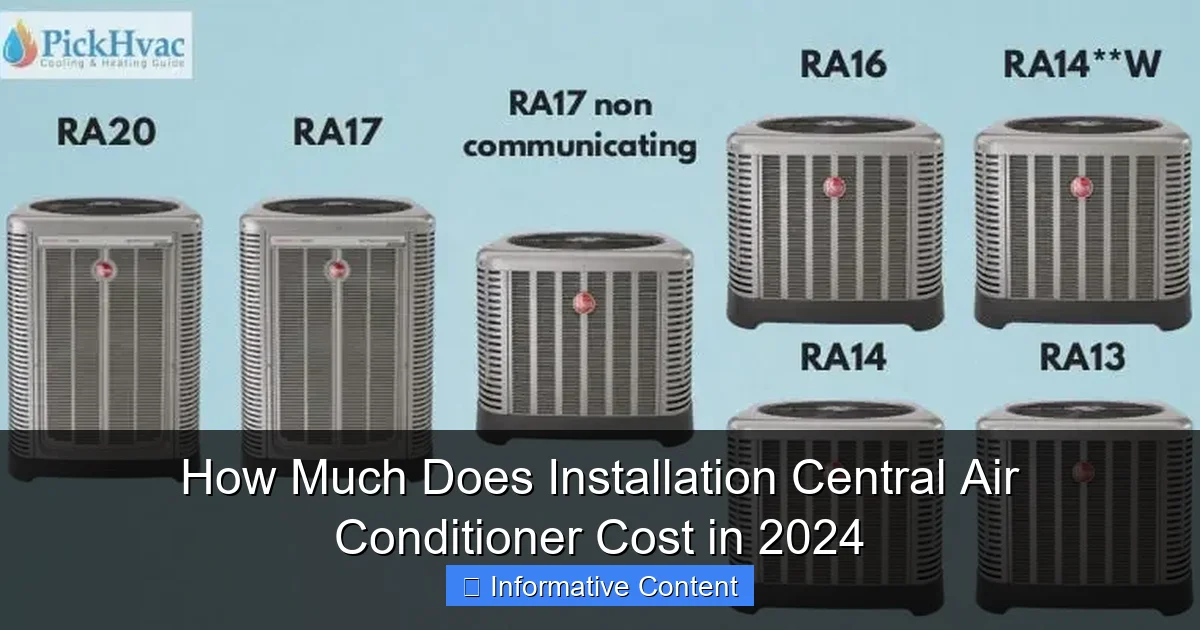
Featured image for installation central air conditioner cost
Image source: pickhvac.com
The average cost to install a central air conditioner in 2024 ranges from $3,800 to $7,500, depending on unit size, efficiency, and labor complexity. High-efficiency models and ductwork modifications can push costs higher, but investing in professional installation ensures optimal performance and long-term savings.
Key Takeaways
- Costs range widely: Expect $3,800–$7,500 depending on unit size and home layout.
- SEER rating matters: Higher efficiency units cost more upfront but save long-term.
- DIY isn’t advised: Professional installation ensures safety, efficiency, and warranty validity.
- Get multiple quotes: Compare 3+ local HVAC pros for best pricing and service.
- Timing affects price: Off-season installations (fall/winter) often offer lower rates.
- Check rebates: Federal, state, or utility incentives can cut costs by hundreds.
📑 Table of Contents
- How Much Does Installation Central Air Conditioner Cost in 2024?
- Understanding the Core Cost Factors
- Breaking Down the Installation Process and Labor Costs
- Regional Price Variations and Market Trends
- Hidden Costs and Unexpected Expenses
- Smart Ways to Save Money and Maximize Value
- Data Table: Central AC Installation Cost Breakdown (2024)
- Conclusion: Your Next Steps for a Cool, Confident Decision
How Much Does Installation Central Air Conditioner Cost in 2024?
Imagine this: It’s the middle of July, the sun is blazing, and your old window unit is wheezing like a tired marathon runner. You’re sweating through your shirt, dreaming of a cool, consistent breeze that doesn’t sound like a jet engine. That’s when the idea hits you—maybe it’s time for a central air conditioner. But before you start picturing your home as a personal Arctic retreat, reality sets in: how much does installation central air conditioner cost in 2024?
You’re not alone. Thousands of homeowners are asking the same question as summer heat waves become longer and more intense. The truth? There’s no one-size-fits-all answer. Costs can range from a few thousand dollars to over $10,000, depending on your home, your needs, and the system you choose. But don’t worry—I’ve been through this process myself (and helped friends and family navigate it too). In this guide, I’ll walk you through everything you need to know about the cost of installing a central air conditioner in 2024. From the equipment itself to labor, permits, and hidden fees, I’ll break it all down so you can make a smart, informed decision—without getting burned (literally or financially).
Understanding the Core Cost Factors
When it comes to central air conditioner installation, the price tag isn’t just about the unit. It’s a mix of several key components, each with its own price range and variables. Let’s dive into what really affects the total cost.
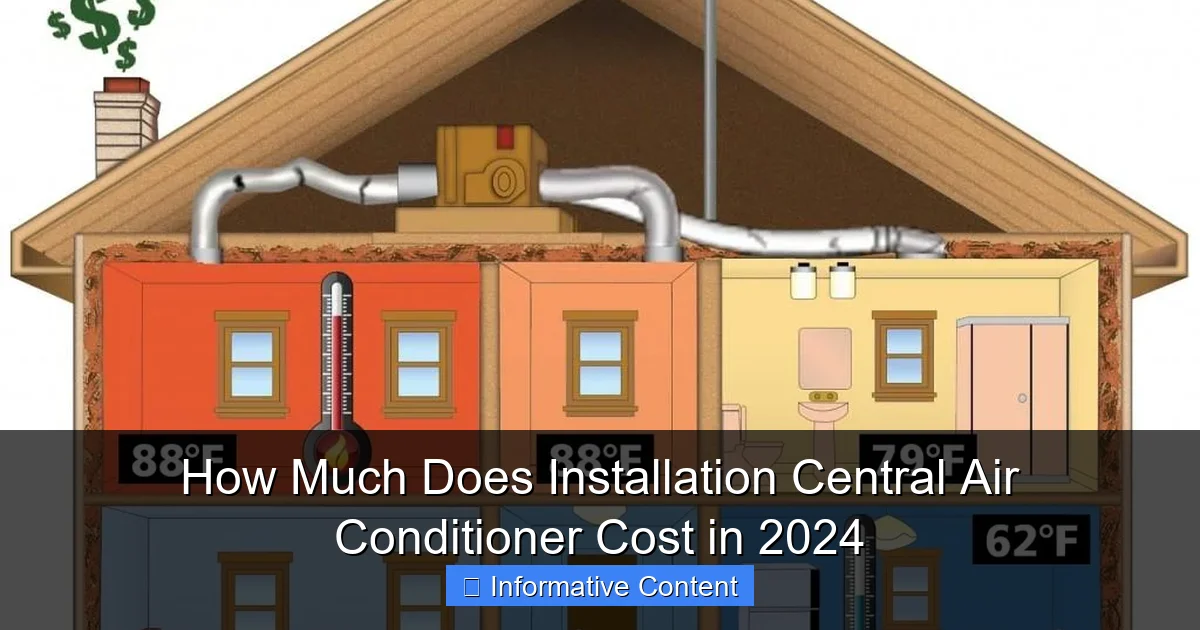
Visual guide about installation central air conditioner cost
Image source: uploads-ssl.webflow.com
1. Unit Type and Efficiency
Not all central air conditioners are created equal. The type of system you choose—split, packaged, or ductless mini-split—will impact your cost. But the biggest factor? Efficiency.
- SEER Rating: The Seasonal Energy Efficiency Ratio (SEER) measures how efficiently your AC uses energy. In 2024, the minimum SEER rating in most U.S. regions is 14 (15 in the Southeast and Southwest). Higher SEER units (18–26) cost more upfront but can save you hundreds on energy bills over time.
- Split vs. Packaged: A split system (outdoor condenser + indoor air handler) is most common and typically costs $3,500–$7,500 installed. A packaged unit (all components in one outdoor unit) is cheaper ($2,500–$6,000) but may not be as efficient or quiet.
- Mini-Split Systems: If you’re retrofitting a home without ducts, a ductless mini-split can cost $3,000–$10,000, depending on zones and complexity.
Pro Tip: Don’t just chase the highest SEER. A 20-SEER unit might save you $50/year vs. a 16-SEER model, but it could cost $2,000 more. Calculate your payback period (cost difference ÷ annual savings) to see if it’s worth it.
2. Home Size and Layout
Size matters—literally. Your home’s square footage determines the cooling capacity (measured in tons) you need.
- 1 ton = 12,000 BTUs (British Thermal Units), which cools about 400–600 sq ft.
- For a 2,000 sq ft home, you’ll likely need a 3- to 4-ton unit.
But it’s not just about size. A two-story home with poor insulation, large windows, or a sunroom might need a larger unit or zoning to avoid hot/cold spots. An HVAC pro will perform a Manual J load calculation to determine your exact needs.
Real-World Example: My neighbor installed a 3-ton unit in her 1,800 sq ft ranch, but her attic had zero insulation. The AC ran constantly. After adding insulation, her 3-ton unit worked perfectly—saving energy and extending the system’s life.
3. Ductwork: Hidden but Crucial
If you already have ducts (from a furnace), your cost drops. But if ducts are damaged, undersized, or missing, expect to pay $2,000–$8,000 for repairs or a full duct system.
- Duct Inspection: A professional can check for leaks, mold, or poor design. Fixing leaks can improve efficiency by up to 30%.
- New Ducts: Installing ducts in a home without them is labor-intensive. Costs vary by home layout—a basement with easy access is cheaper than a slab foundation.
Tip: Ask your installer for a duct assessment before finalizing the quote. It’s better to know now than face a $5,000 surprise mid-installation.
Breaking Down the Installation Process and Labor Costs
Now that we’ve covered the hardware, let’s talk about the people doing the work. Labor is typically 30–50% of your total cost, but it’s worth every penny when done right.
What’s Involved in Installation?
Installation isn’t just “plug and play.” It’s a multi-day process that includes:
- Site Prep: Clearing space, protecting floors, and setting up equipment.
- Outdoor Unit Placement: Level ground, proper clearance, and electrical connections.
- Indoor Unit (Air Handler) Installation: Often in the attic, basement, or utility closet. Requires secure mounting and refrigerant line routing.
- Ductwork Modifications: Sealing, resizing, or replacing ducts as needed.
- Electrical Work: A dedicated circuit (usually 240V) for the AC, plus a disconnect box.
- Refrigerant Charging: Precise levels are critical for efficiency and performance.
- Testing & Balancing: Checking airflow, temperature differentials, and system operation.
A typical 3-ton split system takes 2–4 days to install. Complex jobs (e.g., retrofitting a historic home) can take a week or more.
Labor Cost Breakdown
Labor rates vary by region, but here’s a general guide:
- Basic Installation (existing ducts): $1,000–$3,000
- Moderate (minor duct repairs, attic access): $3,000–$5,000
- Complex (new ducts, slab foundation, zoning): $5,000–$8,000+
Pro Tip: Get at least 3 quotes from licensed HVAC contractors. Look for NATE-certified techs and check online reviews. The cheapest quote isn’t always the best—ask for a detailed scope of work.
Permits and Inspections
Most cities require permits for AC installation ($100–$300). The contractor usually handles this, but it’s often added to your final bill. Inspections (post-install) are also common. Skipping permits might save $200 now, but you’ll face fines or failed home inspections later.
Regional Price Variations and Market Trends
Here’s the thing: a central air conditioner in Phoenix costs more than in Portland. Why? Climate, labor markets, and local regulations all play a role.
Regional Cost Differences
Here’s a snapshot of average installation costs by region in 2024:
- Northeast (NY, MA): $5,500–$9,000 (high labor, strict codes)
- Southeast (FL, GA): $4,500–$8,000 (high demand, humid climates need larger units)
- Midwest (IL, OH): $4,000–$7,500 (moderate labor, older homes often need duct upgrades)
- West (CA, AZ): $5,000–$8,500 (high labor, energy efficiency requirements)
- Southwest (TX, NV): $4,500–$8,000 (extreme heat, longer run times)
Example: A friend in Austin installed a 4-ton 18-SEER unit for $6,200. The same system in Boston cost $7,800 due to higher labor and permit fees.
2024 Market Trends
What’s shaping prices this year?
- Supply Chain Stabilization: After pandemic delays, equipment is more available, but inflation has raised prices 10–15% since 2022.
- New Efficiency Standards: Starting in 2023, the U.S. DOE requires higher SEER ratings in some regions, pushing up unit costs.
- Labor Shortages: Skilled HVAC techs are in high demand. Some areas report 6–8 week wait times for installation.
- Smart Thermostats: Many systems now include Wi-Fi thermostats (adds $200–$500), but they improve efficiency and convenience.
Tip: If you’re flexible, schedule installation in winter (off-peak season). Contractors may offer discounts to fill their schedule.
Hidden Costs and Unexpected Expenses
Here’s the part no one likes to talk about: the “oh, we didn’t see that coming” moments. These hidden costs can add $500–$2,000 to your project.
Common Surprises
- Electrical Upgrades: Older homes may need a new circuit or panel upgrade (adds $1,000–$3,000).
- Drain Line Issues: The condensate drain must slope properly. Clogs or poor placement can cause water damage.
- Thermostat Relocation: If your thermostat is in a hot hallway, moving it to a central location improves accuracy (adds $200–$500).
- Zoning Systems: Want different temps for each floor? Dampers and controls add $2,000–$4,000.
- Refrigerant Lines: Longer or more complex routes (e.g., through a finished basement) increase labor time.
Real-World Story: My cousin’s installer found a 20-year-old duct in his attic with a 3-foot hole. Repairing it added $800 to the bill—but it was worth it to prevent future energy waste.
Warranties and Maintenance
Most units come with a 5- to 10-year parts warranty, but labor is often limited to 1 year. Extended labor warranties (adds $300–$800) can be a good investment.
- Annual Maintenance: Budget $100–$200/year for a tune-up. This includes filter changes, coil cleaning, and refrigerant checks.
- Filter Replacement: High-efficiency filters cost $20–$50 each. Change them every 1–3 months in summer.
Pro Tip: Ask your contractor for a maintenance plan. Many offer discounts on repairs and priority service.
Smart Ways to Save Money and Maximize Value
Let’s be honest: central AC is a big investment. But there are smart ways to save without sacrificing quality or comfort.
1. Rebates and Incentives
Don’t leave free money on the table! Many states and utilities offer rebates for energy-efficient systems.
- Federal Tax Credit: The Inflation Reduction Act (2022) offers a 30% tax credit (up to $600) for AC units with a SEER ≥ 16.
- Utility Rebates: Check your provider’s website. Some offer $200–$500 for high-SEER units.
- State Incentives: California, New York, and others have additional rebates. Use the DSIRE database to find programs in your area.
Example: A $7,000 system with a $500 utility rebate and $600 federal credit brings your cost down to $5,900.
2. Energy Savings and Long-Term ROI
Think of your AC as an investment, not an expense. A 16-SEER unit can cut your cooling costs by 20–40% vs. a 10-SEER unit.
- Payback Period: If you save $200/year on energy, a $1,000 price difference pays for itself in 5 years.
- Home Value: Central AC can boost your home’s resale value by 5–10%.
Tip: Pair your AC with a smart thermostat. It learns your schedule and adjusts temps automatically, saving 10–15% on energy.
3. DIY? Not Recommended—But You Can Help
Installing central AC is not a DIY project. Refrigerant handling, electrical work, and pressure testing require licenses. But you can save on prep work:
- Clear the installation area (move furniture, trim bushes).
- Buy filters in bulk (saves 10–20%).
- Get quotes early and compare.
Warning: Never try to recharge refrigerant yourself. It’s illegal without EPA certification and can damage your system.
Data Table: Central AC Installation Cost Breakdown (2024)
| Component | Low-End Cost | High-End Cost | Notes |
|---|---|---|---|
| Unit (3-ton, 16-SEER) | $2,500 | $4,500 | Higher SEER = higher price |
| Labor (basic install) | $1,000 | $3,000 | Complex jobs cost more |
| Ductwork (repairs) | $500 | $3,000 | New ducts: $2,000–$8,000 |
| Electrical Work | $200 | $1,500 | Panel upgrades cost extra |
| Permits & Inspections | $100 | $300 | Often included in quotes |
| Smart Thermostat | $200 | $500 | Improves efficiency |
| Total (Average) | $4,500 | $8,500 | Most homes fall here |
| Total (High-End) | $9,000 | $12,000+ | Zoning, new ducts, high SEER |
Conclusion: Your Next Steps for a Cool, Confident Decision
So, how much does installation central air conditioner cost in 2024? The answer is: it depends—but now you know exactly what it depends on. Whether you’re budgeting for a $4,500 basic install or a $10,000 premium system with smart zoning, you’re no longer in the dark.
Here’s what I want you to take away: This isn’t just about buying a machine. It’s about investing in your comfort, health, and home value. A well-installed central AC can last 15–20 years, keep your home cool during heat waves, and even improve air quality. And with rebates, energy savings, and smart tech, you can stretch your dollar further than ever.
Before you sign anything, remember these key steps:
- Get 3+ quotes from licensed, insured contractors.
- Ask for a detailed scope of work (not just a price).
- Check rebates—you might save hundreds.
- Don’t skip the Manual J calculation—it ensures your system is the right size.
- Plan for maintenance—a $150 tune-up can prevent a $1,500 repair.
And one last thing: Trust your gut. If a contractor seems rushed, vague, or pushy, walk away. The right pro will take the time to explain your options and answer your questions—because this is your home, your comfort, and your money.
Now go get that quote. Summer’s coming, and your cool, quiet oasis is waiting.
Frequently Asked Questions
How much does installation central air conditioner cost in 2024?
The average cost to install a central air conditioner in 2024 ranges from $3,800 to $7,500, depending on unit size, efficiency, and labor. Factors like home layout and regional pricing can also influence the final price.
What factors affect the cost of central AC installation?
Key factors include the unit’s SEER rating, tonnage (size), brand, ductwork modifications, and local labor rates. Homes without existing ductwork may face higher installation costs due to added complexity.
Is it cheaper to install central air during new construction?
Yes, installing central air during new construction typically costs 10–20% less than retrofitting an existing home. Ductwork and electrical systems can be integrated more efficiently before walls are sealed.
Does the cost include removing my old AC unit?
Most quotes for central air conditioner installation include basic removal and disposal of the old unit, but confirm with your contractor. Some companies charge extra for hazardous material handling or complex removals.
Are high-efficiency units worth the higher installation cost?
High-efficiency models (SEER 18+) cost more upfront but can save 20–40% on energy bills over time. If you live in a hot climate, the long-term savings often justify the initial investment.
Can I get financing for central air conditioner installation?
Many HVAC companies and manufacturers offer financing plans, including low-interest or deferred-payment options. Check for rebates or tax credits to reduce the overall cost of installation.