
Featured image for install through the wall air conditioner
Image source: appliancesforlife.com
Installing a through-the-wall air conditioner requires precision and the right tools to ensure optimal performance and energy efficiency. This guide walks you through measuring the opening, sealing gaps, and securing the unit safely—just like a pro—so you avoid common pitfalls like air leaks or improper drainage. Get it right the first time and enjoy cool, reliable comfort all season long.
Key Takeaways
- Measure twice, cut once: Ensure precise wall opening dimensions before installation.
- Seal gaps tightly: Use weatherstripping to prevent air leaks and boost efficiency.
- Prioritize drainage: Slope the unit slightly outward for proper condensation runoff.
- Secure mounting brackets first: Stabilize the frame before inserting the AC unit.
- Insulate around edges: Foam tape or caulk minimizes drafts and noise.
- Test operation early: Verify cooling and drainage before finalizing the install.
📑 Table of Contents
- Why Installing a Through-the-Wall Air Conditioner is Worth It
- Choosing the Right Through-the-Wall Air Conditioner
- Preparing for Installation: Tools, Safety, and Planning
- Step-by-Step Installation Process
- Sealing, Insulating, and Final Touches
- Maintenance Tips to Keep Your AC Running Like New
- Cost Comparison: Through-the-Wall vs. Alternatives
- Final Thoughts: Your Cool, Comfortable Space Awaits
Why Installing a Through-the-Wall Air Conditioner is Worth It
Let’s be honest: summers can be brutal. Whether you’re in a small apartment, a converted garage, or a room with no windows, staying cool is more than a luxury—it’s a necessity. That’s why so many people are turning to through the wall air conditioners as a reliable, permanent cooling solution. Unlike portable units that constantly need draining or window units that block your view and security, a through-the-wall AC offers a clean, efficient, and out-of-the-way setup. I remember my first summer in a basement apartment—no windows, just a concrete wall and a space heater. When I finally installed a through-the-wall unit, it felt like stepping into a five-star resort. Cool air, no noise in the room, and best of all, I could finally sleep through the night.
But here’s the thing: installing a through-the-wall air conditioner isn’t just about drilling a hole and plugging it in. Done wrong, it can lead to water leaks, poor airflow, or even structural damage. Done right? You’ll have a sleek, energy-efficient unit that cools your space perfectly for years. In this guide, I’ll walk you through every step—from choosing the right model to sealing it up like a pro—so you can install your through the wall air conditioner with confidence. Whether you’re a DIY rookie or a weekend warrior, this is the only guide you’ll need to get it right the first time.
Choosing the Right Through-the-Wall Air Conditioner
Understand Your Room’s Cooling Needs
Not all rooms are created equal, and neither are air conditioners. The first step in picking the right through the wall air conditioner is understanding your space. Start by measuring the room’s square footage. A 10’ x 12’ bedroom (120 sq ft) needs less power than a 20’ x 25’ living room (500 sq ft). But it’s not just about size. Think about:
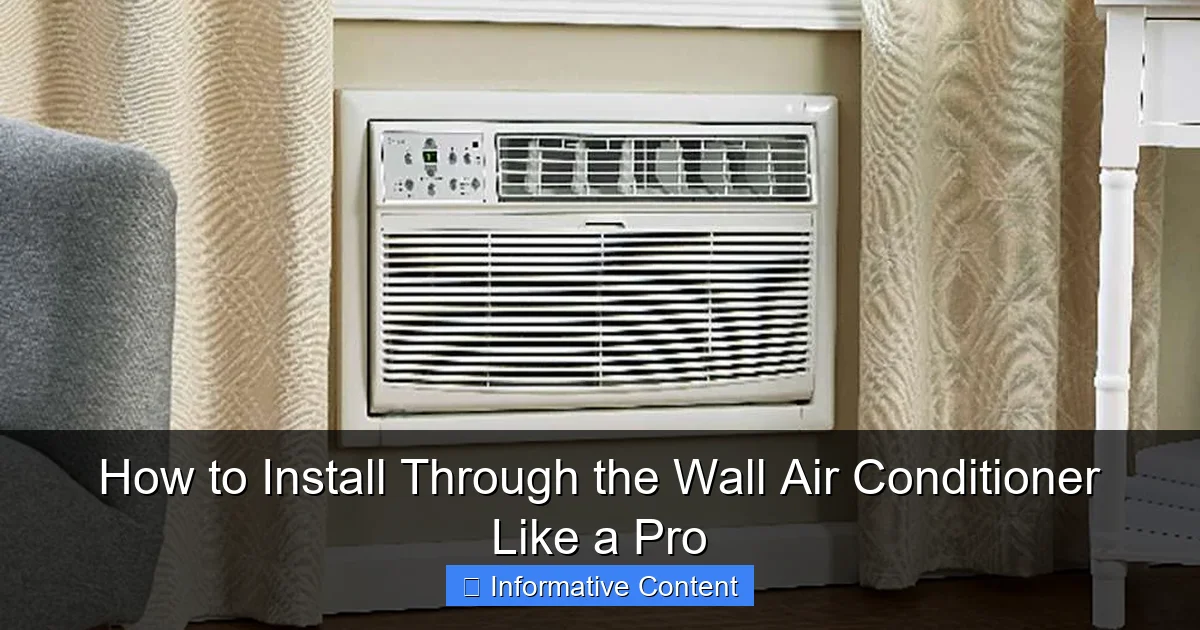
Visual guide about install through the wall air conditioner
Image source: web-res.midea.com
- Ceiling height: Higher ceilings mean more air to cool.
- Sun exposure: South- or west-facing rooms get more heat.
- Insulation: Older homes or rooms with thin walls lose cool air faster.
- Occupancy: More people = more body heat.
For example, my 150 sq ft home office faces west and gets full sun by 2 PM. I went with a 10,000 BTU unit instead of the 8,000 BTU I initially considered—and it made all the difference.
BTU: The Cooling Power You Can’t Ignore
BTU (British Thermal Units) measures cooling capacity. Here’s a quick guide:
- 5,000–6,000 BTU: Rooms up to 150 sq ft
- 7,000–8,000 BTU: Rooms 150–350 sq ft
- 9,000–10,000 BTU: Rooms 350–550 sq ft
- 12,000+ BTU: Rooms 550+ sq ft
But don’t oversize! A unit that’s too powerful will cool the room too fast, turning off before it removes humidity. This leads to a “cold but clammy” feeling. I learned this the hard way when I bought a 12,000 BTU unit for a 300 sq ft room. The air felt damp, and the unit cycled on/off every 10 minutes. Downgrading to 9,000 BTU fixed it.
Features That Matter (and Some That Don’t)
Modern through the wall air conditioners come packed with features. Here’s what to prioritize:
- Energy Efficiency (CEER): Look for CEER ratings of 10+ to save on electricity.
- Remote Control: Adjust settings from your bed or couch.
- Timer & Sleep Mode: Automatically adjust temp overnight.
- Washable Filter: Easy to clean and reuse.
- Fan-Only Mode: Great for mild days.
Skip the “smart” features if you don’t need them. Wi-Fi apps and voice control are fun but often overkill—and they add $50–$100 to the price. I once bought a “smart” unit that never connected to my Wi-Fi. Lesson learned: stick to basics unless you’ll actually use the extras.
Preparing for Installation: Tools, Safety, and Planning
Gather Your Tools (The Right Ones Make All the Difference)
You don’t need a full workshop, but having the right tools saves time and headaches. Here’s my go-to list:
- Circular saw or reciprocating saw (with carbide-tipped blade for concrete/brick)
- Jigsaw (for precise cuts in wood/metal)
- Drill (with masonry bits if cutting through concrete/brick)
- Tape measure (laser measure is even better)
- Level (4-foot level for accuracy)
- Pencil and marker
- Safety gear: Gloves, safety goggles, dust mask, ear protection
- Utility knife (for insulation and caulk)
- Caulk gun (for sealing gaps)
- Stud finder (if cutting through interior walls)
Pro tip: Rent a concrete saw if you’re cutting through brick or block. My neighbor tried using a regular circular saw on cinderblock—it took him three hours and ruined two blades. A $50 rental saved him a day of frustration.
Check Your Wall: Location Matters
Not every wall is suitable. Here’s what to consider:
- Exterior walls only: You need direct access to the outside.
- Avoid load-bearing walls: If you’re unsure, consult a contractor.
- Check for obstacles: Pipes, wires, or ductwork in the wall can block installation.
- Height: Install 6–12 inches above the floor for optimal airflow.
I once planned to install my unit on a wall that turned out to have a water line running behind it. A quick call to a plumber confirmed it—and saved me from a potential flood. Always verify with a stud finder or professional before cutting.
Measure Twice, Cut Once (Seriously)
The unit’s manual will list the exact opening size. For example, a 18” x 24” sleeve needs a 18.5” x 24.5” hole to account for framing and insulation. Use a template (usually included with the unit) to mark the cutout. I use blue painter’s tape to outline the area—it’s easy to adjust and leaves no marks. Double-check measurements with a level to ensure the hole is perfectly horizontal and vertical. Even a 1/8-inch tilt can cause water leaks.
Step-by-Step Installation Process
Cutting the Hole: Patience is Key
Cutting through a wall is the most nerve-wracking part. Here’s how to do it safely:
- Mark the opening with tape and a pencil. Use the template if provided.
- Drill starter holes in each corner (1/4-inch bit). This lets the saw blade enter cleanly.
- For wood/metal: Use a jigsaw or circular saw. Go slow—rushing causes jagged edges.
- For concrete/brick: Use a circular saw with a masonry blade or a reciprocating saw. Spray water to reduce dust (or use a vacuum attachment).
- Clean out debris with a shop vac. Wear a dust mask—concrete dust is hazardous.
My first cut was a disaster. I rushed and cut too wide, leaving a 2-inch gap. I fixed it with a wooden frame and extra caulk, but it taught me: slow down. Take breaks if you need to. This isn’t a race.
Frame the Sleeve (If Needed)
Most through the wall air conditioners require a sleeve (a metal or plastic housing) to support the unit and prevent sagging. If your hole is slightly oversized, build a wooden frame:
- Cut 2×2 or 2×3 lumber to fit the gap.
- Screw it into the wall studs or concrete.
- Paint with exterior-grade paint to prevent moisture damage.
I used pressure-treated lumber for my frame, but I later learned it can warp over time. Now I use PVC trim—it’s lightweight, rot-proof, and easy to cut.
Install the Sleeve and Unit
Now the fun part:
- Slide the sleeve into the hole. It should sit flush with the interior wall.
- Secure it with screws (usually included). Don’t overtighten—it can warp the sleeve.
- Apply exterior-grade caulk around the outside edge to seal gaps.
- Lift the AC unit (they’re heavy—get help if needed) and slide it into the sleeve.
- Secure the unit with screws through the side tabs.
- Attach the interior trim panel (if included).
When I installed my unit, I forgot to check the slope. The manual said the sleeve should tilt 1/4 inch outward for drainage. I had to remove it, adjust the frame, and reinstall. Always read the manual first!
Sealing, Insulating, and Final Touches
Seal Every Gap (No, Really)
Air leaks are the enemy of efficiency. Even a tiny gap can let hot air in and cool air out. Here’s how to seal it:
- Exterior: Use silicone caulk around the sleeve. For large gaps, use expanding foam (but don’t overfill—it can warp the sleeve).
- Interior: Apply foam weatherstripping between the unit and sleeve. Cover with a trim panel or caulk.
- Drainage: Ensure the drain holes (usually on the back) are clear. Test by pouring a cup of water—it should drain outside.
I used regular caulk on my first install. It cracked within a year. Now I swear by 100% silicone caulk—it’s flexible, waterproof, and lasts forever.
Insulate for Efficiency
Insulation keeps your AC from working overtime. Use:
- Foam board: Cut to fit gaps between the sleeve and wall. Tape seams with foil tape.
- Fiberglass batts: For larger gaps (but don’t block airflow).
My neighbor skipped insulation and saw a 20% increase in his electric bill. I added 1-inch foam board to my install—my bill dropped $15/month.
Test and Troubleshoot
Before you celebrate, test your work:
- Turn on the unit. Listen for odd noises (rattling, buzzing).
- Check for air leaks (feel around the edges with your hand).
- Verify drainage (pour water into the unit’s tray).
- Use a thermometer to confirm the air temperature is 15–20°F cooler than ambient.
My unit made a loud humming noise at first. I discovered the fan was hitting the sleeve. A quick adjustment with a screwdriver fixed it.
Maintenance Tips to Keep Your AC Running Like New
Clean the Filter Monthly (Yes, Monthly)
A dirty filter restricts airflow, making your unit work harder. Most through the wall air conditioners have a washable filter. Here’s how:
- Turn off the unit.
- Remove the filter (usually behind the front panel).
- Rinse with warm water. Let it dry completely (24 hours).
- Reinstall.
I set a monthly phone reminder. It takes 5 minutes and keeps my unit efficient.
Inspect the Exterior Annually
Check the outside unit once a year:
- Remove leaves, dirt, or debris blocking airflow.
- Clear the drain holes with a wire hanger.
- Inspect the caulk and reapply if cracked.
My unit’s drain got clogged with pollen last summer. A quick cleaning saved me from a potential leak.
Professional Check-Up Every 2–3 Years
Even with DIY maintenance, have a pro check:
- Refrigerant levels
- Electrical connections
- Fan motor
It costs $75–$150 but prevents costly breakdowns.
Cost Comparison: Through-the-Wall vs. Alternatives
Is a through-the-wall AC worth the investment? Let’s compare:
| Type | Upfront Cost | Installation Cost | Energy Efficiency | Lifespan | Best For |
|---|---|---|---|---|---|
| Through-the-Wall AC | $300–$800 | $0 (DIY) to $300 (pro) | High (CEER 10+) | 10–15 years | Rooms without windows, permanent cooling |
| Window AC | $150–$500 | $0 (DIY) | Medium (CEER 8–10) | 7–10 years | Windowed rooms, renters |
| Portable AC | $250–$700 | $0 (DIY) | Low (CEER 6–8) | 5–8 years | Temporary cooling, small spaces |
| Mini-Split System | $1,500–$4,000 | $500–$2,000 (pro) | Very High (CEER 12+) | 15–20 years | Whole-home cooling, energy savings |
Through-the-wall units strike a balance: lower cost than mini-splits, better efficiency than portables, and no window blocking. For my 150 sq ft office, it was the perfect middle ground.
Final Thoughts: Your Cool, Comfortable Space Awaits
Installing a through the wall air conditioner isn’t just a summer project—it’s a long-term investment in comfort. When I look at my basement office now, I don’t see a concrete box. I see a cool, quiet retreat where I can work, relax, and even nap without breaking a sweat. And the best part? I did it myself, with a little patience and a lot of research.
Remember, every wall, every room, and every home is different. Don’t rush the process. Take the time to measure, plan, and seal properly. A well-installed unit will cool efficiently, last for years, and save you money. And if you ever feel stuck? Step back, take a breath, and refer to this guide. You’ve got this. Before you know it, you’ll be enjoying the same cool, refreshing air I do—like a pro.
Frequently Asked Questions
What tools do I need to install a through the wall air conditioner?
You’ll need a drill, level, measuring tape, screwdriver, utility knife, and safety gear. Some kits include a wall sleeve template, which simplifies marking and cutting the opening for your through the wall air conditioner.
Can I install a through the wall air conditioner in an existing wall without a sleeve?
Yes, but it’s recommended to use a wall sleeve for proper support and insulation. Without one, you risk poor fit, air leaks, and reduced efficiency of your through the wall air conditioner.
How do I ensure the wall opening is the right size for my unit?
Measure your AC’s dimensions and compare them to the manufacturer’s sleeve specifications. Always cut slightly smaller than the template and adjust gradually for a snug fit.
Do I need to seal around a through the wall air conditioner?
Absolutely. Use weatherproof caulk or foam to seal gaps between the unit and sleeve to prevent drafts, water leaks, and pest intrusion.
Can I install a through the wall air conditioner on my own?
Yes, if you’re handy with basic tools and follow instructions carefully. However, for electrical connections or heavy units, hiring an HVAC pro is safer.
Where should I place my through the wall air conditioner for optimal cooling?
Install it on an exterior wall, away from direct sunlight and heat sources. Lower placement (near floor level) often works best for even air distribution.