
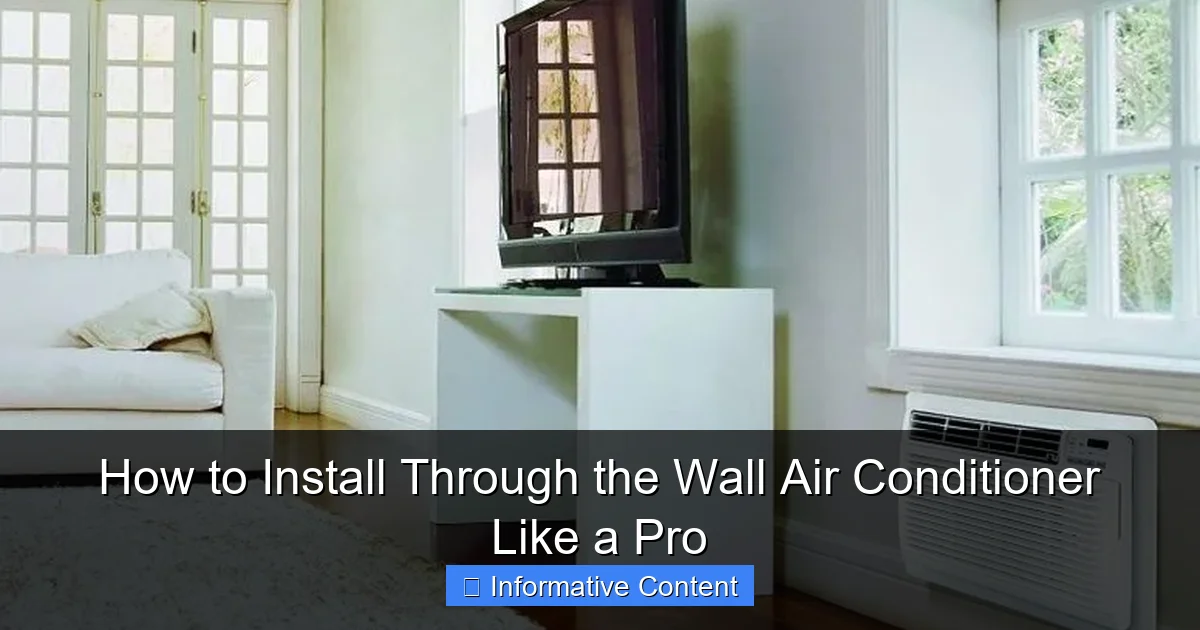
Featured image for install through the wall air conditioner
Image source: coolandportable.com
Installing a through-the-wall air conditioner requires precise wall preparation, proper unit sizing, and a weathertight seal to ensure peak efficiency and performance. Always disconnect power and follow manufacturer guidelines to avoid electrical hazards and ensure safe, code-compliant operation. With the right tools and attention to detail, you can achieve a professional-quality installation that keeps your space cool and energy bills low.
Key Takeaways
- Measure carefully: Ensure precise wall opening dimensions to fit the AC unit securely.
- Check local codes: Verify building and electrical requirements before installation.
- Seal gaps properly: Use foam or caulk to prevent air leaks and water damage.
- Support the unit: Install a sturdy mounting bracket for long-term stability.
- Hire an electrician: Ensure safe, code-compliant wiring for hardwired models.
- Test thoroughly: Run the AC and inspect for noise, leaks, or inefficiency.
📑 Table of Contents
- Why Installing a Through the Wall Air Conditioner is a Game Changer
- Understanding Through the Wall Air Conditioners: What They Are and Why You Need One
- Planning Your Installation: Pre-Installation Checklist
- Step-by-Step Installation Guide
- Common Mistakes to Avoid (And How to Fix Them)
- Data Table: Through the Wall AC vs. Alternatives
- Final Thoughts: Enjoy Your Cool, Professional-Grade Installation
Why Installing a Through the Wall Air Conditioner is a Game Changer
Let’s be honest—summer heat can be brutal. Whether you’re trying to sleep, work, or just relax, a sweltering room can make everything feel ten times harder. I remember one particularly sticky July when my old window AC unit decided to give up mid-week. Sweat dripping down my back, I realized it was time for something better: a through the wall air conditioner.
Unlike traditional window units, these sleek machines are built into your wall, offering superior cooling, better aesthetics, and improved energy efficiency. No more wrestling with a bulky unit in the window, no more blocking your view, and definitely no more worrying about it falling out. But here’s the catch: installing one isn’t as simple as just sliding it in and turning it on. It’s a project that requires planning, the right tools, and a bit of elbow grease. And if you’ve ever tried a DIY project that didn’t go quite as planned, you know how frustrating that can be.
The good news? With the right guidance, you can install your through the wall air conditioner like a pro—saving money on labor, avoiding common mistakes, and enjoying cool, consistent comfort all season long. Whether you’re a seasoned DIYer or just someone who likes to tackle home projects with confidence, this guide walks you through every step, from choosing the right unit to sealing the final screws. Think of it as your friendly neighbor (who happens to know a thing or two about HVAC) sharing their best tips and lessons learned.
Understanding Through the Wall Air Conditioners: What They Are and Why You Need One
How They Differ from Window and Mini-Split Units
Before we dive into the installation, let’s clear up a common confusion: not all AC units are created equal. A through the wall air conditioner is specifically designed to be mounted in a wall sleeve, typically between studs or in a pre-cut opening. Unlike window units that sit precariously on the sill, these are secured directly into the wall structure, making them more stable and permanent.
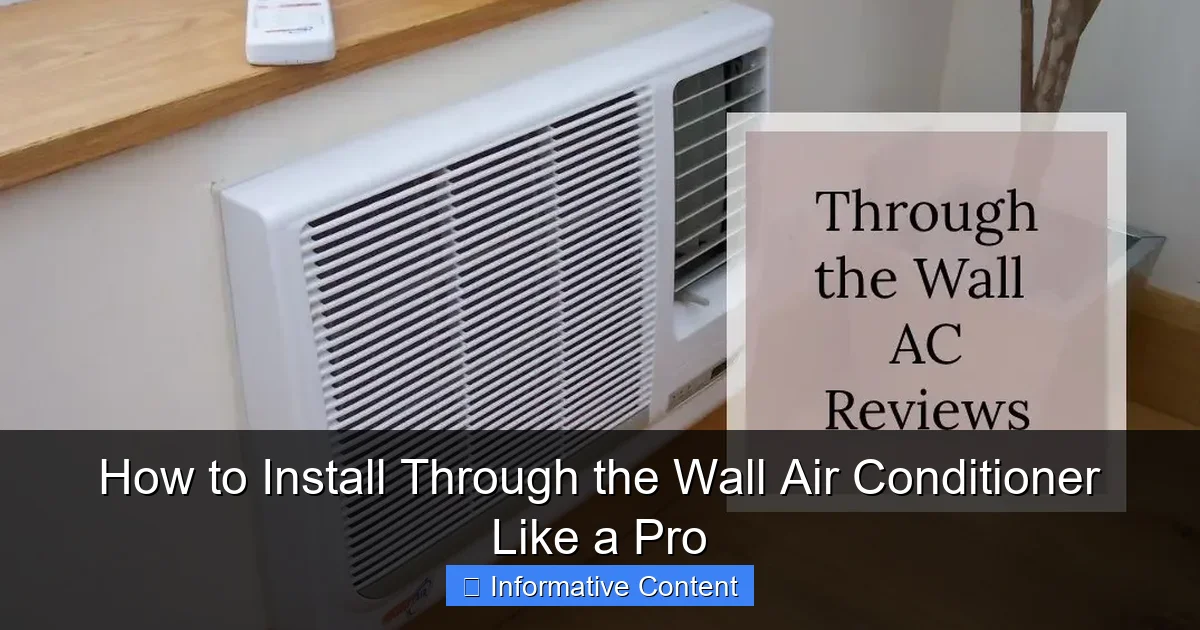
Visual guide about install through the wall air conditioner
Image source: pickhvac.com
Here’s how they stack up:
- Window AC units: Affordable and easy to install, but they block light, reduce window usability, and are less energy-efficient due to poor sealing.
- Mini-split systems: Highly efficient and quiet, but require professional installation (and a hefty price tag) due to refrigerant lines and electrical work.
- Through the wall AC: A sweet spot between cost, efficiency, and performance. They’re ideal for rooms where you want a permanent, unobtrusive cooling solution—like bedrooms, home offices, or basements.
One of my favorite things about through the wall units is the clean look. Once installed, only the front grille is visible, giving your room a polished, built-in feel. No more duct tape, no more unsightly cords dangling from the window sill.
Key Features to Look For
Not all through the wall air conditioners are built the same. When shopping, keep an eye on these features:
- BTU Rating: Match this to your room size. For a 150 sq ft bedroom, a 6,000–8,000 BTU unit is ideal. Larger spaces (up to 450 sq ft) may need 10,000–12,000 BTUs.
- Energy Efficiency Ratio (EER): Look for units with an EER of 10 or higher. Higher EER means less energy used for the same cooling power.
- Wall Sleeve Compatibility: Most units require a specific sleeve size (commonly 26″ x 15.5″). Check if the model includes one or if you need to buy it separately.
- Heating Option: Some units offer heat pump functionality, giving you year-round climate control.
- Smart Features: Wi-Fi connectivity, remote control, and programmable timers add convenience.
I once bought a unit without checking the sleeve size. Big mistake. I had to return it and wait two weeks for the right one. Learn from my blunder—measure twice, buy once.
Planning Your Installation: Pre-Installation Checklist
Choose the Right Location
Location is everything. You want a spot that maximizes airflow, avoids direct sunlight, and allows easy access to an electrical outlet. Here’s what to consider:
- Wall Type: Ideal for exterior walls with access to the outside. Avoid interior walls unless you’re running ductwork (not typical).
- Distance from Electrical Source: Most through the wall ACs need a dedicated 110V or 220V circuit. Check the manual—some units require hardwiring, others plug in.
- Clearance: At least 12 inches of open space in front of the unit for airflow. Avoid placing behind furniture or curtains.
- Height: Install 12–18 inches above the floor for optimal cooling distribution.
Pro tip: Use a stud finder to locate studs. You’ll need to cut between two studs (typically 16″ apart) unless you’re reinforcing with a header. Cutting into a load-bearing wall? Consult a contractor first.
Gather the Right Tools and Materials
You don’t need a full contractor’s toolkit, but having the essentials will make the job smoother. Here’s my go-to list:
- Tape measure
- Stud finder
- Level
- Circular saw or reciprocating saw
- Jigsaw (for precise cuts)
- Utility knife
- Drill with bits
- Caulking gun
- Exterior-grade caulk (silicone or polyurethane)
- Weatherproof sealant tape
- Screwdrivers (Phillips and flathead)
- Shims (for leveling)
- Work gloves and safety glasses
- Dust mask (drywall dust is no joke)
Bonus: Rent a drywall saw from your local hardware store if you don’t own one. They’re affordable and make clean cuts a breeze.
Check Local Building Codes and Permits
Before you start cutting, call your local building department. Some areas require permits for wall modifications or electrical work. In my town, I needed a permit for any exterior wall penetration. The process took 3 days and cost $75—but it saved me from a fine later.
Also, check if your homeowner’s association has rules about exterior modifications. I once saw a neighbor get fined for installing a unit that didn’t match the building’s color scheme. Oops.
Step-by-Step Installation Guide
Step 1: Cut the Wall Opening
Measure the sleeve dimensions (usually 26″ wide x 15.5″ high x 16–20″ deep). Use your stud finder to locate the studs. Mark a rectangle between two studs, ensuring it’s level. Double-check with a level—crooked cuts are hard to fix.
Now, cut carefully:
- Start with the top and bottom cuts using a circular saw.
- Switch to a jigsaw for the vertical sides.
- Cut through the exterior siding, sheathing, and interior drywall.
Wear a dust mask and open windows for ventilation. I learned this the hard way when I inhaled drywall dust and spent the next hour coughing.
Step 2: Install the Wall Sleeve
If your unit didn’t come with a sleeve, buy one that matches the model. Slide it into the opening from the inside. It should fit snugly, but you may need to shim it for level and plumb. Secure it to the studs with screws (provided in the kit).
From the outside, apply a generous bead of exterior-grade caulk around the sleeve’s flange. Press it firmly against the siding. This step is crucial—poor sealing leads to water leaks and drafts.
Pro tip: Use a paint stirrer to smooth the caulk for a clean finish. Let it cure 24 hours before moving on.
Step 3: Prepare the Electrical Connection
Here’s where things get serious. If your unit requires hardwiring (check the manual), turn off the main power at the breaker. Run a new 220V circuit from your electrical panel to the installation site. This is best left to a licensed electrician unless you’re experienced with electrical work.
For plug-in units (110V), ensure the outlet is grounded and on a dedicated circuit. Never plug into an extension cord—this can cause overheating and fire hazards.
I once saw a friend use an extension cord. The unit worked for a week, then tripped the breaker. The cord was melted. Not worth the risk.
Step 4: Insert and Secure the AC Unit
With the sleeve in place and power ready, slide the AC unit into the sleeve from the inside. It should fit snugly, but don’t force it. Use the provided mounting brackets to secure it to the sleeve. Tighten screws evenly to avoid warping.
Check the unit’s level. If it’s tilted, adjust the shims behind the brackets. A tilted unit can cause water drainage issues and noise.
Step 5: Seal and Weatherproof
From the outside, apply more caulk around the sleeve’s edges. Use weatherproof sealant tape on the joints for extra protection. Inside, seal any gaps between the unit and sleeve with foam insulation tape.
For added insulation, I like to stuff fiberglass batts around the sides (but not blocking airflow). This reduces noise and improves efficiency.
Step 6: Test and Adjust
Turn the power back on. Plug in or flip the breaker. Test the unit—listen for unusual noises, check airflow, and verify the thermostat works. Run it for 15–20 minutes to ensure it’s cooling properly.
Adjust the louvers to direct airflow where you want it. Clean the filter (usually monthly) to maintain performance.
Common Mistakes to Avoid (And How to Fix Them)
Poor Sealing Leads to Drafts and Leaks
One of the biggest rookie errors? Skimping on the caulk. A poorly sealed sleeve lets hot air in and cool air out, making your unit work harder. Worse, it can let rainwater seep into your wall, causing mold and rot.
Fix: Re-caulk with high-quality exterior sealant. Remove old caulk with a utility knife, clean the surface, and apply a new bead. Press it smooth with a finger (wet it first to prevent sticking).
Incorrect Sizing Causes Airflow Issues
Using a unit that’s too small for the room? You’ll never get cool. Too large? It cycles on and off too quickly, reducing efficiency and humidity control.
Fix: Recalculate BTUs. A general rule: 20 BTUs per square foot. For a 300 sq ft room, aim for 6,000 BTUs. Add 10% for sunny rooms or high ceilings.
Ignoring Electrical Safety
Overloaded circuits, improper wiring, and using extension cords are fire hazards. I once saw a unit overheat because the outlet was on the same circuit as a microwave and space heater.
Fix: Always use a dedicated circuit. Label it clearly in your breaker panel. If in doubt, hire an electrician.
Skipping the Permit Process
Some homeowners think “it’s just an AC.” But cutting into a wall is a structural change. Without a permit, you risk failing a home inspection or voiding insurance.
Fix: Call your building department. Most permits are straightforward and protect you in the long run.
Data Table: Through the Wall AC vs. Alternatives
| Feature | Through the Wall AC | Window AC | Mini-Split System |
|---|---|---|---|
| Installation Complexity | Medium (DIY possible) | Low (DIY) | High (Pro required) |
| Cost (Unit + Install) | $400–$1,200 | $150–$500 | $2,000–$5,000 |
| Energy Efficiency | High (EER 9–12) | Medium (EER 8–10) | Very High (EER 15–20) |
| Aesthetics | Clean, built-in look | Obstructs window | Sleek indoor unit |
| Noise Level | Low–Medium | Medium–High | Very Low |
| Best For | Rooms needing permanent cooling | Short-term or rental use | Whole-home or high-end cooling |
Final Thoughts: Enjoy Your Cool, Professional-Grade Installation
Installing a through the wall air conditioner isn’t just about staying cool—it’s about creating a comfortable, efficient space that works for you. Yes, it takes time and effort. But the payoff? A unit that cools better, looks cleaner, and lasts longer than a temporary window fix.
From choosing the right model to sealing the final bead of caulk, every step matters. And while mistakes happen (trust me, I’ve made a few), they’re part of the learning process. The key is to plan carefully, work safely, and not rush the details. A little patience now saves headaches later.
Now, when you walk into your room and feel that crisp, consistent cool air, you’ll know it’s not just the AC doing its job—it’s you. You planned it, you built it, and you did it right. And that’s something to be proud of.
So grab your tools, measure twice, and get to work. Summer’s coming. And this year, you’re ready.
Frequently Asked Questions
What is the best way to install a through the wall air conditioner?
The best way to install a through the wall air conditioner is to follow the manufacturer’s instructions carefully, ensuring proper support brackets, weatherproofing, and electrical connections. Hiring a professional is recommended for complex wiring or wall modifications.
Can I install a through the wall air conditioner in any exterior wall?
Most exterior walls can support a through the wall air conditioner, but you must check for obstructions like pipes, wires, or structural beams. Ensure the wall is sturdy enough to handle the unit’s weight and vibrations.
Do I need a special electrical circuit for a through the wall air conditioner?
Yes, many through the wall air conditioners require a dedicated electrical circuit to handle their power demands safely. Check the unit’s specifications and consult an electrician if unsure.
How do I weatherproof the area around a through the wall AC unit?
Use high-quality caulk or foam sealant around the edges of the sleeve to prevent air leaks and water infiltration. Adding an exterior cover or louver can also protect the unit from debris and rain.
What tools do I need to install a through the wall air conditioner?
Common tools include a stud finder, level, drill, hole saw, screwdriver, and measuring tape. You may also need a saw for custom wall modifications and a helper to lift the unit.
Is it possible to DIY a through the wall air conditioner installation?
DIY installation is possible for handy homeowners with experience in electrical and carpentry work, but it’s crucial to follow safety guidelines. For complex tasks, hiring a pro ensures a safe and code-compliant install.