
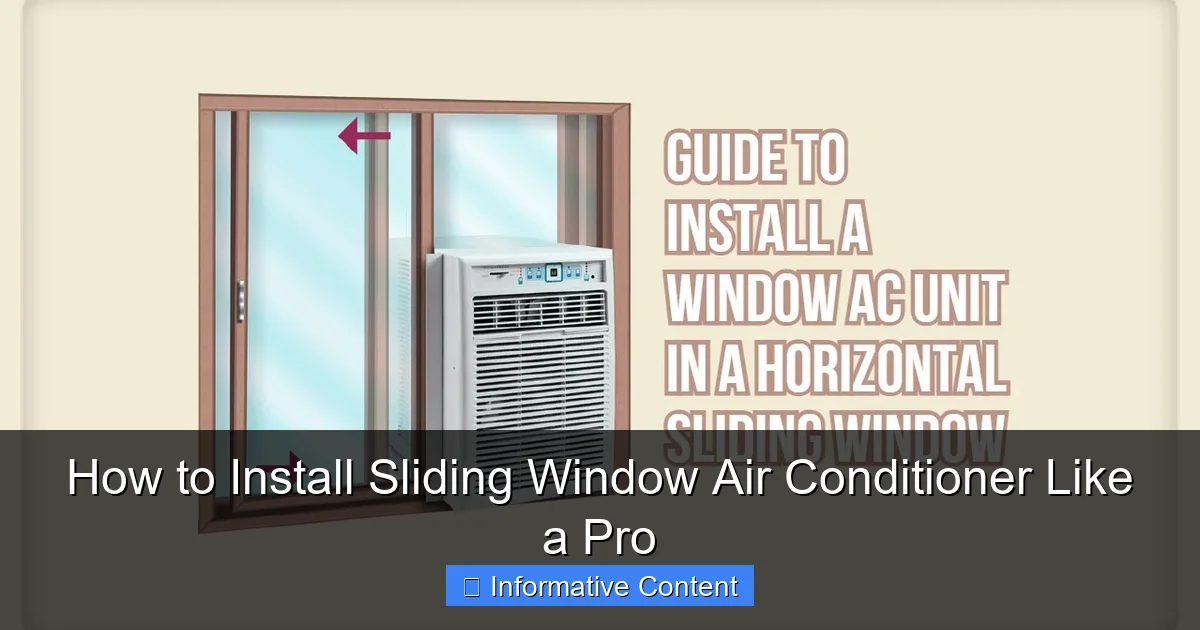
Featured image for install sliding window air conditioner
Image source: citylocalpro.com
Installing a sliding window air conditioner securely and efficiently starts with measuring your window opening accurately to ensure a snug, weather-tight fit. Use the included mounting kit, secure side panels, and reinforce with support brackets to prevent sagging, leaks, or safety hazards—transforming your space into a cool, comfortable zone in under an hour.
Key Takeaways
- Measure your window accurately to ensure a proper fit and avoid gaps.
- Use a support bracket for stability and to prevent sagging or accidents.
- Seal all gaps with foam or weatherstripping to maximize efficiency.
- Check the manual for model-specific installation tips and safety warnings.
- Secure the unit tightly to avoid vibrations or noise during operation.
- Test drainage to prevent leaks and water damage indoors.
📑 Table of Contents
- How to Install Sliding Window Air Conditioner Like a Pro
- Understanding Your Sliding Window and AC Unit
- Gathering Tools and Preparing Your Workspace
- Step-by-Step Installation Process
- Troubleshooting Common Installation Issues
- Maintenance Tips for Long-Term Performance
- Final Thoughts: Enjoy Your Cool, DIY Success
How to Install Sliding Window Air Conditioner Like a Pro
Let’s be honest—summer heat can be relentless. I remember one particularly sweltering July when my apartment felt more like a sauna than a living space. The ceiling fan did little, and the humidity made every breath feel thick. That’s when I decided to take matters into my own hands and install a sliding window air conditioner. It wasn’t just about comfort; it was about survival.
Installing a sliding window air conditioner might sound intimidating, especially if you’ve never handled tools before. But here’s the good news: it’s simpler than you think. With the right guidance, a few basic tools, and a little patience, you can do it yourself—saving money on professional installation and gaining a sense of accomplishment. This guide will walk you through every step, from choosing the right unit to sealing it securely, so you can cool your space efficiently and safely. Whether you’re a DIY newbie or a seasoned tinkerer, you’ll walk away with the confidence to install your sliding window AC like a pro.
Understanding Your Sliding Window and AC Unit
Before you even think about lifting that air conditioner, it’s crucial to understand your window setup and the unit you’ve chosen. Not all sliding windows are the same, and not all ACs fit every window. Taking the time to assess compatibility now can save you a headache later.
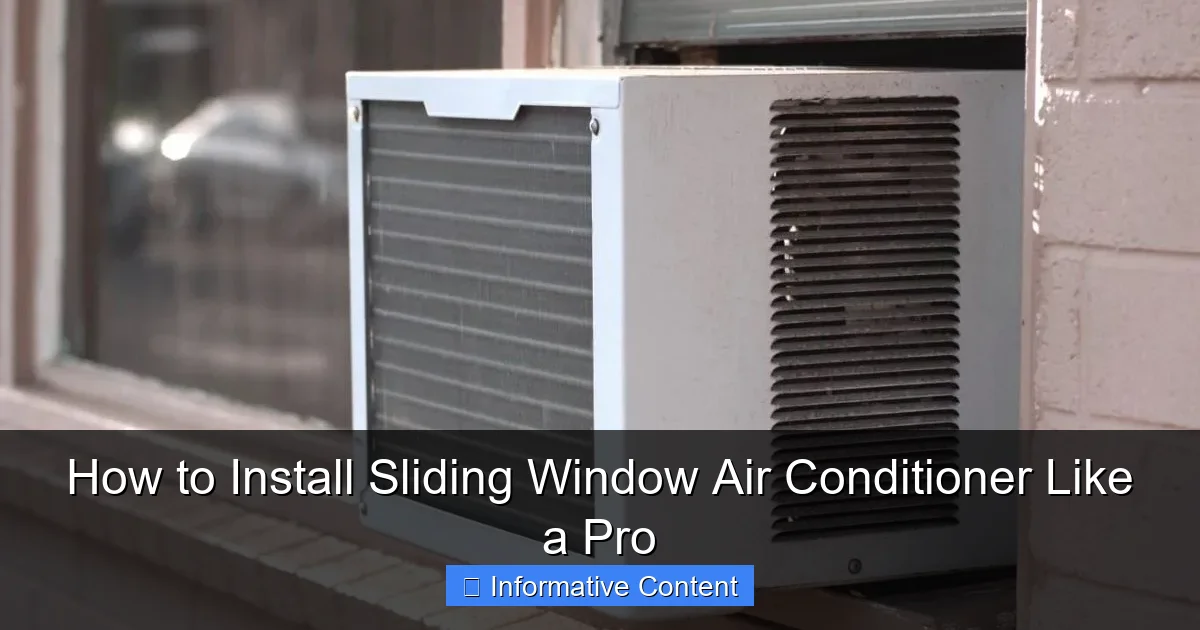
Visual guide about install sliding window air conditioner
Image source: dellahome.com
Types of Sliding Windows and Their Challenges
Sliding windows come in two main varieties: horizontal (side-to-side) and vertical (up-and-down). Most sliding window ACs are designed for horizontal sliders, which are common in apartments and older homes. Vertical sliders—often found in basements or certain modern builds—require special adapters or different mounting methods.
- Horizontal sliding windows: The most common type. The sash moves left or right, and the AC typically sits on the sill with the exhaust side facing outside.
- Vertical sliding windows: Less common for ACs unless you have a casement-style AC or a custom bracket. These often require a different installation approach, sometimes involving wall mounts or support brackets.
Pro tip: Measure your window opening *with* the existing sash removed. Many people forget this step and end up with a unit that’s too wide or too tall. Measure the width at the top, middle, and bottom—windows can be slightly warped. Use the smallest measurement to ensure a snug fit.
Choosing the Right Air Conditioner
Not all window ACs are created equal. When selecting a unit, focus on three key factors: BTUs (British Thermal Units), window compatibility, and energy efficiency.
- BTUs: This measures cooling power. As a rule of thumb:
- 100–300 sq. ft. → 5,000–6,000 BTUs
- 300–450 sq. ft. → 7,000–8,000 BTUs
- 450–650 sq. ft. → 9,000–12,000 BTUs
- Window compatibility: Check the manufacturer’s specs. Most sliding window ACs require a minimum and maximum window width (e.g., 23”–36”). Ensure your window falls within that range.
- Energy Efficiency (EER/CEER): Look for units with an Energy Efficiency Ratio (EER) of 10 or higher. Higher EER means lower electricity bills. ENERGY STAR-rated models are ideal.
Real-life example: I once bought a 10,000 BTU unit for my 400 sq. ft. living room. It was overkill—the room cooled too fast, the AC short-cycled, and my energy bill spiked. Lesson learned: match BTUs to room size, not personal preference.
Gathering Tools and Preparing Your Workspace
You don’t need a full workshop to install a sliding window AC, but having the right tools on hand makes the process smoother and safer. Think of it like cooking: having all your ingredients ready before you start prevents mid-recipe panic.
Essential Tools and Materials
- Measuring tape: For window and unit dimensions.
- Screwdriver (Phillips and flathead): For tightening brackets and panels.
- Level: Ensures your AC is perfectly horizontal—critical for drainage and performance.
- Drill with small bits (optional): For pre-drilling holes in wooden frames.
- Weatherstripping or foam sealant tape: Prevents air leaks and drafts.
- Pencil: For marking screw positions.
- Work gloves and safety goggles: Protect your hands and eyes—ACs are heavy and have sharp edges.
- Support brace or stand (optional but recommended): Especially for heavier units (over 60 lbs).
Pre-Installation Safety Checks
Safety first—always. Before you begin:
- Turn off power: Unplug any nearby electronics and avoid working during rain or high winds.
- Clear the area: Remove furniture, curtains, or blinds from the window. You’ll need space to work.
- Check the window frame: Look for rot, cracks, or loose hardware. A damaged frame can’t support the AC’s weight (which can exceed 100 lbs!). If the frame is compromised, consider professional help or a wall-mounted alternative.
- Recruit a helper: ACs are awkward to handle solo. A second pair of hands reduces the risk of injury or damage.
Personal tip: I once tried installing a 75-pound AC alone. It slipped, scratched my hardwood floor, and nearly fell out the window. Now I always have my neighbor help—even if just to hold the unit steady.
Step-by-Step Installation Process
Now comes the main event. This is where your prep pays off. Follow these steps carefully, and you’ll have a secure, leak-free installation in under an hour.
Step 1: Remove the Window Sash
Open the sliding window fully. Most horizontal sliders can be lifted up and out of the track. Gently tilt the top inward and lift the sash out. If it’s stuck, use a flathead screwdriver to pry the track slightly.
- Pro tip: Clean the window track and sill while the sash is out. Dust and debris can affect sealing later.
- Caution: Don’t force the sash. Some older windows have hidden latches or pins. Consult your window manual if unsure.
Step 2: Position the AC Unit
Place the air conditioner on the window sill, centered, with the exhaust side facing outside. Most ACs have an arrow or label indicating the front (room-facing) and back (outdoor-facing).
- Use a level: Place it on top of the unit. Adjust by shimming with cardboard or wood scraps under the front or back. A tilted AC can leak condensate inside your home.
- Support the weight: If the unit is heavy, place a temporary support (like a sturdy box or adjustable stand) under the front edge until it’s secured.
Step 3: Install the Support Brackets
Most sliding window ACs come with a metal support bracket or rail. Attach it to the bottom of the unit or the window sill, depending on the model.
- Align the bracket: Extend it to match your window width. Tighten the screws securely, but don’t over-torque—this can strip the plastic or warp the frame.
- For wooden sills: Pre-drill holes to prevent splitting. For vinyl or metal, use self-tapping screws if provided.
Step 4: Reinsert and Adjust the Sash
Lower the window sash back into the track, positioning it so it rests on the AC’s top or side rails. The sash should sit snugly against the unit’s frame.
- Check the gap: There should be minimal space between the sash and the AC. If there’s a gap, use the included side panels or foam inserts to fill it.
- Lock the sash: Engage any locks or latches to prevent the window from sliding open. This is a safety must—especially if you have kids or pets.
Step 5: Seal the Gaps
Air leaks are the enemy of efficiency. Seal all gaps with weatherstripping or foam tape.
- Side gaps: Attach the included side panels or use adhesive foam strips. Cut to size with scissors.
- Top gap: If the sash doesn’t close flush, use a foam wedge or adjustable top seal (often included).
- Bottom gap: If there’s space under the AC, slide in a foam block or cut a piece of rigid insulation to size.
Real-life example: After my first install, I noticed a slight draft at night. A quick check revealed a 1-inch gap on one side. A strip of foam tape fixed it—and my energy bill dropped by 10% the next month.
Troubleshooting Common Installation Issues
Even with careful planning, hiccups happen. Here’s how to handle the most common problems—without calling a pro.
Problem 1: The AC Doesn’t Fit the Window
This is the #1 frustration. Solutions:
- Too wide: Check if the AC has adjustable side panels. If not, you may need to modify the window frame (e.g., add a wooden filler strip) or return the unit.
- Too tall: Most ACs sit below the sash. If it’s too tall, the sash won’t close. Try tilting the AC slightly or using a taller support bracket.
- Too narrow: Fill gaps with foam or custom-cut wood panels. Ensure the AC is still level.
Pro tip: Always double-check dimensions *before* purchasing. Some manufacturers list “minimum width” as the sash opening, not the frame. Read the fine print!
Problem 2: Water Leaking Inside
Condensate dripping indoors usually means:
- The unit isn’t level: Recheck with a level. Tilt the AC so the back is slightly lower than the front (about 1/4 inch per foot). This ensures water drains outside.
- Blocked drain holes: Clean the drain pan and holes with a pipe cleaner or vinegar solution.
- Damaged seal: Replace weatherstripping or reseal gaps.
Problem 3: Excessive Vibration or Noise
A wobbly or noisy AC can be annoying and damaging. Fixes:
- Loose mounting: Tighten all screws and brackets. Add rubber washers to dampen vibration.
- Uneven sill: Shim with cardboard or wood until level.
- Fan imbalance: If noise persists, contact the manufacturer—it may be a defect.
Maintenance Tips for Long-Term Performance
Installing your AC is just the beginning. Proper maintenance ensures it runs efficiently for years—and keeps your energy bills low.
Monthly and Seasonal Maintenance
- Clean the filter monthly: Remove the front panel and wash the filter with warm, soapy water. Let it dry completely before reinserting. A dirty filter reduces airflow and efficiency by up to 15%.
- Inspect the condenser coils: At least once a season, turn off the AC and use a soft brush or coil cleaner to remove dust and debris.
- Check the drain pan and hose: Ensure there’s no algae buildup. Pour a cup of vinegar down the drain to prevent clogs.
- Seal re-inspection: Every few months, check weatherstripping for wear. Replace if cracked or loose.
End-of-Season Care
When summer ends:
- Turn off and unplug the unit.
- Drain excess water from the pan.
- Remove the AC or cover it: If you leave it in, use a waterproof cover to protect against winter moisture. If you remove it, store it upright in a dry, temperature-controlled space.
Personal tip: I store my AC in a sealed plastic bin with silica gel packets to prevent mold. It’s overkill, but it gives me peace of mind.
Energy-Saving Hacks
- Use a programmable thermostat or timer: Set it to turn off when you’re asleep or away.
- Close curtains during the day: Blocks solar heat gain.
- Pair with a fan: Circulates cool air, letting you raise the thermostat by 2–4°F without sacrificing comfort.
Here’s a quick reference table for common AC maintenance tasks:
| Task | Frequency | Tools Needed | Time Required |
|---|---|---|---|
| Clean air filter | Monthly | Mild detergent, water | 10 minutes |
| Inspect drain pan | Every 2 months | Vinegar, cloth | 15 minutes |
| Clean condenser coils | Seasonally | Coil cleaner, brush | 30 minutes |
| Check seals | Quarterly | Weatherstripping | 10 minutes |
| Winter storage prep | Annually | Cover, silica gel | 20 minutes |
Final Thoughts: Enjoy Your Cool, DIY Success
Installing a sliding window air conditioner isn’t just a practical skill—it’s a rite of passage for any homeowner or renter. You’ve taken control of your comfort, saved money, and maybe even impressed your friends (“Wait, *you* installed that yourself?”).
Remember, the key to a professional-quality install lies in preparation. Measure twice, buy the right unit, and don’t rush the sealing process. A well-sealed AC isn’t just efficient—it’s quiet, safe, and long-lasting. And when you’re lounging in your perfectly cooled room, you’ll know every degree of comfort came from your own effort.
So go ahead—crank up the AC, pour a cold drink, and savor the sweet victory of a job well done. Summer doesn’t stand a chance.
Frequently Asked Questions
How do I install a sliding window air conditioner safely?
To install a sliding window air conditioner safely, ensure the unit is securely mounted on a support bracket or sash to prevent tipping. Always follow the manufacturer’s instructions and check that the window frame is strong enough to hold the weight.
Can I install a sliding window AC without a support bracket?
While some lightweight units may not require a bracket, using one is highly recommended for stability and safety. A support bracket helps distribute the weight and prevents the air conditioner from falling out of the window.
What tools do I need to install a sliding window air conditioner?
You’ll typically need a measuring tape, screwdriver, level, support brackets, foam insulation panels, and weatherstripping. These tools ensure a snug, airtight fit to improve efficiency and reduce drafts.
How do I seal gaps after installing a sliding window AC unit?
Use foam insulation panels or side curtains included with the unit to fill gaps between the air conditioner and window frame. Proper sealing prevents hot air from entering and cool air from escaping, improving performance.
Is it difficult to install a sliding window air conditioner by myself?
Installing a sliding window air conditioner is manageable for most DIYers with basic tools and patience. However, if the unit is heavy or your window setup is unusual, getting a second person to help is a smart move.
Can I leave my sliding window air conditioner installed year-round?
It’s best to remove and store the unit during winter to avoid drafts, water damage, and energy loss. If leaving it installed, ensure it’s well-insulated and covered to protect against weather and debris.