Featured image for install air conditioner in wall
Image source: thumbs.dreamstime.com
Installing an air conditioner in a wall requires precise sizing, proper support, and secure sealing to ensure optimal performance and energy efficiency. This guide walks you through every critical step—from selecting the right wall unit and cutting the opening to mounting the sleeve and connecting power safely. Always follow local building codes and manufacturer instructions to avoid costly mistakes and ensure long-term reliability.
Key Takeaways
- Measure carefully: Ensure precise wall opening dimensions before purchasing or installing the AC unit.
- Check electrical requirements: Verify voltage and circuit compatibility to avoid installation hazards.
- Seal gaps properly: Use foam insulation to prevent air leaks and improve efficiency.
- Follow local codes: Obtain permits and adhere to building regulations for safe, legal installation.
- Use support brackets: Secure the unit firmly to prevent shifting or wall damage.
- Test after install: Run a full cycle to check cooling, drainage, and noise levels.
📑 Table of Contents
- How to Install Air Conditioner in Wall: A Complete Guide
- Why Choose a Wall-Mounted Air Conditioner?
- Choosing the Right Air Conditioner for Your Wall
- Tools and Materials You’ll Need
- Step-by-Step Installation Process
- Maintenance Tips to Keep Your AC Running Smoothly
- Common Mistakes to Avoid
- Final Thoughts: Stay Cool and Confident
How to Install Air Conditioner in Wall: A Complete Guide
So, you’ve decided it’s time to beat the summer heat—and you’re not just talking about opening a window or turning on a fan. You’re ready for real cooling power: a wall-mounted air conditioner. Whether you’re tired of bulky window units that block your view or you simply want a cleaner, more permanent solution, installing an air conditioner in the wall might be exactly what your home needs.
But let’s be honest—the idea of cutting a hole in your wall and installing an AC unit can feel a little intimidating. You might be wondering: Is this even something I can do myself? Or maybe you’re worried about making a mistake that could cost you hundreds in repairs. The good news? With the right tools, a bit of patience, and this step-by-step guide, installing an air conditioner in the wall is totally doable—even for a DIY beginner. In this post, I’ll walk you through everything you need to know, from choosing the right unit to sealing it up like a pro. No jargon, no fluff—just real, practical advice to help you stay cool and confident.
Why Choose a Wall-Mounted Air Conditioner?
Before we dive into the installation process, let’s talk about why a wall-mounted AC might be the best choice for your space. Unlike portable units that take up floor space or window units that can be noisy and obstruct light, wall-mounted air conditioners offer a sleek, permanent solution that blends into your home’s design.
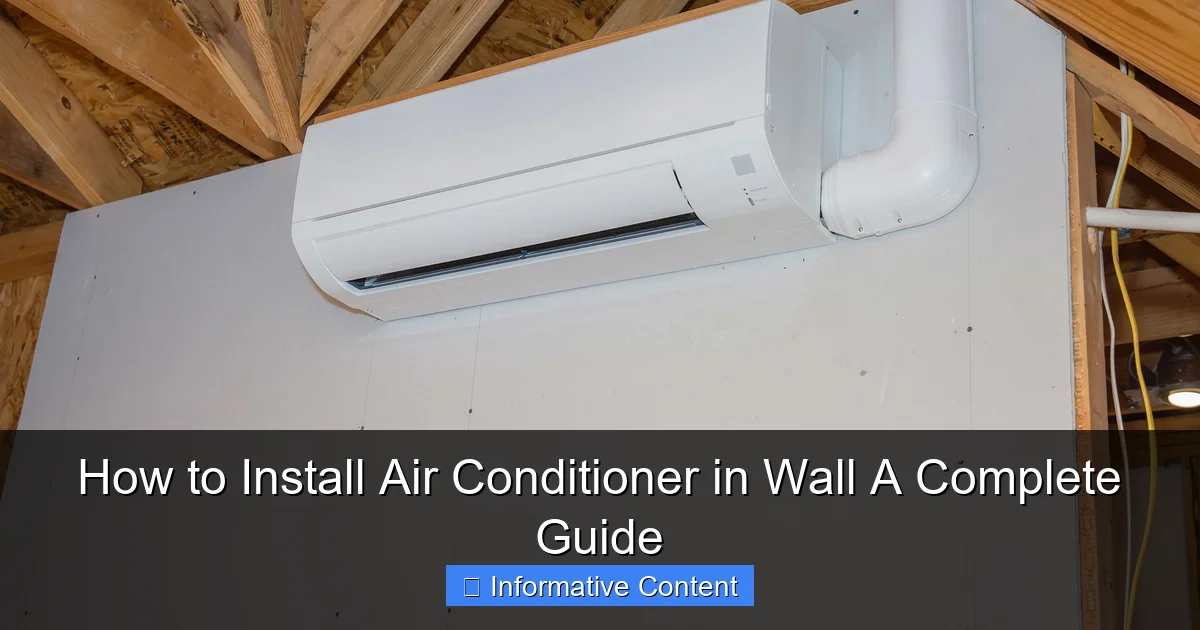
Visual guide about install air conditioner in wall
Image source: grainger-prod.adobecqms.net
Space-Saving Design
One of the biggest advantages of a wall-mounted AC is how much space it saves. Since it’s installed directly into the wall, it doesn’t block windows or take up valuable floor real estate. This makes it ideal for small apartments, bedrooms, or rooms where every inch counts. I remember helping my sister install one in her studio apartment—she was amazed at how much more open the room felt afterward.
Energy Efficiency
Modern wall-mounted units are often more energy-efficient than older window models. Many come with inverter technology, which adjusts the compressor speed based on the room’s temperature, reducing energy waste. According to the U.S. Department of Energy, properly sized and installed AC units can reduce cooling costs by up to 30% compared to older, less efficient models.
Quieter Operation
Because the compressor is typically housed outside the unit (in split systems), wall-mounted ACs are significantly quieter than window units. This is a huge plus if you’re installing it in a bedroom or home office. You’ll barely notice it’s running—except for the cool, comfortable air.
Aesthetic Appeal
Let’s face it—window AC units can look a little… industrial. Wall-mounted units, on the other hand, have a clean, modern look that blends seamlessly with your walls. Many models come in neutral colors and slim profiles, so they don’t dominate the room’s decor.
Choosing the Right Air Conditioner for Your Wall
Not all air conditioners are created equal—and not all are designed to be installed in the wall. Before you grab your tools, you need to choose the right unit for your space. Here’s what to consider.
Types of Wall-Mounted Air Conditioners
There are two main types of wall-mounted ACs: through-the-wall units and split systems.
- Through-the-wall units: These are self-contained units that sit entirely within the wall cavity. They’re simpler to install and don’t require refrigerant lines running outside, making them a good choice for renters or those who don’t want to modify their exterior walls extensively.
- Split systems: These consist of an indoor unit mounted on the wall and an outdoor compressor unit. They’re more efficient and quieter but require running refrigerant lines and electrical wiring through the wall. This type is better for permanent installations.
BTU and Room Size
Choosing the right BTU (British Thermal Unit) rating is crucial. Too small, and your AC will struggle to cool the room. Too large, and it will cycle on and off too frequently, wasting energy and reducing comfort.
Here’s a quick guide to help you match BTU to room size:
| Room Size (sq. ft.) | Recommended BTU |
|---|---|
| 100–150 | 5,000 |
| 150–250 | 6,000 |
| 250–300 | 7,000 |
| 300–350 | 8,000 |
| 350–400 | 9,000 |
| 400–450 | 10,000 |
| 450–550 | 12,000 |
| 550–700 | 14,000 |
| 700–1,000 | 18,000 |
Keep in mind that factors like ceiling height, insulation, sun exposure, and the number of windows can affect cooling needs. If your room gets a lot of afternoon sun, consider going one size up.
Energy Efficiency Ratings
Look for units with a high SEER (Seasonal Energy Efficiency Ratio) rating. The higher the SEER, the more efficient the unit. Most modern units have a SEER between 13 and 21. A unit with a SEER of 14 or higher is a good choice for long-term savings.
Features to Look For
- Remote control: For easy temperature adjustments from across the room.
- Programmable timer: Lets you set the AC to turn on or off at specific times.
- Sleep mode: Gradually adjusts temperature overnight for better comfort and efficiency.
- Washable filters: Easy to clean and maintain.
- Smart compatibility: Some models work with Alexa or Google Home for voice control.
Tools and Materials You’ll Need
Before you start cutting into your wall, make sure you have all the necessary tools and materials. Having everything ready will save you time and frustration—and help you avoid a trip to the hardware store in the middle of the project.
Basic Tools
- Cordless drill
- Jigsaw or reciprocating saw
- Level
- Tape measure
- Pencil
- Screwdrivers (Phillips and flathead)
- Utility knife
- Caulk gun
- Stud finder
- Safety goggles and gloves
Materials
- Wall-mounted air conditioner unit
- Mounting brackets (usually included with the unit)
- Insulation foam board or fiberglass insulation
- Exterior-grade caulk or sealant
- Screws and wall anchors
- Electrical wire (if not pre-wired)
- Conduit (for protecting wires)
- Duct tape or foil tape
- Weatherproof exterior cover (optional, for through-the-wall units)
Safety First
Always turn off the power at the circuit breaker before working on electrical components. If you’re not comfortable working with electricity, hire a licensed electrician. Also, wear safety goggles and gloves when cutting into walls to protect yourself from dust and debris.
Step-by-Step Installation Process
Now for the main event: installing your air conditioner in the wall. I’ll walk you through the process step by step, assuming you’re installing a through-the-wall unit. If you’re installing a split system, the steps will be similar, but you’ll also need to run refrigerant lines and mount the outdoor unit.
Step 1: Choose the Right Location
The first step is finding the perfect spot for your AC. Ideally, it should be:
- On an exterior wall
- Away from direct sunlight and heat sources
- At least 7 feet above the floor for optimal airflow
- Near an electrical outlet or where you can run a dedicated circuit
- Not obstructed by furniture or curtains
Use a stud finder to locate wall studs. You’ll want to avoid cutting through major structural elements if possible. Most units require a hole between 14″ x 14″ and 20″ x 20″, depending on the model.
Step 2: Measure and Mark the Opening
Refer to your AC unit’s installation manual for the exact dimensions of the required opening. Use a tape measure and level to mark the outline on the wall. Double-check your measurements—once you cut, there’s no going back!
Pro tip: Place a piece of cardboard or plywood over the marked area and trace the outline. This will help you visualize the cut and protect the wall from accidental scratches.
Step 3: Cut the Hole
Start by drilling pilot holes in each corner of the marked area. Then, use a jigsaw or reciprocating saw to cut along the lines. Go slowly and carefully—especially if you’re cutting through drywall, brick, or siding.
If you’re cutting through brick or concrete, you’ll need a masonry drill bit and possibly a hammer drill. This part can get messy, so consider laying down a tarp to catch debris.
Step 4: Install the Mounting Bracket
Most wall-mounted ACs come with a mounting bracket that fits into the hole and supports the unit. Slide the bracket into the opening and secure it to the wall framing using screws. Use a level to ensure it’s perfectly horizontal.
If your wall doesn’t have studs in the right place, use heavy-duty wall anchors to secure the bracket. The unit can weigh 50–100 pounds, so it needs strong support.
Step 5: Run Electrical Wiring
This is where things get technical. Wall-mounted ACs typically require a dedicated 240-volt circuit. If your home doesn’t already have one in the location, you’ll need to run new wiring from the electrical panel.
Unless you’re experienced with electrical work, this is a job for a licensed electrician. Improper wiring can cause fires or damage the unit. The electrician will install a dedicated circuit breaker and run the appropriate gauge wire to the AC location.
Step 6: Install the Air Conditioner
With the bracket in place and power connected, it’s time to install the unit. Carefully lift the AC and slide it into the opening. Make sure it sits securely on the bracket and is level.
Secure the unit to the bracket using the provided screws. Don’t overtighten—this can damage the casing.
Step 7: Insulate and Seal
Even small gaps around the unit can let in hot air and reduce efficiency. Use insulation foam board or fiberglass batts to fill any gaps between the unit and the wall frame. Then, apply exterior-grade caulk around the outside edge to seal out moisture and pests.
For through-the-wall units, consider installing a weatherproof exterior cover to protect the opening from rain and debris.
Step 8: Test the Unit
Turn the power back on and test the AC. Set it to cool and let it run for 10–15 minutes. Listen for unusual noises and check that cold air is flowing properly. Also, make sure the unit isn’t vibrating excessively—this could mean it’s not level or securely mounted.
If everything looks good, you’re all set! Enjoy your cool, comfortable space.
Maintenance Tips to Keep Your AC Running Smoothly
Installing your air conditioner is just the beginning. To keep it running efficiently and extend its lifespan, regular maintenance is key. Here’s how to keep your wall-mounted AC in top shape.
Clean the Filters Monthly
Most wall-mounted units have washable filters that trap dust and allergens. Over time, these filters can clog, reducing airflow and efficiency. Check your filters every month and clean them with warm, soapy water. Let them dry completely before reinstalling.
Inspect the Exterior Unit (for Split Systems)
If you have a split system, the outdoor compressor unit needs attention too. Keep the area around it clear of leaves, dirt, and debris. Trim any plants that might block airflow. Once a year, gently hose down the fins to remove built-up grime.
Check for Leaks and Drips
Condensation is normal, but excessive dripping could indicate a clogged drain line or improper installation. If you notice water pooling inside or outside the unit, turn it off and inspect the drain. Use a wet/dry vacuum to clear any blockages.
Schedule Professional Maintenance
Even with regular DIY care, it’s a good idea to have a professional inspect your AC once a year. They can check refrigerant levels, test electrical connections, and ensure everything is running safely and efficiently.
Common Mistakes to Avoid
Even with the best intentions, it’s easy to make mistakes during installation. Here are some common pitfalls and how to avoid them.
Cutting the Hole Too Small or Too Large
Always double-check your measurements before cutting. A hole that’s too small means you’ll have to enlarge it—risking damage to the wall. A hole that’s too large leaves gaps that are hard to insulate properly.
Ignoring Electrical Requirements
Don’t try to plug a 240-volt unit into a standard outlet. This can overload the circuit and create a fire hazard. Always use a dedicated circuit as specified in the manual.
Skipping the Insulation
It might seem like a small detail, but proper insulation is crucial for efficiency. Gaps around the unit let in hot air, making your AC work harder and increasing your energy bill.
Installing in a Poor Location
Placing the AC in direct sunlight or near a heat source (like a lamp or TV) can reduce its effectiveness. Choose a shaded, well-ventilated spot for the best performance.
Final Thoughts: Stay Cool and Confident
Installing an air conditioner in the wall might seem like a big project, but with the right preparation and a little patience, it’s absolutely within reach. Not only will you enjoy a cooler, more comfortable home, but you’ll also gain the satisfaction of doing it yourself.
Remember, the key to success is planning. Choose the right unit, gather your tools, and follow the steps carefully. And if you ever feel unsure—especially when it comes to electrical work—don’t hesitate to call in a professional. Your safety and the longevity of your AC are worth it.
So go ahead—cut that hole, mount that unit, and beat the heat like a pro. Summer doesn’t stand a chance.
Frequently Asked Questions
How do I install an air conditioner in a wall?
To install an air conditioner in a wall, first choose a suitable location with proper support and clearance. Secure the unit in the wall sleeve, connect the drainage and electrical lines, and seal gaps to ensure efficiency.
Can I install a wall air conditioner myself, or do I need a professional?
While DIY installation is possible for those with basic carpentry and electrical skills, hiring a professional is recommended for safe electrical connections and proper sealing to avoid future issues.
What tools are needed to install an air conditioner in a wall?
Common tools include a drill, level, measuring tape, screwdrivers, and a utility knife. You may also need a wall sleeve, mounting brackets, and sealant for a secure and weatherproof fit.
How do I choose the right size wall air conditioner for my room?
Measure the room’s square footage and match it to the AC’s BTU rating (e.g., 20 BTU per square foot). Consider ceiling height, insulation, and sun exposure for accurate sizing.
Is a wall sleeve required to install an air conditioner in a wall?
Yes, a wall sleeve ensures the unit is securely mounted and properly insulated. It also simplifies future replacements and prevents air leaks around the air conditioner in the wall.
How do I ensure proper drainage when installing a wall air conditioner?
Connect the AC’s drain hose to a downward-sloping outlet to prevent water buildup. Use a drip pan or condensate pump if the unit isn’t sloped correctly for gravity drainage.