
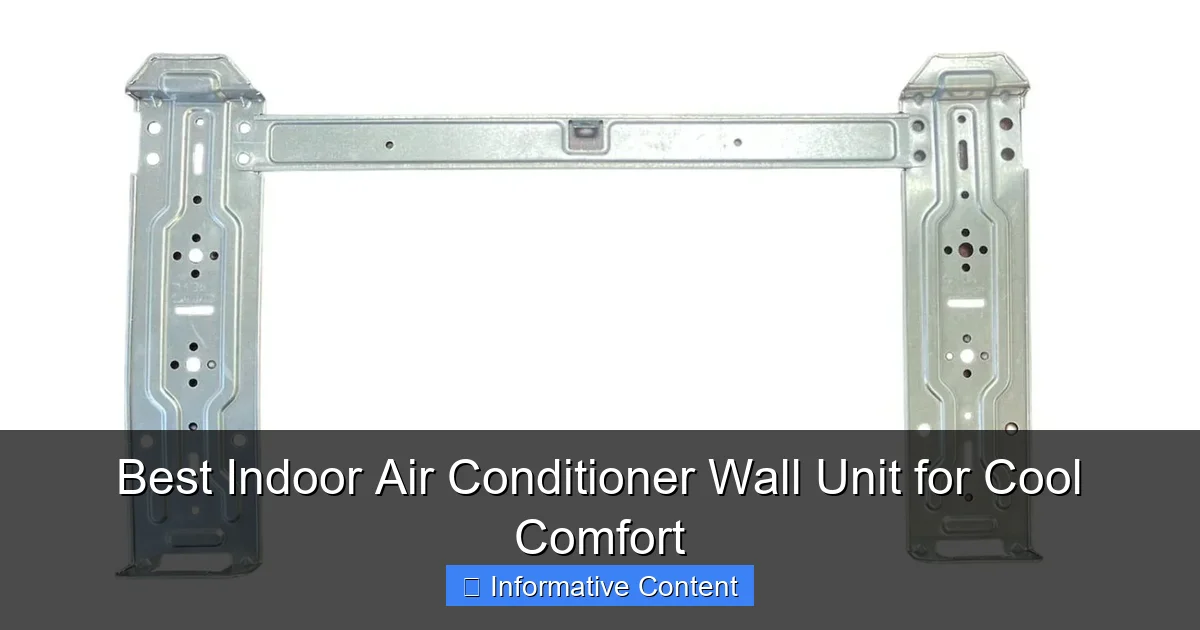
Featured image for indoor air conditioner wall unit
Image source: bhiair.com
The best indoor air conditioner wall unit delivers powerful, energy-efficient cooling without the hassle of window installations. Designed for seamless integration into any room, these units offer precise temperature control, quiet operation, and advanced filtration for cleaner, more comfortable indoor air—making them ideal for apartments, offices, and homes where traditional ACs fall short.
Key Takeaways
- Choose the right size: Match BTU to room size for optimal cooling.
- Prioritize energy efficiency: Look for ENERGY STAR® ratings to save on bills.
- Ensure quiet operation: Select units with low decibel levels for comfort.
- Check installation needs: Verify wall compatibility and professional help requirements.
- Smart features matter: Use programmable timers and Wi-Fi for convenience.
- Maintenance is key: Clean filters monthly to sustain performance and air quality.
📑 Table of Contents
- The Cool Secret to Beating the Heat Indoors
- Why Choose an Indoor Air Conditioner Wall Unit?
- How to Pick the Right Wall Unit for Your Space
- Top Indoor Air Conditioner Wall Unit Brands to Consider
- Installation and Maintenance: Keep It Running Smoothly
- Real-World Performance: What to Expect
- Comparison Table: Top Wall Units at a Glance
- Final Thoughts: Is a Wall Unit Right for You?
The Cool Secret to Beating the Heat Indoors
Let’s face it: summer can be brutal. You come home after a long day, sweaty and exhausted, only to find your house feels like a sauna. You want relief, but you don’t want to deal with the hassle of installing a bulky central air system or the noise of a portable unit that never quite cools the whole room. That’s where an indoor air conditioner wall unit comes in—a sleek, efficient, and often overlooked solution that’s been quietly cooling homes for decades.
Think of it as the Goldilocks of air conditioning: not too big, not too small, just right. These units are mounted through your wall (or sometimes window), delivering powerful, consistent cooling without taking up floor space. They’re quieter than portable ACs, more affordable than central systems, and easier to install than you might expect. Whether you’re in a small apartment, a rental, or just need to cool a single room, an indoor air conditioner wall unit might be your new best friend. Let’s dive into why they’re worth considering and how to find the perfect one for your space.
Why Choose an Indoor Air Conditioner Wall Unit?
If you’ve ever felt like your cooling options are either “too much” or “not enough,” a wall unit strikes the perfect balance. Here’s why they’re a smart pick:
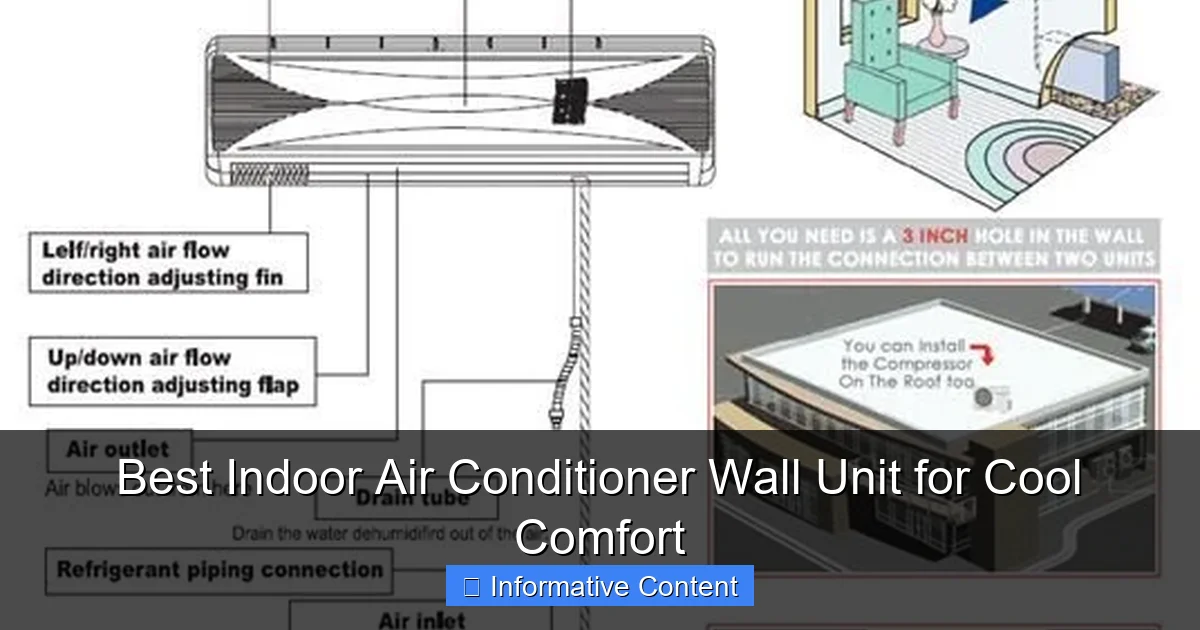
Visual guide about indoor air conditioner wall unit
Image source: img.bhs4.com
1. Space-Saving and Sleek
Unlike portable units that take up floor space and need to be wheeled around, wall units are mounted high on the wall, out of the way. They’re especially great for small rooms, apartments, or rentals where floor real estate is precious. Plus, modern designs are slim and low-profile, blending into your decor rather than shouting, “I’m an appliance!”
Pro tip: If you’re in a rental, check with your landlord first. Some allow permanent installations, while others prefer removable window units. But many wall units can be installed with minimal damage to walls—just a small sleeve or frame that can be patched later.
2. Energy Efficiency and Lower Costs
Wall units are often more energy-efficient than portable ACs. Why? Portable units lose cool air through their exhaust hoses, while wall units seal directly into your wall, minimizing energy waste. Many models also have Energy Star ratings, which means they use less electricity and can save you money on your utility bill over time.
For example, a 10,000 BTU portable AC might use around 1,000 watts, while a similarly sized wall unit could use 800 watts or less. That difference adds up, especially if you’re running it all summer.
3. Quieter Operation
Portable ACs are notorious for their loud, droning fans. Wall units, on the other hand, often have their compressors mounted outside the wall (or in a separate compartment), which reduces indoor noise. Some even have “sleep mode” settings that run at whisper-quiet levels—perfect for light sleepers or nurseries.
Real-world example: My neighbor has a wall unit in her bedroom. I’ve stayed over during a heatwave, and I barely noticed it was running. Her old portable AC, on the other hand, sounded like a jet engine taking off.
4. Consistent Cooling Power
Wall units are designed to cool a specific room size (measured in square feet). Unlike portable units, which often struggle to keep up, a properly sized wall unit can maintain a steady temperature without cycling on and off constantly. This means less humidity buildup and more comfort.
How to Pick the Right Wall Unit for Your Space
Not all wall units are created equal. Here’s what to look for to make sure you get the right one:
1. Size Matters: BTUs and Room Coverage
The first thing to consider is the unit’s cooling power, measured in BTUs (British Thermal Units). Too few BTUs, and it won’t cool your room. Too many, and it’ll cool too quickly without dehumidifying, leaving you with a chilly but damp space.
Here’s a quick guide (based on average room sizes and insulation):
- 5,000–6,000 BTUs: Small rooms (up to 150 sq ft)—think home offices or small bedrooms.
- 7,000–8,000 BTUs: Medium rooms (150–300 sq ft)—perfect for most bedrooms or small living rooms.
- 10,000–12,000 BTUs: Large rooms (300–500 sq ft)—great for open-concept areas or master bedrooms.
- 14,000+ BTUs: Extra-large spaces (500+ sq ft)—ideal for big living rooms or homes with poor insulation.
Tip: If your room gets a lot of sun or has poor insulation, go up one BTU size. For shaded or well-insulated rooms, you can go down.
2. Installation: Through-the-Wall vs. Window Units
There are two main types of wall units:
- Through-the-wall (TTW) units: Installed directly into an exterior wall, with the condenser (noisy part) outside. These are permanent and more efficient but require more effort to install.
- Window units: Fit into a window opening but are designed to look like wall units. They’re easier to install and remove, making them great for renters.
For a true “wall unit” feel, TTW is the way to go. But if you’re not ready to commit, a high-end window unit can be a close second.
3. Features to Look For
Modern wall units come with a range of features that can make your life easier. Here are a few worth considering:
- Remote control: Lets you adjust settings without getting up (a must for lazy summer days).
- Programmable timer: Set it to turn on before you get home or off when you leave.
- Dehumidify mode: Removes excess moisture from the air—great for humid climates.
- Fan-only mode: Circulates air without cooling, which is useful on mild days.
- Smart connectivity: Some units work with apps or voice assistants like Alexa or Google Home.
Top Indoor Air Conditioner Wall Unit Brands to Consider
With so many brands on the market, it’s easy to feel overwhelmed. Here are a few standout options, based on real user feedback and performance:
1. Friedrich
Friedrich is a favorite among HVAC pros for its durability and quiet operation. Their Chill Premier series is a top pick for through-the-wall units, offering 10,000–14,000 BTUs, Energy Star ratings, and a sleek design. Users love the easy-to-clean filters and the fact that it’s quieter than most competitors.
Drawback: The price is on the higher end, but many say it’s worth it for the reliability.
2. Frigidaire
Frigidaire’s wall units are a great balance of affordability and performance. The Cool Connect series includes Wi-Fi-enabled models (like the FGRC1044T1), which let you control the unit from your phone. It’s a game-changer if you want to cool your bedroom before bedtime without leaving the couch.
Drawback: Some users report the app can be glitchy, but the core cooling performance is solid.
3. LG
LG is known for its smart tech, and their wall units are no exception. The Dual Inverter** series uses variable-speed compressors, which save energy and reduce noise. They also have excellent dehumidifying capabilities—ideal if you live in a humid area.
Drawback: The installation process can be trickier than other brands, so professional help is recommended.
4. GE
GE’s Ultra Quiet** wall units live up to their name. They’re designed for bedrooms and nurseries, with sound levels as low as 45 decibels (quieter than a library). The AZ45E12DAB model is a popular choice for its reliability and easy installation.
Drawback: The design is a bit more basic than premium brands, but it gets the job done.
Installation and Maintenance: Keep It Running Smoothly
Installing a wall unit might seem daunting, but it’s often simpler than you think. Here’s what you need to know:
1. DIY vs. Professional Installation
Through-the-wall units require cutting a hole in your exterior wall, which isn’t for the faint of heart. If you’re handy with tools and have experience with basic construction, you can do it yourself. Just make sure to:
- Check local building codes (some areas require permits).
- Use the right size sleeve and frame for your unit.
- Seal gaps with foam or caulk to prevent air leaks.
If you’re not confident, hire a pro. The cost is usually $100–$300, but it’s worth it for a secure, leak-free installation.
Window units, on the other hand, are much easier to install yourself. Most come with adjustable side panels that fit snugly in the window frame.
2. Maintenance Tips
Wall units are low-maintenance, but a little TLC goes a long way:
- Clean the filter monthly: A clogged filter reduces airflow and efficiency. Most units have washable filters—just rinse with water and let dry.
- Check the condenser coils: Dust and debris can build up on the outside coils (the part that sticks out). Wipe them down with a damp cloth a few times a year.
- Inspect the drain pan: If you notice water pooling inside, the drain pan might be clogged. Clear it with a pipe cleaner or small brush.
- Schedule a professional checkup: Every 2–3 years, have a technician inspect the unit for refrigerant leaks or other issues.
Pro tip: Keep a log of maintenance dates. It’ll help you catch problems early and extend the unit’s lifespan.
Real-World Performance: What to Expect
Let’s talk about what life with a wall unit actually feels like. Here’s a breakdown of common experiences:
1. Noise Levels
Most wall units are quieter than portable ACs, but they’re not silent. You’ll hear a gentle hum when the fan is running, especially on high. If you’re a light sleeper, look for models with a “sleep mode” or “quiet mode” that reduces fan speed.
Example: The Friedrich Chill Premier has a 50-decibel rating on low—comparable to a quiet conversation. That’s why it’s a top pick for bedrooms.
2. Temperature Control
Wall units maintain temperature better than portable units because they’re sealed into the wall. You won’t get hot and cold spots, and the unit won’t cycle on and off as often. Some even have sensors that adjust the fan speed based on the room’s temperature.
3. Humidity and Air Quality
Good wall units don’t just cool—they dehumidify too. This is crucial in humid climates, where excess moisture can lead to mold and musty odors. Look for units with a dedicated dehumidify mode or high moisture removal rates (measured in pints per hour).
4. Energy Bills
Energy costs vary, but a 10,000 BTU wall unit typically uses around 1–1.5 kWh per hour. If you run it 8 hours a day, that’s $1–$1.50 per day (at $0.12 per kWh). Compare that to a portable unit, which might use 2–3 kWh for the same cooling power.
Comparison Table: Top Wall Units at a Glance
| Model | BTUs | Energy Star | Noise Level (dB) | Smart Features | Price Range |
|---|---|---|---|---|---|
| Friedrich Chill Premier | 10,000–14,000 | Yes | 50–55 | Remote only | $$$ |
| Frigidaire FGRC1044T1 | 10,000 | Yes | 55–60 | Wi-Fi, app control | $$ |
| LG Dual Inverter | 8,000–12,000 | Yes | 45–50 | SmartThinQ app | $$$ |
| GE AZ45E12DAB | 12,000 | Yes | 45–50 | Remote only | $$ |
Note: Prices are approximate and may vary by retailer. $ = $200–$400, $$ = $400–$600, $$$ = $600+.
Final Thoughts: Is a Wall Unit Right for You?
An indoor air conditioner wall unit isn’t just a luxury—it’s a practical solution for anyone who wants consistent, efficient cooling without the fuss. Whether you’re in a small apartment, a rental, or just need to cool a single room, these units offer a level of comfort that portable ACs can’t match. They’re quieter, more energy-efficient, and easier to live with long-term.
Of course, they’re not perfect. Installation can be tricky (especially for through-the-wall models), and upfront costs are higher than portable units. But if you’re ready to invest in long-term comfort, a wall unit is a smart choice. Just remember to size it right, choose a reputable brand, and keep up with maintenance. Before you know it, you’ll be enjoying cool, quiet, and hassle-free summers—all from a sleek little unit on your wall.
Frequently Asked Questions
What is the best indoor air conditioner wall unit for small rooms?
The best indoor air conditioner wall unit for small rooms (under 300 sq. ft.) typically offers 8,000–10,000 BTUs, like the Frigidaire FFRE083WAE. Look for energy-efficient models with adjustable thermostats and quiet operation for optimal comfort.
How do I install an indoor air conditioner wall unit?
Most indoor air conditioner wall units require a wall sleeve or through-the-wall installation, best done by a professional. Ensure proper sealing, electrical connections, and a slight tilt for drainage to prevent leaks and ensure efficiency.
Are indoor air conditioner wall units energy efficient?
Yes, many modern wall units boast high Energy Efficiency Ratio (EER) ratings and Energy Star certifications, like the LG LW1019IVSM. They consume less power than portable units while providing consistent cooling, reducing long-term energy costs.
Can I use an indoor air conditioner wall unit year-round?
Some models, like heat pump wall units, offer both cooling and heating functions, making them ideal for year-round use. Check product specifications for “heat/cool” modes if you need climate control in all seasons.
Why choose a wall unit over a window air conditioner?
Indoor air conditioner wall units are more permanent, secure, and less prone to drafts or leaks compared to window units. They also provide better noise reduction and often have higher cooling capacity for larger spaces.
Do indoor air conditioner wall units require maintenance?
Regular maintenance includes cleaning or replacing filters monthly, checking refrigerant levels, and clearing debris from the outdoor condenser. Proper upkeep extends the unit’s lifespan and maintains peak performance during hot months.