

Featured image for how to install midea air conditioner
Image source: i.ytimg.com
Installing a Midea air conditioner is a straightforward DIY project when you follow the manufacturer’s guidelines and prioritize safety. Begin by selecting a sturdy wall location near an electrical outlet and drainage access, then mount the indoor and outdoor units securely using the included hardware. Always turn off power during wiring and test the system thoroughly post-installation to ensure peak performance.
Key Takeaways
- Choose the right location: Ensure proper wall strength and drainage access.
- Mount the indoor unit securely: Use a level and follow template guidelines.
- Drill the correct hole size: Match the diameter to the drain pipe and wiring.
- Connect refrigerant lines tightly: Prevent leaks with proper flaring and torque.
- Test operation immediately: Check cooling, drainage, and error codes post-install.
📑 Table of Contents
How to Install Midea Air Conditioner: A Step by Step Guide
Installing a Midea air conditioner can be a game-changer for your home comfort, especially during those sweltering summer months. I remember the first time I installed one in my own apartment—I was nervous, thinking I’d need a professional to do it right. But after a few YouTube videos, a quick call to a friend, and some trial and error, I realized that with the right tools and guidance, it’s totally doable. Whether you’re upgrading your old unit or installing a new split system, this guide is here to walk you through the process, step by step, just like I did.
Why Midea, you ask? Well, they’ve built a solid reputation for offering energy-efficient, quiet, and reliable AC units at a price that won’t break the bank. From portable units to wall-mounted split systems, Midea offers a range of options to suit different spaces and needs. The best part? Their installation process is designed with DIYers in mind—though knowing when to call a pro is always a smart move. In this guide, I’ll share practical tips, common pitfalls to avoid, and real-life insights so you can install your Midea air conditioner safely, efficiently, and with confidence. No fluff, no sales pitch—just honest, actionable advice.
Understanding Your Midea Air Conditioner Model
Before you even think about drilling holes or connecting wires, it’s crucial to understand the type of Midea air conditioner you’ve got. Not all models are the same, and the installation process can vary significantly depending on whether you’re working with a window unit, a portable AC, or a wall-mounted split system. Let’s break it down so you start on the right foot.
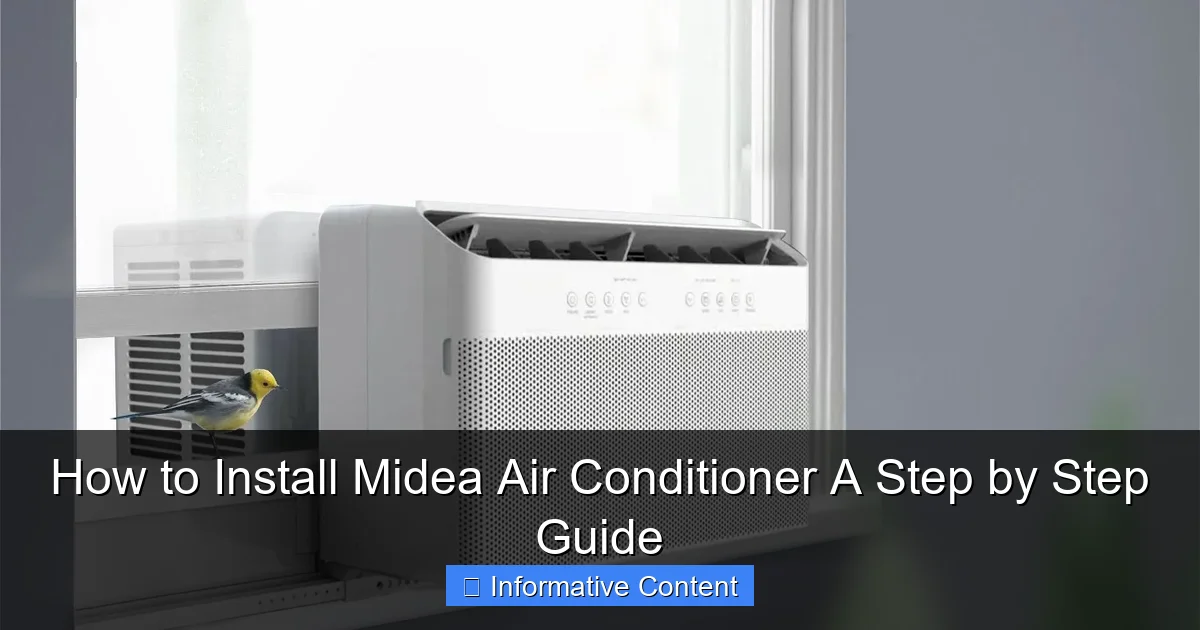
Visual guide about how to install midea air conditioner
Image source: i.ytimg.com
Identifying Your Unit Type
- Window Units: These are self-contained systems that fit into a standard window frame. Ideal for small rooms (up to 350 sq ft). They’re the easiest to install and don’t require refrigerant lines or outdoor units.
- Portable Air Conditioners: These sit on the floor and vent hot air through a window or wall using a flexible hose. Great for renters or rooms without windows. Installation is minimal—mainly setting up the exhaust kit.
- Wall-Mounted Split Systems: The most common type for modern homes. Includes an indoor evaporator unit and an outdoor condenser. Requires drilling, refrigerant lines, and electrical work. Best for cooling larger areas (up to 1,000+ sq ft).
Tip: Check your model number (usually on the back or side of the unit). Look it up on the Midea website or user manual to confirm its type and installation requirements.
Reviewing the Installation Manual
Yes, I know—reading manuals is boring. But trust me, the installation manual that comes with your Midea unit is your best friend. It includes:
- Specific tools needed
- Clear diagrams for wiring and piping
- Weight and mounting specs
- Local code compliance notes
For example, I once skipped checking the manual and ended up using the wrong mounting bracket for my wall unit—resulting in a wobbly, unsafe install. Don’t make my mistake. Read it once through before starting. It’ll save you time, frustration, and possibly a repair bill.
Checking Local Building Codes and Permits
Some areas require a permit for HVAC installations, especially for split systems. This isn’t just bureaucracy—it’s about safety and energy efficiency. For instance, in California, refrigerant line installations must comply with EPA Section 608 regulations. If you’re in a rental, check with your landlord before drilling. In my case, my landlord required a written approval before I could install a split system. A quick call saved me from a potential eviction headache.
Tools and Materials You’ll Need
Having the right tools on hand makes the difference between a smooth install and a frustrating, half-finished project. I’ve learned this the hard way—once, I had to pause my install for three days just to borrow a vacuum pump. Don’t be like me. Here’s a complete checklist tailored to Midea AC types.
Essential Tools for All Midea AC Types
- Tape measure: For precise placement
- Level: Ensures the unit is perfectly horizontal
- Drill and drill bits: For wood, masonry, or metal (depending on wall type)
- Screwdrivers (Phillips and flathead): For mounting and wiring
- Adjustable wrench: For tightening fittings
- Stud finder (for wall units): Locates wall studs for secure mounting
Specialized Tools for Split Systems
- Vacuum pump and manifold gauge set: Removes air and moisture from refrigerant lines (critical for efficiency)
- Flaring tool: Creates a tight seal on copper refrigerant lines
- Torque wrench: Ensures proper tightness on flare nuts
- Electrical tester: Checks for live wires and proper grounding
- Pipe cutter: For custom-length copper lines
Pro tip: Rent or borrow specialized tools if you don’t own them. A vacuum pump, for example, can cost $100+ but rents for $20/day at most hardware stores.
Included Midea Installation Kit (What’s in the Box?)
Midea usually includes a mounting plate, screws, drain hose, and insulation foam for split systems. Portable units come with a window vent kit. But always double-check—some kits are sold separately, especially for high-end models.
Additional Materials You Might Need
- Refrigerant line cover (for split systems): Protects copper lines from weather and UV damage
- Wall sleeve or insulation foam: For sealing the hole in the wall
- Extension cord (only if rated for AC use): Avoid cheap cords—overheating risk
- Condensate drain line (if not included): For proper water disposal
When I installed my Midea split system, I forgot to buy a line cover. Rainwater dripped onto the refrigerant lines, causing corrosion after a few months. Lesson learned: protect those lines!
Preparing the Installation Site
You wouldn’t build a house on shaky ground—so don’t install your Midea AC on a poorly prepared site. Proper preparation ensures safety, efficiency, and long-term performance. Let’s go through the key steps.
Choosing the Right Location
- Indoor unit: Mount on a load-bearing wall, at least 7 feet high (for ceiling clearance), away from direct sunlight, heat sources, and curtains. Ensure at least 6 inches of clearance on all sides for airflow.
- Outdoor unit (split systems): Place on a level, stable surface (concrete pad or wall bracket). Avoid areas with heavy debris, direct rain, or poor airflow. At least 12 inches of clearance around all sides.
- Window/portable units: Choose a window with easy access, minimal wind exposure, and nearby power outlet.
Real-life example: I once placed my indoor unit too close to a curtain. The airflow was blocked, the unit overheated, and the filter got dirty twice as fast. Repositioning it fixed the issue instantly.
Measuring and Marking Drill Points
Use the mounting plate (included with split systems) as a template. Hold it against the wall, level it, and mark the drill points. For split systems, also measure and mark:
- The hole for refrigerant and drain lines (usually 2.5–3 inches in diameter)
- The location for the outdoor unit’s mounting bracket
Double-check measurements. A misaligned hole can mean redoing the entire setup.
Ensuring Electrical Accessibility
Your Midea AC needs a dedicated circuit. Check the manual for voltage (most are 115V or 230V) and amperage. For split systems:
- Install a disconnect box near the outdoor unit (required by code in most areas)
- Run a dedicated electrical line from your breaker panel
Warning: If you’re not confident with electrical work, hire a licensed electrician. A wrong connection can damage your unit or create a fire hazard.
Preparing the Outdoor Site
- Clear debris, leaves, and snow from the area
- Level the ground or install a concrete pad
- Consider a shade cover (but don’t block airflow)
My neighbor installed his condenser under a tree. Leaves clogged the fins within weeks, reducing efficiency by 30%. A simple $20 mesh cover fixed it.
Step-by-Step Installation Process
Now the fun part—installing your Midea air conditioner. I’ll walk you through the most common scenario: a wall-mounted split system. For window or portable units, I’ll include quick notes at the end.
Step 1: Mount the Indoor Unit
- Drill holes for the mounting plate using a masonry bit (for concrete) or wood bit (for drywall/studs)
- Secure the plate with provided screws. Use anchors if not hitting a stud
- Drill a 2.5-inch hole through the wall for refrigerant lines, drain hose, and power cable
- Insert a PVC sleeve or foam insulation into the hole to prevent air leaks
- Hang the indoor unit on the plate and secure it
Tip: Have a helper hold the unit while you secure it. They’re heavier than they look!
Step 2: Install the Outdoor Unit
- Mount the outdoor bracket or place the unit on a concrete pad
- Secure with anti-vibration pads (included or purchased separately)
- Connect the refrigerant lines, drain hose, and power cable through the wall hole
- Insulate the refrigerant lines with foam sleeves
Step 3: Connect Refrigerant Lines and Wiring
- Cut and flare the copper refrigerant lines to fit (use the flaring tool)
- Connect the lines to the indoor and outdoor units using flare nuts (tighten with a torque wrench)
- Connect the power cable to the indoor unit and run it to the outdoor unit (follow wiring diagram in manual)
- Connect the drain hose to the indoor unit and run it outside (ensure a downward slope for gravity drainage)
Critical: Never bend refrigerant lines too tightly. A kink can cause refrigerant leaks and poor cooling.
Step 4: Evacuate and Charge the System
- Connect the manifold gauge set to the service ports on the outdoor unit
- Run the vacuum pump for at least 30 minutes to remove air and moisture
- Close the valves and wait 15 minutes to check for vacuum stability
- Release the refrigerant charge (if pre-charged) or add the correct amount (check manual)
Note: This step requires EPA certification if you’re handling refrigerant. If you’re not certified, hire an HVAC pro.
Step 5: Test the System
- Turn on the power at the breaker
- Set the thermostat to cool and wait 5–10 minutes
- Check for airflow, noise, and condensate drainage
- Monitor refrigerant lines for leaks (use a leak detector or soapy water)
For window units: Simply place it in the window, secure with side panels, plug in, and turn on.
For portable units: Place near a window, attach the exhaust hose, plug in, and run.
Post-Installation Checks and Maintenance Tips
You’ve done it! But the job isn’t over. A few final checks and regular maintenance will keep your Midea AC running smoothly for years.
Initial System Test
- Check indoor and outdoor units for unusual vibrations or noises
- Measure airflow at vents (should feel strong and cool)
- Verify condensate water drips outside, not inside
- Use a thermometer to check air temperature drop (should be 15–20°F cooler than room temp)
Common Issues and Fixes
- No cooling: Check for refrigerant leaks, dirty filters, or incorrect thermostat settings
- Water leakage inside: Ensure drain hose is sloped and not kinked
- Noisy operation: Tighten mounting screws, clean fan blades, or check for debris in outdoor unit
- Unit won’t turn on: Check circuit breaker, thermostat batteries, and power connections
Regular Maintenance Schedule
| Task | Frequency | Notes |
|---|---|---|
| Clean or replace air filter | Monthly (during heavy use) | Dirty filters reduce efficiency by up to 15% |
| Clean indoor unit coils | Every 6 months | Use a soft brush or coil cleaner |
| Clear outdoor unit debris | Monthly | Keep fins free of leaves, grass, and dirt |
| Check refrigerant lines | Annually | Look for oil stains (sign of leaks) |
| Professional inspection | Every 2–3 years | HVAC tech can check refrigerant levels and electrical connections |
Energy-Saving Tips
- Set thermostat to 78°F (25.5°C) when home, higher when away
- Use ceiling fans to circulate cool air
- Close curtains during peak sun hours
- Seal air leaks around windows and doors
I started doing monthly filter checks after noticing my Midea unit struggled to cool the room. A clean filter fixed it in minutes—and cut my energy bill by 10%.
When to Call a Professional
DIY is empowering, but knowing your limits is smart. Here’s when to call in the experts.
Electrical Work
If your home needs a new circuit or breaker panel upgrade, hire a licensed electrician. Improper wiring is a fire hazard.
Refrigerant Handling
Only EPA-certified technicians can legally add or remove refrigerant. If you suspect a leak, don’t try to fix it yourself.
Structural Modifications
If you need to cut through a load-bearing wall or install a support beam, consult a structural engineer.
Complex Installations
Multi-zone systems, ducted units, or installations in historic buildings often require specialized skills.
I once tried to install a split system in a 100-year-old house. The brick walls were too thick, and I ended up calling a pro. It cost more upfront, but saved me weeks of frustration and potential damage.
Installing a Midea air conditioner is a rewarding project that can save you hundreds in labor costs. With the right preparation, tools, and patience, you can enjoy cool, comfortable air for years to come. Remember: safety first, follow the manual, and don’t hesitate to call a pro when needed. Whether you’re cooling a studio apartment or a three-bedroom house, your Midea AC will thank you for a job well done. Now go enjoy that crisp, refreshing air—you’ve earned it!
Frequently Asked Questions
How do I install a Midea air conditioner for the first time?
To install a Midea air conditioner, start by selecting a suitable wall location, ensuring proper drainage and airflow. Follow the included manual to mount the indoor and outdoor units, connect refrigerant lines, and secure electrical wiring.
Can I install a Midea air conditioner myself, or do I need a professional?
While basic setup like mounting the indoor unit can be DIY, a certified technician should handle refrigerant line connection and electrical work to comply with safety standards. Self-installation without expertise may void the warranty.
What tools are needed to install a Midea air conditioner?
Common tools include a drill, level, wrench, pipe cutter, vacuum pump, and screwdrivers. Always check the Midea air conditioner installation manual for model-specific tool requirements before starting.
How long does it take to install a Midea air conditioner?
A standard split system Midea air conditioner installation typically takes 4-6 hours, depending on complexity. Pre-site preparation and professional help can reduce installation time.
Where should I place the indoor unit when installing a Midea air conditioner?
Install the indoor unit on a sturdy wall, at least 7 feet above the floor, away from heat sources and direct sunlight. Ensure 6+ inches of clearance on all sides for optimal airflow.
What are the key steps in Midea air conditioner installation for optimal performance?
Key steps include level-mounting units, insulating refrigerant pipes, vacuuming lines to remove moisture, and testing drainage. Always run a test cycle post-installation to check cooling and airflow performance.