
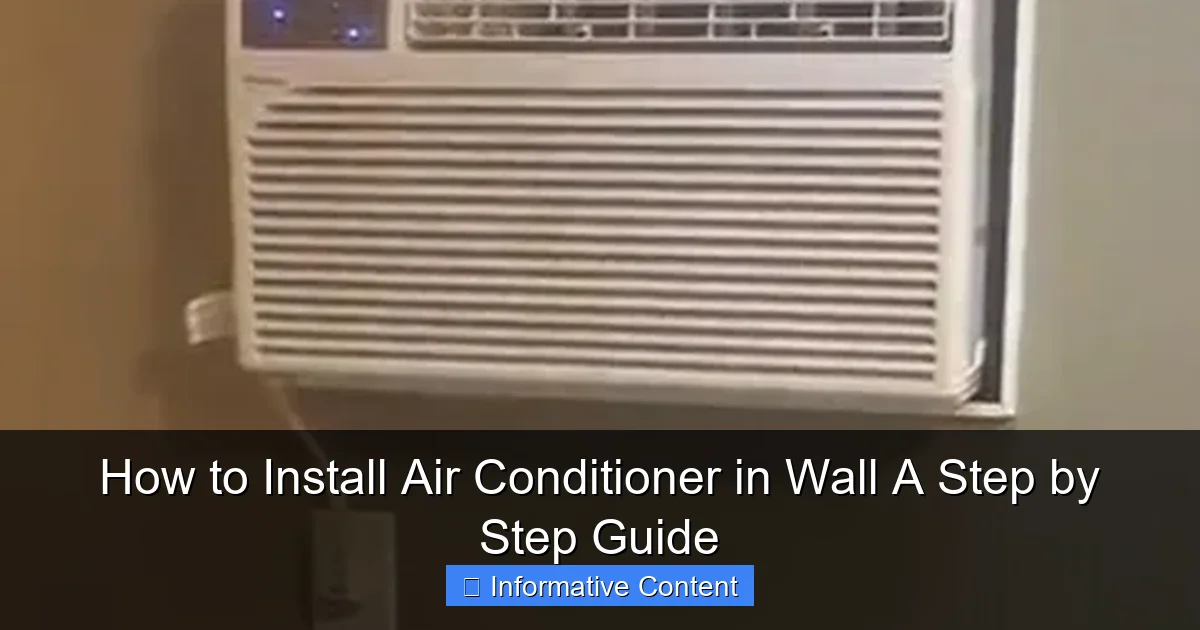
Featured image for how to install air conditioner in wall
Image source: hvachowto.com
Installing an air conditioner in a wall requires precise sizing, proper support, and secure sealing to ensure optimal performance and energy efficiency. Follow a step-by-step process—from selecting the right unit and cutting the opening to mounting the sleeve, connecting power, and sealing gaps—to avoid leaks, vibrations, and long-term damage. Always prioritize safety and local building codes for a reliable, professional-grade installation.
Key Takeaways
- Measure carefully: Ensure precise wall opening dimensions for a snug AC fit.
- Turn off power: Always disconnect electricity before starting installation work.
- Seal gaps properly: Use weatherstripping to prevent air leaks and improve efficiency.
- Secure the unit: Anchor the AC firmly with brackets to avoid vibrations.
- Check drainage: Test the condensate drain to prevent water damage issues.
- Follow local codes: Adhere to building and electrical regulations for safety compliance.
📑 Table of Contents
- Why Installing an Air Conditioner in Your Wall Might Be the Best Home Upgrade You’ve Ever Made
- Understanding Wall Air Conditioners: Types, Sizing, and Benefits
- Pre-Installation Checklist: What You Need to Know Before You Cut
- Step-by-Step Installation: From Cutting the Hole to Sealing It Up
- Post-Installation: Testing, Maintenance, and Troubleshooting
- When to Call a Pro: Knowing Your Limits
- Final Thoughts: Enjoy Your Cool, Quiet Home
Why Installing an Air Conditioner in Your Wall Might Be the Best Home Upgrade You’ve Ever Made
Let me tell you a quick story. A few summers ago, I was sweating through another muggy July in my old apartment. The window unit rattled like a washing machine on spin cycle, barely cooled the room, and looked like something from a 1980s horror movie. That’s when I discovered how to install air conditioner in wall—and honestly, it changed my life. No more bulky window units, no more tripping over cords, and finally, a cool, quiet home.
If you’re tired of inefficient window ACs or just want a sleeker, more permanent cooling solution, a through-the-wall air conditioner could be your answer. Unlike portable units or central HVAC, these systems are built directly into your wall, offering better airflow, improved energy efficiency, and a cleaner look. But here’s the thing: installing one isn’t as simple as sliding it into a window. It requires careful planning, the right tools, and a bit of DIY courage. The good news? You don’t need to be a licensed contractor to do it. With the right guide, anyone can learn how to install air conditioner in wall—and I’m here to walk you through every step.
Understanding Wall Air Conditioners: Types, Sizing, and Benefits
Before you start swinging a sledgehammer, it’s important to understand what you’re getting into. Wall air conditioners (also called through-the-wall ACs or sleeve ACs) are different from window units. They’re designed to be mounted in an exterior wall, with the back of the unit venting outside and the front cooling your indoor space. Let’s break down the essentials.
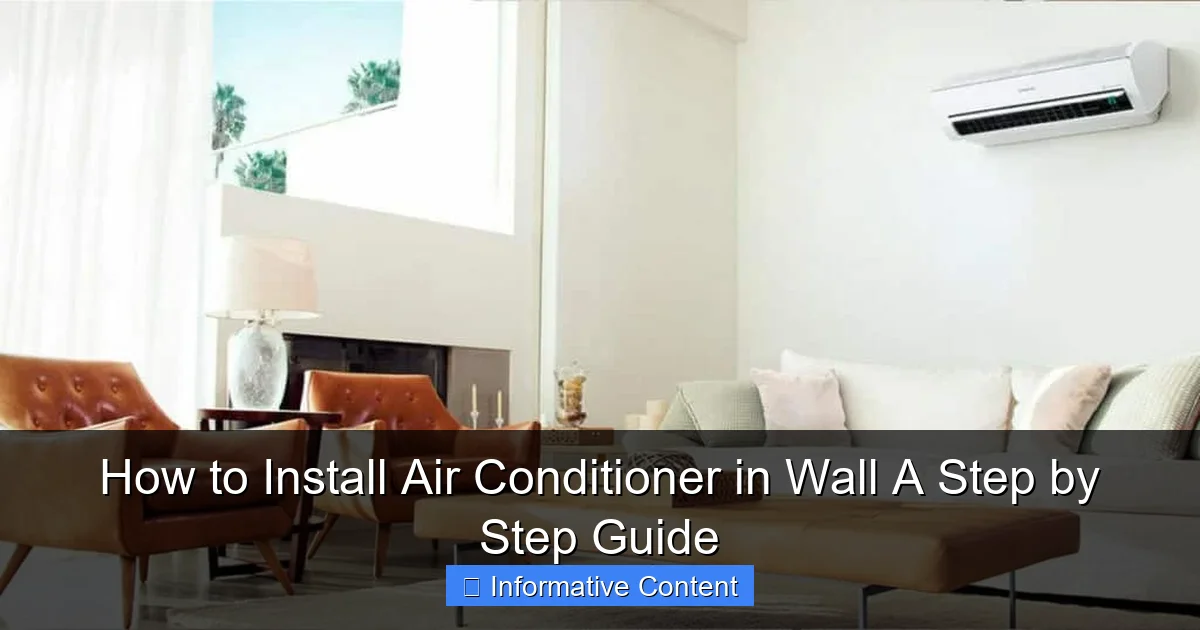
Visual guide about how to install air conditioner in wall
Image source: certifiedairmaui.com
Types of Wall Air Conditioners
- Single-hose units: Draw air from inside the room to cool the condenser, then exhaust hot air outside. Simpler and cheaper, but slightly less efficient.
- Dual-hose units: Use one hose to draw outside air for cooling the condenser and another to exhaust hot air. More efficient, especially in hot climates.
- Heat pump models: Offer both cooling and heating, perfect for year-round comfort in moderate climates.
For example, I chose a 10,000 BTU dual-hose unit for my 250 sq ft bedroom. It cooled the space in under 15 minutes and even handled the occasional heatwave. The dual-hose design meant less strain on the compressor and lower energy bills.
Why Size Matters: Matching BTUs to Room Size
One of the biggest mistakes people make is buying the wrong size unit. A unit that’s too small will run constantly and never cool the room. One that’s too large will short-cycle (turn on and off too quickly), wasting energy and wearing out the compressor.
Use this quick guide to estimate the right BTU (British Thermal Units) for your space:
| Room Size (sq ft) | Recommended BTU |
|---|---|
| 100–150 | 5,000–6,000 |
| 150–250 | 7,000–8,000 |
| 250–350 | 9,000–10,000 |
| 350–450 | 12,000–14,000 |
| 450–550 | 15,000–18,000 |
Tip: If your room has high ceilings, lots of windows, or is in direct sunlight, add 10–20% more BTU. For kitchens, add 4,000 BTU to account for heat from cooking.
Benefits of Wall-Mounted ACs vs. Other Options
- Energy efficiency: Wall units are often more efficient than window units because they’re sealed better and have better insulation.
- Space-saving: No more blocking windows or tripping over cords.
- Noise reduction: The noisy compressor is outside, so indoor noise is much lower.
- Aesthetic appeal: Sleek, built-in look that blends with your decor.
One friend of mine installed a wall unit in his home office and said it was “like going from a dial-up modem to fiber internet—everything just works better.”
Pre-Installation Checklist: What You Need to Know Before You Cut
Installing a wall air conditioner isn’t like hanging a picture. You’re cutting into your home’s structure, so preparation is key. Skipping steps here could lead to leaks, poor airflow, or even structural damage.
1. Check Your Wall Type and Structure
Not all walls are created equal. You need to know what’s behind the drywall or plaster before you start cutting.
- Wood-framed walls: Most common in older homes. Easier to cut, but you’ll need to locate and avoid studs.
- Metal-framed walls: Found in some newer constructions. Requires special metal-cutting tools.
- Concrete or masonry walls: Much harder to cut. May require a professional.
Use a stud finder to map out studs, pipes, and electrical wiring. You’ll want to install the AC between two studs (typically 16 inches apart) for stability.
2. Choose the Right Location
Where you install the AC affects performance and comfort. Follow these rules:
- Height: Mount the unit 12–18 inches from the floor. This allows cold air to circulate properly (cold air sinks).
- Clearance: Leave at least 12 inches of clearance on all sides (except the wall side). Don’t block it with furniture or curtains.
- Sun exposure: Avoid south- or west-facing walls if possible. More sun = more heat = more work for the AC.
- Drainage: The unit should slope slightly (about 1/4 inch per foot) toward the outside to allow condensation to drain.
My first attempt failed because I installed the unit too high. The cold air pooled near the floor, and I ended up sitting on the couch with a fan pointed at me. Lesson learned!
3. Gather the Right Tools and Materials
Here’s what you’ll need (don’t worry—most are common household tools):
- Circular saw or reciprocating saw (with wood/metal blades)
- Stud finder
- Tape measure and level
- Caulk gun and exterior-grade caulk
- Weatherproof flashing tape (like Tyvek)
- Safety goggles, gloves, and dust mask
- Jigsaw (for cutting the sleeve hole)
- Drill and screws
- Insulation foam or backer rod
- AC sleeve (usually included with the unit)
Pro tip: Rent a drywall saw or oscillating tool from a hardware store if you don’t own one. It’s cheaper than buying and saves space in your garage.
4. Check Electrical Requirements
Wall ACs often need a dedicated circuit. Most units require:
- 110–120V outlet (standard household voltage)
- 15–20 amp circuit (check the unit’s manual)
- Grounded outlet (three-prong plug)
If your current outlet can’t handle the load, hire an electrician to install a new circuit. Never use an extension cord or adapter. I made that mistake once—tripped the breaker three times in one day.
Step-by-Step Installation: From Cutting the Hole to Sealing It Up
Now comes the fun part. This is where you turn theory into reality. Follow these steps carefully, and you’ll have a professional-looking install.
Step 1: Mark and Cut the Hole
1. Use the AC sleeve as a template. Place it against the wall and trace the outline with a pencil.
2. Use a stud finder to confirm you’re between two studs. Adjust the position if needed.
3. Cut along the lines using a jigsaw or reciprocating saw. Start with a small pilot hole, then cut outward. Go slow—rushing leads to jagged edges.
Safety tip: Turn off power to nearby outlets and wear a dust mask. Cutting drywall creates a lot of dust.
Step 2: Install the Sleeve
The sleeve is the metal or plastic frame that holds the AC unit. Here’s how:
- Insert the sleeve into the hole. Make sure it’s level.
- Secure it to the studs with screws (usually 2–4 on each side).
- Check the slope: The back of the sleeve should be slightly lower than the front (about 1/4 inch per foot).
I used a torpedo level to check the slope. If it’s too flat, condensation won’t drain and could leak inside.
Step 3: Seal the Exterior
This step is crucial for weatherproofing:
- Apply exterior-grade caulk around the outside of the sleeve.
- Install weatherproof flashing tape (like Tyvek) over the caulk. Overlap the tape by 2–3 inches.
- Secure the bottom edge with a metal drip edge (if included) to direct water away from the wall.
One winter, I skipped this step. Snow melted and seeped through the sleeve, causing water damage. Don’t be like me—seal it well!
Step 4: Install the AC Unit
1. Carefully slide the AC into the sleeve. Don’t force it—if it doesn’t fit, check for obstructions.
2. Secure it with the included mounting screws or brackets.
3. Connect the drain hose (if your unit has one) to a nearby floor drain or condensate pump.
For dual-hose units, connect the intake and exhaust hoses according to the manual. Make sure they’re not kinked or blocked.
Step 5: Insulate and Seal the Interior
1. Fill gaps between the sleeve and wall with insulation foam or backer rod.
2. Use low-expansion foam to avoid warping the sleeve.
3. Caulk around the edges of the interior sleeve cover for a clean finish.
Bonus tip: Install a removable interior cover (like a louvered panel) for easy access to the filter and controls.
Post-Installation: Testing, Maintenance, and Troubleshooting
You’re almost done! But don’t just plug it in and call it a day. Proper testing and maintenance ensure your AC lasts for years.
1. First Run: What to Expect
Turn on the unit and listen for:
- Smooth startup (no loud bangs or grinding)
- Consistent airflow (feel for strong, cool air)
- Condensation draining (check for water dripping outside)
If the unit vibrates excessively, check that it’s level and securely mounted. Tighten any loose screws.
2. Routine Maintenance Tips
Like any appliance, your wall AC needs care:
- Clean the filter every 2 weeks during peak use. Rinse it with water and let it dry.
- Inspect the exterior vent monthly. Remove leaves, dust, or debris.
- Check the seal annually. Re-caulk if you see gaps or cracks.
- Lubricate the fan motor every 3–5 years (if recommended by the manufacturer).
I keep a small brush and vacuum attachment near my unit for quick cleanups. It takes 5 minutes but saves hours of frustration later.
3. Common Issues and Fixes
- Leaking water inside: Usually caused by a clogged drain or improper slope. Clear the drain hose and check the sleeve angle.
- Not cooling enough: Check for dirty filters, blocked vents, or refrigerant leaks. Call a pro if it’s a refrigerant issue.
- Loud noises: Could be a loose part or failing motor. Tighten screws or replace the motor.
- Tripping the breaker: Often due to an overloaded circuit. Use a dedicated outlet.
My neighbor once had a unit that froze up. Turns out, the filter was clogged, and the airflow was blocked. A simple filter clean fixed it in minutes.
When to Call a Pro: Knowing Your Limits
Look, I love DIY projects. But some tasks are better left to professionals. Here’s when to pick up the phone:
1. Electrical Work
If you need to install a new circuit, upgrade your panel, or run wiring through walls, hire a licensed electrician. Faulty wiring can cause fires or electrocution.
2. Structural Modifications
Cutting through concrete, brick, or load-bearing walls requires special tools and permits. A contractor can ensure it’s done safely and up to code.
3. Refrigerant Handling
Recharging refrigerant (R-22 or R-410A) is illegal without EPA certification. If your unit is low on refrigerant, call an HVAC technician.
4. Complex Installations
If your wall is insulated with spray foam, has multiple layers, or is part of a historic home, get a pro. They’ll have the tools and experience to avoid costly mistakes.
One friend tried to install a unit in a brick wall himself. He spent $200 on tools, cracked the brick, and ended up paying a mason $500 to fix it. Ouch.
Final Thoughts: Enjoy Your Cool, Quiet Home
Learning how to install air conditioner in wall isn’t just about comfort—it’s about taking control of your space. You’ve gone from sweating through summers to having a sleek, efficient cooling system that works quietly in the background. And the best part? You did it yourself.
Remember, the key to success is patience. Take your time with each step. Double-check your measurements. Seal every gap. And don’t hesitate to call a pro if something feels off. A well-installed wall AC can last 10–15 years, so it’s worth doing right the first time.
Now go enjoy that cool air. You’ve earned it.
Frequently Asked Questions
How do I install an air conditioner in a wall safely?
To install an air conditioner in a wall safely, first ensure the wall can support the unit’s weight and that you have proper electrical wiring. Follow the manufacturer’s instructions and use a support bracket to secure the AC unit, preventing accidents or damage. Always turn off power before starting electrical work.
What tools do I need to install an air conditioner in a wall?
You’ll need a stud finder, level, drill, screws, measuring tape, screwdriver, and a support bracket designed for wall AC units. A helper is also recommended to lift and position the heavy unit during installation.
Can I install a wall air conditioner without professional help?
Yes, you can install a wall air conditioner yourself if you have basic DIY skills and follow safety guidelines. However, if the unit requires new electrical wiring or structural modifications, hiring a professional ensures compliance with local building codes.
Where should I place my wall air conditioner for optimal cooling?
Install the unit on an exterior wall away from direct sunlight and heat sources, ideally in a central location for even airflow. Ensure the wall is structurally sound and has access to a nearby electrical outlet to simplify the air conditioner in wall installation process.
Do I need a permit to install an air conditioner in a wall?
Some regions require permits for structural modifications or electrical work involved in installing a wall air conditioner. Check with your local building authority to avoid fines and ensure your wall AC installation meets safety standards.
How do I seal gaps after installing a wall air conditioner?
Use weatherstripping or foam insulation around the unit to seal gaps and prevent air leaks, which can reduce efficiency. Secure the AC with side panels or trim kits to ensure a snug fit and maintain indoor temperature control.