
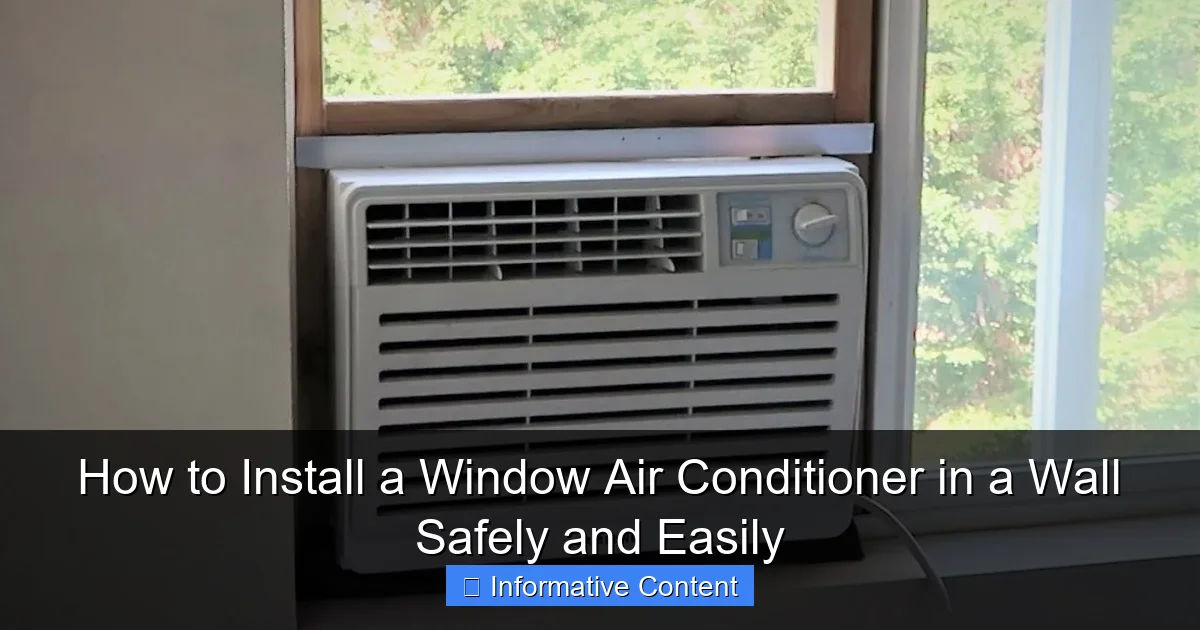
Featured image for how to install a window air conditioner in a wall
Image source: i.ytimg.com
Installing a window air conditioner in a wall requires precise measurements and a secure, level fit to ensure safety and efficiency. Always use a properly sized wall sleeve or support bracket to prevent sagging or collapse, and seal gaps with weatherproof caulk to avoid air leaks and water damage. Follow local building codes and never compromise structural integrity—safety first, comfort second.
Key Takeaways
- Measure carefully: Ensure the wall opening matches your AC unit’s dimensions.
- Secure the frame: Anchor the sleeve firmly to prevent shifting or leaks.
- Seal gaps completely: Use foam or caulk to block drafts and pests.
- Check local codes: Verify if permits or inspections are required first.
- Support the weight: Add braces or brackets for safe, long-term installation.
- Insulate properly: Wrap the unit to boost efficiency and reduce noise.
📑 Table of Contents
How to Install a Window Air Conditioner in a Wall Safely and Easily
Imagine this: It’s the middle of summer, and your house feels like a sauna. You bought a window air conditioner to cool things down, but now you’re staring at it like it’s a puzzle with no solution. What if your window doesn’t fit the unit? Or worse—what if you live in a building with strict rules about modifying windows? That’s where installing a window air conditioner in a wall comes in. It’s not as scary as it sounds, and once you’ve done it, you’ll wonder why you didn’t try it sooner.
Installing a window AC unit in a wall can be a game-changer, especially if you don’t have suitable windows or want a more permanent cooling solution. But before you grab your tools and start cutting holes in your wall, let’s talk about how to do it safely, easily, and without turning your living room into a construction zone. Whether you’re a DIY newbie or a seasoned home improver, this guide will walk you through every step, from choosing the right spot to sealing it up for maximum efficiency. Let’s get started!
Why Install a Window AC in a Wall? (And When You Should)
You might be wondering, “Why go through the hassle of installing a window AC in a wall when I could just pop it in a window?” Great question! There are several situations where a wall-mounted installation makes more sense than a traditional window setup. Let’s break it down.
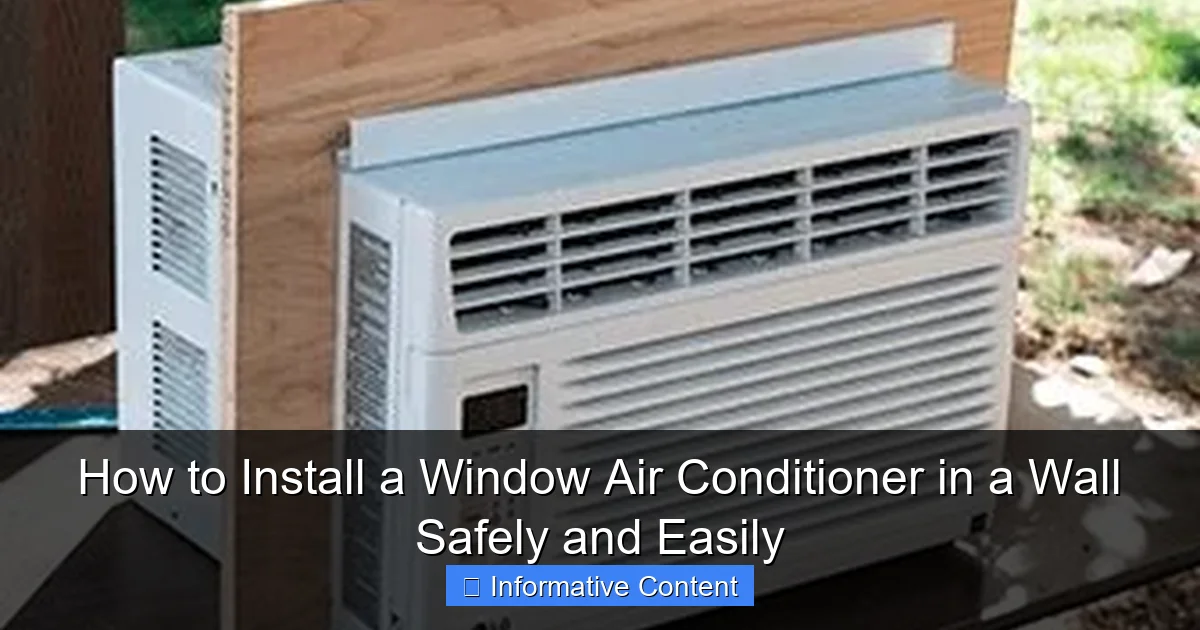
Visual guide about how to install a window air conditioner in a wall
Image source: homegearslab.com
When Wall Installation Makes Sense
- No Suitable Windows: Not all windows are created equal. Some are too narrow, too high, or don’t open wide enough for a standard window AC unit. If your windows are casement-style (they crank open sideways) or double-hung with sashes that don’t slide far enough, a wall install might be your best bet.
- Building Restrictions: Renters or condo owners often face strict rules about modifying windows. A wall-mounted unit can bypass these restrictions, giving you cooling freedom without violating lease terms.
- Aesthetic Preferences: Let’s face it—window AC units aren’t the most attractive addition to your home. A wall-mounted unit can be more discreet, especially if you install it in a less visible area like a bedroom or basement.
- Better Airflow: When installed correctly, a wall-mounted AC can provide more consistent airflow. You’re not limited by the window’s orientation, so you can position the unit for optimal cooling.
When You Should Stick with a Window
Wall installation isn’t for everyone. If you’re in a temporary living situation (like a rental with a short lease) or don’t have the tools or confidence to cut into your wall, a traditional window setup might still be the better choice. Also, if your wall is load-bearing, has plumbing or electrical lines running through it, or is made of a material you can’t easily cut (like concrete or stone), you’ll want to think twice before proceeding.
Pro Tip: If you’re unsure whether your wall is safe to cut into, consult a professional. It’s better to spend a little on a consultation than risk damaging your home or injuring yourself.
Tools and Materials You’ll Need
Before you start, let’s make sure you have everything you need. Trust me, there’s nothing worse than halfway through a project and realizing you’re missing a key tool. Here’s a checklist to keep you on track.
Essential Tools
- Measuring Tape: For precise measurements of your AC unit and the wall space.
- Stud Finder: To locate studs and avoid cutting into them (unless you know what you’re doing).
- Pencil or Marker: For marking cutting lines.
- Circular Saw or Jigsaw: For cutting through wood, drywall, or siding. If you’re cutting into brick or stucco, you’ll need a masonry saw or angle grinder.
- Drill and Drill Bits: For making pilot holes and securing the AC unit.
- Level: To ensure your unit is perfectly horizontal.
- Screwdriver Set: For tightening screws and brackets.
- Utility Knife: For trimming drywall or insulation.
- Safety Gear: Safety glasses, dust mask, and work gloves are non-negotiable.
Materials and Supplies
- Air Conditioner Unit: Make sure it’s rated for wall installation (check the manual).
- Mounting Frame or Bracket: Some ACs come with wall-mounting kits; others require aftermarket brackets.
- Insulation Foam or Backer Rod: To seal gaps and prevent air leaks.
- Exterior Caulk or Flashing: For weatherproofing the outside of the unit.
- Interior Trim or Casing: To give your installation a clean, finished look.
- Screws and Anchors: Use heavy-duty ones to secure the unit to the wall.
- Weatherproof Sealant: For sealing around the exterior edges.
Optional (But Helpful) Tools
- Vacuum: For cleaning up dust and debris after cutting.
- Shop Vac: If you’re cutting into brick or concrete, this will help manage the mess.
- Ladder or Step Stool: For working at height.
- Assistant: Air conditioners can be heavy—having a friend to help can save your back (and your patience).
Step-by-Step Installation Guide
Now that you’ve gathered your tools, it’s time to get your hands dirty. Follow these steps carefully, and you’ll have your wall-mounted AC up and running in no time.
Step 1: Choose the Right Location
Start by selecting the ideal spot for your AC unit. Look for a wall that:
- Is near a window (for easy access to power).
- Has enough clearance on all sides (check your AC manual for minimum clearances).
- Is not directly above a bed or seating area (to avoid direct airflow).
- Is structurally sound (no cracks, water damage, or weak spots).
Use your stud finder to locate studs. If possible, position the unit between two studs to avoid cutting into them. If you must cut into a stud, use a support header to redistribute the load.
Step 2: Measure and Mark
Measure your AC unit and add an extra inch on each side for clearance. Use your pencil to mark the cutting outline on the wall. Double-check your measurements—measure twice, cut once!
Use your level to ensure the outline is perfectly horizontal. A crooked cut will make the entire installation look amateurish.
Step 3: Cut the Hole
Put on your safety gear and get ready to cut. If you’re cutting through drywall or wood, use a circular saw or jigsaw. For brick or stucco, use a masonry saw or angle grinder with a diamond blade.
Start by drilling a pilot hole in each corner of the outline. This will give you a place to start your saw. Cut slowly and steadily, following your pencil marks. If you’re cutting through multiple layers (like siding and sheathing), cut one layer at a time.
Pro Tip: Have a vacuum or shop vac running nearby to catch dust. It’s a small step that makes cleanup much easier.
Step 4: Install the Mounting Frame
Most wall-mounted ACs require a mounting frame or bracket. Follow the manufacturer’s instructions to secure it to the wall. Use heavy-duty screws and anchors, and make sure it’s level.
If your AC doesn’t come with a frame, you can create one using pressure-treated lumber. Just make sure it’s strong enough to support the unit’s weight (which can be 70-100 lbs or more).
Step 5: Position the AC Unit
Carefully lift the AC unit and slide it into the frame. It’s heavy, so don’t try to do this alone. Have a friend help you, or use a dolly or furniture slider to move it.
Once it’s in place, secure it to the frame with the provided screws or bolts. Double-check that it’s level and doesn’t wobble.
Step 6: Seal and Insulate
Now it’s time to weatherproof your installation. Use insulation foam or backer rod to fill any gaps between the unit and the wall. Then, apply exterior-grade caulk or flashing around the outside edges to prevent water and air leaks.
On the inside, use foam tape or weatherstripping to seal any remaining gaps. This will improve efficiency and reduce noise.
Step 7: Add Trim and Finishing Touches
To give your installation a polished look, add interior trim or casing around the unit. You can use pre-made trim pieces or custom-cut wood. Paint or stain it to match your decor.
Finally, plug in the unit and test it. Make sure it’s cooling properly and that there are no unusual noises or vibrations.
Common Mistakes to Avoid
Even the most careful DIYers can make mistakes. Here are some common pitfalls to watch out for—and how to avoid them.
Cutting Too Big a Hole
It’s tempting to make the hole slightly larger to “make it easier” to fit the unit. But a hole that’s too big will create gaps, reducing efficiency and making your home drafty. Always measure precisely and cut to size.
Ignoring Clearance Requirements
AC units need space to “breathe.” If you install yours too close to walls, furniture, or curtains, it won’t cool efficiently. Check your manual for minimum clearance distances and stick to them.
Skipping the Seal
Sealing is one of the most important steps. Without proper insulation and weatherproofing, your AC will work harder, use more energy, and let in outdoor air. Take the time to seal every gap thoroughly.
Overlooking Electrical Safety
Never use an extension cord with a high-wattage AC unit. It can overheat and cause a fire. Instead, plug the unit directly into a wall outlet or install a dedicated circuit. If you’re unsure about the electrical setup, hire a licensed electrician.
Forgetting to Check for Obstructions
Before you cut, make sure there are no wires, pipes, or ducts behind the wall. Use a stud finder with a deep-scanning mode or hire a professional to inspect the area. Cutting into a live wire or water pipe is a disaster you don’t want to face.
Data Table: AC Installation Checklist
| Step | Task | Tools/Materials Needed | Time Estimate |
|---|---|---|---|
| 1 | Choose location | Stud finder, measuring tape | 10-15 minutes |
| 2 | Measure and mark | Pencil, level, measuring tape | 10 minutes |
| 3 | Cut the hole | Circular saw, drill, safety gear | 30-60 minutes |
| 4 | Install mounting frame | Frame, screws, drill | 20-30 minutes |
| 5 | Position AC unit | Assistant (optional), dolly | 15-20 minutes |
| 6 | Seal and insulate | Foam, caulk, insulation | 20-30 minutes |
| 7 | Add trim and test | Trim, paint, screwdriver | 30-45 minutes |
Maintenance and Long-Term Care
Installing your AC unit is just the beginning. To keep it running smoothly for years, regular maintenance is key.
Clean the Filters Monthly
Dirty filters reduce airflow and efficiency. Remove them every month, wash them with soap and water, and let them dry completely before reinstalling.
Inspect the Seals Annually
Over time, weatherstripping and caulk can degrade. Check the seals around your unit once a year and replace them if they’re cracked or loose.
Clear Debris from the Outside
Leaves, dirt, and other debris can block the condenser coils. Keep the area around the outdoor part of your unit clean and clear.
Check for Ice Buildup
If you notice ice forming on the coils, it’s a sign of restricted airflow. Turn off the unit, let the ice melt, and check for blocked vents or dirty filters.
Schedule a Professional Tune-Up
Every few years, have an HVAC technician inspect your unit. They can clean the coils, check refrigerant levels, and ensure everything is running safely.
Installing a window air conditioner in a wall is a big step, but it’s one that can pay off in comfort, efficiency, and peace of mind. By following this guide, you’ll avoid common mistakes and create a setup that keeps your home cool for years to come.
Frequently Asked Questions
Can I install a window air conditioner in a wall instead of a window?
Yes, you can install a window air conditioner in a wall if the wall has proper structural support and ventilation. Ensure the unit is designed for through-the-wall installation or use a compatible wall sleeve for safe operation.
What tools do I need to install a window air conditioner in a wall?
Basic tools include a drill, level, stud finder, measuring tape, screws, and a wall sleeve (if required). A helper is also recommended to safely lift and position the heavy AC unit during installation.
How do I prepare the wall for a window AC unit installation?
First, measure the AC unit and cut a hole in the wall slightly larger than its dimensions, ensuring it avoids electrical wiring or pipes. Use a stud finder to locate framing and reinforce the opening with wood or metal supports as needed.
Is a wall sleeve necessary for installing a window air conditioner in a wall?
A wall sleeve helps secure the AC unit, insulate the opening, and prevent air leaks. While not always mandatory, it’s highly recommended for stability, safety, and efficient performance during long-term use.
How do I ensure proper drainage when installing a window AC in a wall?
Tilt the unit slightly downward toward the outside to allow condensation to drain properly. If your AC has a built-in drain hole or kit, connect a hose to direct water away from the wall and foundation.
Can I install a window air conditioner in a wall without professional help?
Yes, DIY installation is possible if you follow safety guidelines and have basic carpentry skills. However, for load-bearing walls or electrical concerns, hiring a professional ensures a safe and code-compliant setup.