
Featured image for how to install a air conditioner in a wall
Image source: certifiedairmaui.com
Installing an air conditioner in a wall requires precise measurements and secure framing to ensure optimal performance and safety. Begin by selecting the right unit size, cutting a properly sloped opening, and reinforcing the wall cavity before mounting the AC with waterproof sealing and electrical connections. Always follow local building codes and manufacturer instructions to avoid leaks, poor cooling, or structural damage.
Key Takeaways
- Measure carefully: Ensure precise wall opening dimensions for a secure AC fit.
- Check electrical requirements: Verify voltage and circuit compatibility before installation.
- Seal gaps properly: Use foam or caulk to prevent air leaks and energy loss.
- Support the unit: Install a sturdy mounting bracket or support frame.
- Test before sealing: Run the AC to confirm function and drainage first.
- Follow local codes: Adhere to building and electrical regulations for safety.
📑 Table of Contents
- How to Install an Air Conditioner in a Wall Step by Step
- 1. Choosing the Right Wall-Mounted Air Conditioner
- 2. Gathering Tools and Safety Precautions
- 3. Preparing the Wall and Cutting the Opening
- 4. Installing the Air Conditioner
- 5. Testing, Adjusting, and Maintaining Your AC
- 6. Common Mistakes and How to Avoid Them
How to Install an Air Conditioner in a Wall Step by Step
There’s nothing quite like the first blast of cool air on a hot summer day. I remember the first time I installed a wall-mounted air conditioner in my old apartment. Sweaty, slightly frustrated, and armed with YouTube videos, I managed to get it done—and you can too. Installing an air conditioner in a wall is one of the most effective ways to cool a room without taking up floor space. Unlike portable units or window ACs, a through-the-wall air conditioner is sleek, permanent, and often more efficient. But it’s not as simple as just sliding it into a hole. It requires planning, the right tools, and a bit of patience.
If you’re considering this upgrade, you’re likely looking for a long-term cooling solution that’s quieter, more powerful, and less obtrusive than other options. Whether you’re replacing an old unit or installing one for the first time, this guide walks you through every step—from choosing the right model to sealing it properly and ensuring it runs safely and efficiently. I’ll share real-world tips (like the time I accidentally cut my hole too wide and had to improvise a shim!) so you can avoid common pitfalls. By the end, you’ll feel confident tackling this project, even if you’ve never picked up a power tool before.
1. Choosing the Right Wall-Mounted Air Conditioner
Before you even think about picking up a drill, you need to pick the right air conditioner. Not all wall units are created equal, and choosing poorly can lead to poor performance, higher energy bills, or even structural issues. Let’s break it down.
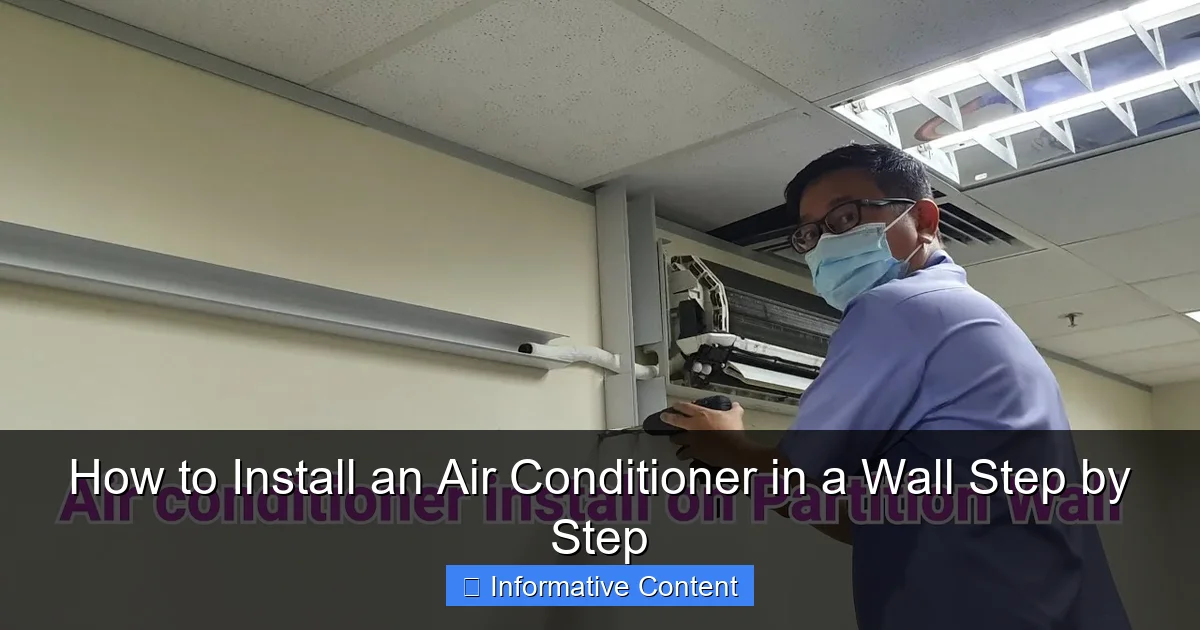
Visual guide about how to install a air conditioner in a wall
Image source: i.ytimg.com
Determine the Correct BTU Size
The size of your AC is measured in BTUs (British Thermal Units). This tells you how much cooling power it has. Too small, and it’ll struggle to cool the room. Too large, and it’ll cycle on and off too quickly, which wastes energy and doesn’t dehumidify well.
As a general rule:
- 150–250 sq. ft. → 6,000 BTUs
- 250–300 sq. ft. → 7,000 BTUs
- 300–350 sq. ft. → 8,000 BTUs
- 350–400 sq. ft. → 9,000 BTUs
- 400–450 sq. ft. → 10,000 BTUs
- 450–550 sq. ft. → 12,000 BTUs
For example, if you’re cooling a small bedroom or home office around 300 sq. ft., a 7,000–8,000 BTU unit is ideal. If you have high ceilings, large windows, or live in a hot climate, consider going one size up. I once installed a 7,000 BTU unit in a sunroom with three large windows—it barely made a dent! A 10,000 BTU unit fixed that problem.
Check the Wall Type and Structure
Not all walls are suitable for AC installation. You need a solid exterior wall that can support the weight and allow for proper drainage. Here’s what to look for:
- Exterior walls only: The unit must vent outside, so interior walls won’t work.
- Wood, brick, or concrete: These are all suitable, but installation methods differ.
- Avoid load-bearing walls: Check with a structural engineer if you’re unsure. Cutting into a critical support wall can be dangerous.
- No major obstructions: Make sure there are no pipes, wires, or ductwork behind the wall where you plan to cut.
Pro tip: Use a stud finder to map out studs and avoid cutting through them. If you hit a stud, you’ll need to shift the location or reinforce the area.
Pick a Through-the-Wall or Built-In Unit
There are two main types of wall ACs:
- Through-the-wall (TTW) units: Designed to be installed in a custom opening. They’re usually more powerful and energy-efficient but require a permanent cut in the wall.
- Built-in or wall sleeve units: Use a pre-made metal sleeve (often from older AC models). These are easier to install and replace but may be less efficient.
I prefer TTW units because they offer better airflow and quieter operation. But if you’re in a rental or want flexibility, a sleeve-style unit is a solid choice. Just make sure the sleeve is sealed properly—air leaks can reduce efficiency by up to 30%.
2. Gathering Tools and Safety Precautions
Now that you’ve picked your AC, it’s time to gather your tools. I’ve seen people try to cut corners (literally and figuratively) by skipping safety gear or using the wrong tools. Don’t be that person. A little preparation saves a lot of trouble later.
Essential Tools and Materials
Here’s what you’ll need:
- Measuring tape
- Stud finder
- Level
- Pencil
- Circular saw, reciprocating saw, or jigsaw (depending on wall material)
- Masonry chisel and hammer (for brick or concrete)
- Drill with masonry or wood bits
- Utility knife
- Caulk gun and exterior-grade sealant (like silicone or butyl rubber)
- Shims (wood or plastic)
- Insulation foam or rigid foam board
- Safety goggles, dust mask, work gloves
- Vacuum or brush (for cleanup)
- Electrical tester (to confirm power is off)
For example, if you’re working with brick, you’ll need a masonry bit and possibly a hammer drill. For wood siding, a circular saw with a wood blade will do. Always use the right tool for the job—trying to cut brick with a wood saw will ruin the blade and your patience.
Safety First: Protect Yourself and Your Home
Safety can’t be overstated. Here’s what I always do:
- Turn off power: If you’re drilling near electrical outlets or wiring, shut off the circuit breaker. Use a voltage tester to confirm.
- Wear PPE: Safety goggles protect your eyes from dust and debris. A dust mask (N95 or better) is essential when cutting masonry. Gloves prevent cuts and splinters.
- Secure the area: Lay down drop cloths to catch dust. Keep kids and pets out of the work zone.
- Check for hazards: Look for nails, pipes, or wires before cutting. If you’re unsure, call a pro to scan the wall.
One time, I was installing an AC in a basement and didn’t notice a water pipe behind the drywall. I drilled right into it—what a mess! A $20 stud finder with a metal detection mode would’ve saved me hours of cleanup.
Plan for Ventilation and Drainage
Wall ACs need to expel hot air and drain condensation. Make sure:
- The outdoor side has a clear path—no plants, fences, or debris blocking airflow.
- The unit is slightly tilted (about 1/4 inch) toward the outside to let water drain.
- There’s no risk of water pooling near the foundation or entering the house.
If the AC isn’t tilted, water can back up and damage the unit or cause mold. I once installed a unit perfectly level and had to redo it after a heavy rainstorm caused a small leak. Lesson learned: always tilt it!
3. Preparing the Wall and Cutting the Opening
This is where the real work begins. Cutting into your wall feels intimidating, but with careful planning, it’s totally doable. The key is precision—measure twice, cut once.
Mark and Measure the Opening
First, check your AC’s manual for the exact opening size. Most units need a slightly larger hole than the unit itself to allow for insulation and shims. For example, a 26-inch-wide AC might need a 26.5-inch opening.
- Use a level to draw a perfectly horizontal line for the top and bottom.
- Mark the sides, ensuring they’re plumb (vertically straight).
- Double-check all measurements. Even a 1/4-inch error can cause fit issues.
I like to tape a piece of cardboard to the wall with the outline drawn on it. This helps me visualize the opening and catch mistakes before cutting.
Cut Through the Exterior and Interior Layers
Now comes the cutting. Here’s how to do it based on your wall type:
- Vinyl or wood siding: Score the siding with a utility knife, then cut with a circular saw. Be careful not to damage adjacent panels.
- Brick or stucco: Use a masonry chisel and hammer to score the surface, then drill small pilot holes along the outline. Connect them with a hammer and chisel or a rotary tool with a masonry blade.
- Drywall or plaster: Cut with a drywall saw or utility knife. Start from the inside to avoid damaging the exterior finish.
Pro tip: Cut from the inside out. It’s easier to control the saw and less likely to crack the exterior material. Also, wear ear protection—cutting through brick is loud!
Remove Debris and Inspect the Cavity
Once the hole is cut, clean out all debris. Use a vacuum or brush to remove dust, old insulation, or loose material. Then, inspect the cavity:
- Are there any wires, pipes, or studs in the way?
- Is the framing sound? If not, reinforce it with wood or metal brackets.
- Does the opening slope slightly outward? If not, adjust it.
I once found a wasp nest in the wall cavity. Not fun. I had to wait a day for the exterminator, but better safe than stung!
4. Installing the Air Conditioner
Now for the exciting part—putting the AC in place! This step requires care to ensure a snug, secure fit and proper drainage.
Insert the Unit and Secure It
Carefully slide the AC into the opening from the outside. Most units have side rails or mounting brackets. Align them with the opening and push gently until the unit is flush with the exterior wall.
- Use shims to fill gaps and level the unit. Wood shims are cheap and easy to trim.
- Check with a level—both horizontally and vertically.
- Secure the unit with screws through the side rails into the wall framing.
If the unit feels loose, add more shims or use longer screws. A wobbly AC can vibrate, causing noise and wear over time.
Seal the Gaps and Insulate
Sealing is critical for efficiency and weather protection. Here’s how:
- Apply exterior-grade caulk around the edges on the outside. Use butyl rubber or silicone for flexibility.
- On the inside, fill gaps with spray foam or rigid foam board. Cut the foam to fit and press it in place.
- Cover the foam with a trim piece or caulk for a clean finish.
Don’t overfill with foam—it can expand and damage the unit. I once used too much and had to trim the excess with a knife. Lesson: go slow and check often.
Connect the Power (If Hardwired)
Some wall ACs plug into a standard outlet, but many require hardwiring. If yours does:
- Turn off the power at the breaker.
- Run a dedicated 20-amp circuit from your electrical panel to the AC location.
- Connect the wires (black to black, white to white, green to ground) inside the AC’s junction box.
- Secure the cover plate and label the breaker.
If you’re not comfortable with electrical work, hire a licensed electrician. A single mistake can be dangerous.
5. Testing, Adjusting, and Maintaining Your AC
Installation isn’t done until the unit is running smoothly. A few final checks ensure peak performance and longevity.
Test the Unit and Check for Leaks
Turn on the AC and let it run for 10–15 minutes. Listen for unusual noises and feel for airflow. Then:
- Check the outside for water drips. A small amount is normal, but pooling isn’t.
- Inspect the seals for gaps or cracks. Re-caulk if needed.
- Use a thermometer to compare inside and outside temps. A well-installed unit should cool the room quickly.
If the AC isn’t cooling well, check for:
- Blocked vents (indoor or outdoor)
- Low refrigerant (requires a pro)
- Dirty filters (clean or replace them)
Perform Regular Maintenance
Like any appliance, your wall AC needs care:
- Clean the filter monthly: A dirty filter restricts airflow and strains the motor.
- Clear the outdoor coils: Use a soft brush or vacuum to remove debris.
- Check the drain pan: Flush it with water and vinegar to prevent mold.
- Inspect seals annually: Replace cracked caulk or foam.
I clean my AC every spring and fall. It takes 20 minutes and saves me from breakdowns in peak season.
Optimize Energy Efficiency
To save money and extend the unit’s life:
- Set the thermostat to 72–75°F (22–24°C) in summer.
- Use a programmable or smart thermostat.
- Close blinds during the day to reduce heat gain.
- Run ceiling fans to circulate cool air.
One summer, I paired my AC with a ceiling fan and lowered my energy bill by 15%. Small changes add up!
6. Common Mistakes and How to Avoid Them
Even experienced DIYers make mistakes. Here are the most common ones—and how to avoid them.
Cutting the Opening Too Large or Too Small
Too large? You’ll need extra shims and insulation. Too small? You’ll have to widen the hole, which damages the wall. Always follow the manufacturer’s specs and measure carefully.
Skipping the Tilt
As mentioned earlier, a level AC can cause water damage. Always tilt it slightly outward.
Poor Sealing
Air leaks let in hot air and moisture. Use high-quality caulk and foam, and inspect the seals regularly.
Ignoring Electrical Safety
Never work on live wires. Turn off the power, test with a voltage tester, and use proper wire gauges.
Overlooking Local Codes
Some areas require permits for wall ACs, especially if you’re modifying the structure or adding electrical circuits. Check with your local building department.
Not Testing Before Finishing
Always test the AC before sealing it completely. You don’t want to redo the caulk because the unit isn’t working.
Data Table: Recommended BTUs and Wall Types
| Room Size (sq. ft.) | Recommended BTUs | Wall Type Suitability |
|---|---|---|
| 150–250 | 6,000 | Wood, vinyl, brick |
| 250–300 | 7,000 | Wood, vinyl, brick, stucco |
| 300–350 | 8,000 | All exterior walls |
| 350–400 | 9,000 | All exterior walls (avoid load-bearing) |
| 400–450 | 10,000 | Reinforced wood, concrete, brick |
| 450–550 | 12,000 | Concrete, reinforced brick |
Installing an air conditioner in a wall is a rewarding project that pays off in comfort and energy savings. It’s not the easiest DIY job, but with the right tools, patience, and attention to detail, it’s absolutely achievable. I’ve installed three wall ACs in my time, and each one taught me something new—from the importance of sealing to the value of a good stud finder.
Remember, the key is preparation. Choose the right unit, plan your cut carefully, and never rush the sealing or electrical steps. And if you’re ever unsure, don’t hesitate to call a pro. A $100 consultation can save you thousands in repairs.
Once your AC is in, sit back, enjoy the cool air, and feel proud of what you’ve accomplished. You’ve not only upgraded your home’s comfort—you’ve also gained a valuable skill. Next summer, when the heat hits, you’ll be ready. And who knows? Maybe you’ll even help a friend install theirs. After all, nothing beats sharing cool air—and cool tips.
Frequently Asked Questions
How do I prepare my wall for an air conditioner installation?
Before installing an air conditioner in a wall, ensure the wall is structurally sound and can support the unit’s weight. You’ll need to locate studs, avoid electrical wiring or plumbing, and choose a spot with proper ventilation and access to the outside.
What tools do I need to install an air conditioner in a wall?
Essential tools include a stud finder, level, drill, reciprocating saw, measuring tape, and screwdriver. You may also need a hammer, shims, and weatherproofing materials like foam sealant to secure and insulate the unit properly.
Can I install a wall air conditioner by myself?
While DIY installation is possible for experienced homeowners, it’s recommended to hire a professional if you’re unsure about electrical connections or structural modifications. Improper installation can lead to leaks, poor cooling, or safety hazards.
How do I ensure proper drainage when installing an AC in a wall?
Proper drainage is critical—tilt the unit slightly downward (about 1/4 inch) toward the outside to allow condensation to flow out. Use a drain kit if required and check that the outdoor side has a clear path for water runoff.
Do I need a special electrical circuit for a wall air conditioner?
Yes, most wall-mounted air conditioners require a dedicated 220-volt circuit to operate safely and efficiently. Consult an electrician to verify your home’s electrical capacity and ensure compliance with local building codes.
How do I seal and insulate around a wall air conditioner?
After mounting the unit, seal gaps with expanding foam or caulk to prevent air leaks and improve energy efficiency. Add insulation around the sleeve if needed, and install an exterior cover or grille to protect against weather and debris.