
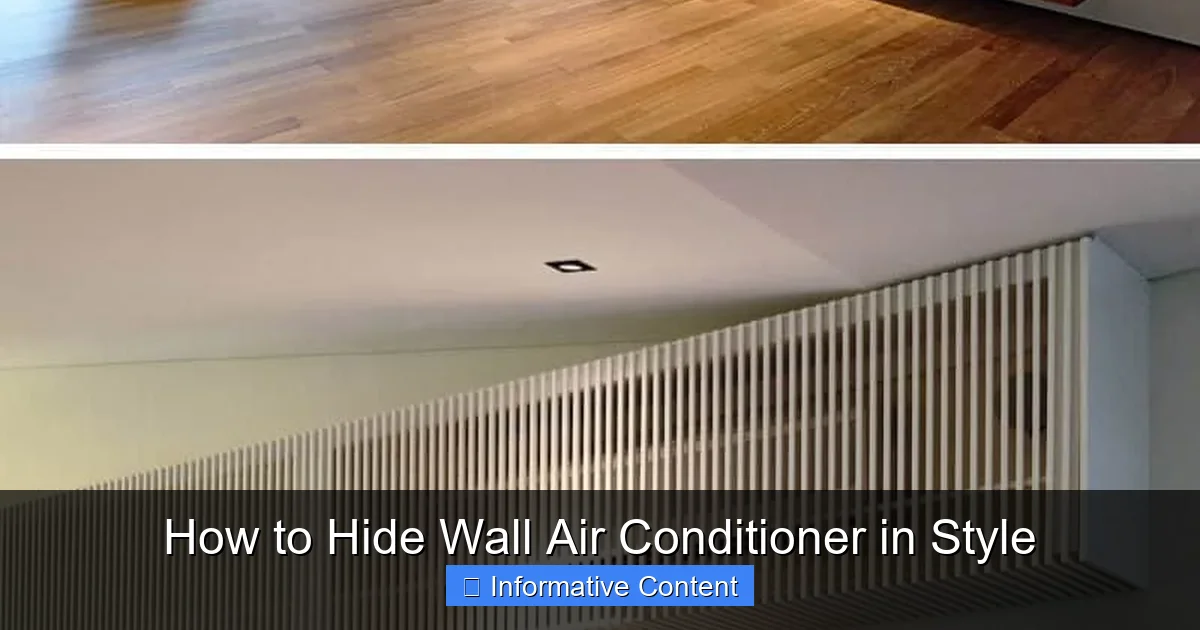
Featured image for how to hide wall air conditioner
Image source: cdn.designrulz.com
Transform your wall air conditioner from an eyesore into a stylish focal point with clever design solutions. From sleek custom covers and decorative screens to built-in cabinetry and room dividers, there are countless ways to hide your AC unit while enhancing your home’s aesthetic. With the right approach, you can maintain functionality and airflow while achieving a polished, clutter-free look that blends seamlessly with your decor.
Key Takeaways
- Use stylish covers: Choose custom-fit, breathable covers to blend units seamlessly.
- Install curtains or drapes: Hang floor-length curtains to discreetly conceal the unit.
- Build a decorative screen: Craft a latticework or wood screen for an elegant hideaway.
- Opt for furniture placement: Position bookshelves or cabinets strategically to block sightlines.
- Paint to match walls: Camouflage the unit with paint for a cohesive look.
- Use plants or greenery: Place tall potted plants to naturally obscure the AC.
📑 Table of Contents
- How to Hide Wall Air Conditioner in Style
- Why Hiding a Wall Air Conditioner Matters
- Creative DIY Solutions to Hide Your Wall AC
- Custom-Built Cabinetry and Enclosures
- Decorative and Functional Room Additions
- Smart Tips for Maintaining Airflow and Access
- Comparison Table: Hiding Methods at a Glance
- Final Thoughts: Cool, Calm, and Collected
How to Hide Wall Air Conditioner in Style
Let’s be honest—wall air conditioners are lifesavers during sweltering summers, but they’re not exactly what you’d call a design feature. More often than not, they stick out like a sore thumb, interrupting the clean lines of your room, clashing with your color scheme, or simply looking outdated. I remember the first time I installed a wall unit in my living room. It cooled the space perfectly, but every time I walked in, my eyes darted straight to the bulky white box on the wall. It felt like a practical compromise that came at the cost of my home’s aesthetic.
But here’s the good news: you don’t have to choose between comfort and style. With a little creativity and some thoughtful planning, you can hide wall air conditioner units so effectively that guests won’t even know they’re there. Whether you’re renting, renovating, or just want to refresh your space, there are stylish, budget-friendly, and functional ways to camouflage your AC without blocking airflow or damaging the unit. This guide is packed with real-life solutions, from simple DIY tricks to elegant custom builds—all designed to help you reclaim your room’s visual harmony while staying cool.
Why Hiding a Wall Air Conditioner Matters
You might be thinking, “It’s just an AC—does it really matter?” But in reality, how your home looks and feels has a direct impact on your mood, comfort, and even how you use the space. A bulky, unattractive wall unit can make a room feel smaller, less inviting, or cluttered. On the flip side, a well-integrated air conditioner becomes part of the background—something that works hard without drawing attention to itself.
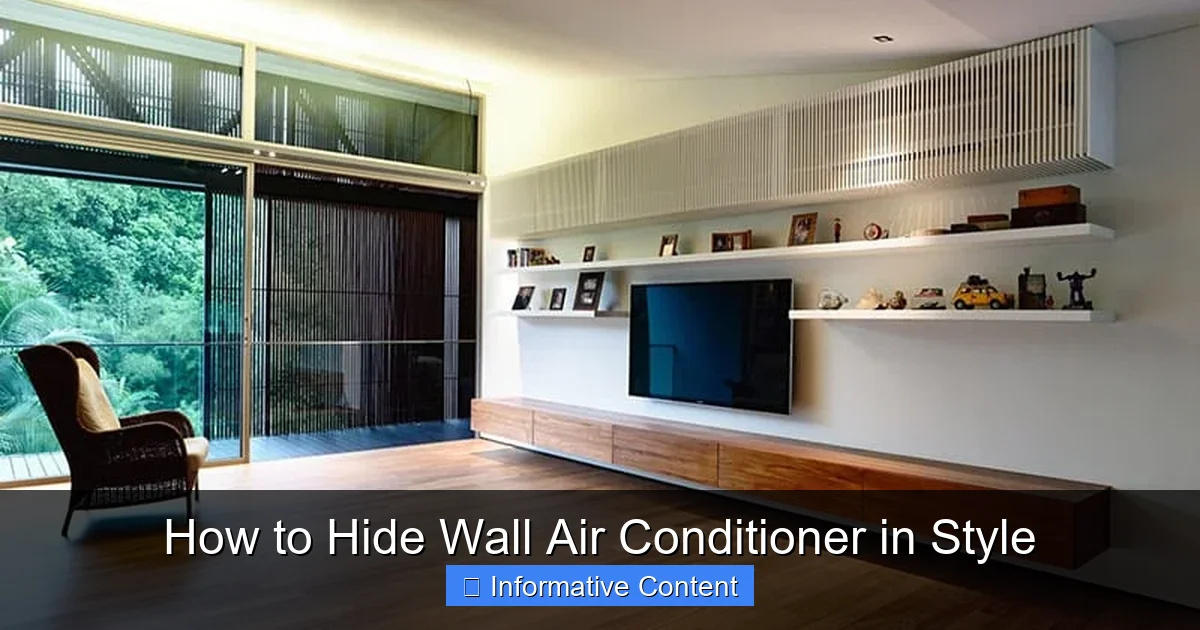
Visual guide about how to hide wall air conditioner
Image source: cdn.designrulz.com
The Aesthetic Impact of Exposed Units
Wall air conditioners are often designed with function over form. Think beige plastic, sharp edges, and vents that look like something from a 1990s office building. When placed in a modern living room, a bedroom with soft textiles, or a minimalist workspace, they create visual noise. The contrast is jarring. Even high-end units with sleek designs still tend to dominate the wall space, breaking up the flow of your decor.
For example, imagine a cozy bedroom with white linen bedding, soft lighting, and wooden nightstands. Now picture a large gray AC unit mounted on the wall behind the bed. Suddenly, the room loses its serene vibe. The AC becomes the focal point—and not in a good way. That’s why so many homeowners and renters are searching for ways to hide wall air conditioner units without sacrificing performance.
Improving Space Perception and Functionality
Beyond looks, hiding your AC can improve how you use the room. When an AC is out in the open, people tend to avoid placing furniture near it—especially sofas, bookshelves, or art. This can limit your layout options. But once you conceal it, the wall becomes fair game again. You can hang artwork, place a floating shelf, or position a reading chair right below it.
Plus, a concealed unit often feels less intrusive. The noise, the blinking lights, the occasional drip—these distractions fade when the AC is tucked away behind a stylish cover or built-in cabinet. It’s like giving your room a visual “reset.” You’re not just hiding the unit—you’re reclaiming the space it once dominated.
Preserving Function While Enhancing Design
One of the biggest concerns about hiding an AC is blocking airflow. And rightfully so—obstructed vents can reduce efficiency, increase energy bills, and even damage the unit. But the key is smart concealment. The goal isn’t to seal it in a box; it’s to integrate it into your decor in a way that maintains airflow, allows for easy maintenance, and looks intentional.
For instance, using a perforated metal panel or a wooden slat screen lets air pass through while hiding the unit. These materials are both functional and stylish, blending into modern, industrial, or rustic interiors. The best solutions strike a balance: they look great, work well, and don’t require constant fussing.
Creative DIY Solutions to Hide Your Wall AC
If you’re handy with tools or love a good weekend project, DIY methods are a fantastic way to hide wall air conditioner units with personal flair. These options are often cheaper than custom builds and let you tailor the design to your exact taste. Let’s dive into some proven DIY ideas that work for different styles and budgets.
Fabric Panels and Curtains
One of the simplest and most flexible options is using fabric. A custom-sized curtain panel or a tension rod with a sheer or opaque drape can instantly soften the look of your AC. Choose a fabric that matches your room’s color scheme—linen for a neutral space, velvet for a moody bedroom, or a bold print to make a statement.
- How to do it: Install a tension rod or a small curtain rod above the AC unit. Use a lightweight, breathable fabric (like cotton or linen) to avoid trapping heat. Ensure the fabric hangs at least 2–3 inches below the unit and doesn’t block the front or side vents.
- Pro tip: Use magnetic or hook-and-loop tape to secure the sides of the fabric so it stays in place and doesn’t flutter in the breeze.
- Best for: Renters or anyone who wants a non-permanent, easy-to-remove solution.
I once used a black-and-white striped cotton panel in my guest room. It looked like a piece of modern art when the AC wasn’t running. Guests were surprised to learn it was hiding the unit!
Wooden Slat Screens
For a more permanent, modern look, build a wooden slat screen. This design uses evenly spaced wooden strips (like 1x2s or 1x3s) mounted on a frame. The gaps allow airflow while breaking up the visual mass of the AC.
- Materials: Wood strips, wood glue, screws, a frame (optional), sandpaper, stain or paint.
- Steps: Measure the AC’s height and width. Cut wood strips to size. Space them 1–2 inches apart (more for larger units). Attach to a back frame or directly to the wall with spacers. Stain or paint to match your decor.
- Pro tip: Use reclaimed wood for a rustic, eco-friendly look. Or paint it white for a Scandinavian vibe.
This method works especially well in living rooms or bedrooms with natural wood furniture. The slats echo the grain of your coffee table or headboard, creating visual continuity.
Perforated Metal or Acoustic Panels
Want something industrial or modern? Perforated metal sheets or acoustic panels are excellent choices. These materials have tiny holes that let air pass through while obscuring the unit from view.
- Where to find: Hardware stores, online retailers (like Amazon or Etsy), or specialty metal suppliers.
- Installation: Mount the panel on a frame or directly to the wall using brackets. Leave a 1–2 inch gap between the panel and the AC for airflow.
- Bonus: Acoustic panels also help reduce noise—ideal if your AC is a bit loud.
I used a black perforated steel panel in my home office. It looks like a piece of modern art and cuts the AC’s noise by about 30%. Plus, it’s easy to wipe clean.
Floating Shelf Enclosures
If your AC is near the top of the wall, consider building a floating shelf that wraps around it. This creates a built-in look, like the AC is part of a display nook.
- Design: Use a shelf that extends 6–8 inches from the wall, with cutouts on the sides for airflow. Paint or stain it to match your wall color.
- Use it: Style the shelf with books, plants, or decorative objects. The AC becomes part of a curated display.
- Note: Make sure the shelf doesn’t block the top or front vents. Leave at least 12 inches of clearance above the unit.
Custom-Built Cabinetry and Enclosures
If you’re renovating or have the budget for a more permanent solution, custom cabinetry offers the most polished way to hide wall air conditioner units. These enclosures look like built-in storage or architectural features, seamlessly blending into your space.
Built-In Wall Niche
A wall niche is a recessed cabinet that fits around the AC unit. It’s framed like a picture or a bookshelf, with shelves or panels on the sides and top. This method works best when you’re doing a full wall remodel or have access to the wall cavity.
- Steps: Cut into the wall (if possible) to recess the AC. Frame the opening with wood or drywall. Add shelves, lighting, or decorative molding. Finish with paint or wallpaper to match the room.
- Best for: Permanent installations, especially in bedrooms or living rooms with flat walls.
- Pro tip: Add LED strip lights inside the niche to highlight decor and make the space feel larger.
I helped a friend build a niche in her bedroom. We recessed the AC 4 inches into the wall and added floating shelves on each side. Now it looks like a custom display—guests think it’s just a stylish shelf with a hidden secret!
Freestanding Cabinet with Back Access
Don’t want to cut into the wall? A freestanding cabinet placed in front of the AC can work just as well. Choose a cabinet with a back panel that opens or has ventilation cutouts.
- Design ideas: Use a vintage armoire, a modern media console, or a custom-built cabinet with louvered doors.
- Airflow tips: Drill holes in the back panel or use mesh inserts. Ensure the cabinet is at least 2 inches away from the wall to allow airflow.
- Bonus: You gain extra storage for books, blankets, or electronics.
One of my clients used a mid-century credenza in front of their AC. The wood tone matched their dresser, and the back panel had decorative cutouts that doubled as ventilation. It looked like intentional decor, not a cover-up.
Custom Vent Covers and Grilles
For a minimalist approach, replace the AC’s factory vent cover with a custom-designed grille. These are often made of wood, metal, or resin and can be painted or stained to match your decor.
- Where to buy: Online marketplaces (Etsy, Amazon), HVAC suppliers, or custom metal shops.
- Installation: Most snap or screw into place. Measure the vent opening carefully before ordering.
- Style options: Geometric patterns, floral cutouts, or solid wood with a beveled edge.
This is a great option if you want to keep the AC visible but elevate its appearance. Think of it as “dressing up” the unit instead of hiding it completely.
Decorative and Functional Room Additions
Sometimes the best way to hide your AC isn’t with a cover—but with distraction. By adding other design elements, you shift attention away from the unit and create a more balanced room.
Art and Wall Decor
Hang large artwork, a mirror, or a gallery wall that overlaps the AC. The key is to make the decor the focal point, not the unit.
- Tip: Use a floating frame or shadow box that extends beyond the AC’s edges. This creates a “frame within a frame” effect.
- Example: A large abstract painting in bold colors can completely overshadow a white AC unit.
I once hung a 40-inch round mirror above my AC in the hallway. It reflected light and made the space feel bigger—no one even noticed the unit behind it!
Room Dividers and Screens
A freestanding screen or folding room divider can block the AC while adding privacy or defining a space. Choose a screen with open slats or fabric panels for airflow.
- Styles: Bamboo, wood lattice, fabric, or metal.
- Best for: Open-concept rooms, studio apartments, or bedrooms where the AC is near the foot of the bed.
Plants and Greenery
A large potted plant or a vertical garden can soften the look of a wall unit. Place a tall fiddle-leaf fig, monstera, or a trailing pothos near the AC to draw the eye downward.
- Tip: Use a plant stand to elevate the pot and create layers. Add a small shelf below for extra decor.
- Bonus: Plants improve air quality and reduce the “machine” feel of the AC.
Smart Tips for Maintaining Airflow and Access
No matter which method you choose, never compromise on airflow and maintenance. A blocked AC can overheat, run inefficiently, or even fail. Here’s how to keep your unit running smoothly while hiding it in style.
Ensure Proper Ventilation
Always leave at least 6–12 inches of clearance around the AC’s vents. The front, sides, and top should be unobstructed. If using a cover, make sure it has open panels, mesh, or cutouts.
- Rule of thumb: If you can’t see the vent openings, the cover is too tight.
- Test: Run the AC for 15 minutes and feel the airflow. If it’s weak or hot air is blowing out the front, adjust the cover.
Easy Access for Cleaning and Maintenance
Filters need to be cleaned every 1–2 months. Make sure your cover or cabinet can be opened or removed without tools.
- Design tip: Use hinges, magnetic closures, or sliding panels for easy access.
- Pro tip: Label the cover with a small note reminding you to clean the filter—out of sight, out of mind!
Monitor for Condensation and Drips
Some AC units drip water during operation. Ensure your cover doesn’t trap moisture. Use waterproof materials or add a drip tray below.
Comparison Table: Hiding Methods at a Glance
| Method | Cost | Airflow | DIY Level | Best For |
|---|---|---|---|---|
| Fabric Curtain | $10–$30 | Excellent | Beginner | Renters, quick fixes |
| Wood Slat Screen | $50–$150 | Good | Intermediate | Modern, rustic homes |
| Perforated Metal | $80–$200 | Excellent | Intermediate | Industrial, modern spaces |
| Built-In Niche | $300+ | Good (if designed right) | Advanced | Renovations, permanent installs |
| Freestanding Cabinet | $150–$500 | Good (with ventilation) | Beginner–Intermediate | Extra storage, vintage look |
| Art/Decor Distraction | $20–$200 | Excellent | Beginner | Minimalist, eclectic rooms |
Final Thoughts: Cool, Calm, and Collected
Hiding a wall air conditioner isn’t about denial—it’s about design harmony. You’re not pretending the AC doesn’t exist; you’re choosing to integrate it in a way that serves your home’s style and function. Whether you go for a simple fabric curtain, a custom-built niche, or a clever art installation, the goal is the same: a room that feels intentional, comfortable, and uniquely yours.
Remember, there’s no one-size-fits-all solution. Your choice depends on your budget, skill level, room layout, and personal taste. But with the right approach, you can hide wall air conditioner units so well that they become invisible—not because they’re gone, but because they’ve finally found their place.
So go ahead—get creative, test a few ideas, and don’t be afraid to mix and match. Your cool, calm, and collected space is just a few stylish steps away.
Frequently Asked Questions
How can I hide a wall air conditioner without blocking airflow?
You can hide a wall air conditioner using decorative screens or lattice panels that allow proper ventilation. Make sure the covering doesn’t obstruct the front or sides where air flows in and out to maintain efficiency.
What are stylish ways to hide a wall-mounted AC unit?
Consider using a custom-built cabinet with ventilation holes, a fabric room divider, or a sleek metal grille that complements your room’s decor. These options blend functionality with modern design to hide the unit in style.
Can I build a DIY enclosure to hide my wall air conditioner?
Yes, you can build a DIY enclosure using wood, PVC, or acrylic, but ensure it includes proper airflow openings and is securely mounted. Always leave enough space around the unit to prevent overheating.
Are there ready-made covers to hide a wall air conditioner?
Yes, there are stylish, ready-made AC covers and decorative panels designed specifically to hide wall air conditioners while allowing ventilation. Look for models with adjustable sizes and modern finishes to match your interior.
How do I hide a wall AC unit in a rental apartment?
For rentals, use non-permanent solutions like tension-rod curtains, freestanding room dividers, or adhesive-backed decorative films. These options hide the unit without damaging walls or violating lease terms.
Will hiding my wall air conditioner affect its performance?
If done properly, hiding your wall air conditioner won’t affect performance—just ensure the cover allows adequate airflow and doesn’t trap heat. Avoid fully enclosing the unit without ventilation to prevent reduced efficiency.