

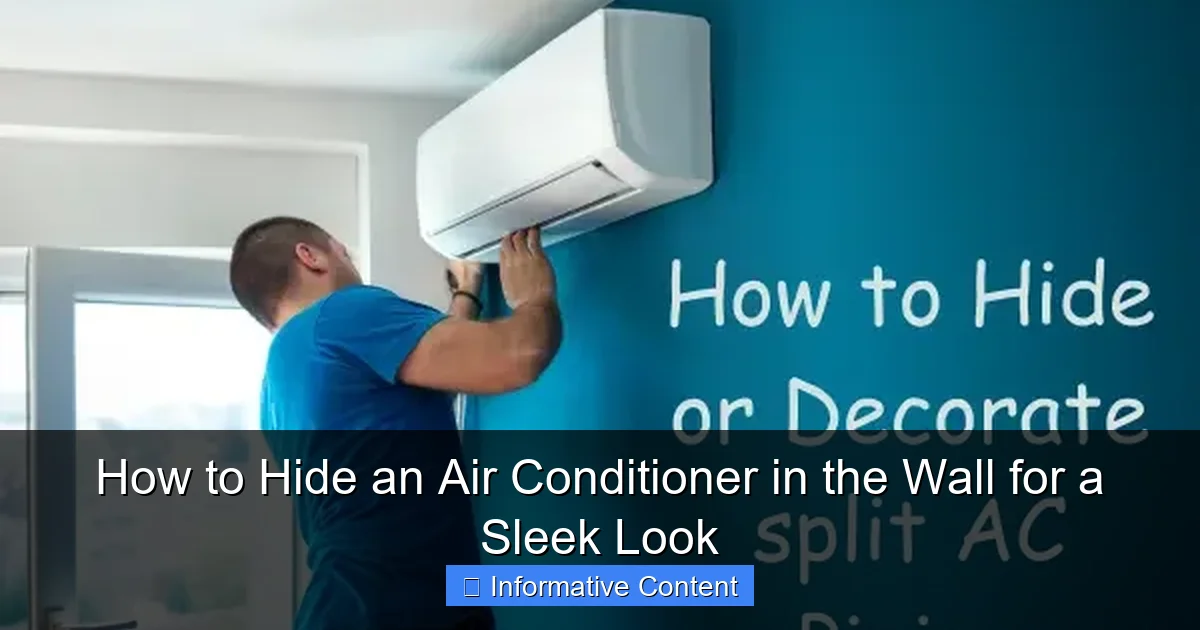
Featured image for how to hide an air conditioner in the wall
Image source: indoorclime.com
Hiding an air conditioner in the wall creates a seamless, clutter-free look while maintaining optimal cooling performance. By building a recessed wall cavity with proper ventilation and access panels, you can conceal the unit completely without sacrificing efficiency or ease of maintenance. This smart upgrade blends function with modern interior design.
Key Takeaways
- Plan carefully: Measure your AC unit and wall space before starting any modifications.
- Ensure proper ventilation: Never block airflow; maintain clear intake and exhaust paths.
- Use a custom enclosure: Build or install a vented cover that blends with your wall design.
- Prioritize accessibility: Design panels or doors for easy maintenance and filter changes.
- Insulate around the unit: Prevent thermal loss and reduce noise with proper wall insulation.
- Check local codes: Verify building and electrical regulations before cutting into walls.
📑 Table of Contents
- Why Hiding Your Air Conditioner in the Wall is a Game-Changer
- 1. Assessing Your Space and Air Conditioner Type
- 2. Planning and Design: Creating a Seamless Look
- 3. Step-by-Step Installation Guide
- 4. Creative Solutions and Design Hacks
- 5. Maintenance and Long-Term Care
- 6. Pros, Cons, and Cost Breakdown
- Final Thoughts: Is It Worth It?
Why Hiding Your Air Conditioner in the Wall is a Game-Changer
Let’s be honest—air conditioners are functional, but they’re not exactly pretty. Whether you’re dealing with a bulky window unit or a wall-mounted split system, these appliances can clash with your decor faster than mismatched socks. I remember the first time I tried to style my living room around a window AC unit. I bought a custom-sized shelf, draped a patterned scarf over it, and even added a potted plant—only to realize it still screamed “appliance, not art.”
The good news? You don’t have to sacrifice aesthetics for comfort. Hiding an air conditioner in the wall is a smart, stylish solution that blends functionality with design. Whether you’re renovating, building new, or just tired of staring at an eyesore, this guide will walk you through how to hide an air conditioner in the wall—safely, effectively, and without turning your home into a construction zone. From planning to execution, we’ll cover everything you need to know to achieve that sleek, minimalist look you’ve been dreaming of.
1. Assessing Your Space and Air Conditioner Type
Before you grab a sledgehammer or call a contractor, take a step back. Not every air conditioner is a candidate for wall concealment, and not every wall is suitable. Let’s break this down.
Visual guide about how to hide an air conditioner in the wall
Image source: justwebworld.com
Know Your AC Unit: Split vs. Window vs. Ductless
The first step is identifying your AC type. Here’s a quick rundown:
- Split System (Ductless Mini-Split): The most wall-friendly option. The indoor unit mounts on the wall, and the outdoor unit sits outside. These are ideal for concealment because they’re compact and designed to be wall-mounted.
- Window Unit: Bulky and heavy, these sit in or on a window. Hiding them in the wall is possible but requires major structural work and is rarely worth the effort unless you’re doing a full renovation.
- Through-the-Wall Unit: Designed to sit in a wall sleeve. These can be partially or fully concealed with custom framing and finishes.
Pro Tip: If you’re starting from scratch, a ductless mini-split is your best bet. They’re energy-efficient, quiet, and perfect for built-in concealment.
Evaluate Your Wall Structure
Not all walls are created equal. Here’s what to check:
- Load-Bearing vs. Non-Load-Bearing: Never cut into a load-bearing wall unless you have an engineer’s approval. These walls support the structure of your home. If you’re unsure, consult a professional.
- Insulation and Utilities: Use a stud finder with a deep-scan mode to detect pipes, wires, or insulation. Hitting a water line or electrical conduit is a nightmare you want to avoid.
- Wall Thickness: Most interior walls are 4–6 inches thick. Your AC unit’s depth must fit within this space, or you’ll need to build out a niche.
Real-World Example: A reader once tried to hide a 7-inch-deep mini-split in a 5-inch wall. The result? A protruding unit that looked like it was trying to escape. Measure twice, cut once!
Climate and Ventilation Considerations
Air conditioners need airflow to function. Concealing them improperly can lead to poor performance or even damage. Ask yourself:
- Is there enough clearance for air intake and exhaust?
- Will the concealed space trap heat, reducing efficiency?
- Can you access filters and maintenance panels without tearing out the wall?
Key Rule: Always follow the manufacturer’s clearance guidelines. Most units need at least 6–12 inches of clearance on the sides and top for optimal airflow.
2. Planning and Design: Creating a Seamless Look
Now that you’ve assessed your space, it’s time to design a concealment strategy. This isn’t just about hiding the AC—it’s about integrating it into your decor.
Choose a Concealment Method
There are three main ways to hide an air conditioner in the wall:
- Built-In Niche: Cut a hole in the wall and frame a custom cavity. This works best for mini-splits or through-the-wall units. You can finish it with drywall, wood, or tile for a seamless look.
- False Wall (Baffle): Build a shallow wall in front of the AC unit. This adds depth and can double as a display shelf or art ledge.
- Furniture or Cabinet Integration: Use a custom cabinet, bookshelf, or media unit to surround the AC. This works well in living rooms or bedrooms where furniture is already present.
Example: A homeowner in Austin used a floor-to-ceiling bookshelf to hide their mini-split. They left the front open for airflow but added decorative grilles to diffuse the vents. The result? A cozy reading nook with no AC in sight.
Select Materials and Finishes
The materials you choose will determine how “invisible” the AC becomes:
- Drywall: Cheap and easy to match to existing walls. Use a drywall lift for large panels.
- Wood: Adds warmth and texture. Great for a modern farmhouse or Scandinavian look.
- Tile or Stone: Ideal for bathrooms or high-moisture areas. Use non-porous materials to prevent condensation.
- Metal Grilles: For airflow, use decorative metal grilles (like those from Architectural Grille or Reggio Registers). Choose a finish that matches your hardware—brass, matte black, or brushed nickel.
Pro Tip: Paint your concealment structure the same color as the wall for a truly seamless effect. Use matte paint to reduce glare.
Plan for Accessibility
Remember: You’ll need to clean filters, check refrigerant lines, and service the unit. Design your concealment with access in mind:
- Install a removable panel or magnetic access door.
- Use hinges or sliding mechanisms for larger cabinets.
- Label the access point (e.g., “AC Filter Access”) to avoid confusion later.
Warning: Don’t seal the AC in a way that requires demolishing the wall for repairs. Trust me—you’ll regret it when the unit fails in August.
3. Step-by-Step Installation Guide
Ready to get your hands dirty? Here’s how to hide an air conditioner in the wall, whether you’re DIY-ing or hiring help.
Step 1: Turn Off Power and Water
Safety first! Shut off the circuit breaker for the AC unit. If you’re near plumbing, turn off the water supply. Use a non-contact voltage tester to confirm the power is off.
Step 2: Mark and Cut the Opening
- Use a stud finder to mark the edges of the wall cavity.
- Draw the outline of the AC unit (plus clearance) on the wall.
- Cut along the outline with a reciprocating saw or drywall knife. For wood walls, use a jigsaw.
Tip: Start with a small pilot hole to check for hidden obstacles. Better to make a tiny hole than a big mistake.
Step 3: Frame the Niche
- Install 2×4 lumber to create a frame inside the cavity. Secure it to the studs with screws.
- Add horizontal braces to support the AC unit’s weight.
- For a false wall, build a 2×4 frame in front of the existing wall and secure it with screws.
Example: A DIYer in Seattle used reclaimed barn wood for the frame. The rough texture added character while hiding the AC.
Step 4: Install the Air Conditioner
- Follow the manufacturer’s instructions to mount the unit.
- Connect refrigerant lines, drain pipes, and electrical wiring. Use a licensed HVAC pro for this step—refrigerant work requires certification.
- Test the unit before closing up the wall.
Critical Check: Ensure the unit is level. A tilted AC can cause water leaks or vibration.
Step 5: Finish the Concealment
- Attach drywall, wood, or tile to the frame. For drywall, use joint compound and sand smooth.
- Install decorative grilles over vents (leave gaps for airflow).
- Add trim or molding to blend with the room’s style.
Pro Tip: Use a paintable caulk to seal gaps between the concealment and wall. It hides seams and prevents dust buildup.
4. Creative Solutions and Design Hacks
Want to take your concealment to the next level? These ideas blend function with flair.
Use Mirrors or Art to Camouflage
A large mirror or artwork can hide the AC while reflecting light. Use a lightweight, frameless mirror to avoid adding bulk. For art, choose a piece with a grid pattern—it’ll disguise the vents.
Integrate with Built-Ins
Combine the AC concealment with other built-ins:
- Media Unit: Hide the AC behind a TV console. Use open shelving on the sides for airflow.
- Wardrobe or Closet: In bedrooms, build a shallow cabinet that doubles as a clothes rack.
- Kitchen Pantry: Use a false wall in the kitchen to hide a mini-split near a breakfast nook.
Real-World Example: A couple in Chicago used a custom pantry cabinet to hide their AC. They added a chalkboard door for grocery lists—functional and stylish!
Lighting Tricks
Strategic lighting can distract from the AC:
- Install LED strip lights behind the concealment to create a glow.
- Use a picture light to illuminate art placed over the unit.
- Add a small shelf with decorative objects to draw the eye upward.
Smart Home Integration
Pair your concealed AC with smart tech:
- Use a smart thermostat to control the unit remotely.
- Install motion sensors to turn the AC off when the room is empty.
- Sync with voice assistants (Alexa, Google Home) for hands-free control.
Note: Ensure your concealment doesn’t block Wi-Fi or sensor signals.
5. Maintenance and Long-Term Care
Hiding your AC doesn’t mean neglecting it. Regular maintenance keeps it running smoothly and prevents costly repairs.
Schedule Routine Checks
Create a maintenance calendar:
- Monthly: Clean or replace filters.
- Quarterly: Check refrigerant lines for leaks.
- Annually: Schedule a professional tune-up.
Tip: Set phone reminders or use a smart home app to track maintenance.
Clean the Concealment Structure
- Wipe down grilles and vents with a microfiber cloth.
- Use a vacuum with a brush attachment to remove dust from the cavity.
- For wood or tile, follow the manufacturer’s cleaning guidelines.
Warning: Never spray water directly into the AC unit. Use a damp cloth instead.
Monitor for Issues
Watch for these red flags:
- Reduced airflow (clogged vents or filters).
- Water leaks (check drain pipes and connections).
- Unusual noises (loose parts or failing motor).
Pro Tip: Keep a small toolkit (screwdriver, level, flashlight) near the access panel for quick fixes.
6. Pros, Cons, and Cost Breakdown
Let’s weigh the benefits and drawbacks of hiding an air conditioner in the wall.
Advantages
- Aesthetic Appeal: Creates a clean, uncluttered look.
- Space-Saving: Frees up floor space and reduces visual clutter.
- Noise Reduction: Concealment can dampen AC noise by up to 30%.
- Increased Home Value: A sleek design can boost resale value.
Challenges
- Upfront Cost: Custom framing and finishes can be expensive.
- Complexity: Requires careful planning and professional help for HVAC work.
- Accessibility: Poor design can make maintenance a headache.
- Structural Risks: Mistakes can damage walls or utilities.
Cost Comparison Table
| Method | DIY Cost (USD) | Professional Cost (USD) | Best For |
|---|---|---|---|
| Built-In Niche | $200–$500 | $800–$2,000 | Mini-splits, through-the-wall units |
| False Wall | $100–$300 | $500–$1,500 | Small spaces, rental-friendly |
| Furniture Integration | $300–$800 | $1,000–$3,000 | Living rooms, bedrooms |
Note: Costs vary by region, materials, and labor rates. Always get multiple quotes.
Final Thoughts: Is It Worth It?
Hiding an air conditioner in the wall isn’t just a design trick—it’s a way to reclaim your space. Whether you’re a DIY enthusiast or prefer to hire a pro, the key is planning. Measure carefully, choose materials that complement your decor, and always prioritize accessibility and airflow.
I’ll leave you with this: A friend once told me, “If you can’t make it beautiful, make it disappear.” With these tips, you can do both. Your AC will work harder, quieter, and more stylishly than ever. So grab your tools (or your contractor’s number), and get started. That sleek, minimalist look you’ve been dreaming of? It’s just a few cuts and caulk lines away.
Frequently Asked Questions
Can I really hide an air conditioner in the wall without damaging it?
Yes, you can hide an air conditioner in the wall using a recessed or built-in enclosure, but it requires proper ventilation and adherence to manufacturer guidelines. Always consult a professional to avoid blocking airflow or violating safety codes.
What’s the best way to hide an air conditioner in the wall for a seamless look?
The most effective method is installing a custom wall sleeve or cabinet that matches your interior design, allowing the unit to blend into the wall. Use slatted covers or decorative panels to maintain airflow while achieving a sleek, hidden appearance.
Do I need a professional to install a wall-hidden air conditioner?
Yes, unless you’re experienced with HVAC and electrical work, hiring a professional ensures safe installation, proper venting, and compliance with local building codes. This is especially critical when modifying walls or concealing the unit.
How do I hide an air conditioner in the wall without losing efficiency?
Maintain efficiency by ensuring the hidden unit has adequate clearance for airflow and using louvered or mesh panels to prevent obstruction. Never fully seal the unit—prioritize ventilation to avoid overheating.
Are there ready-made kits to hide an air conditioner in the wall?
Yes, many brands offer wall-sleeve kits or recessed AC covers designed for easy installation and a clean look. These kits often include frames, grilles, and mounting hardware tailored to specific unit sizes.
Can I hide a window air conditioner in the wall instead?
Window units aren’t designed for in-wall installation, but you can create a custom enclosure with proper support, drainage, and ventilation. Always check the manufacturer’s specs to avoid voiding warranties or creating safety hazards.