
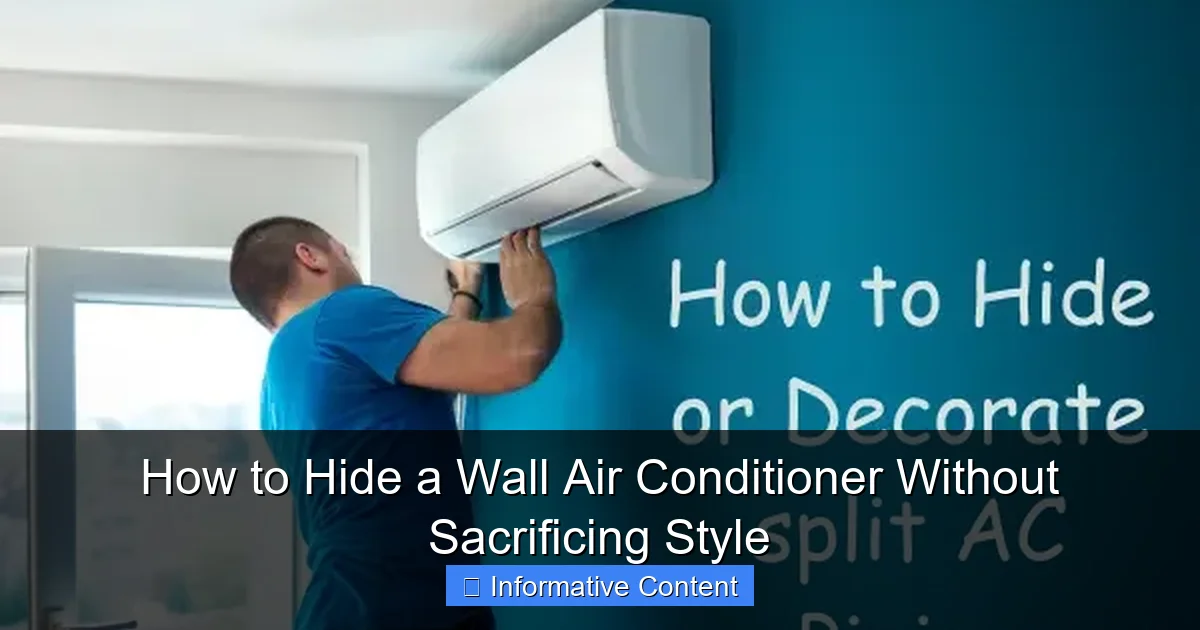
Featured image for how to hide a wall air conditioner
Image source: justwebworld.com
Transform your wall air conditioner from an eyesore to a stylish feature with clever design hacks like custom covers, decorative screens, or built-in cabinetry that blend seamlessly with your decor. Prioritize airflow and accessibility while using materials like wood, metal, or fabric to match your aesthetic—proving function and fashion can coexist effortlessly.
Key Takeaways
- Choose sleek covers: Opt for modern, ventilated AC covers that blend with your decor.
- Use room dividers: Position stylish screens or plants to discreetly block the unit.
- Install curtains or drapes: Hang floor-length fabric to conceal the AC when not in use.
- Match wall colors: Paint the unit or cover to match your wall for seamless integration.
- Add floating shelves: Place shelves above to draw attention away from the AC.
- Try custom cabinetry: Build a built-in cabinet with proper ventilation for a polished look.
📑 Table of Contents
- How to Hide a Wall Air Conditioner Without Sacrificing Style
- Why Hiding Your Wall Air Conditioner Matters
- Creative DIY Solutions to Hide Your Wall Air Conditioner
- Built-In and Custom Solutions for a Seamless Look
- Stylish and Functional Cover Ideas for Renters
- Maintaining Functionality and Safety When Hiding Your AC
- Comparing Popular AC Cover Options
- Final Thoughts: Style Meets Function
How to Hide a Wall Air Conditioner Without Sacrificing Style
Let’s be honest—wall air conditioners are lifesavers during those sweltering summer months. They cool your space efficiently, often more so than portable units, and don’t take up precious floor real estate. But let’s also be real: they’re not exactly the most attractive feature in a room. That bulky, boxy unit jutting out from your wall can clash with your carefully curated decor, disrupt the flow of your space, and make your room feel less like a cozy retreat and more like a utility closet.
I remember the first time I installed a wall AC in my apartment. I was thrilled about the cooling power, but within days, I was staring at it like it was an uninvited guest who overstayed their welcome. It stuck out like a sore thumb against my soft gray walls and minimalist furniture. I wanted relief from the heat, but I didn’t want to sacrifice my sense of style in the process. Sound familiar? If you’ve ever looked at your wall AC and thought, “There has to be a better way,” you’re not alone. The good news is, there is a better way—and it doesn’t involve tearing down walls or spending a fortune on renovations.
In this guide, I’ll walk you through creative, practical, and stylish ways to hide a wall air conditioner while keeping it functional and efficient. Whether you’re renting or own your home, on a budget or ready to invest a little, there’s a solution that fits your lifestyle. From DIY covers to built-in cabinetry, we’ll explore options that blend seamlessly into your decor—so your AC works hard in the background while your room looks effortlessly put together.
Why Hiding Your Wall Air Conditioner Matters
At first glance, hiding an air conditioner might seem like a purely aesthetic choice—and to some extent, it is. But the reasons go deeper than just making your room look nicer. A visible wall AC can actually impact your comfort, energy efficiency, and even your mental well-being.
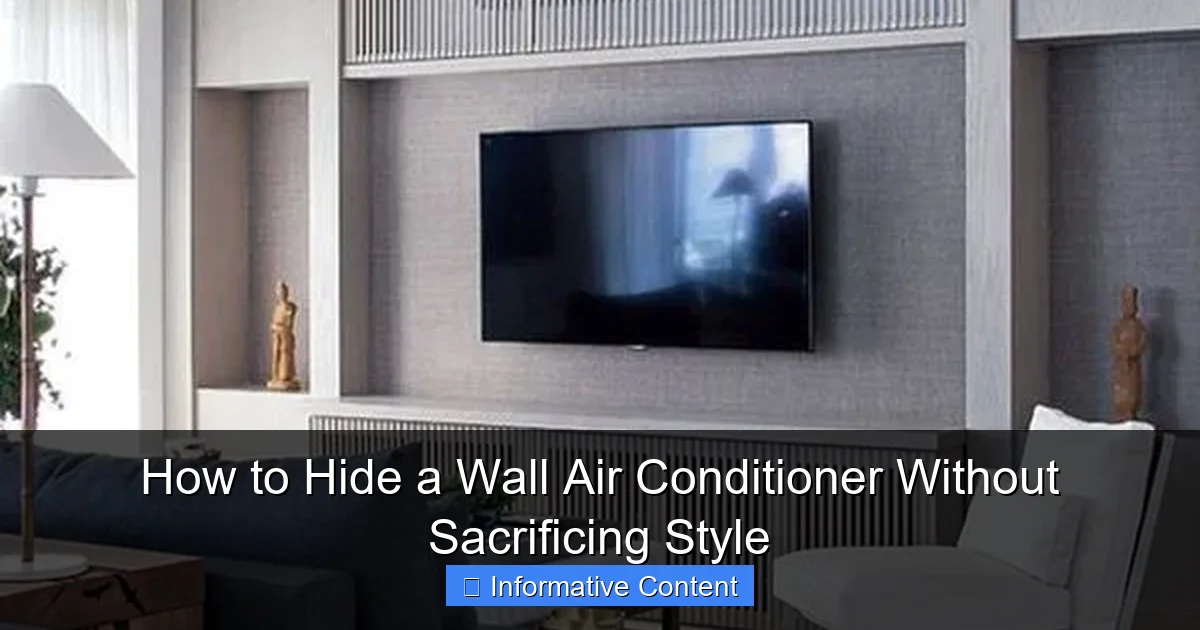
Visual guide about how to hide a wall air conditioner
Image source: i.pinimg.com
The Aesthetic Impact of a Visible AC Unit
Let’s start with the obvious: wall air conditioners aren’t designed with interior design in mind. They’re functional, yes, but their industrial look—white or beige plastic, sharp edges, and exposed vents—can clash with almost any decor style. Whether you’re going for modern farmhouse, Scandinavian minimalism, or boho chic, that boxy unit can throw off the entire vibe of a room.
Think about it: you’ve spent time choosing the perfect throw pillows, artwork, and lighting. You’ve arranged your furniture to create a sense of flow and calm. Then there’s the AC, sitting there like a forgotten appliance. It draws the eye, disrupts visual harmony, and can make a space feel cluttered or unfinished. Hiding it doesn’t mean ignoring it—it means integrating it so it becomes part of the background, not the focal point.
Improving Energy Efficiency and Airflow
Believe it or not, how you conceal your AC can affect how well it works. If you cover it improperly—say, with a heavy curtain or a sealed box—you might block airflow, reduce cooling efficiency, and even cause the unit to overheat. That’s why it’s crucial to hide your AC in a way that maintains proper ventilation.
On the flip side, a well-designed cover or enclosure can actually improve performance. For example, a custom-built cabinet with slatted sides allows air to circulate freely while keeping the unit out of sight. Some covers even include built-in fans or vents to enhance airflow. So, hiding your AC isn’t just about looks—it can also help it run more efficiently, saving you money on your energy bill.
Creating a Calmer, More Relaxing Environment
Your home should be a sanctuary, not a reminder of chores and appliances. A visible air conditioner can subconsciously signal “work” or “maintenance,” which isn’t exactly relaxing. By concealing it, you create a more peaceful atmosphere—one where you can truly unwind.
I noticed this shift in my own space. Once I added a simple wooden cover with decorative cutouts, the room felt instantly calmer. The AC was still there, doing its job, but it no longer dominated the room. It was like a weight had been lifted—not just from the wall, but from my mind. If you’ve ever felt that your space doesn’t quite “feel right” even though everything looks fine, a hidden AC might be the missing piece.
Creative DIY Solutions to Hide Your Wall Air Conditioner
If you’re handy with tools or just love a good DIY project, there are plenty of ways to hide your wall AC yourself—without breaking the bank. These solutions range from simple fabric covers to custom-built enclosures, and many can be completed in a weekend.
Fabric Covers and Curtains
One of the easiest and most affordable ways to hide a wall air conditioner is with a fabric cover or curtain. This method works especially well if your AC is in a living room, bedroom, or dining area where soft textures enhance the decor.
To make a basic cover, measure the height, width, and depth of your unit. Then, cut a piece of fabric slightly larger than those dimensions—adding a few inches for seam allowance and draping. You can use lightweight cotton, linen, or even outdoor fabric if you want something durable. Sew or glue the edges, and add ties, Velcro, or magnetic strips to secure it to the wall or the AC itself.
For a more polished look, consider a curtain-style cover. Install a tension rod or small curtain rod above the AC, and hang a lightweight panel curtain. Choose a fabric that matches your room’s color scheme—maybe a soft sage green or warm beige. Make sure the curtain hangs at least 6–8 inches below the unit to allow for airflow, and avoid blocking the front vent entirely.
Pro tip: Use breathable, washable fabric to prevent dust buildup and mold. And always remove the cover when the AC is running to ensure proper ventilation.
Wooden Enclosures and Slatted Panels
For a more permanent and stylish solution, consider building a wooden enclosure. This works best if you’re comfortable with basic carpentry or willing to enlist a friend who is. A wooden cover can blend seamlessly with your decor—especially if you stain or paint it to match your furniture or trim.
Start by measuring your AC unit and designing a box that fits snugly around it, leaving at least 4–6 inches of clearance on all sides for airflow. Use plywood or MDF for the frame, and attach slatted wood panels to the front and sides. The slats allow air to pass through while obscuring the view of the unit. You can space them evenly for a modern look or vary the spacing for a more artistic effect.
If you’re not ready to build from scratch, you can modify an existing shelf or cabinet. For example, repurpose a narrow bookshelf by removing the back panel and mounting it over the AC. Paint it to match your wall, and add decorative baskets or plants to draw attention away from the unit.
Example: I once helped a friend build a slatted oak cover for her wall AC. We used reclaimed wood from an old fence, sanded it smooth, and sealed it with a natural oil finish. The result looked like a piece of modern art—no one even guessed there was an AC behind it.
Pegboard and Decorative Screens
Pegboard is a versatile material that’s perfect for hiding appliances while adding functionality. It’s lightweight, easy to cut, and comes in a variety of colors and finishes. Plus, you can attach hooks, shelves, or baskets to store small items like remote controls, air filters, or cleaning supplies.
To use pegboard as an AC cover, cut a piece slightly larger than your unit and mount it on the wall using spacers or brackets. This creates a small gap between the board and the wall, allowing air to circulate. You can leave it plain or paint it to match your decor. For extra flair, add decorative cutouts or stencils.
Alternatively, use a freestanding decorative screen. These are often made of wood, metal, or wicker and can be placed in front of the AC without attaching to the wall. They’re ideal for renters or anyone who wants a non-permanent solution. Just make sure the screen doesn’t block the front vent or restrict airflow.
Tip: Look for screens with geometric patterns or natural textures—they add visual interest without overwhelming the space.
Built-In and Custom Solutions for a Seamless Look
If you’re ready to invest a bit more time and money, built-in and custom solutions offer the most polished and integrated results. These options are ideal for homeowners or long-term renters who want a truly seamless look.
Recessed Cabinetry and Custom Enclosures
For a high-end finish, consider installing a custom cabinet or recessed enclosure around your wall AC. This involves framing a box around the unit and adding doors or panels that blend with your wall. The result looks like built-in storage or architectural detail—not an appliance.
This project typically requires some construction skills, but it’s doable with the right tools and planning. Start by consulting a contractor or handyman to ensure the structure is safe and doesn’t interfere with the AC’s operation. Use materials that match your existing cabinetry—like painted MDF or stained wood—and add soft-close hinges for a luxury touch.
One clever idea is to integrate the enclosure with a window seat or bookshelf. For example, build a bench below the AC with storage underneath, and extend the cabinet upward to conceal the unit. This maximizes space and creates a cohesive look.
Matching Paint and Wallpaper Techniques
Sometimes, the simplest solution is the most effective. If your AC is flush with the wall or only slightly protruding, you can paint or wallpaper over it to make it disappear.
Use a color that matches your wall exactly—down to the sheen and finish. Matte paint works best, as it reduces glare and blends seamlessly. For wallpaper, choose a pattern that continues across the unit. You can even use removable wallpaper if you’re renting, so you can take it down without damaging the wall.
Caution: Never paint over the vents, controls, or any part of the AC that needs to function. Only cover the outer casing, and avoid sealing any openings. Also, make sure the unit is completely cool and turned off before painting.
Integrating with Window Treatments
If your wall AC is near a window, consider integrating it with your window treatments. For example, install a valance or cornice box that extends over both the window and the AC, creating a unified look.
You can also use Roman shades or roller blinds that cover the entire area, including the AC. Choose a fabric that complements your room and ensure the shades can be raised high enough to allow airflow. Some people even add a small shelf above the unit to hold plants or decor, further drawing attention upward.Stylish and Functional Cover Ideas for Renters
Renters often face unique challenges when it comes to modifying their space. You can’t drill into walls, install permanent fixtures, or make major changes without permission. But that doesn’t mean you’re stuck with a visible AC unit.
Removable and Non-Damaging Options
The key for renters is to use solutions that are removable, non-damaging, and easy to install. Fabric covers, tension rods, and freestanding screens are all great choices. You can also use adhesive hooks or strips to hang lightweight panels—just make sure they’re rated for the weight and won’t leave residue.
One popular option is a magnetic cover. These are made of flexible magnetic material that attaches to the metal frame of the AC (if it has one). They’re easy to remove for cleaning or maintenance and come in various colors and patterns.
Using Furniture to Conceal the Unit
Strategic furniture placement can work wonders. Position a tall bookshelf, room divider, or console table in front of the AC, leaving enough space for airflow. Choose furniture with open backs or slatted designs so air can still circulate.
For example, a narrow console table with a mirror above it can double as a vanity or entryway piece while hiding the AC. Add a few decorative objects—like a vase, candle, or stack of books—to complete the look.
Decorative Panels and Room Dividers
Freestanding decorative panels are another renter-friendly option. These can be made of wood, metal, or acrylic and come in a variety of styles—from minimalist to bohemian. Place one in front of the AC, angled slightly to allow airflow.
You can also DIY a panel using a frame and fabric, wallpaper, or even a large piece of art. Hang it on the wall using removable hooks, or lean it against the wall for a casual look.
Maintaining Functionality and Safety When Hiding Your AC
While style is important, functionality and safety should always come first. A hidden AC is only beneficial if it continues to cool your space effectively and operate safely.
Ensuring Proper Airflow and Ventilation
Never completely seal your AC unit. Blocking airflow can cause the compressor to overheat, reduce efficiency, and even lead to costly repairs. Always leave at least 4–6 inches of clearance around the unit, especially on the sides and front.
Use breathable materials like fabric, slatted wood, or mesh. Avoid plastic, vinyl, or anything that traps heat. If you’re using a cover, make sure it’s easy to remove for cleaning and maintenance.
Regular Cleaning and Maintenance Tips
A hidden AC can collect dust and debris more easily, especially if it’s enclosed. Clean the exterior and vents regularly—at least once a month during peak usage. Check the filter every two weeks and replace it as needed.
If you’ve built an enclosure, make sure it’s accessible. Install hinges or removable panels so you can easily reach the unit for servicing. Keep a note of the manufacturer’s maintenance schedule and stick to it.
Avoiding Common Mistakes
One common mistake is using heavy or non-breathable materials that trap heat. Another is placing objects too close to the unit, blocking airflow. Also, avoid covering the remote sensor or control panel—this can interfere with operation.
Always test your cover or enclosure before relying on it. Run the AC for a few hours and check for overheating, reduced cooling, or unusual noises. If something feels off, adjust or remove the cover immediately.
Comparing Popular AC Cover Options
| Option | Best For | Pros | Cons | Estimated Cost |
|---|---|---|---|---|
| Fabric Cover | Renters, temporary use | Easy to make, washable, affordable | May block airflow if not designed properly | $10–$30 |
| Wooden Enclosure | Homeowners, permanent solution | Customizable, stylish, durable | Requires tools and skills, not renter-friendly | $50–$200 |
| Pegboard Panel | DIYers, functional storage | Versatile, allows airflow, easy to modify | May look industrial if not finished well | $20–$60 |
| Decorative Screen | Renters, quick fix | No installation, portable, stylish | May not fit all spaces, can tip over | $40–$150 |
| Custom Cabinet | High-end homes, seamless look | Integrated, professional finish | Expensive, requires construction | $300–$1,000+ |
Final Thoughts: Style Meets Function
Hiding a wall air conditioner doesn’t have to mean sacrificing style—or functionality. With a little creativity and planning, you can transform that eyesore into a seamless part of your home’s design. Whether you opt for a simple fabric cover, a custom-built cabinet, or a clever furniture arrangement, the goal is the same: a cooler, calmer, and more beautiful space.
Remember, the best solution is one that works for your lifestyle, budget, and living situation. Renters might lean toward removable options, while homeowners can invest in built-in designs. But no matter your approach, always prioritize safety, airflow, and ease of maintenance.
So go ahead—give your wall AC the makeover it deserves. Your room (and your sanity) will thank you.
Frequently Asked Questions
How can I hide a wall air conditioner without blocking airflow?
Use decorative grilles, louvered covers, or custom-built enclosures with ventilation gaps to maintain airflow. Prioritize materials like metal or wood with open designs to ensure proper cooling efficiency while concealing the unit.
What are stylish ways to hide a wall air conditioner in a living room?
Frame the unit with floating shelves, install a faux cabinet door, or use a tall indoor plant screen to blend it into your decor. Choose designs that complement your room’s aesthetic for a seamless look.
Can I paint my wall air conditioner to make it less noticeable?
Yes, but use heat-resistant paint and avoid covering vents or controls. Opt for neutral or accent colors that match your wall or decor to subtly hide the unit without risking functionality.
Are there affordable DIY solutions to hide a wall air conditioner?
Try a tension rod curtain, fabric valance, or repurposed room divider for low-cost, easy-to-install options. These methods require minimal effort and can be customized to fit your space.
How do I hide a wall air conditioner while keeping it accessible for maintenance?
Install a removable cover, magnetic panel, or hinged door to allow quick access. Ensure the design includes a latch or easy-release mechanism for hassle-free filter checks or repairs.
What materials work best for hiding a wall air conditioner?
Lightweight wood, acrylic, or metal grilles are ideal—they’re durable, ventilate well, and suit modern or traditional styles. Avoid heavy materials that could obstruct airflow or damage the unit.