
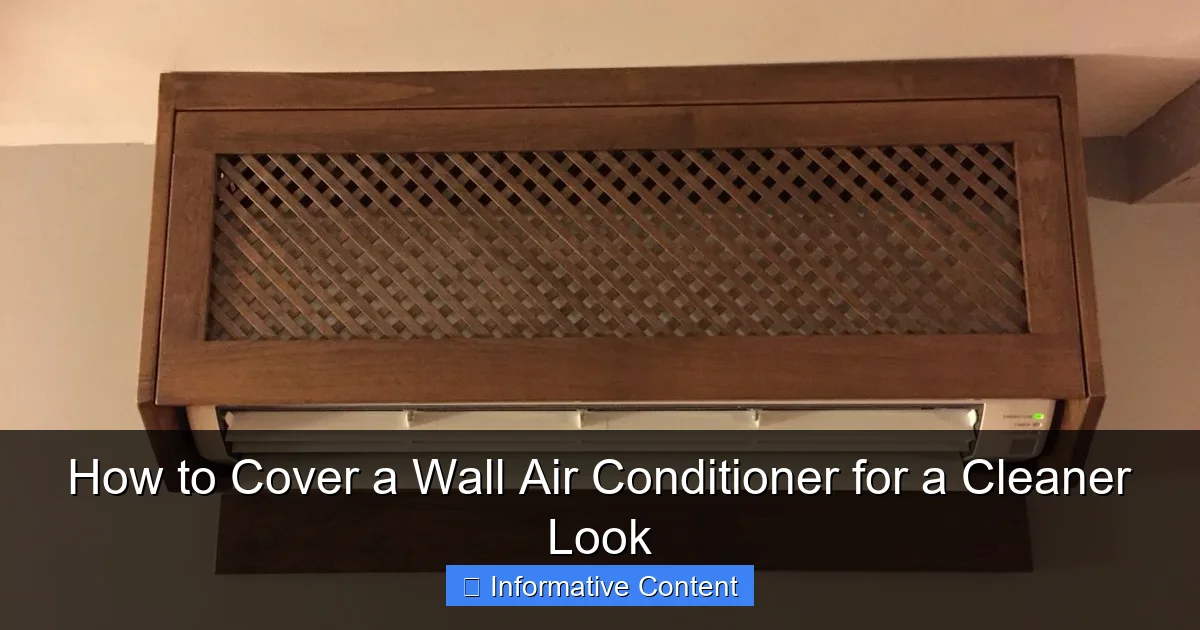
Featured image for how to cover a wall air conditioner
Image source: i.pinimg.com
Transform an eyesore into a sleek design feature by covering your wall air conditioner with custom-fit panels, magnetic covers, or decorative grilles that maintain airflow and efficiency. Choose durable, easy-to-install options like aluminum frames or fabric wraps to match your décor while protecting the unit from dust and debris. This simple upgrade delivers a polished, clutter-free look in minutes.
Key Takeaways
- Measure carefully: Ensure your cover fits the AC unit without blocking airflow or controls.
- Choose breathable fabric: Use materials like canvas to prevent moisture buildup and mold.
- Install securely: Attach the cover firmly to avoid hazards during high winds or storms.
- Maintain access: Design openings for vents, filters, and controls to allow easy maintenance.
- Enhance aesthetics: Pick colors and styles that blend with your room’s decor.
- Clean regularly: Remove and wash the cover periodically to keep it fresh and effective.
📑 Table of Contents
- Why Covering a Wall Air Conditioner Might Be the Upgrade Your Home Needs
- Understanding the Basics: Why Covering Matters
- Top Methods to Cover a Wall Air Conditioner
- Materials That Work (And Ones to Avoid)
- Step-by-Step Guide: How to Cover a Wall Air Conditioner
- Common Mistakes and How to Avoid Them
- Data Table: Comparison of Wall AC Cover Methods
- Final Thoughts: Covering Your Wall AC Is Worth It
Why Covering a Wall Air Conditioner Might Be the Upgrade Your Home Needs
Let’s be honest: wall air conditioners are lifesavers when the summer heat hits. But let’s also be real—they’re not exactly the most attractive feature in a room. That bulky, white (or beige) unit sticking out of your wall can feel like a design eyesore, especially if you’ve spent time curating a cozy, modern, or minimalist space. You’re not alone if you’ve looked at that AC unit and thought, “There’s got to be a way to make this less… obvious.”
The good news? There is a way. Covering a wall air conditioner isn’t just about aesthetics—it can also help with airflow, reduce dust buildup, and even improve your room’s acoustics. Whether you’re renting and can’t replace the unit or you’re just looking for a quick, affordable refresh, learning how to cover a wall air conditioner can be a game-changer. And no, we’re not talking about throwing a sheet over it and calling it a day. We’re talking about smart, stylish, and functional solutions that actually work.
Understanding the Basics: Why Covering Matters
Before you grab a piece of fabric and start draping, it’s important to understand why you’re covering your wall AC—and what you shouldn’t do. A wall air conditioner isn’t just a box on the wall. It’s a complex system that needs proper airflow, ventilation, and access for maintenance. Covering it incorrectly can lead to overheating, reduced efficiency, higher energy bills, or even damage to the unit.
Visual guide about how to cover a wall air conditioner
Image source: images.homedepot-static.com
Airflow Is Everything
The most critical factor when learning how to cover a wall air conditioner is ensuring unobstructed airflow. Wall units typically draw air in from the front or sides and expel hot air out the back (into the outdoor portion). If you block the intake vents, the unit will struggle to cool, work harder, and wear out faster. Think of it like trying to breathe through a pillow—possible, but not sustainable.
Tip: Always leave at least 6–12 inches of clearance around the top, sides, and front of the unit. Never cover the control panel or remote sensor. And if your model has side vents, don’t let your cover block them.
Dust and Debris: The Silent Killer
Wall ACs are magnets for dust, pet hair, and lint—especially if they’re near a window or door. Over time, this buildup clogs filters and reduces efficiency. A well-designed cover can act as a first line of defense, especially during off-seasons. But again: the cover must allow air to flow. A breathable, removable cover can help trap dust before it reaches the unit.
Seasonal vs. Year-Round Use
Are you covering your wall AC just for the winter, or all year? This matters. For seasonal covers (like in colder months), you can use a more insulated, protective cover. But for year-round aesthetic covers, you need something lightweight, breathable, and stylish that won’t interfere with daily use.
Real-life example: A friend of mine in Chicago covered her wall AC with a thick, insulated vinyl cover in winter. It worked great—until spring came. She forgot to remove it, and the unit overheated within a week. The lesson? Always remove or open seasonal covers before turning the AC back on.
Top Methods to Cover a Wall Air Conditioner
Now that you know the “why,” let’s talk about the “how.” There are several practical, effective ways to cover a wall air conditioner—each with its own pros, cons, and best use cases. The key is choosing a method that fits your space, style, and usage habits.
1. Custom-Fit Fabric Covers (Best for Year-Round Aesthetic)
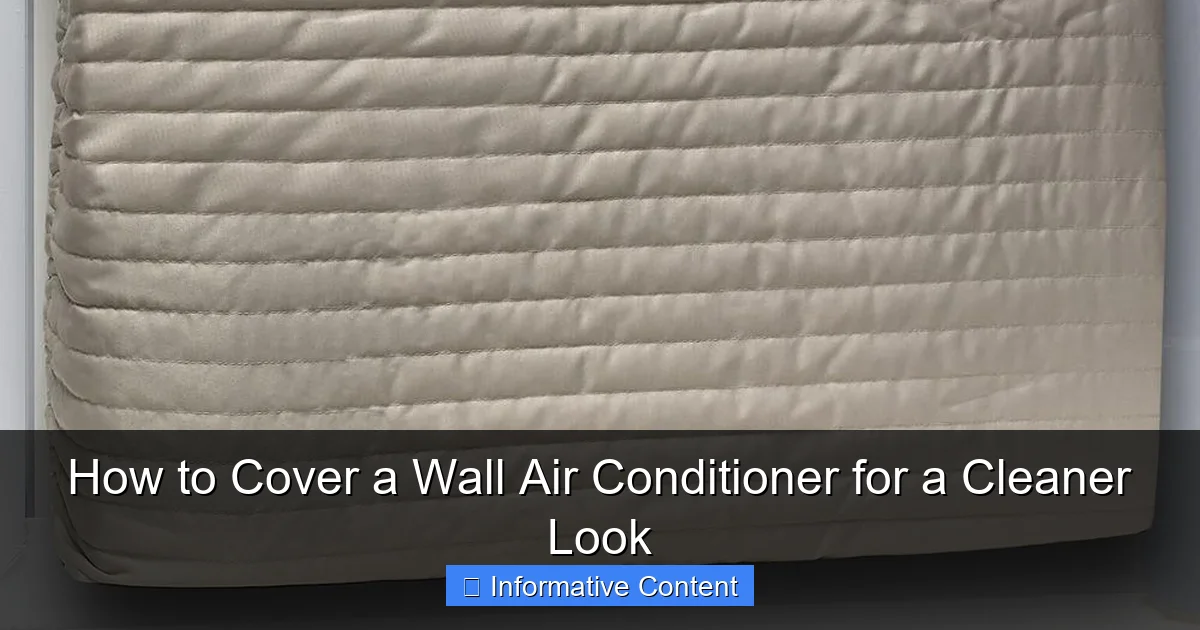
These are pre-made or custom-sewn fabric covers designed to fit snugly over the front of your AC unit. They’re usually made from breathable cotton, linen, or mesh, with openings for vents and controls. Some even have magnetic flaps or Velcro closures for easy access.
Pros:
- Looks like a piece of wall art or decor
- Available in many colors, patterns, and textures
- Easy to remove for cleaning or maintenance
- Doesn’t interfere with airflow if designed properly
Cons:
- May not fit all AC models (check dimensions first)
- Can collect dust—needs regular washing
- Cheaper versions may sag or look flimsy
Tip: Look for covers with reinforced stitching and non-fraying edges. Brands like AC Cover Co. or CoolWrap offer model-specific options. Or, if you’re crafty, make your own with a fabric pattern that matches your room’s decor.
2. Magnetic or Snap-On Plastic Panels (Best for Quick Install)
These are rigid plastic or acrylic panels that attach to the front of the AC using magnets, snaps, or clips. They often come with decorative finishes like wood grain, brushed metal, or matte black. Think of them as “AC faceplates.”
Pros:
- Instant upgrade—takes 5 minutes to install
- Easy to wipe clean
- No sewing or DIY skills needed
- Often designed with built-in vent cutouts
Cons:
- May not fit older or oversized units
- Plastic can look cheap if low quality
- Can vibrate or rattle if not secured tightly
Real-life example: I used a magnetic wood-grain panel on my apartment’s wall AC. It looked like a piece of wall trim, not an appliance. My landlord even complimented it—and didn’t realize it was a cover until I told him!
3. DIY Framed Art or Canvas (Best for Renters & Creatives)
This is one of the most creative ways to cover a wall air conditioner. You hang a lightweight frame (like a canvas print, framed art, or even a DIY shadow box) in front of the unit, leaving enough space for airflow.
How it works:
- Measure the AC unit and surrounding wall space
- Choose a frame slightly larger than the AC (but not so big it looks out of place)
- Hang it on the wall with picture hooks or a French cleat
- Ensure the frame sits 3–6 inches away from the AC for airflow
Pros:
- Completely customizable
- Doubles as wall art
- No permanent changes—perfect for renters
- Can be changed seasonally (e.g., summer vibes, winter scenes)
Cons:
- Requires careful spacing to avoid blocking vents
- May look odd if the frame is too small or too large
- Needs occasional dusting behind the frame
Tip: Use a lightweight canvas or foam board instead of glass to avoid breakage. And if you’re worried about heat, choose a frame with open sides or a mesh backing.
4. Sliding or Hinged Panels (Best for High-Traffic Areas)
For homes with kids, pets, or frequent AC use, a sliding or hinged panel might be ideal. These are mounted on tracks or hinges and can be opened when you need to access the controls or clean the unit.
Pros:
- Full access to the AC when needed
- Can be made from wood, metal, or acrylic
- Looks like built-in cabinetry
- Great for blending into a modern or minimalist design
Cons:
- More expensive and complex to install
- Requires wall space and tools
- Not ideal for renters
DIY idea: Use a pre-made sliding barn door track and a piece of reclaimed wood. Sand and stain it to match your trim, then mount it with a 4-inch gap in front of the AC. When you need to use the remote or clean the filter, just slide it open.
Materials That Work (And Ones to Avoid)
Not all materials are created equal when it comes to covering a wall air conditioner. The wrong fabric, metal, or plastic can trap heat, restrict airflow, or even create a fire hazard. Let’s break down what to use—and what to skip.
Safe & Effective Materials
- Breathable fabrics: Cotton, linen, mesh, or polyester blends. These allow air to pass through while hiding the unit.
- Acrylic or polycarbonate panels: Lightweight, durable, and available in decorative finishes. Just ensure they have vent cutouts.
- Wood (with spacing): Solid wood or MDF can look great, but only if it’s mounted 3+ inches away from the AC and has side cutouts for airflow.
- Aluminum or galvanized steel (for outdoor covers): Used in weatherproof winter covers. Never use indoors—they block airflow.
Materials to Avoid
- Plastic sheeting or vinyl: Traps heat and moisture. Can cause condensation and mold.
- Heavy blankets or quilts: Blocks airflow completely. A major no-no.
- Cardboard or paper: Not durable, can warp, and may catch fire if too close to vents.
- Glass or heavy mirrors: Risk of breakage, poor heat dissipation, and unsafe if mounted too close.
Pro tip: If you’re using a fabric cover, test it with a hairdryer. Hold it up to the AC’s intake and blow hot air through it. If you feel air coming through the other side, it’s breathable. If not, it’s too thick.
Also, avoid anything with strong adhesives or permanent mounts unless you own the home. Renters, stick to magnetic, clip-on, or hanging solutions.
Step-by-Step Guide: How to Cover a Wall Air Conditioner
Ready to take action? Here’s a simple, foolproof process to cover your wall air conditioner safely and stylishly—no matter which method you choose.
Step 1: Measure Your Unit
Grab a tape measure and note:
- Width (left to right)
- Height (top to bottom)
- Depth (from wall to front)
- Location of vents, controls, and remote sensor
Tip: Take a photo of the unit and label each dimension. This helps when shopping for pre-made covers or designing a custom one.
Step 2: Choose Your Cover Type
Match your needs:
- Want instant style? Go magnetic or snap-on.
- Love DIY? Try a framed art cover.
- Need full access? Install a sliding panel.
- Just want seasonal protection? Use a breathable winter cover.
Step 3: Prepare the Surface
Wipe down the AC unit with a damp cloth. Remove dust and grime. This ensures your cover fits snugly and doesn’t trap moisture.
Step 4: Install the Cover
For fabric covers: Drape over the unit, align vents, and secure with Velcro, magnets, or clips.
For magnetic panels: Align and press into place. Double-check that controls and vents are unobstructed.
For framed art: Hang on the wall with picture hooks, ensuring a 3–6 inch gap in front of the AC.
For sliding panels: Mount the track, attach the panel, and test movement.
Step 5: Test Airflow and Controls
Turn on the AC. Feel for air intake at the front/sides. Use the remote to check if the sensor works. If the unit struggles or makes unusual noises, adjust the cover or spacing.
Step 6: Maintain Regularly
Wash fabric covers every 2–3 months. Dust behind framed art. Wipe down plastic panels. This keeps your AC running efficiently and your cover looking fresh.
Common Mistakes and How to Avoid Them
Even with the best intentions, it’s easy to make mistakes when covering a wall air conditioner. Here are the top pitfalls—and how to dodge them.
1. Blocking the Remote Sensor
Many covers block the infrared sensor, making the remote useless. Always leave a small gap or cutout near the sensor. Or, use a cover with a “sensor window” made of clear plastic.
2. Using Non-Breathable Materials
As mentioned earlier, plastic sheets or thick blankets trap heat. This can cause the compressor to overheat and fail. Stick to breathable fabrics or ventilated panels.
3. Ignoring Maintenance Access
Filters need cleaning every 1–2 months. If your cover makes access hard, you’ll skip maintenance—and shorten your AC’s lifespan. Choose covers with easy-open flaps or removable panels.
4. Choosing Style Over Function
Yes, a glittery cover might look fun, but if it blocks vents, it’s a bad idea. Prioritize function first. Style can follow—just don’t sacrifice airflow.
5. Forgetting Seasonal Changes
If you use a winter cover, remove it before turning on the AC in spring. Many units have died because someone forgot this step. Set a phone reminder or tie it to another seasonal task (like changing smoke alarm batteries).
Real-life story: My neighbor once used a decorative pillow to “hide” his AC. It looked cute… until the unit started making grinding noises. The pillow was blocking the intake. He learned the hard way: airflow matters more than Instagram appeal.
Data Table: Comparison of Wall AC Cover Methods
| Method | Cost (USD) | Installation Time | Airflow Friendly? | Best For | Maintenance Level |
|---|---|---|---|---|---|
| Fabric Cover | $20–$60 | 5–10 mins | Yes (if breathable) | Year-round aesthetic | Medium (wash every 2–3 months) |
| Magnetic Panel | $30–$80 | 3–5 mins | Yes (with vent cutouts) | Quick upgrade | Low (wipe clean) |
| Framed Art | $40–$120 | 15–30 mins | Yes (with spacing) | Renters, creatives | Medium (dust behind frame) |
| Sliding Panel | $100–$250 | 1–2 hours | Yes (when open) | Homeowners, high-traffic areas | Low (occasional lubrication) |
| Winter Insulated Cover | $25–$70 | 5 mins | No (off-season only) | Cold climates, seasonal use | Low (store when not in use) |
Final Thoughts: Covering Your Wall AC Is Worth It
Learning how to cover a wall air conditioner isn’t just about hiding an eyesore—it’s about improving your home’s functionality, comfort, and style. With the right approach, you can turn that clunky unit into a seamless part of your decor, all while keeping it running efficiently.
Remember: airflow is non-negotiable. No matter how beautiful your cover is, if it blocks vents or traps heat, it’s doing more harm than good. But with breathable fabrics, smart spacing, and a little creativity, you can have the best of both worlds—cool air and a cool-looking room.
Start small. Try a fabric cover or a magnetic panel. See how it feels. Adjust as needed. And don’t be afraid to experiment. Your wall AC doesn’t have to be a design afterthought. With a few thoughtful choices, it can disappear—or even become a feature.
So go ahead. Grab a tape measure, pick a style, and give your wall air conditioner the makeover it deserves. Your room—and your AC—will thank you.
Frequently Asked Questions
Why should I cover a wall air conditioner?
Covering a wall air conditioner can improve your home’s appearance by hiding the unit when it’s not in use, especially during colder months. It also helps protect the exterior from dust, debris, and weather damage, potentially extending its lifespan.
What materials are best for covering a wall air conditioner?
Breathable, weather-resistant fabrics like polyester or vinyl-coated mesh are ideal for covering a wall air conditioner. Avoid plastic or non-porous materials, as they can trap moisture and lead to mold or rust.
Can I cover my wall air conditioner while it’s running?
No, you should never cover a wall air conditioner while it’s operating, as this can block airflow and cause overheating. Always turn off and unplug the unit before covering it, especially during seasonal storage.
How do I properly install a cover for my wall air conditioner?
Choose a snug-fitting cover designed for your unit’s size and secure it with straps, Velcro, or elastic edges. Make sure the cover fully encloses the front and sides without obstructing vents or drainage areas.
Are there decorative covers that still allow airflow?
Yes, many decorative covers are designed with ventilation panels or mesh sections to allow airflow while enhancing curb appeal. These are perfect for use during off-seasons when the unit is off but still exposed to the elements.
Do I need to remove the cover before using my wall air conditioner?
Absolutely—always remove the cover completely before turning on your wall air conditioner. Leaving it on during operation can restrict airflow, reduce efficiency, and damage the unit.