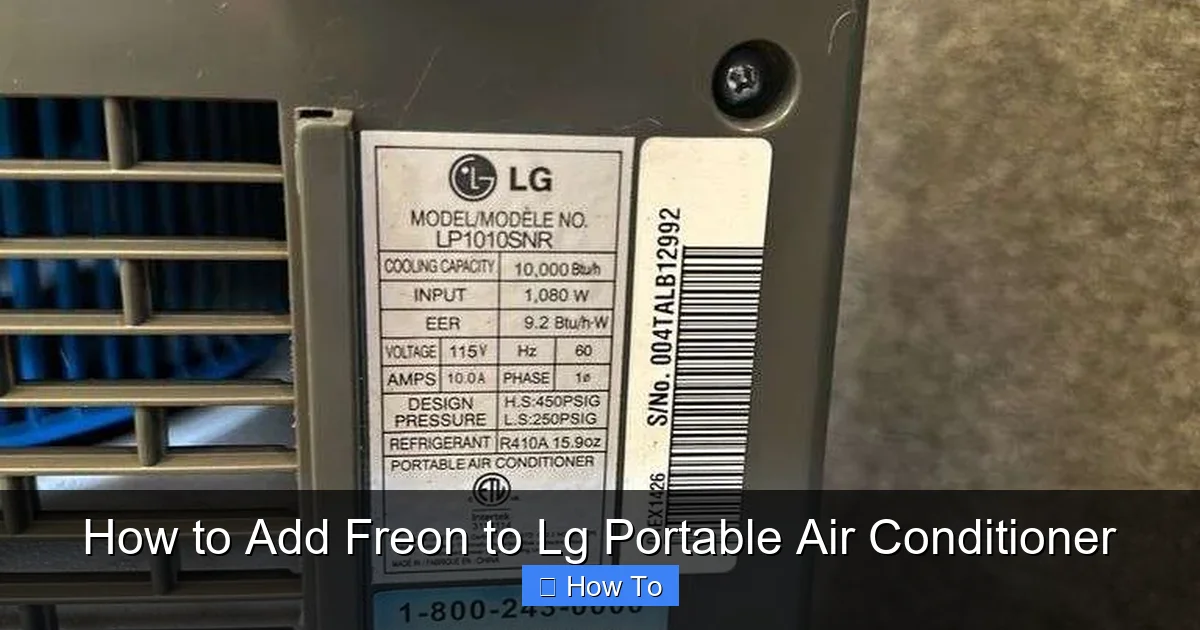
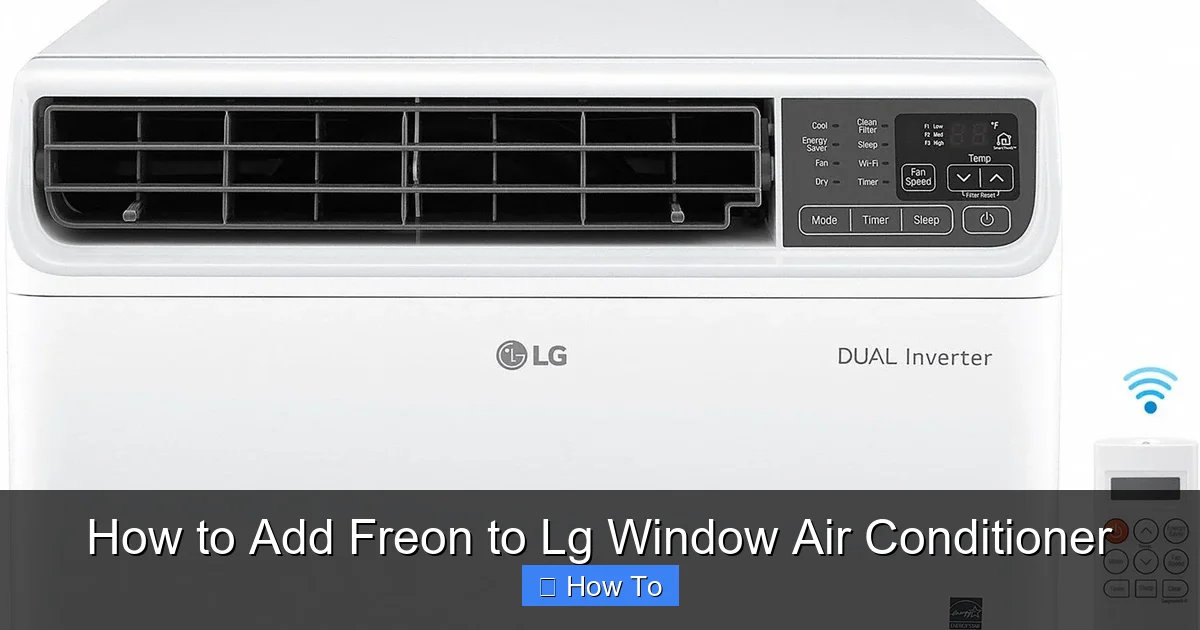
Cleaning the filter on your LG air conditioner is essential for optimal performance and air quality. This guide walks you through the process step by step, ensuring your unit runs efficiently and lasts longer. Regular maintenance helps reduce energy bills and prevents costly repairs.
Key Takeaways
- Turn off the power first: Always switch off your LG air conditioner at the unit and unplug it before cleaning to ensure safety.
- Locate the filter correctly: Most LG models have filters behind the front panel, which can be easily accessed by opening the grille.
- Use mild soap and water: Gently wash the filter with lukewarm water and a small amount of mild detergent—avoid harsh chemicals or scrubbing.
- Let it dry completely: Air-dry the filter thoroughly before reinserting to prevent mold or electrical issues.
- Clean every 2–4 weeks: For best results, clean the filter monthly during heavy use seasons like summer.
- Check for damage: Inspect the filter for tears or wear and replace it if necessary to maintain airflow and efficiency.
- Improve air quality and efficiency: A clean filter reduces allergens, improves cooling, and lowers energy consumption.
How to Clean the Filter on an LG Air Conditioner
Keeping your LG air conditioner running smoothly isn’t just about comfort—it’s about efficiency, health, and longevity. One of the simplest yet most impactful maintenance tasks you can do is cleaning the air filter. Over time, dust, pet dander, pollen, and other airborne particles accumulate on the filter, restricting airflow and forcing your AC to work harder. This not only increases energy bills but can also lead to poor indoor air quality and even system breakdowns.
In this comprehensive guide, you’ll learn exactly how to clean the filter on your LG air conditioner—whether it’s a window unit, split system, or portable model. We’ll walk you through each step with clear instructions, practical tips, and safety reminders. By the end, you’ll feel confident performing this essential task on your own, saving money on service calls and keeping your home cool and clean.
Let’s get started!
Why Cleaning the Filter Matters
Before diving into the steps, it’s important to understand why this small task makes such a big difference. The air filter in your LG air conditioner acts as the first line of defense against pollutants. As air circulates through the unit, the filter traps dust, mold spores, bacteria, and other contaminants. While this is great for air quality, a clogged filter becomes a problem.
When the filter is dirty, airflow is reduced. Your AC has to run longer and harder to cool your space, which increases energy use and wear on the system. According to the U.S. Department of Energy, a clean filter can reduce energy consumption by up to 15%. That’s a significant saving over time.
Additionally, a dirty filter can cause ice buildup on the evaporator coils, lead to foul odors, and even trigger the unit’s safety shut-off. In severe cases, it can shorten the lifespan of your air conditioner. Regular cleaning prevents these issues and ensures your LG unit operates at peak performance.
Tools and Supplies You’ll Need
The good news? You don’t need any special tools to clean your LG air conditioner filter. Most of what you need is probably already in your home. Here’s a quick checklist:
- Soft cloth or sponge
- Mild dish soap or all-purpose cleaner
- Lukewarm water
- A small bowl or sink
- Vacuum cleaner with a brush attachment (optional)
- Replacement filter (if needed)
Avoid using bleach, ammonia, or abrasive scrubbers, as these can damage the filter material. Stick to gentle cleaning methods to preserve the filter’s integrity.
Safety First: Turn Off the Power
Before touching any part of your air conditioner, safety must come first. Electricity and water don’t mix, so always power down your unit before cleaning.
Step 1: Turn Off the AC Unit
Start by turning off your LG air conditioner using the remote control or the power button on the unit. This stops the fan and compressor from running.
Step 2: Unplug the Unit
For window and portable units, unplug the power cord from the wall outlet. If you have a split system (ductless mini-split), turn off the circuit breaker that powers the indoor unit. This ensures there’s no electrical current flowing to the system while you’re working.
Step 3: Wait a Few Minutes
Give the unit a few minutes to fully power down. This prevents any accidental startup and allows internal components to cool if they were recently running.
Taking these precautions protects you from electric shock and prevents damage to the unit’s electronics.
Locating the Air Filter
Now that your unit is safely powered off, it’s time to find the filter. The location varies slightly depending on your LG model, but the process is generally straightforward.
For Window and Portable LG Air Conditioners
Most window and portable units have a front grille that opens to reveal the filter. Look for a latch or clip on the top or sides of the grille. Gently press or slide it to release the panel. The filter is usually a flat, rectangular mesh panel behind the grille.
For Split System (Ductless Mini-Split) Units
Split systems have an indoor unit mounted on the wall. The filter is typically behind the front panel. To access it, locate the small tabs or hinges at the bottom or sides of the panel. Gently pull the panel downward or outward—it should swing open like a door. Some models may have a small button or release lever.
For LG Dual Inverter and Smart Air Conditioners
Many newer LG models, including those with Dual Inverter technology, have filters that are easy to remove. The front panel usually opens with a light tug. Look for a green or blue tab that indicates the filter location. Once the panel is open, you’ll see the filter frame, which can be lifted out.
If you’re unsure, consult your user manual or visit the LG support website and enter your model number for specific instructions.
Removing the Filter
Once you’ve located the filter, it’s time to remove it for cleaning.
Step 1: Open the Front Panel
Carefully open the front grille or panel as described above. Support it with one hand to prevent it from falling or straining the hinges.
Step 2: Lift Out the Filter
The filter is usually held in place by a frame or clips. Gently lift it straight up or pull it toward you. Most LG filters slide out easily without tools. If it feels stuck, double-check for any hidden latches or tabs.
Step 3: Inspect the Filter
Before cleaning, take a moment to examine the filter. Look for visible dirt, dust buildup, or damage like tears or warping. If the filter is heavily soiled or damaged, it may be time to replace it. LG recommends replacing filters every 6–12 months, depending on usage and air quality.
Step 4: Vacuum Loose Debris (Optional)
If the filter is only lightly dusty, you can use a vacuum cleaner with a brush attachment to remove surface debris. This is a quick way to refresh the filter between deep cleanings. Hold the vacuum nozzle a few inches away to avoid damaging the mesh.
Cleaning the Filter
Now comes the main event: cleaning the filter. Follow these steps for a thorough and safe clean.
Step 1: Prepare the Cleaning Solution
Fill a sink, bathtub, or large bowl with lukewarm water. Add a small amount of mild dish soap—about a teaspoon is plenty. Avoid using hot water, as it can warp the filter material. Never use bleach, ammonia, or harsh solvents, as they can degrade the filter and release harmful fumes.
Step 2: Submerge and Soak
Place the filter in the soapy water and let it soak for 10–15 minutes. This helps loosen embedded dirt and grime. Gently swish it around to dislodge particles.
Step 3: Gently Scrub (If Needed)
For stubborn buildup, use a soft cloth or sponge to lightly wipe the surface. Work in one direction to avoid damaging the mesh. Do not scrub aggressively or use a brush with stiff bristles—this can tear the filter.
Step 4: Rinse Thoroughly
After soaking and scrubbing, rinse the filter under cool, running water. Hold it at an angle to let water flow through the mesh and flush out soap and dirt. Continue rinsing until the water runs clear and no suds remain.
Step 5: Shake Off Excess Water
Gently shake the filter to remove excess water. Avoid wringing or twisting it, as this can damage the frame or mesh.
Drying the Filter
Proper drying is crucial before reinstalling the filter. A damp filter can promote mold growth, reduce airflow, and potentially damage electrical components.
Step 1: Air Dry Completely
Place the filter on a clean, dry towel in a well-ventilated area. Avoid direct sunlight or heat sources like radiators, as excessive heat can warp the plastic frame. Let it air dry for at least 2–4 hours, or until completely dry to the touch.
Step 2: Check for Moisture
Before reinserting, double-check that no moisture remains—especially in the corners or center. If it’s still damp, give it more time to dry. Rushing this step can lead to mold or system malfunctions.
Step 3: Optional: Use a Fan
To speed up drying, you can place a small fan nearby to improve airflow. Just make sure the filter is stable and won’t blow over.
Reinstalling the Filter
Once the filter is completely dry, it’s time to put it back in place.
Step 1: Align the Filter
Hold the filter with the mesh side facing outward (toward the room). Make sure it’s oriented correctly—most LG filters have a directional arrow or label indicating the correct direction.
Step 2: Slide It Back In
Gently slide the filter back into its slot. It should fit snugly without forcing. If it doesn’t go in easily, double-check the alignment or look for obstructions.
Step 3: Close the Front Panel
Once the filter is securely in place, close the front grille or panel. Make sure it clicks or latches properly. A loose panel can cause air leaks or reduce efficiency.
Step 4: Restore Power
Plug the unit back in or turn the circuit breaker back on. Wait a minute, then turn the air conditioner back on using the remote or control panel.
Testing the Unit
After cleaning and reinstalling the filter, it’s important to test your LG air conditioner to ensure everything is working correctly.
Step 1: Turn On the AC
Set the unit to cooling mode and choose a comfortable temperature. Listen for normal fan and compressor sounds.
Step 2: Check Airflow
Feel the air coming from the vents. It should be strong and cool. If airflow seems weak, double-check that the filter is properly installed and not obstructed.
Step 3: Monitor Performance
Run the unit for 15–30 minutes and observe how quickly it cools the room. A clean filter should improve cooling speed and efficiency.
Step 4: Listen for Unusual Noises
If you hear rattling, grinding, or buzzing, turn the unit off immediately. This could indicate a loose filter, debris in the fan, or another issue. Refer to the troubleshooting section below.
How Often Should You Clean the Filter?
The frequency of cleaning depends on several factors, including usage, environment, and air quality.
- Heavy use (summer months): Clean every 2–4 weeks.
- Moderate use (spring/fall): Clean every 4–6 weeks.
- Light use (winter): Clean every 6–8 weeks.
- Pet owners or allergy sufferers: Clean more frequently, every 2 weeks.
- Dusty environments (construction, farms): Clean weekly.
Set a calendar reminder or use your LG ThinQ app (if compatible) to receive filter maintenance alerts. Regular cleaning keeps your system efficient and your air clean.
Troubleshooting Common Issues
Even with proper cleaning, you might encounter a few hiccups. Here’s how to address common problems.
Filter Won’t Come Out
If the filter is stuck, check for hidden latches or clips. Some models have a small tab that needs to be pressed before the filter releases. Avoid forcing it—this can break the frame. Consult your manual for model-specific instructions.
Filter Is Damaged or Torn
A torn or warped filter won’t trap particles effectively. Replace it with a genuine LG filter designed for your model. Using a damaged filter reduces efficiency and can allow debris to enter the unit.
Unit Still Isn’t Cooling Well
If cleaning the filter doesn’t improve cooling, the issue may be elsewhere. Check for blocked vents, low refrigerant, or a dirty outdoor unit. If problems persist, contact an LG-certified technician.
Unusual Odors After Cleaning
If your AC emits a musty or sour smell, mold or bacteria may have grown inside the unit. Clean the evaporator coils and drain pan, or schedule a professional deep clean.
Filter Gets Dirty Too Fast
If your filter clogs within days, consider using a higher-efficiency filter or installing an air purifier in your home. You may also have an underlying ventilation issue.
Tips for Maintaining Your LG Air Conditioner
Cleaning the filter is just one part of AC maintenance. Here are a few extra tips to keep your LG unit in top shape:
- Keep the area around the unit clear: Ensure at least 2 feet of space around indoor and outdoor units for proper airflow.
- Clean the exterior regularly: Wipe down the front panel and vents with a damp cloth to prevent dust buildup.
- Check the drain line: Make sure the condensate drain isn’t clogged, especially during humid months.
- Schedule annual professional maintenance: A technician can inspect coils, refrigerant levels, and electrical connections.
- Use the auto-clean function (if available): Some LG models have a self-cleaning mode that reduces mold and odor.
Conclusion
Cleaning the filter on your LG air conditioner is a simple, cost-effective way to boost performance, improve air quality, and extend the life of your unit. By following the steps in this guide—turning off the power, removing the filter, cleaning it gently, drying it thoroughly, and reinstalling it correctly—you can keep your AC running smoothly all season long.
Make filter cleaning a regular habit, especially during peak usage months. Not only will you enjoy cooler, cleaner air, but you’ll also save on energy bills and avoid costly repairs down the line. With a little care and attention, your LG air conditioner will keep you comfortable for years to come.
So grab a sponge, follow these steps, and give your AC the TLC it deserves. Your home—and your wallet—will thank you.