How Much PAG Oil to Add When Replacing AC Compressor: Expert Tips
When it comes to replacing an AC compressor in your vehicle, ensuring the correct amount of PAG oil is crucial for the system's proper functioning. The right amount of PAG oil helps lubricate the compressor and prevents potential damage.
How Much PAG Oil Do You Need?
It is essential to determine the precise amount of PAG oil required for your specific vehicle's AC system. The amount can vary based on the compressor type, system capacity, and whether any oil has been lost during the replacement process.
Factors To Consider:
Compressor Type
System Capacity
Prior Oil Loss
Be sure to consult your vehicle's manual or a professional mechanic to get the exact PAG oil quantity needed for your AC compressor replacement.
Adding PAG Oil
Adding PAG oil should be done with caution and precision. Overfilling the system with oil can lead to inefficiency and potential damage. On the other hand, underfilling may result in inadequate lubrication, causing compressor failure.
Steps To Add Pag Oil:
Drain any remaining oil from the old compressor.
Measure the amount of oil drained.
Consult your manual for the recommended oil quantity.
Add the specified amount of PAG oil to the new compressor.
Reinstall the compressor and evacuate the system.
Choosing the Correct PAG Oil Viscosity
Selecting the right viscosity grade (e.g., PAG 46, PAG 100, PAG 150) matters because each compressor design specifies a particular oil thickness for proper film strength. Using a grade that is too thin can cause metal‑to‑metal contact, while a grade that is too thick reduces heat transfer and can raise discharge pressures. In practice, most modern R‑134a systems call for PAG 46, but always verify the OEM label on the compressor or the service manual. For a quick reference on how viscosity affects seasonal performance, see our guide on keep up with seasonal upkeep. The EPA’s Section 608 refrigerant handling guidelines also note that using the correct oil type helps maintain system integrity. When installing a new compressor on a split system, follow a split‑system install walkthrough to ensure proper line set connections.
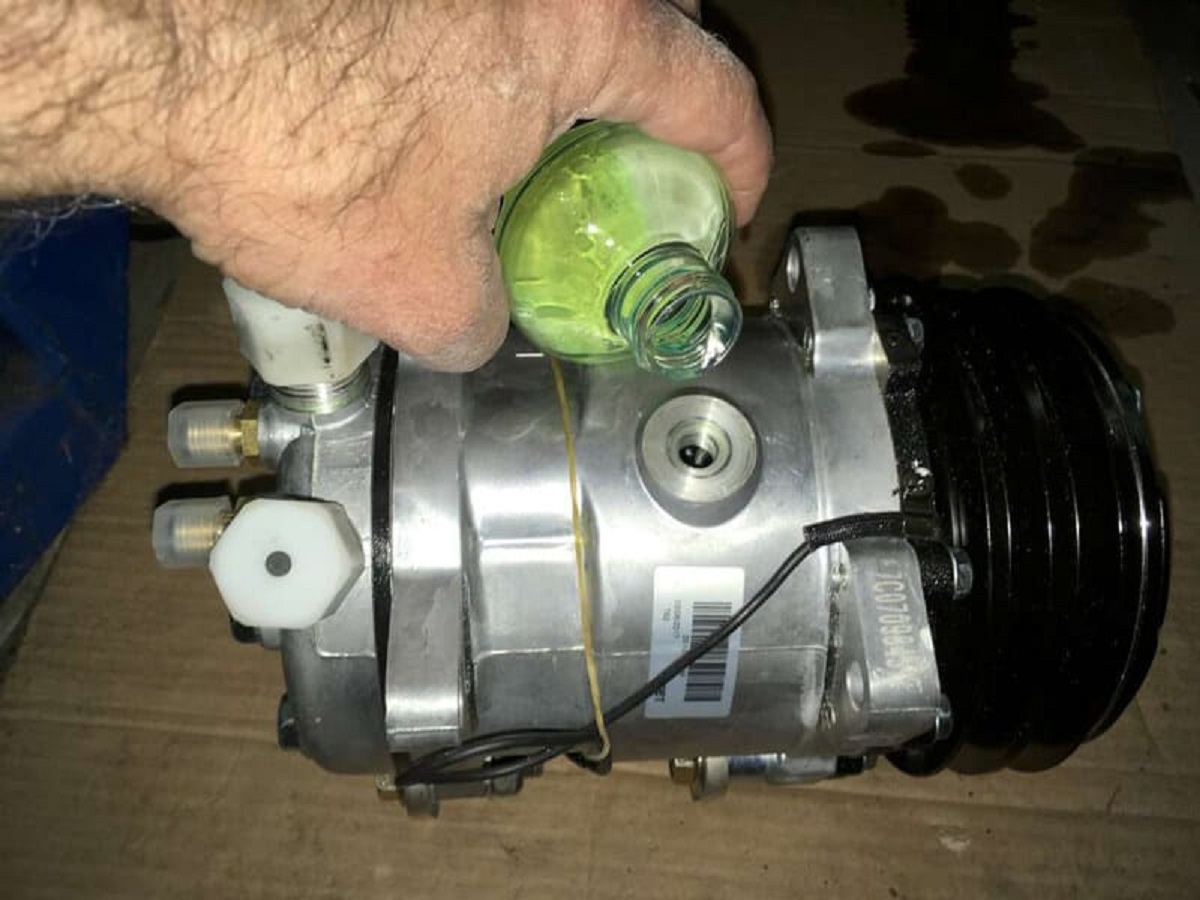
Technician measuring PAG oil for compressor installation
Credit: storables.com
Common Questions
Question Answer
Does a new AC compressor come with oil? Most new compressors come pre-filled with oil; no additional oil is usually required.
How much PAG oil is needed after replacing the AC compressor? The amount varies but typically ranges from 2 to 4 ounces based on the system's requirements.
What happens if you add too much PAG oil? Overfilling can lead to poor system performance and potential compressor damage.
It's always best to consult with a professional mechanic to ensure the correct amount of PAG oil is added during an AC compressor replacement. Proper lubrication is essential for the smooth operation of your vehicle's AC system.
https://www.youtube.com/watch?v=IlKLVJbs-iQ
When to Flush the AC System Before Compressor Replacement
If the old compressor failed catastrophically — sending metal debris through the lines — a full system flush is recommended before installing the new unit. Flushing removes contaminants that would otherwise circulate and shorten the life of the replacement compressor. A professional flush uses a dedicated solvent and a recovery machine; skipping this step can lead to repeat failures. For troubleshooting warm‑air symptoms that often accompany contaminated systems, see diagnose warm‑air issues. Likewise, checking condenser performance after a flush helps confirm the system is clean. For central‑unit setups, review central‑unit setup steps to verify the flush procedure matches the manufacturer’s protocol.

Video demonstration of compressor oil fill procedure
Credit: www.youtube.com
Frequently Asked Questions For How Much Pag Oil To Add When Replacing Ac Compressor: Expert Tips
How Much Oil Should I Add To New Ac Compressor?
When replacing the AC compressor, it's important to remove as much of the original oil charge as possible to prevent an oil overcharge. However, a small amount of oil can remain in the system as long as it is contaminant-free.
Most new compressors come pre-filled with oil, so additional oil may not be necessary. It is recommended to consult with a professional to determine the specific amount of oil required for your AC system.
How Much Pag Oil Does A Ac Compressor Take?
An AC compressor usually requires 2 to 4 ounces of PAG oil for proper lubrication.
Do I Need To Add Pag Oil When Replacing Compressor?
Yes, it's necessary to add PAG oil when replacing a compressor to ensure sufficient lubrication for the new unit. Proper PAG oil quantity is critical for optimal system performance and compressor longevity. Always consult the manufacturer's specifications for the correct amount of PAG oil.
Does A New Ac Compressor Come With Oil In It Already?
No, under normal circumstances, you shouldn't need to refill or change the oil in a new AC compressor. Most new compressors already come with oil, and they are sealed to prevent leaks. However, it's important to remove as much of the original oil charge from the system when replacing a compressor to avoid an overcharge.
How Do I Know Which PAG Viscosity My Vehicle Requires?
The viscosity is usually printed on the compressor label or listed in the service manual. If the label is missing, the OEM parts catalog or a dealership can provide the spec. Using the wrong viscosity can void warranty coverage.
Can I Reuse the Oil Drained From the Old Compressor?
Only if the oil is clean, free of metal particles, and matches the required viscosity. Contaminated oil should be discarded and replaced with fresh PAG oil to avoid damaging the new compressor.
Ready to keep your AC running efficiently year‑round? Explore our seasonal maintenance checklist for step‑by‑step guidance.
Conclusion
Adding the right amount of PAG oil when replacing your AC compressor is crucial for maintaining the efficiency and longevity of your vehicle's air conditioning system. By following the recommended guidelines and seeking expert advice when needed, you can ensure that your AC system runs smoothly and effectively.