
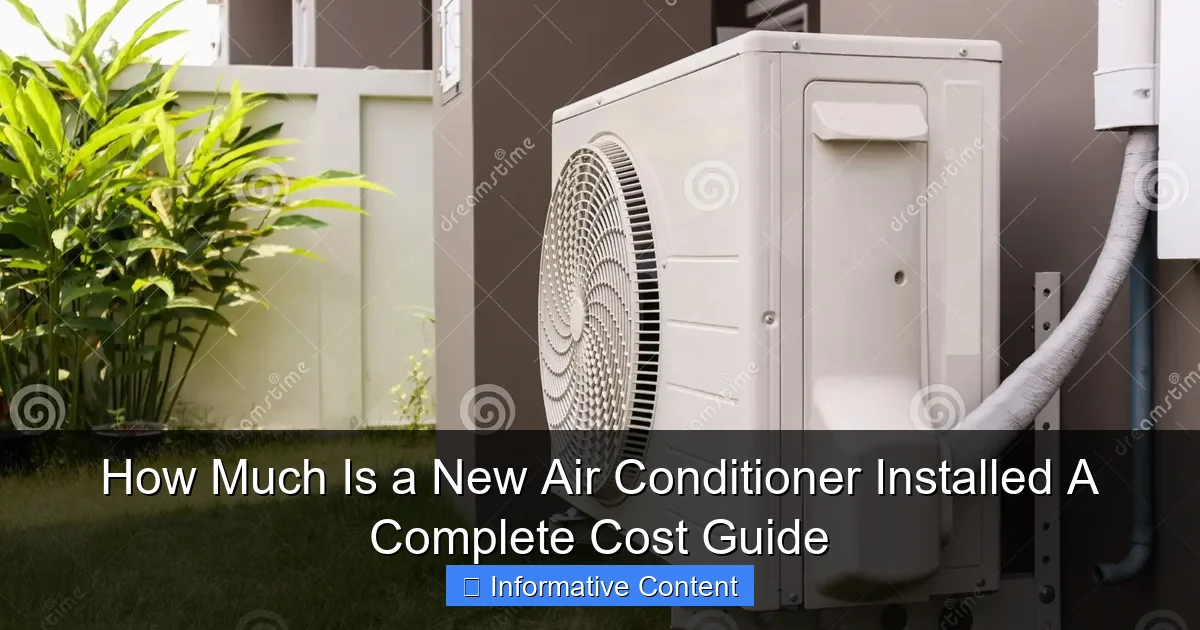
Featured image for how much is a new air conditioner installed
Image source: thumbs.dreamstime.com
The average cost to install a new air conditioner ranges from $3,800 to $7,500, depending on unit size, efficiency, and labor complexity. High-efficiency models and larger homes can push costs up to $10,000+, but proper sizing and professional installation ensure long-term savings and comfort. Always get multiple quotes to secure the best value.
Key Takeaways
- AC unit prices range from $3,800 to $7,500: Know the average cost before shopping.
- Size impacts cost significantly: Choose the right BTU for your home’s square footage.
- SEER rating affects long-term savings: Higher SEER reduces energy bills over time.
- Installation complexity adds expense: Ductwork or electrical upgrades increase labor costs.
- Get multiple quotes: Compare at least 3 contractor estimates for fair pricing.
- Timing matters: Off-season installs often offer lower rates and faster service.
📑 Table of Contents
- How Much Is a New Air Conditioner Installed? A Complete Cost Guide
- 1. Average Cost of a New Air Conditioner Installation
- 2. Factors That Affect the Total Cost
- 3. Additional Costs and Hidden Fees
- 4. Ways to Save Money on AC Installation
- 5. Long-Term Value vs. Upfront Cost
- 6. Final Tips Before You Buy
How Much Is a New Air Conditioner Installed? A Complete Cost Guide
Imagine this: It’s the middle of summer, the sun is blazing, and your air conditioner suddenly stops working. You’re sweating, frustrated, and wondering, “How much is a new air conditioner installed?” It’s a question that many homeowners face at some point, and the answer isn’t always straightforward. The cost can vary widely depending on several factors, from the type of unit you choose to the complexity of the installation. But don’t worry—this guide is here to walk you through everything you need to know, so you can make an informed decision without breaking a sweat (literally).
Replacing or installing a new air conditioner is a big investment, but it’s also a chance to upgrade to a more efficient, quieter, and longer-lasting system. Whether you’re replacing an old unit or installing AC in a new home, understanding the costs involved can help you budget wisely and avoid unpleasant surprises. In this guide, we’ll break down the average costs, explore the factors that influence pricing, and offer practical tips to help you get the best value for your money. Let’s dive in!
1. Average Cost of a New Air Conditioner Installation
The first thing most people want to know is the price tag. So, how much is a new air conditioner installed on average? The answer depends on several variables, but here’s a general breakdown to give you a starting point.
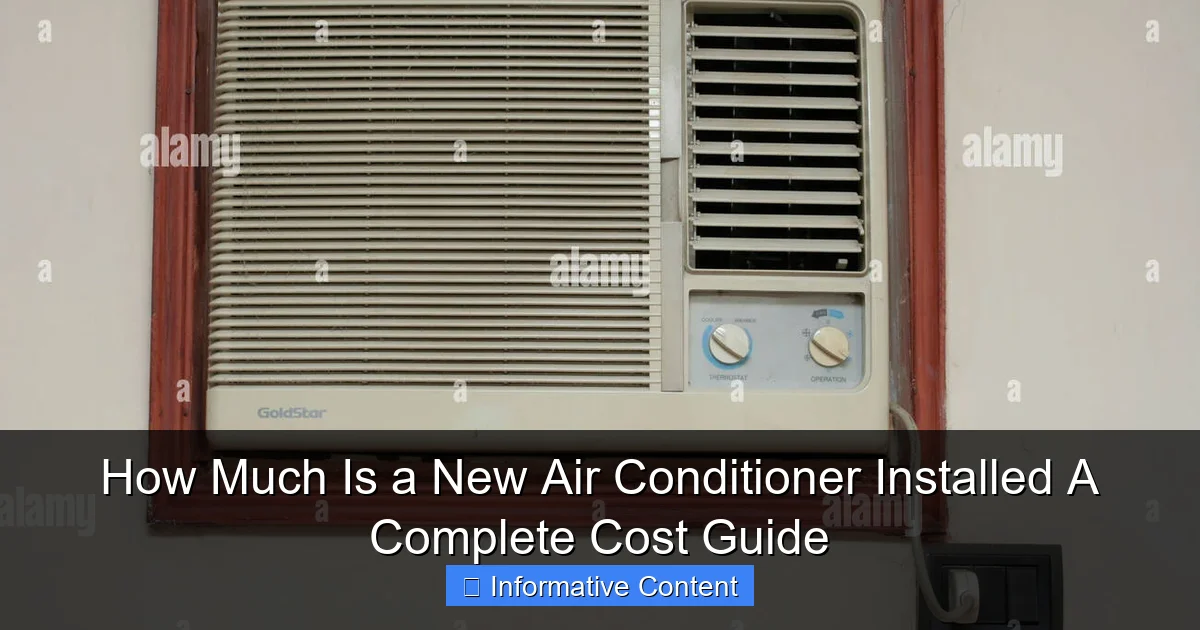
Visual guide about how much is a new air conditioner installed
Image source: c8.alamy.com
National Averages and Price Ranges
On average, a new air conditioner installation in the U.S. costs between $3,000 and $7,000. However, this can go as low as $1,500 for a basic window unit or as high as $12,000 for a high-end, ductless mini-split system in a large home. For a standard central air system, most homeowners spend around $4,500 to $6,000, including both the unit and labor.
Let’s put this in perspective with a few real-world examples:
- Basic 2.5-ton central AC unit (14 SEER): $3,500–$4,500
- Mid-range 3-ton unit (16 SEER): $4,500–$5,500
- High-efficiency 4-ton unit (20 SEER or higher): $6,000–$8,000
- Ductless mini-split system (for a 1,500 sq ft home): $5,000–$9,000
- Window or portable unit (for a single room): $300–$1,000
What’s Included in the Price?
When you get a quote, make sure it includes:
- The air conditioner unit (size, brand, and efficiency rating)
- Labor for installation (typically 6–12 hours of work)
- Refrigerant and electrical connections
- Thermostat (if needed)
- Permits and inspections (required in many areas)
- Removal and disposal of old unit (if applicable)
Keep in mind that some quotes may not include extras like ductwork modifications, new thermostats, or electrical panel upgrades. Always ask for a detailed breakdown so you know exactly what you’re paying for.
Labor Costs: What to Expect
Labor typically accounts for 30–50% of the total cost. For a standard central AC installation, labor alone can range from $1,000 to $2,500. The price varies based on:
- Your location (urban areas are often more expensive)
- Accessibility of the installation site (e.g., a second-floor unit is harder to install than a ground-level one)
- Time of year (peak summer months may have higher labor rates)
Tip: Get at least 3–5 quotes from licensed HVAC contractors. This helps you compare prices and avoid overpaying. Also, check online reviews and ask for references—quality matters as much as cost!
2. Factors That Affect the Total Cost
Now that you have a ballpark figure, let’s explore the key factors that can push your costs higher (or lower). Understanding these will help you make smarter choices and avoid sticker shock.
Size of Your Home and Cooling Needs
AC units are measured in tons, not pounds. One ton of cooling equals 12,000 BTUs (British Thermal Units) per hour. The size you need depends on your home’s square footage, insulation, window types, and even your local climate.
- 1,000–1,500 sq ft: 2–2.5 tons
- 1,500–2,000 sq ft: 2.5–3.5 tons
- 2,000–2,500 sq ft: 3.5–4.5 tons
- 2,500+ sq ft: 5+ tons (or multiple units)
Example: A 2,200 sq ft home in Texas needs a larger unit than the same size home in Maine due to hotter summers. A professional load calculation (Manual J) is the best way to determine the right size. Oversizing or undersizing can lead to higher energy bills and poor comfort.
Type of Air Conditioner
Different systems come with different price tags. Here’s a quick overview:
- Central AC (most common): $3,000–$7,000. Requires ductwork but cools the whole house.
- Window or portable units: $300–$1,000. Cheap but only cool one room.
- Geothermal heat pump: $15,000–$30,000. Very efficient but high upfront cost.
- Packaged units (rooftop): $4,000–$8,000. All-in-one systems for homes with limited space.
< Ductless mini-split: $5,000–$12,000. No ducts needed; great for older homes or room additions.
Efficiency Rating (SEER)
SEER (Seasonal Energy Efficiency Ratio) measures how efficiently an AC unit uses electricity. The higher the SEER, the more efficient (and usually more expensive) the unit. As of 2023, the minimum SEER in the U.S. is 14, but many modern units range from 16 to 25+.
- 14–15 SEER: Basic, budget-friendly
- 16–18 SEER: Mid-range, good balance of cost and efficiency
- 19+ SEER: High-efficiency, lower energy bills over time
Tip: A 20 SEER unit can save you 30–50% on cooling costs compared to a 14 SEER unit. If you live in a hot climate, the higher efficiency is often worth the investment.
Existing Infrastructure and Ductwork
If you’re replacing an old central AC system, your ductwork may need repairs or upgrades. Leaky or poorly designed ducts can reduce efficiency and increase costs.
- Duct sealing or minor repairs: $200–$500
- Duct replacement or redesign: $2,000–$6,000
For homes without ducts (like older houses or additions), a ductless mini-split system is often a better choice. It avoids the high cost of adding ductwork.
Location and Climate
Your geographic location plays a big role. Labor and material costs vary by region, and so do climate demands. For example:
- Florida or Arizona: High humidity and extreme heat mean you may need a larger, more efficient unit.
- Northern states: Cooler summers allow for smaller units or heat pumps that also provide heating.
3. Additional Costs and Hidden Fees
Even with a detailed quote, some costs might not be obvious at first. Here are the most common “hidden” expenses to watch out for.
Thermostats and Smart Controls
Most modern AC systems work best with a programmable or smart thermostat. A basic thermostat costs $50–$100, while a smart thermostat (like Nest or Ecobee) ranges from $150–$300.
Why it matters: Smart thermostats learn your habits and adjust the temperature automatically, saving energy and improving comfort. They also integrate with home assistants like Alexa or Google Home.
Permits and Inspections
Many cities require permits for AC installations, especially if you’re making electrical or structural changes. Permit fees typically range from $100 to $500, and some areas require a post-installation inspection.
Tip: Your contractor should handle permits, but confirm this upfront. Never skip permits—fines and insurance issues can cost more later.
Electrical Panel Upgrades
If your home has an older electrical panel (60-amp or less), you may need an upgrade to handle the increased load from a new AC unit. This can add $1,000 to $3,000 to the project.
Refrigerant Type and Environmental Fees
As of 2023, many AC units are switching from R-22 (phased out due to environmental concerns) to R-410A or R-32. R-22 is expensive and hard to find, so retrofitting an old system can cost $1,000+.
Some states also charge environmental fees for refrigerant disposal. These are usually small ($20–$50) but worth noting.
Warranty and Maintenance Plans
Most AC units come with a manufacturer’s warranty (typically 5–10 years), but extended labor warranties or maintenance plans cost extra.
- Extended labor warranty: $200–$500 for 5–10 years
- Annual maintenance plan: $100–$200 per year (includes tune-ups and priority service)
Tip: Maintenance plans can save money in the long run by preventing breakdowns and extending the unit’s lifespan.
4. Ways to Save Money on AC Installation
Installing a new AC system doesn’t have to drain your wallet. Here are proven strategies to cut costs without sacrificing quality.
Shop Off-Season (Fall or Winter)
HVAC companies are busiest in summer. By scheduling your installation in the fall or winter, you can often get lower labor rates and faster service. Some contractors even offer seasonal discounts.
Look for Rebates and Incentives
Many utility companies and government programs offer rebates for energy-efficient AC units. For example:
- Federal tax credits: Up to $300 for qualifying high-efficiency units (check EnergyStar.gov)
- Utility rebates: $100–$500 off for ENERGY STAR-rated units (check your provider’s website)
- Manufacturer rebates: Seasonal promotions (e.g., Carrier or Trane)
Example: A $500 rebate on a $6,000 unit reduces your cost to $5,500—a nice savings!
Bundle with Other HVAC Work
If you also need a new furnace or water heater, consider installing them at the same time. Bundling can save on labor costs, and some contractors offer package discounts.
Choose the Right Size (Not Bigger!)
It’s tempting to buy a larger unit for “extra cooling power,” but oversized units cycle on and off too quickly. This wastes energy, causes temperature swings, and shortens the unit’s lifespan. Always follow the Manual J calculation for sizing.
Compare Quotes and Negotiate
As mentioned earlier, get multiple quotes. But don’t just pick the cheapest one. Look for:
- Licensing and insurance
- Warranty terms
- Payment options (some offer financing)
- Reputation (check Google and BBB reviews)
Once you have a few quotes, use them to negotiate. For example, “Contractor A quoted $6,000, but Contractor B offered $5,200 for the same unit. Can you match that?”
DIY Where Possible (But Know Your Limits)
Some tasks, like removing the old unit or cleaning ducts, can be DIYed to save on labor. But never attempt electrical or refrigerant work yourself—this is dangerous and often illegal. Leave it to the pros.
5. Long-Term Value vs. Upfront Cost
It’s easy to focus on the price tag, but the best AC system isn’t always the cheapest one. Let’s talk about long-term value.
Energy Savings Over Time
A high-efficiency unit (18+ SEER) might cost $1,000 more upfront, but it can save you $100–$300 per year on energy bills. Over 10 years, that’s $1,000–$3,000 in savings—enough to cover the initial cost difference.
Example: A 20 SEER unit uses about 30% less energy than a 14 SEER unit. If your annual cooling bill is $1,000, that’s $300 saved each year.
Lifespan and Maintenance
On average, a well-maintained AC unit lasts 12–15 years. Higher-quality units often last longer and require fewer repairs. Regular maintenance (e.g., annual tune-ups) can extend the lifespan and prevent costly breakdowns.
Home Resale Value
A new, efficient AC system can boost your home’s resale value. Buyers love modern HVAC systems because they mean lower utility bills and fewer repair worries. According to Remodeling Magazine, a new AC system recoups about 70–80% of its cost at resale.
Comfort and Health Benefits
Modern AC units are quieter, more consistent, and better at filtering dust and allergens. This improves indoor air quality and overall comfort—especially important if you have allergies or asthma.
6. Final Tips Before You Buy
You’re almost ready to make a decision! Here are a few final tips to ensure you get the best deal.
Get a Detailed, Written Quote
Never accept a verbal quote. Ask for a written proposal that includes:
- Unit model and specifications
- Total cost (unit + labor + permits)
- Warranty details
- Estimated timeline
- Payment terms
Ask About Financing Options
Many HVAC companies offer financing plans with low or no interest for 12–60 months. This spreads the cost over time and makes a high-efficiency unit more affordable.
Check the Contractor’s Credentials
Make sure they’re licensed, insured, and certified by the manufacturer (e.g., Carrier Factory Authorized Dealer). This ensures they can install the unit properly and honor the warranty.
Read the Warranty Fine Print
Some warranties require annual maintenance to stay valid. Others exclude certain parts (like the compressor). Know what’s covered and what’s not.
Trust Your Gut
After all the research, go with the contractor who makes you feel confident and comfortable. Good communication and transparency are just as important as price.
So, how much is a new air conditioner installed? As you’ve learned, it’s not a one-size-fits-all answer. But with this guide, you’re equipped to make a smart, informed choice. Remember, the cheapest option isn’t always the best value—focus on efficiency, quality, and long-term savings. Whether you’re upgrading for comfort, energy savings, or resale value, a new AC system is an investment in your home’s future. Stay cool out there!
| AC Type | Price Range | Best For | Efficiency (SEER) |
|---|---|---|---|
| Central AC (2.5-ton, 14 SEER) | $3,500–$4,500 | Small to medium homes with existing ducts | 14–15 |
| Central AC (3-ton, 16 SEER) | $4,500–$5,500 | Medium to large homes | 16–18 |
| High-Efficiency AC (4-ton, 20 SEER) | $6,000–$8,000 | Hot climates, energy savings | 19–25+ |
| Ductless Mini-Split (1,500 sq ft) | $5,000–$9,000 | Homes without ducts, room additions | 18–22 |
| Window Unit (10,000 BTU) | $300–$600 | Single room cooling | 8–12 (EER) |
Frequently Asked Questions
How much is a new air conditioner installed on average?
The average cost to install a new air conditioner ranges from $3,500 to $7,500, depending on unit size, efficiency, and labor. Factors like ductwork modifications or brand choice can push prices higher.
What factors affect the total cost of a new AC unit installation?
Key cost drivers include the unit’s size (tonnage), SEER rating, brand, labor rates, and whether existing ductwork needs repairs. Additional expenses may arise from permits or thermostat upgrades.
Does the “how much is a new air conditioner installed” price include removal of the old unit?
Many HVAC companies include basic removal and disposal of your old system in the quoted price, but confirm this upfront. Some contractors charge $100-$300 extra for this service.
Are higher-efficiency air conditioners worth the extra cost?
Units with higher SEER ratings (16+) cost more upfront but can save 20-40% on energy bills over time. The payback period depends on local climate and electricity rates.
How long does a new air conditioner installation take?
Most installations take 4-8 hours for a standard central AC system. Complex projects (like ductwork redesign) may require 1-2 days to complete.
Can I get financing for a new air conditioner installed?
Yes, many HVAC companies offer financing plans or partner with lenders for low-interest loans. Some utility companies also provide rebates for energy-efficient unit purchases.