
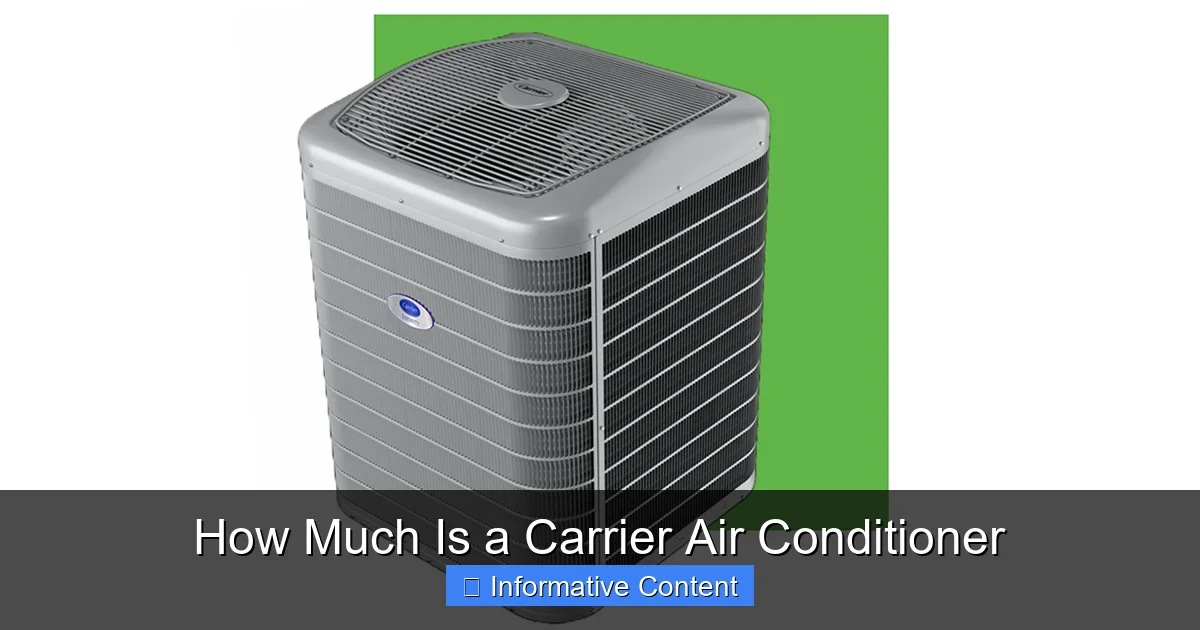
If you’re asking, “How much is a Carrier air conditioner?” you’re not alone—prices range from $3,500 to over $10,000 installed, depending on size, efficiency, and features. This guide breaks down costs by model, explains what affects pricing, and helps you make a smart, informed decision without overspending.
Key Takeaways
- Carrier air conditioners cost between $3,500 and $10,000+ installed: Entry-level models start around $3,500, while high-end, ultra-efficient units can exceed $10,000 with installation.
- SEER2 ratings impact price and savings: Higher SEER2 (Seasonal Energy Efficiency Ratio 2) ratings mean better efficiency and lower utility bills, but come with a higher upfront cost.
- Unit size matters—bigger isn’t always better: An oversized or undersized AC won’t cool efficiently. A professional load calculation ensures you get the right size for your home.
- Installation costs vary by region and complexity: Labor, ductwork modifications, and electrical upgrades can add $1,000–$3,000 to your total bill.
- Rebates and tax credits can reduce costs: Federal, state, and utility incentives may save you hundreds—especially on ENERGY STAR® certified models.
- Long-term savings offset higher initial prices: Investing in a high-efficiency Carrier unit can cut energy bills by 20–40% over time.
- Warranty and service plans add value: Carrier offers strong warranties, and optional maintenance plans help protect your investment.
📑 Table of Contents
- How Much Is a Carrier Air Conditioner? A Complete Pricing Guide
- Understanding Carrier Air Conditioner Pricing
- Carrier Air Conditioner Models and Their Costs
- Factors That Affect the Total Cost
- Is a Carrier Air Conditioner Worth the Cost?
- Tips for Getting the Best Deal on a Carrier Air Conditioner
- Final Thoughts: Making the Right Choice
How Much Is a Carrier Air Conditioner? A Complete Pricing Guide
So, you’re thinking about upgrading your home cooling system—and you’ve heard good things about Carrier air conditioners. But now you’re wondering: How much is a Carrier air conditioner, really? It’s a fair question, and one that deserves a clear, honest answer. The truth is, there’s no single price tag. Carrier offers a wide range of air conditioning units, from budget-friendly models to premium, high-efficiency systems packed with smart features. And while the sticker price is important, the total cost includes more than just the unit itself.
When you’re shopping for a new AC, it’s easy to get overwhelmed by numbers, acronyms like SEER2, and confusing installation quotes. But don’t worry—we’re here to simplify it. In this guide, we’ll walk you through everything you need to know about Carrier air conditioner pricing. We’ll break down the cost by model tier, explain what affects the final price, and share practical tips to help you get the best value for your money. Whether you’re replacing an old unit or installing central air for the first time, this guide will help you make a confident, informed decision.
Understanding Carrier Air Conditioner Pricing
Carrier is one of the most trusted names in HVAC, and for good reason. They’ve been making reliable, innovative cooling systems for over a century. But with that reputation comes a range of options—and prices. So, how much is a Carrier air conditioner? Let’s start with the basics.
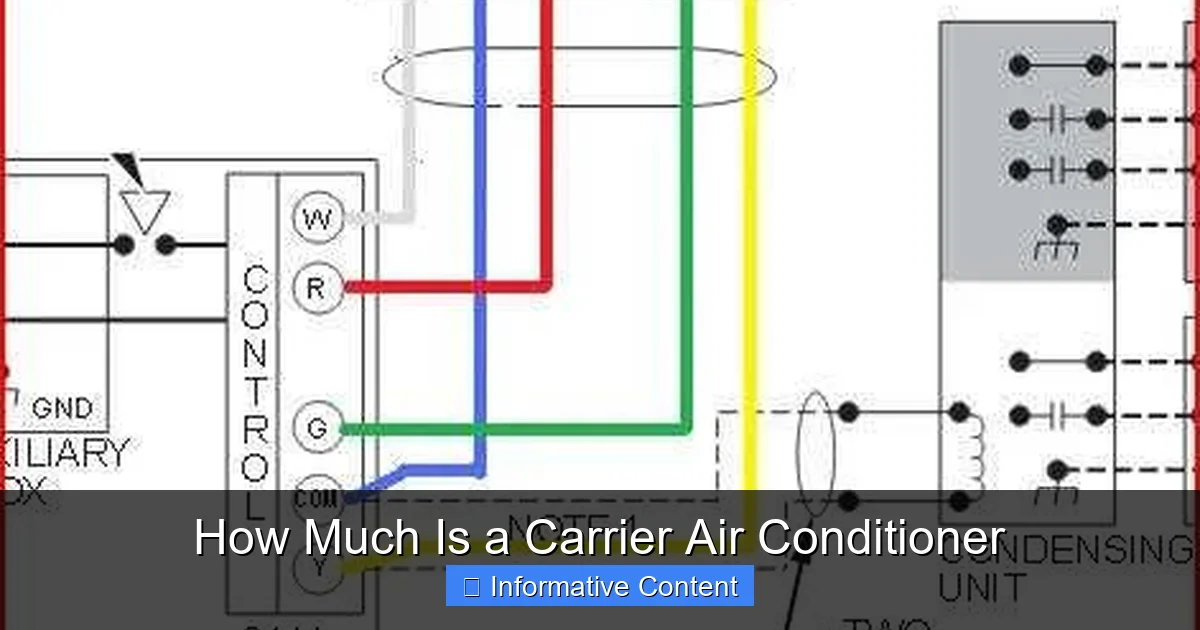
Visual guide about How Much Is a Carrier Air Conditioner
Image source: wiringall.com
Price Range Overview
On average, a Carrier air conditioner installation costs between $3,500 and $10,000+. This wide range reflects differences in unit type, efficiency, size, and installation complexity. Here’s a quick breakdown:
- Entry-level models (e.g., Carrier Comfort Series): $3,500–$5,500 installed
- Mid-range models (e.g., Carrier Performance Series): $5,000–$7,500 installed
- High-end models (e.g., Carrier Infinity Series): $7,000–$10,000+ installed
These prices include the unit, standard installation, and basic labor. But remember—your final cost could be higher or lower depending on your home’s specific needs.
What’s Included in the Price?
When a contractor gives you a quote for a Carrier air conditioner, it should include more than just the outdoor unit. A complete installation typically covers:
- The air conditioning unit (condenser and compressor)
- Indoor coil (if not already present)
- Refrigerant lines
- Electrical connections and wiring
- Thermostat (basic or smart, depending on package)
- Standard labor and setup
However, if your home needs ductwork repairs, electrical upgrades, or a new thermostat, those will be extra. Always ask for a detailed breakdown before signing anything.
Why Prices Vary So Much
Two homes right next to each other might get very different quotes for the same Carrier model. Why? Because pricing depends on several factors:
- Home size and layout: Larger homes need bigger units, which cost more.
- Existing ductwork: If your ducts are in good shape, installation is simpler and cheaper.
- Local labor rates: HVAC labor costs more in cities like New York or San Francisco than in rural areas.
- Permits and inspections: Some cities require permits, which add to the cost.
- Seasonal demand: Summer installations may cost more due to high demand.
So while the unit itself might be $4,000, your total could easily reach $6,500 once everything is factored in.
Carrier Air Conditioner Models and Their Costs
Carrier offers three main product lines: Comfort, Performance, and Infinity. Each targets a different budget and performance level. Let’s look at what you get—and how much it costs—at each tier.
Carrier Comfort Series: Budget-Friendly Cooling
The Comfort Series is Carrier’s most affordable line, perfect for homeowners who want reliable cooling without breaking the bank. These units are great for smaller homes or those on a tight budget.
- SEER2 ratings: 14.3 to 16.0
- Price range: $3,500–$5,500 installed
- Key features: Single-stage or two-stage compressors, basic thermostat compatibility, quiet operation
For example, the Carrier Comfort 16 (25HCB6) is a popular two-stage model with a 16 SEER2 rating. It’s energy-efficient enough to qualify for some rebates and runs quietly, making it ideal for bedrooms and living areas. Installation typically costs around $4,800 for a 3-ton unit in a 1,800 sq. ft. home.
Carrier Performance Series: Balanced Efficiency and Value
The Performance Series strikes a great balance between cost and features. These units offer better efficiency, smarter controls, and improved comfort over the Comfort line.
- SEER2 ratings: 16.0 to 18.0
- Price range: $5,000–$7,500 installed
- Key features: Two-stage or variable-speed compressors, Wi-Fi thermostats, better humidity control
The Carrier Performance 18 (25VNA8) is a standout model. With an 18 SEER2 rating and variable-speed technology, it adjusts cooling output to match demand, saving energy and improving comfort. It also works with Carrier’s Côr smart thermostat for remote control and scheduling. A 3-ton installation might cost around $6,200.
Carrier Infinity Series: Premium Performance and Smart Features
The Infinity Series is Carrier’s top-tier lineup, designed for maximum efficiency, comfort, and control. These are the Cadillacs of air conditioners—luxury cooling for discerning homeowners.
- SEER2 ratings: 18.0 to 26.0
- Price range: $7,000–$10,000+ installed
- Key features: Variable-speed compressors, ultra-quiet operation, advanced humidity control, Wi-Fi connectivity, compatibility with whole-home systems
The Carrier Infinity 26 (25VNA9) is a flagship model with a 26 SEER2 rating—one of the highest in the industry. It uses Greenspeed® intelligence to adapt cooling in tiny increments, maintaining perfect indoor conditions while using minimal energy. It also integrates with Carrier’s Infinity Touch thermostat and can be part of a full-home HVAC system. A 3-ton unit with smart controls and professional installation could cost $9,500 or more.
Factors That Affect the Total Cost
Now that you know the model ranges, let’s dig into what really drives the price of a Carrier air conditioner. It’s not just about the unit—it’s about your home, your needs, and your location.
Unit Size (Tonnage)
Air conditioners are measured in “tons,” which refers to cooling capacity—not weight. One ton equals 12,000 BTUs (British Thermal Units) of cooling power. Most homes need between 1.5 and 5 tons, depending on size, insulation, and climate.
- A 1,200 sq. ft. home might need a 2-ton unit ($4,000–$6,000 installed)
- A 2,500 sq. ft. home might need a 4-ton unit ($6,000–$9,000 installed)
But here’s the catch: bigger isn’t always better. An oversized unit will cycle on and off too quickly, wasting energy and failing to dehumidify properly. An undersized unit will run constantly and still struggle to cool. That’s why a professional Manual J load calculation is essential. This assessment considers your home’s square footage, insulation, windows, orientation, and local climate to determine the perfect size.
Efficiency (SEER2 Rating)
SEER2 (Seasonal Energy Efficiency Ratio 2) measures how efficiently an AC uses electricity over a cooling season. The higher the SEER2, the less energy it uses—and the lower your utility bills.
- Minimum SEER2 (as of 2023): 14.3 in the North, 15.0 in the South
- Mid-range: 16.0–18.0
- High-efficiency: 20.0–26.0
For example, upgrading from a 14 SEER2 to a 20 SEER2 unit can cut your cooling costs by 30% or more. But that efficiency comes at a price. A 20 SEER2 Carrier Infinity unit might cost $2,000 more upfront than a 14 SEER2 Comfort model. However, over 10–15 years, the energy savings can easily offset that difference.
Installation Complexity
Even the same unit can cost more to install in one home than another. Here’s why:
- Ductwork: If your ducts are old, leaky, or the wrong size, they may need repairs or replacement—adding $1,000–$3,000.
- Electrical upgrades: Older homes may need a new circuit breaker or wiring to handle the AC’s power needs.
- Location of the unit: If the outdoor unit has to be placed far from the house or on a roof, labor costs increase.
- Permits and inspections: Some cities charge $100–$500 for HVAC permits.
Always get at least three quotes from licensed HVAC contractors. Compare not just the total price, but what’s included. A cheaper quote might exclude essential work, leading to higher costs later.
Rebates, Tax Credits, and Incentives
The good news? You might not have to pay full price. Many homeowners qualify for rebates and tax credits that can significantly reduce the cost of a new Carrier air conditioner.
- Federal tax credits: The Inflation Reduction Act offers up to $600 for qualifying central air conditioners (must be ENERGY STAR certified and meet efficiency requirements).
- Utility rebates: Many electric companies offer $200–$800 rebates for high-efficiency units. Check with your provider.
- State and local programs: Some states (like California and New York) have additional incentives for energy-efficient HVAC.
For example, installing a Carrier Infinity 26 with a 26 SEER2 rating could qualify you for a $600 federal credit plus a $500 utility rebate—saving you $1,100 instantly.
Is a Carrier Air Conditioner Worth the Cost?
Now for the big question: Are Carrier air conditioners worth the investment? The short answer is yes—especially if you value reliability, efficiency, and long-term savings.
Long-Term Energy Savings
While Carrier units cost more upfront, they often save you money over time. High-efficiency models use less electricity, which translates to lower monthly bills. Let’s do the math:
- A 3-ton, 14 SEER2 unit might cost $120/month to run in a hot climate.
- A 3-ton, 20 SEER2 unit might cost $85/month—a savings of $35/month.
- Over 10 years, that’s $4,200 in savings—enough to cover the price difference.
And that’s before factoring in rising energy costs. As electricity prices go up, efficient units become even more valuable.
Durability and Warranty
Carrier builds its units to last. Most models come with a 10-year limited warranty on parts, and some compressors are covered for 12 years. The Infinity Series often includes longer warranties and better coverage.
Plus, Carrier offers optional HVAC Protection Plans that cover maintenance, repairs, and even replacements. These plans can save you hundreds in unexpected repair costs and keep your system running smoothly.
Comfort and Smart Features
Beyond cooling, Carrier units offer superior comfort. Variable-speed compressors run quieter and maintain more consistent temperatures. Smart thermostats let you control your system from your phone, set schedules, and even receive energy usage reports.
For example, the Infinity Touch thermostat can learn your habits and adjust cooling automatically. It also sends alerts if the filter needs changing or if there’s a problem with the system.
Tips for Getting the Best Deal on a Carrier Air Conditioner
Ready to buy? Here are some practical tips to help you get the best value when purchasing a Carrier air conditioner.
1. Get Multiple Quotes
Don’t settle for the first estimate you receive. Contact at least three licensed HVAC contractors in your area. Make sure each performs a load calculation and provides a detailed breakdown of costs.
2. Ask About Rebates and Financing
Many contractors can help you apply for rebates and tax credits. They may also offer financing options with low or no interest for qualified buyers.
3. Consider the Full System
If your furnace or air handler is old, consider replacing it at the same time. A matched system (same brand and efficiency rating) works better and may qualify for higher rebates.
4. Schedule Installation in Spring or Fall
Summer is peak season for HVAC installations, which means higher prices and longer wait times. Installing in spring or fall can save you money and get your system ready before the heat hits.
5. Don’t Skip Maintenance
Once your new Carrier AC is installed, keep it running efficiently with annual maintenance. Clean filters, check refrigerant levels, and inspect ducts. A well-maintained system lasts longer and uses less energy.
Final Thoughts: Making the Right Choice
So, how much is a Carrier air conditioner? As you’ve seen, the answer depends on your home, your needs, and your budget. But one thing is clear: Carrier offers some of the most reliable, efficient, and innovative air conditioners on the market.
Whether you choose the affordable Comfort Series, the balanced Performance Series, or the premium Infinity Series, you’re investing in a system designed to keep your home cool, comfortable, and energy-efficient for years to come. And with rebates, tax credits, and long-term savings, the higher upfront cost often pays for itself.
Take the time to get quotes, compare models, and understand what’s included in the price. Your comfort—and your wallet—will thank you.
Frequently Asked Questions
How much is a Carrier air conditioner for a 2,000 sq. ft. home?
A Carrier air conditioner for a 2,000 sq. ft. home typically costs between $5,000 and $8,000 installed, depending on the model and efficiency. A 3-ton unit from the Performance or Infinity series is usually the right size.
Are Carrier air conditioners more expensive than other brands?
Carrier units are often priced similarly to other premium brands like Trane and Lennox. While they may cost more than budget brands, they offer better efficiency, reliability, and warranty coverage.
Can I install a Carrier air conditioner myself?
No, air conditioner installation should always be done by a licensed HVAC professional. Improper installation can void the warranty, reduce efficiency, and even pose safety risks.
Do Carrier air conditioners qualify for tax credits?
Yes, many Carrier models—especially those with high SEER2 ratings and ENERGY STAR certification—qualify for federal tax credits under the Inflation Reduction Act, up to $600.
How long do Carrier air conditioners last?
With proper maintenance, a Carrier air conditioner can last 15–20 years. Regular servicing, clean filters, and timely repairs help extend its lifespan.
Is a higher SEER2 rating always better?
Not always. While higher SEER2 ratings mean better efficiency, the savings may not justify the cost in milder climates. A professional can help determine the best balance of efficiency and value for your area.