
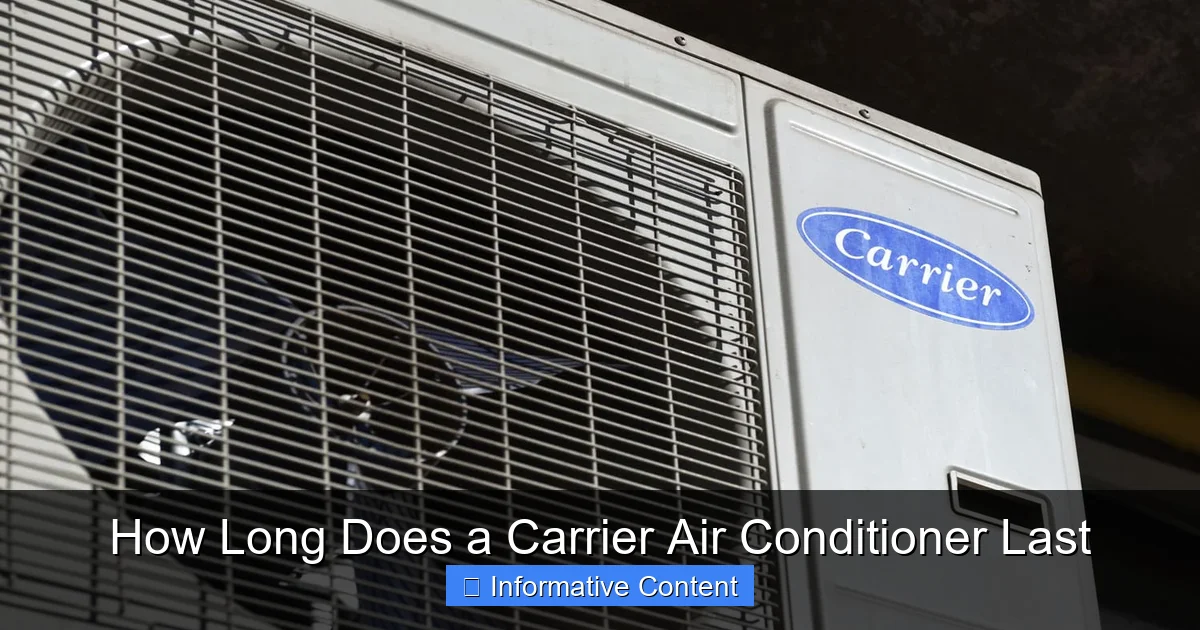
A Carrier air conditioner typically lasts 15 to 20 years with proper care and regular maintenance. However, factors like climate, usage, installation quality, and upkeep can significantly impact its longevity. Investing in routine service and timely repairs helps maximize performance and extend the life of your system.
Key Takeaways
- Typical Lifespan: Most Carrier air conditioners last between 15 and 20 years when well-maintained.
- Maintenance Matters: Regular professional servicing and filter changes can add years to your unit’s life.
- Climate Impact: Units in hot, humid, or coastal areas may wear out faster due to constant use and corrosion.
- Installation Quality: Proper installation by certified technicians ensures optimal performance and longevity.
- Energy Efficiency Decline: Older units lose efficiency over time, increasing energy bills even if they still function.
- Signs It’s Time to Replace: Frequent breakdowns, rising repair costs, and inconsistent cooling are red flags.
- Warranty Coverage: Carrier offers strong warranties, but they often require registration and annual maintenance to stay valid.
📑 Table of Contents
- How Long Does a Carrier Air Conditioner Last?
- Understanding the Average Lifespan of Carrier Air Conditioners
- Factors That Influence How Long Your Carrier AC Will Last
- Signs Your Carrier Air Conditioner Is Nearing the End of Its Life
- How to Extend the Life of Your Carrier Air Conditioner
- Carrier Warranties and What They Cover
- When to Repair vs. Replace Your Carrier Air Conditioner
- Conclusion
How Long Does a Carrier Air Conditioner Last?
When you invest in a high-quality air conditioning system like a Carrier, you expect it to keep your home cool and comfortable for many years. But how long can you really count on it? The answer isn’t one-size-fits-all. While Carrier is known for building durable, reliable units, the actual lifespan of your air conditioner depends on several factors—ranging from how well you maintain it to where you live.
On average, a Carrier air conditioner lasts between 15 and 20 years. That’s a solid range, especially when compared to cheaper or less reputable brands that might start struggling after just 10 years. But this timeline isn’t guaranteed. Think of your AC like a car: even the best models will wear out faster if you skip oil changes, drive in extreme conditions, or ignore warning lights. The same logic applies here. With the right care, your Carrier unit can hit—or even exceed—the 20-year mark. Without it, you might be shopping for a replacement in just a decade.
Understanding what influences your AC’s lifespan helps you make smarter decisions about maintenance, repairs, and eventual replacement. In this guide, we’ll break down the key factors that affect how long your Carrier air conditioner lasts, share practical tips to extend its life, and help you recognize when it’s time to upgrade. Whether you’re a new homeowner or have been relying on the same unit for years, this information will help you get the most out of your investment.
Understanding the Average Lifespan of Carrier Air Conditioners
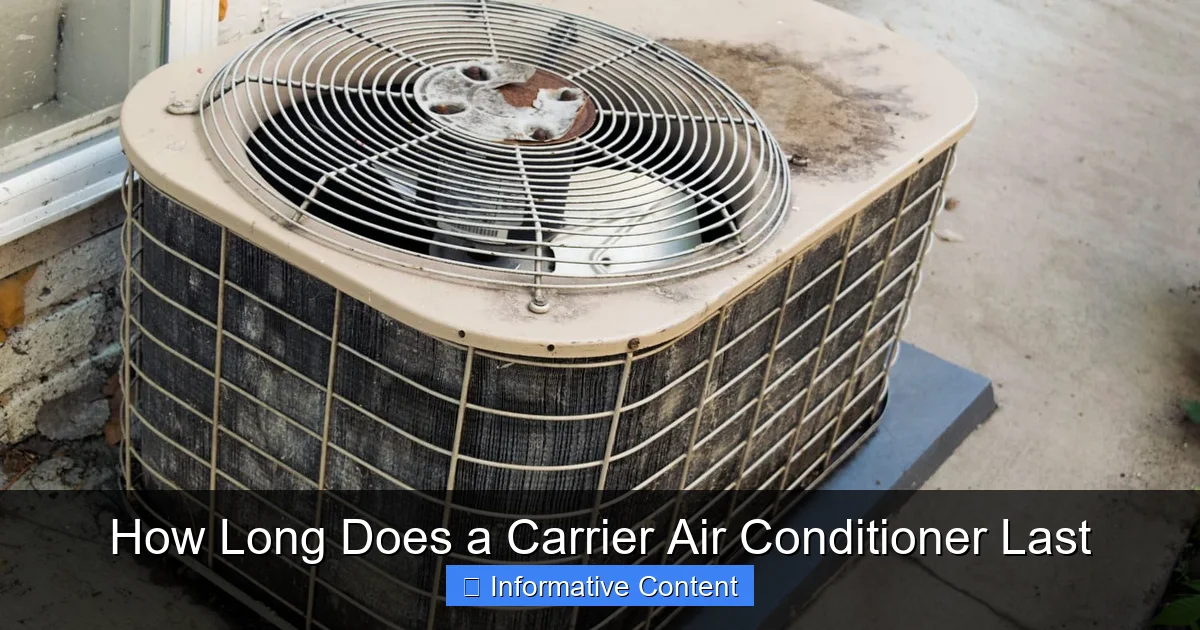
Visual guide about How Long Does a Carrier Air Conditioner Last
Image source: hvacseer.com
So, what’s the magic number? How long does a Carrier air conditioner last? As mentioned, the typical range is 15 to 20 years. But let’s dig a little deeper into what that means and why there’s a range instead of a single number.
Carrier is one of the most trusted names in HVAC, and for good reason. Founded in 1915 by Willis Carrier—the inventor of modern air conditioning—the brand has a long history of innovation and reliability. Their units are built with high-quality components, advanced engineering, and rigorous testing standards. This foundation contributes to their longevity. However, even the best-built machines don’t last forever.
The 15- to 20-year lifespan assumes average usage and decent maintenance. If you live in a mild climate and use your AC only a few months a year, your unit might last closer to 20 years—or even longer. On the flip side, if you’re running your system nearly year-round in a hot, humid region like Florida or Texas, it may start showing signs of wear closer to the 15-year mark.
It’s also important to note that not all parts of the system age at the same rate. The compressor, for example, is the heart of your air conditioner and one of the most expensive components to replace. It typically lasts 10 to 15 years under normal conditions. The evaporator and condenser coils, refrigerant lines, and electrical components also degrade over time. So even if your unit is still running at 18 years, it might not be performing as efficiently as it once did.
Why the Range Isn’t Exact
You might be wondering why there’s such a broad range—why not just say “17 years” and call it a day? The truth is, predicting the exact lifespan of any mechanical system is nearly impossible. It’s like trying to guess how long a person will live based on their genetics alone. Lifestyle, environment, and habits all play a role.
For your Carrier AC, those “lifestyle factors” include how often you use it, how well you maintain it, and the conditions it operates in. A unit that’s serviced annually, has clean filters, and is installed correctly will almost always outlast one that’s neglected. Similarly, a system in a shaded, well-ventilated area will face less strain than one baking in direct sunlight all day.
Real-World Examples
Let’s look at a couple of real-world scenarios to illustrate this point.
Imagine two homeowners, both with identical Carrier 3-ton central air conditioners installed in 2010. Homeowner A lives in Seattle, where summers are mild and AC use is limited to a few weeks per year. They change their air filter every three months and schedule a professional tune-up every spring. By 2025, their unit is still running strong, with only minor repairs needed.
Now consider Homeowner B in Phoenix, where temperatures regularly exceed 100°F from May through September. They rarely change the filter and haven’t had a professional inspection in five years. By 2023, their system is struggling—cooling unevenly, making strange noises, and driving up their energy bills. They’re already thinking about replacement.
Same brand, same model, same installation year—but vastly different outcomes. This shows that while Carrier builds durable units, your actions (or inactions) play a huge role in determining how long your air conditioner lasts.
Factors That Influence How Long Your Carrier AC Will Last
Now that we’ve established the average lifespan, let’s explore the key factors that can either extend or shorten the life of your Carrier air conditioner. Understanding these elements empowers you to take control and maximize your system’s longevity.
1. Maintenance and Servicing
This is the single most important factor. Regular maintenance is like a health check-up for your AC. It keeps everything running smoothly, prevents small issues from becoming big problems, and ensures optimal efficiency.
A well-maintained Carrier unit can easily reach 20 years. During a typical service visit, a technician will:
– Clean or replace air filters
– Inspect and clean coils
– Check refrigerant levels
– Lubricate moving parts
– Test electrical connections
– Measure system performance
Skipping these steps leads to dirt buildup, reduced airflow, and increased strain on components. Over time, this accelerates wear and tear. For example, a clogged filter forces the blower motor to work harder, which can lead to overheating and premature failure.
2. Climate and Environmental Conditions
Where you live has a big impact on your AC’s lifespan. Units in hot, humid climates work much harder than those in cooler regions. Constant cycling—turning on and off frequently—puts extra stress on the compressor and other parts.
Coastal areas present another challenge. Salt air is highly corrosive and can damage metal components, electrical connections, and coils. If you live near the ocean, you may need to invest in protective coatings or enclosures to shield your unit.
Even something as simple as shade matters. A unit installed in direct sunlight will run hotter and less efficiently than one in a shaded area. Consider planting trees or installing a cover (without blocking airflow) to help keep your system cool.
3. Usage Patterns
How often you use your air conditioner also affects its lifespan. If you run it 24/7 during summer, it’s going to wear out faster than a system used only on the hottest days.
That said, running your AC consistently at a moderate temperature (like 78°F) is actually better than constantly turning it on and off or setting it extremely low. Frequent cycling increases wear, while extreme settings force the system to work harder than necessary.
Smart thermostats can help by maintaining steady temperatures and reducing unnecessary runtime. They also allow you to adjust settings remotely, so you’re not cooling an empty house all day.
4. Installation Quality
You can have the best Carrier unit on the market, but if it’s installed incorrectly, it won’t last. Poor installation can lead to:
– Refrigerant leaks
– Improper airflow
– Electrical issues
– Short cycling
– Reduced efficiency
Always hire a licensed, experienced HVAC contractor to install your system. Look for technicians who are NATE-certified (North American Technician Excellence) and familiar with Carrier products. A proper installation includes correct sizing, level placement, secure ductwork, and thorough testing.
5. Air Filter Changes
This might seem minor, but changing your air filter regularly is one of the easiest and most effective ways to protect your AC. A dirty filter restricts airflow, forcing the system to work harder and increasing energy use.
Most experts recommend changing standard 1- to 3-inch filters every 1 to 3 months, depending on usage and air quality. If you have pets, allergies, or live in a dusty area, you may need to change them more often.
High-efficiency filters (like MERV 8–13) can trap more particles but may also restrict airflow if your system isn’t designed for them. Check your owner’s manual or consult a technician before upgrading.
6. Ductwork Condition
Leaky or poorly insulated ducts can reduce efficiency by up to 30%. If your system is working hard but your home still feels warm, the problem might be in the ducts—not the AC unit.
Have your ducts inspected and sealed if necessary. This not only improves comfort but also reduces strain on your Carrier system, helping it last longer.
Signs Your Carrier Air Conditioner Is Nearing the End of Its Life
Even with the best care, all air conditioners eventually reach the end of their useful life. Knowing when to replace your unit can save you money, improve comfort, and prevent emergency breakdowns.
Here are the most common signs that your Carrier air conditioner is on its last legs:
1. Age of the Unit
If your system is 15 years or older, it’s time to start planning for a replacement—even if it’s still working. Older units are less efficient, more prone to breakdowns, and may use outdated refrigerants like R-22 (which is being phased out).
2. Frequent Repairs
If you’re calling a technician multiple times a year, especially for major components like the compressor or condenser, it’s a red flag. As a rule of thumb, if repair costs exceed 50% of the value of a new unit, replacement is usually the better option.
3. Rising Energy Bills
An aging AC loses efficiency over time. If your electricity bills are climbing even though your usage hasn’t changed, your system may be working harder to produce the same cooling.
You can check your system’s SEER (Seasonal Energy Efficiency Ratio) rating. Older units typically have SEER ratings of 10–13, while new models range from 14 to 25+. Upgrading to a high-efficiency Carrier unit can cut your cooling costs by 20–40%.
4. Inconsistent Cooling
If some rooms are cold while others are warm, or if your home takes longer to cool down, your system may be struggling. This could be due to refrigerant leaks, duct issues, or a failing compressor.
5. Strange Noises or Odors
Unusual sounds—like grinding, squealing, or banging—often indicate mechanical problems. Musty smells may point to mold in the ducts or evaporator coil, while a burning odor could signal an electrical issue.
6. Refrigerant Leaks
If you notice ice buildup on the coils or refrigerant lines, it could mean a leak. Recharging refrigerant is only a temporary fix. The underlying issue needs to be repaired, and in older systems, this often isn’t cost-effective.
How to Extend the Life of Your Carrier Air Conditioner
The good news? There are many steps you can take to help your Carrier air conditioner last as long as possible. Most of these are simple, affordable, and can be done by homeowners or with the help of a professional.
1. Schedule Annual Maintenance
This is non-negotiable. Just like your car needs an oil change, your AC needs a yearly tune-up. Most HVAC companies offer maintenance plans that include two visits per year (spring and fall). These plans often come with discounts on repairs and priority service.
During a maintenance visit, a technician will:
– Clean coils and fans
– Check refrigerant levels
– Inspect electrical components
– Test safety controls
– Measure airflow and efficiency
This proactive approach catches small issues before they become costly problems.
2. Change Air Filters Regularly
Set a reminder to check your filter every month. If it looks dirty, replace it. Use high-quality filters that balance filtration and airflow. Pleated filters are a good middle ground—they capture more particles than fiberglass without restricting airflow too much.
3. Keep the Outdoor Unit Clean
The condenser unit (the big box outside your home) needs space to breathe. Keep it clear of leaves, grass, dirt, and debris. Trim back shrubs and plants at least 2 feet on all sides.
Once a year, gently hose down the fins to remove dirt and grime. Be careful not to bend the delicate aluminum fins—use a soft brush if needed.
4. Use a Programmable or Smart Thermostat
These devices help maintain consistent temperatures and reduce unnecessary runtime. For example, you can set your thermostat to raise the temperature when you’re at work and cool the house before you return.
Smart thermostats also provide usage reports and alerts, helping you spot inefficiencies early.
5. Seal and Insulate Ducts
Leaky ducts waste energy and force your AC to work harder. Have a professional inspect your ductwork and seal any gaps with mastic sealant (not duct tape, which degrades over time).
Adding insulation to ducts in unconditioned spaces (like attics or crawl spaces) also improves efficiency.
6. Consider a Surge Protector
Power surges can damage sensitive electrical components in your AC. A whole-house surge protector can help safeguard your system from voltage spikes caused by lightning or grid fluctuations.
7. Upgrade to a High-Efficiency Model When Needed
If your unit is over 15 years old and requires a major repair, it’s often smarter to replace it. Newer Carrier models are significantly more efficient, quieter, and come with advanced features like variable-speed compressors and smart controls.
Look for units with high SEER2 ratings (the new efficiency standard) and ENERGY STAR certification. While the upfront cost is higher, the long-term savings on energy bills and repairs usually justify the investment.
Carrier Warranties and What They Cover
Carrier offers some of the best warranties in the industry, which is another reason their units are known for longevity. However, understanding what’s covered—and what’s not—is crucial.
Most Carrier air conditioners come with a standard 10-year limited warranty on parts. This covers defects in materials and workmanship. Some models, especially those in the Infinity or Performance series, may come with longer warranties or additional coverage.
Important Warranty Conditions
To keep your warranty valid, you must:
– Register your unit within 90 days of installation
– Have it installed by a licensed professional
– Perform regular maintenance (often documented)
Failure to meet these requirements can void your warranty. For example, if your compressor fails at 8 years but you haven’t had annual service, Carrier may deny the claim.
Extended Warranties and Protection Plans
Carrier also offers extended warranty programs through participating dealers. These can cover labor, refrigerant, and even accidental damage. While they come at an additional cost, they provide peace of mind and can save you thousands in repair bills.
Some homeowners also opt for third-party HVAC protection plans, which work similarly to extended car warranties. These plans typically cover parts and labor for a set period or number of service calls.
When to Repair vs. Replace Your Carrier Air Conditioner
Deciding whether to repair or replace your AC can be tough. Here’s a simple framework to help you decide:
The 50% Rule
If the cost of repair is more than 50% of the cost of a new unit, replacement is usually the better choice—especially if the system is over 10 years old.
Age and Efficiency
If your unit is 15+ years old, even a small repair might not be worth it. Newer models are far more efficient and can pay for themselves in energy savings.
Frequency of Breakdowns
If you’re dealing with repeated issues—especially with major components—it’s a sign the system is failing.
Comfort and Air Quality
If your home isn’t cooling properly or you’re noticing more dust and humidity, a new system can dramatically improve comfort.
When in doubt, get a second opinion from a trusted HVAC technician. They can assess your system and provide an honest recommendation.
Conclusion
So, how long does a Carrier air conditioner last? The answer is: it depends. With proper care, regular maintenance, and smart usage, your Carrier unit can reliably cool your home for 15 to 20 years—or even longer. But neglect, harsh conditions, and poor installation can cut that lifespan in half.
The key to maximizing longevity is proactive care. Change your filters, schedule annual service, keep the area around your unit clean, and pay attention to warning signs. And when the time comes, don’t hesitate to invest in a new, high-efficiency model. Modern Carrier systems offer better performance, lower energy bills, and advanced features that make home comfort easier than ever.
Think of your air conditioner as a long-term partner in comfort. Treat it well, and it will serve you faithfully for years to come.
Frequently Asked Questions
How often should I service my Carrier air conditioner?
You should have your Carrier air conditioner professionally serviced at least once a year, ideally in the spring before the cooling season begins. Regular maintenance helps prevent breakdowns and extends the system’s lifespan.
Can a Carrier air conditioner last 25 years?
While rare, it’s possible for a well-maintained Carrier unit to last 25 years, especially in mild climates with minimal usage. However, efficiency and performance will likely decline after 20 years.
What is the most common cause of AC failure?
The most common cause is lack of maintenance, particularly dirty filters and coils. This leads to reduced airflow, overheating, and eventual component failure.
Does where I live affect my AC’s lifespan?
Yes. Hot, humid, or coastal climates put more strain on your system, potentially shortening its lifespan. Regular maintenance is especially important in these areas.
Should I repair or replace my 16-year-old Carrier unit?
If repair costs exceed 50% of a new unit’s price, replacement is usually the better option. Newer models are more efficient and can save you money on energy bills.
Do I need to register my Carrier warranty?
Yes. You must register your unit within 90 days of installation to activate the warranty. Failure to register may void coverage, even if the unit is defective.