
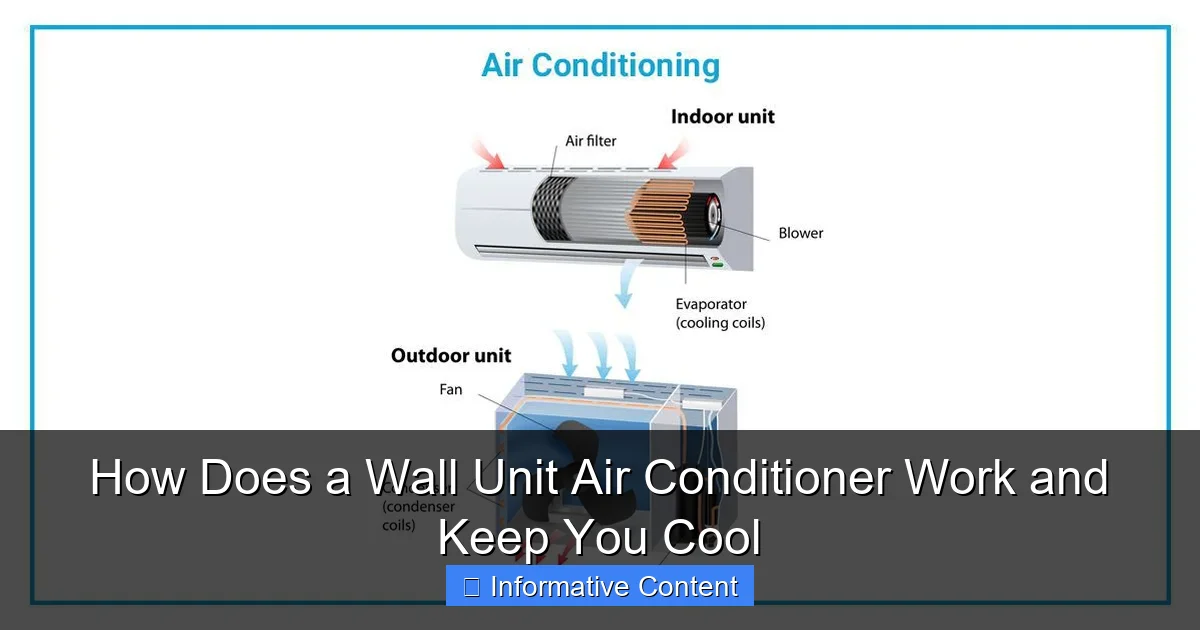
Featured image for how does a wall unit air conditioner work
Image source: cielowigle.com
A wall unit air conditioner works by pulling warm indoor air over a cold evaporator coil, removing heat and moisture to deliver cool, dehumidified air back into the room. Using a sealed refrigerant system, it transfers absorbed heat to the outside through a condenser coil, while a built-in fan circulates conditioned air efficiently—making it a self-contained, powerful cooling solution ideal for single rooms or apartments. No ductwork required, just proper wall installation and access to an exterior vent.
Key Takeaways
- Wall units cool rooms by removing heat and humidity through a refrigeration cycle.
- They draw in warm air, pass it over cold evaporator coils, and blow cooled air back out.
- Refrigerant absorbs heat inside the unit and releases it outside through the condenser.
- Proper installation is crucial to prevent air leaks and ensure efficient operation.
- Regular filter cleaning maintains airflow and improves cooling performance.
- Wall units are self-contained, combining all components in a single housing for easy setup.
📑 Table of Contents
- How a Wall Unit Air Conditioner Cools Your Space
- The Core Components of a Wall Unit Air Conditioner
- The Cooling Cycle: Step-by-Step
- Energy Efficiency and Smart Features
- Installation and Maintenance: Keep It Running Smoothly
- Wall Unit vs. Other AC Types: Pros and Cons
- Conclusion: The Wall Unit—A Cool, Quiet Companion
How a Wall Unit Air Conditioner Cools Your Space
Picture this: It’s the middle of summer. The sun beats down relentlessly, and your house feels more like an oven than a home. You’re sweating, fanning yourself with a magazine, and wondering if you’ll ever feel cool again. Then—you hear it. The soft, steady hum of your wall unit air conditioner kicking on. Within minutes, the air shifts. It’s cooler. Crisper. Suddenly, relief.
But have you ever paused to wonder how does a wall unit air conditioner work to deliver that instant comfort? Unlike central AC systems that use ducts, a wall unit (also called a through-the-wall or windowless AC) is a self-contained hero. It’s compact, efficient, and designed to cool a single room without complex installation. Whether you rent an apartment, live in a small space, or just want targeted cooling, understanding how it works can help you use it better, save money, and avoid common pitfalls.
The Core Components of a Wall Unit Air Conditioner
Let’s start with the basics. A wall unit air conditioner isn’t magic—it’s science, packaged into a sleek box. At its heart, it’s a mini refrigeration system. Think of it like a refrigerator, but instead of cooling food, it cools air. Here’s what’s inside and how each part plays a role.
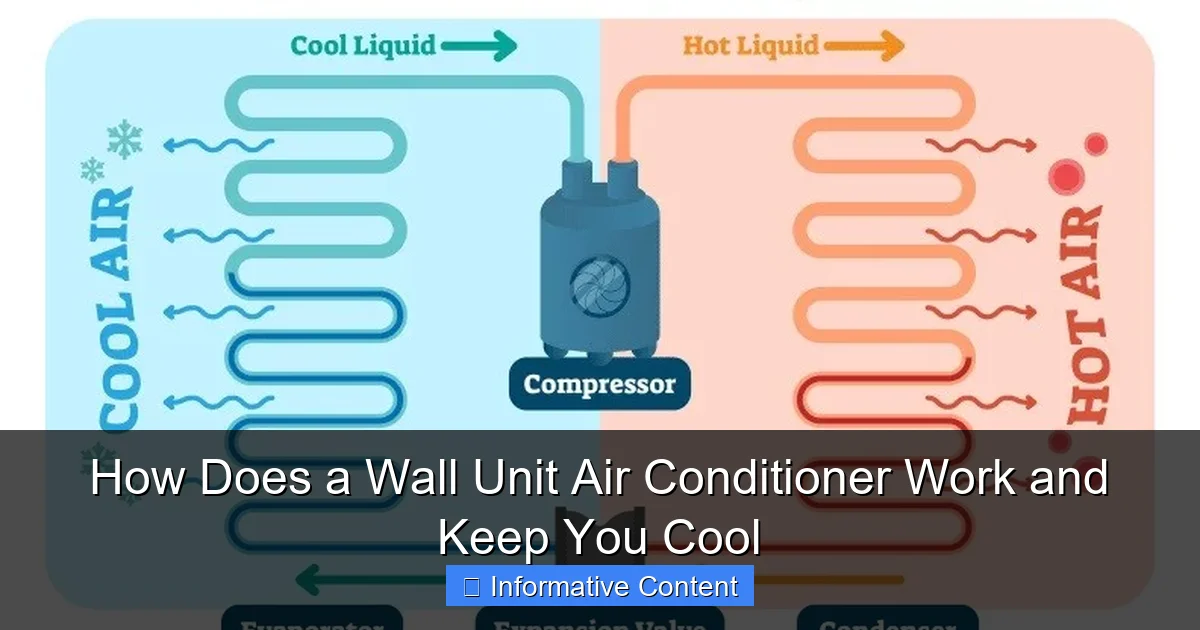
Visual guide about how does a wall unit air conditioner work
Image source: balmainairconditioning.com.au
1. The Refrigerant: The Cooling Superstar
The refrigerant is the lifeblood of your wall unit. It’s a special fluid (often R-410A or R-32 in modern units) that changes from liquid to gas and back again as it cycles through the system. This phase change is what absorbs and releases heat—exactly how your unit cools the air.
- When the refrigerant is a cold liquid, it absorbs heat from your room’s air.
- As it turns into a gas, it carries that heat outside.
- Once outside, it releases the heat and turns back into a liquid—ready to repeat the cycle.
Fun fact: The refrigerant never gets used up. It’s sealed in the system for the unit’s entire life. If your AC is low on refrigerant, it usually means there’s a leak—a job for a professional.
2. Compressor: The Heart of the System
The compressor is like the heart. It pumps the refrigerant through the system under high pressure. This raises the refrigerant’s temperature and energy, preparing it to release heat outside.
- Located on the outdoor side of the unit.
- Starts and stops based on thermostat settings.
- Uses electricity—so a louder hum often means it’s working hard.
Tip: If your unit suddenly stops cooling, a faulty compressor is a common culprit. But don’t panic—many units have diagnostic lights or error codes to help identify the issue.
3. Condenser Coil and Fan: The Heat Disposer
The condenser coil is where the magic of heat rejection happens. After the refrigerant leaves the compressor, it flows into the condenser coil on the outdoor side. The fan blows air over the coil, helping the refrigerant release its heat into the outside air.
- The coil is usually made of copper or aluminum—excellent heat conductors.
- Dirty coils reduce efficiency. Clean them annually.
- The fan runs continuously when the unit is cooling.
Real-world example: I once had a wall unit that stopped cooling. Turns out, leaves and dust had clogged the condenser coil. A quick vacuum and wipe restored 90% of its cooling power.
4. Evaporator Coil and Fan: The Cool Air Creator
Now the refrigerant, cooled and depressurized, moves to the evaporator coil on the indoor side. The indoor fan pulls warm room air over this cold coil. The refrigerant absorbs the heat, cooling the air. The fan then blows that cool air back into your room.
- This is where you feel the “cold blast” when standing near the unit.
- Moisture in the air condenses on the coil—this is why your unit drips water outside.
- The fan can often be set to “on” or “auto”—auto is more energy-efficient.
5. Expansion Valve: The Pressure Regulator
Before the refrigerant returns to the evaporator, it passes through the expansion valve. This tiny component reduces the refrigerant’s pressure and temperature, turning it into a cold liquid ready to absorb heat again.
- Think of it like a water hose nozzle—narrowing the flow increases speed and lowers pressure.
- Crucial for maintaining the right refrigerant cycle.
The Cooling Cycle: Step-by-Step
Now that we’ve met the team, let’s see how they work together. The cooling cycle in a wall unit air conditioner is a continuous loop, driven by thermodynamics. Here’s what happens, step by step, every time your unit runs.
Step 1: Warm Air Enters the Indoor Unit
When you set your thermostat to “cool,” the indoor fan turns on. It sucks warm air from your room through the return air grille (usually at the top or front of the unit).
- This air is typically 75–85°F (24–29°C) in summer.
- As it passes through, dust and allergens are caught by the air filter (more on that later).
Pro tip: Keep furniture at least 12 inches away from the unit so air can flow freely. Blocked airflow makes the system work harder and cools less efficiently.
Step 2: Heat Is Absorbed by the Evaporator Coil
The warm air moves over the cold evaporator coil. The refrigerant inside the coil is much colder—often below 40°F (4°C). Heat transfers from the air to the refrigerant, cooling the air by 15–20°F.
- This is called “sensible cooling”—you feel the temperature drop.
- Moisture in the air condenses on the coil, forming water. This drains out through a hose or pan on the outdoor side.
Why this matters: Dehumidification is a bonus. In humid climates, wall units can make rooms feel significantly more comfortable—even if the temp doesn’t drop much.
Step 3: Cool Air Is Blown Back Into the Room
The now-cool air is pushed back into your space by the indoor fan. The cycle repeats until the room reaches your thermostat’s set temperature.
- Fan speed affects how far the air travels. Higher speeds cover larger rooms.
- Some units have oscillating louvers to spread air evenly.
Step 4: Hot Refrigerant Moves Outside
The refrigerant, now a warm gas, travels through insulated copper lines to the outdoor side of the unit. Here, the compressor pressurizes it further, making it even hotter—often over 100°F (38°C).
Step 5: Heat Is Released Through the Condenser Coil
The hot refrigerant flows into the condenser coil. The outdoor fan blows outside air over the coil. Heat transfers from the refrigerant to the air, cooling the refrigerant back into a liquid.
- This is why the outdoor side of your unit gets hot and noisy.
- On a 90°F day, the air blowing out can be 110–120°F.
Step 6: Refrigerant Returns to the Indoor Side
The now-cool liquid refrigerant passes through the expansion valve, drops in pressure, and becomes a cold liquid again. It returns to the evaporator coil—ready to absorb more heat.
Cycle complete! This loop repeats 20–30 times per hour, keeping your room cool and stable.
Energy Efficiency and Smart Features
Not all wall units are created equal. Modern units come with features that boost efficiency, comfort, and convenience. Understanding these can help you pick the right unit—and use it wisely.
SEER Rating: What It Means and Why It Matters
SEER stands for Seasonal Energy Efficiency Ratio. It measures how much cooling a unit delivers per unit of electricity used. Think of it like miles per gallon for your car.
- Low SEER (8–10): Older or budget models. Uses more electricity.
- Mid SEER (12–14): Standard for most modern units.
- High SEER (16+): Premium models. Cuts energy bills by 30–50%.
Example: A 10,000 BTU unit with a SEER of 12 uses about 833 watts. With SEER 16, it uses only 625 watts for the same cooling. Over a summer, that’s hundreds of watt-hours saved.
Smart Thermostats and Remote Controls
Many wall units now come with Wi-Fi or app control. You can:
- Turn the unit on before you get home.
- Adjust settings from your phone.
- Get energy usage reports.
My experience: I used to come home to a hot apartment. Now, I start the AC 30 minutes before I arrive. It’s a game-changer for comfort—and my electricity bill dropped because the unit runs less when I’m not home.
Programmable Timers and Sleep Modes
Timers let you set the unit to turn on or off at specific times. Sleep mode gradually adjusts the temperature overnight—cooler at first, then slightly warmer to save energy while you sleep.
- Great for bedrooms. No more waking up freezing at 3 AM.
- Some units learn your habits and adjust automatically.
Energy-Saving Tips for Wall Units
- Use “auto” fan mode. It only runs the fan when cooling, saving 10–15% energy.
- Clean filters monthly. A clogged filter reduces airflow and efficiency.
- Close doors and curtains. Keep cool air in and hot sun out.
- Set the thermostat to 78°F (25.5°C). Every degree lower can increase energy use by 6–8%.
Installation and Maintenance: Keep It Running Smoothly
Even the best wall unit won’t perform well if it’s poorly installed or neglected. Here’s what you need to know to get the most out of your investment.
Proper Installation: The Foundation of Performance
Wall units require a sleeve (a metal or plastic frame) installed through a hole in the wall. The unit slides into this sleeve, with the indoor side inside and the outdoor side exposed.
- Sleeve size matters. Measure carefully—most units fit 26” x 15.75” sleeves.
- Seal gaps with foam or caulk. Prevents air leaks and insects.
- Tilt slightly outward. Ensures condensation drains outside.
Warning: Never install a wall unit in a window sleeve meant for a window AC. The weight and design are different—it could fall or leak.
Routine Maintenance Tasks
A little care goes a long way. Do these every 1–3 months:
- Clean the air filter. Rinse it with water or vacuum. Dry completely before reinstalling.
- Wipe the indoor and outdoor coils. Use a soft brush or coil cleaner. Avoid bending the fins.
- Check the drain pan and hose. Clear any clogs to prevent leaks.
- Inspect the seal and insulation. Replace if cracked or missing.
My routine: Every spring, I give my unit a full cleaning. It takes 30 minutes and saves me from breakdowns in peak summer.
When to Call a Pro
Some issues need professional help:
- No cooling. Could be refrigerant leak, compressor failure, or electrical issue.
- Strange noises. Grinding or banging might mean a failing fan motor.
- Frequent cycling. Unit turns on and off too often—could be thermostat or refrigerant problem.
Most manufacturers offer 1–5 year warranties on parts and labor. Keep your receipt and manual handy.
Wall Unit vs. Other AC Types: Pros and Cons
Is a wall unit right for you? Let’s compare it to other common air conditioning options. This table breaks down the key differences.
Comparison Table: Wall Unit vs. Alternatives
| Feature | Wall Unit AC | Window AC | Portable AC | Central AC |
|---|---|---|---|---|
| Cooling Area | Single room (up to 500 sq ft) | Single room (up to 400 sq ft) | Single room (up to 300 sq ft) | Whole house |
| Installation | Through wall (permanent) | Window (temporary) | Plug and use (temporary) | Ducts and outdoor unit (permanent) |
| Energy Efficiency | High (SEER 12–18) | Medium (SEER 10–14) | Low (SEER 8–12) | High (SEER 13–26) |
| Cost (Unit + Install) | $300–$1,200 | $150–$600 | $300–$800 | $3,000–$10,000 |
| Noise Level | Low to medium (indoor), medium (outdoor) | Medium to high | Medium to high | Low (indoor), medium (outdoor) |
| Best For | Renovated homes, apartments, targeted cooling | Rentals, temporary use | No window access, temporary | Large homes, consistent cooling |
Takeaway: Wall units offer a sweet spot between efficiency and convenience. They’re quieter than window units, more efficient than portables, and perfect for rooms you use most—like bedrooms or home offices.
Conclusion: The Wall Unit—A Cool, Quiet Companion
So, how does a wall unit air conditioner work? It’s a compact, self-contained system that moves heat from inside to outside using a refrigerant cycle. From the evaporator coil that cools your air to the condenser that releases heat, every part plays a role in keeping you comfortable. And with smart features, high efficiency, and low maintenance, it’s one of the most practical cooling solutions for modern living.
Whether you’re cooling a cozy studio or adding comfort to a sunroom, a wall unit is more than just a box on the wall. It’s a carefully engineered system designed to fight the heat—quietly, efficiently, and reliably. Just remember: clean the filter, seal the gaps, and let the science do the rest.
Next time you hear that familiar hum, you’ll know exactly what’s happening behind the scenes. And that cool breeze? That’s not just comfort. It’s engineering, working for you.
Frequently Asked Questions
How does a wall unit air conditioner work to cool a room?
A wall unit air conditioner works by drawing warm indoor air over a cold evaporator coil, which absorbs heat and moisture. The cooled air is then blown back into the room, while the extracted heat is expelled outside through the condenser coil and exhaust system.
What are the main components of a wall unit air conditioner?
The key components include the evaporator coil (inside), condenser coil (outside), compressor, fan, refrigerant, and thermostat. These parts work together to transfer heat from inside your home to the outdoors, creating a cooling effect.
Do wall unit air conditioners require outdoor access to function?
Yes, a wall unit air conditioner must be installed through an exterior wall or window to vent hot air outside. The outdoor section releases heat absorbed from the indoor air, which is essential for the cooling cycle to work efficiently.
How does a wall unit air conditioner remove humidity?
As warm air passes over the cold evaporator coil, moisture condenses on the coil and drips into a drainage tray. This process dehumidifies the air before it’s recirculated, improving comfort and reducing muggy conditions.
Can a wall unit air conditioner work without a refrigerant?
No, refrigerant is essential for a wall unit air conditioner to transfer heat. The refrigerant absorbs indoor heat as it evaporates and releases it outside as it condenses, enabling the cooling cycle to continue.
How energy-efficient are wall unit air conditioners compared to central AC?
Wall unit air conditioners are often more energy-efficient for cooling single rooms, as they avoid the energy losses of ductwork. Look for models with a high SEER rating to maximize efficiency and reduce electricity costs.