
Featured image for how does a wall air conditioner work
Image source: hvaclifehack.com
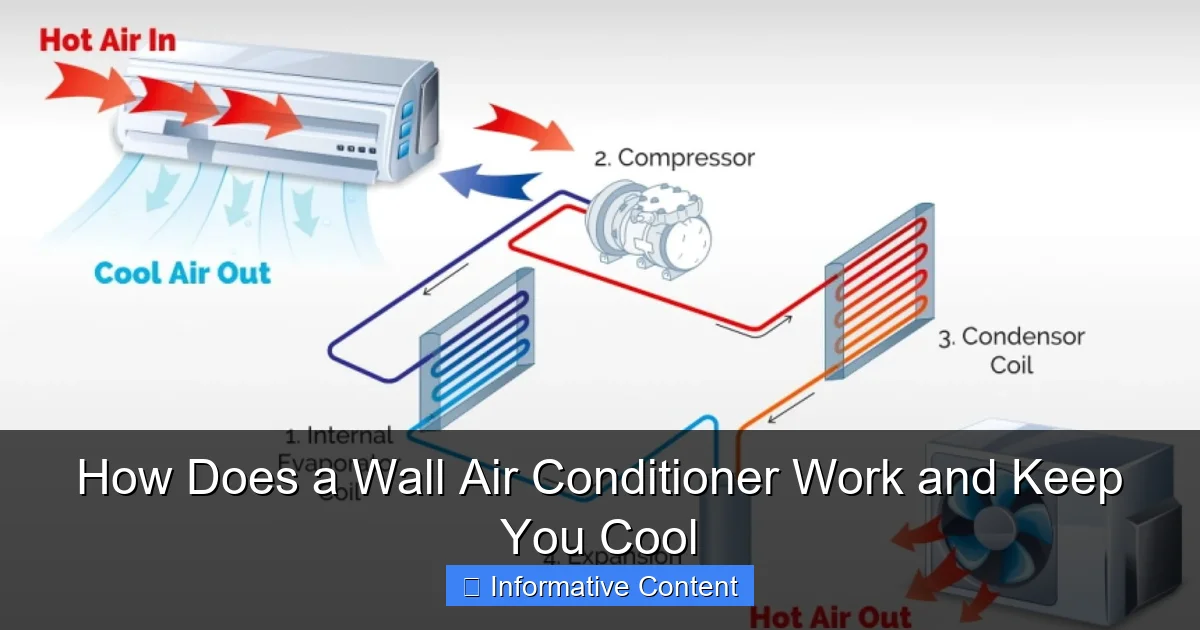
A wall air conditioner works by pulling warm indoor air over a cold evaporator coil, removing heat and moisture to deliver cool, dehumidified air back into the room. Using a sealed refrigerant system, it transfers absorbed heat to the outside via a condenser coil and exhaust fan, efficiently cooling your space without the need for complex ductwork. This compact, self-contained design makes wall units ideal for targeted, energy-efficient cooling in single rooms or apartments.
Key Takeaways
- Wall ACs cool air by absorbing heat and releasing it outside.
- Thermostats regulate temperature for consistent, energy-efficient cooling.
- Proper installation matters to prevent air leaks and maximize efficiency.
- Regular filter cleaning ensures better airflow and cleaner air.
- Drainage is essential to avoid mold and water damage issues.
- Seal gaps around unit to boost cooling and reduce energy waste.
📑 Table of Contents
- How Does a Wall Air Conditioner Work and Keep You Cool
- Understanding the Basics: What Is a Wall Air Conditioner?
- The Cooling Process: How a Wall Air Conditioner Removes Heat
- Energy Efficiency and How It Affects Your Cooling Experience
- Installation and Maintenance: Keeping Your Unit Running Smoothly
- Choosing the Right Wall Air Conditioner for Your Space
- Conclusion: Staying Cool with Confidence
How Does a Wall Air Conditioner Work and Keep You Cool
It’s a sweltering summer afternoon. The sun blazes through the window, turning your living room into a sauna. You’re sweating, your clothes are sticking to your skin, and all you want is a cool breeze. You walk over to the wall, flip a switch, and—ah!—a refreshing stream of cold air washes over you. That’s the magic of a wall air conditioner.
Wall air conditioners are a popular choice for homes, apartments, and offices where central air isn’t an option. They’re compact, efficient, and can cool a room quickly. But have you ever stopped to wonder how they actually work? How does a box on the wall turn hot, sticky air into a cool, comfortable environment? It’s not magic—it’s science, engineering, and a clever bit of thermodynamics working together. In this guide, we’ll break down exactly how a wall air conditioner works, step by step, so you can appreciate the technology keeping you cool all summer long.
Understanding the Basics: What Is a Wall Air Conditioner?
A wall air conditioner, also known as a through-the-wall AC unit, is a self-contained cooling system installed directly into an exterior wall. Unlike window units that sit in a window frame, wall units are built into the wall itself, offering a more permanent and often more aesthetically pleasing solution. They’re commonly used in apartments, hotels, offices, and older homes without ductwork.
Visual guide about how does a wall air conditioner work
Image source: id.sharp
Key Components of a Wall Air Conditioner
To understand how a wall air conditioner works, it helps to know what’s inside. Most units contain the same core components, each playing a vital role in the cooling process:
- Compressor: Often called the “heart” of the AC, the compressor pressurizes the refrigerant, turning it from a low-pressure gas into a high-pressure, high-temperature gas.
- Condenser Coil: Located on the outdoor side of the unit, the condenser coil releases heat from the refrigerant into the outside air, causing the refrigerant to cool and condense into a liquid.
- Expansion Valve: This small device controls the flow of refrigerant into the evaporator coil, reducing its pressure and temperature.
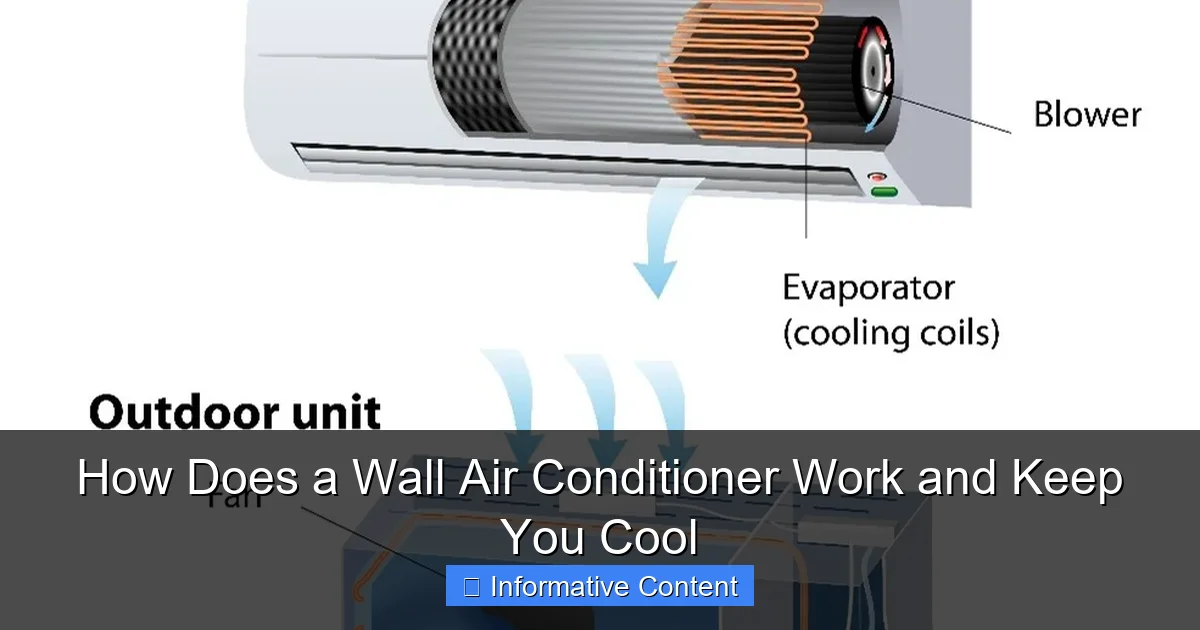
- Evaporator Coil: Found on the indoor side, the evaporator coil absorbs heat from the room’s air, cooling it down before it’s blown back into the space.
- Fan: Two fans are typically used—one to blow air over the evaporator coil (indoor) and another to expel heat from the condenser coil (outdoor).
- Air Filter: Traps dust, pollen, and other particles to improve indoor air quality and protect internal components.
- Thermostat: Allows you to set and maintain your desired room temperature.
These parts work together in a continuous cycle, transferring heat from inside your home to the outside. It’s a bit like a refrigerator, but instead of cooling a small insulated box, it cools an entire room.
Types of Wall Air Conditioners
Not all wall air conditioners are the same. They come in different styles and capabilities, depending on your needs:
- Single-Hose Units: These draw in outdoor air to cool the condenser, then expel it back outside. They’re simpler and cheaper but less efficient because they create negative pressure inside the room, pulling in warm air from gaps and cracks.
- Dual-Hose Units: These use one hose to bring in outdoor air for cooling the condenser and another to expel the heated air. They’re more efficient and better at maintaining consistent cooling.
- Heat Pump Models: Some wall units double as heaters in the winter, using the same refrigeration cycle in reverse to provide warmth. These are great for year-round climate control.
- Smart Wall ACs: Equipped with Wi-Fi and app control, these units let you adjust temperature, set schedules, and monitor energy use from your phone.
Choosing the right type depends on your climate, budget, and how much control you want over your indoor environment.
The Cooling Process: How a Wall Air Conditioner Removes Heat
Now for the fun part—how does a wall air conditioner actually cool your room? It all comes down to the refrigeration cycle, a process that moves heat from one place to another using a special fluid called refrigerant. Let’s walk through it step by step.
Step 1: The Compressor Pressurizes the Refrigerant
It starts with the compressor, which sits on the outdoor side of the unit. When you turn on the AC, the compressor kicks into action, sucking in low-pressure, cool refrigerant gas from the evaporator coil. It then squeezes this gas, increasing its pressure and temperature dramatically. Think of it like pumping up a bicycle tire—the more you compress the air, the hotter it gets.
This high-pressure, high-temperature gas is now ready to release its heat—but not inside your home. That’s where the condenser coil comes in.
Step 2: The Condenser Coil Releases Heat Outside
The hot refrigerant gas flows into the condenser coil, which is exposed to the outdoor air. A fan blows air over the coil, helping the refrigerant release its heat into the atmosphere. As it loses heat, the refrigerant begins to cool down and change phase—from a gas to a liquid.
Imagine steam cooling into water droplets on a cold window. That’s essentially what’s happening here, but in reverse. The refrigerant is giving up its heat so it can become a liquid again.
Step 3: The Expansion Valve Lowers Pressure and Temperature
Now the liquid refrigerant moves through the expansion valve, a narrow passage that restricts flow. As the refrigerant passes through, its pressure drops suddenly. This causes it to cool down significantly—sometimes to below freezing temperatures.
This cold, low-pressure liquid is now ready to absorb heat from your indoor air. It flows into the evaporator coil, located on the indoor side of the unit.
Step 4: The Evaporator Coil Absorbs Indoor Heat
Inside your room, warm air is drawn in through the front grille of the AC unit by an internal fan. This air passes over the cold evaporator coil. As the warm air touches the cold coil, heat transfers from the air to the refrigerant. The air cools down and is blown back into the room, while the refrigerant absorbs the heat and turns back into a gas.
It’s like when sweat evaporates from your skin on a hot day—it cools you down. Here, the refrigerant is “sweating” heat out of your room.
Step 5: The Cycle Repeats
The now-warm, low-pressure refrigerant gas returns to the compressor, and the entire cycle starts again. This continuous loop keeps your room cool as long as the AC is running.
And what about the moisture? As warm air passes over the cold evaporator coil, water vapor in the air condenses into droplets—just like dew on grass. This moisture collects in a drain pan and is either evaporated by the outdoor fan or drained outside through a small tube.
So not only does your wall air conditioner cool the air, it also reduces humidity, making the room feel even more comfortable.
Energy Efficiency and How It Affects Your Cooling Experience
When it comes to air conditioning, efficiency isn’t just about saving money—it’s about performance, comfort, and environmental impact. A more efficient wall air conditioner cools your room faster, uses less electricity, and puts less strain on the system, which can extend its lifespan.
Understanding SEER and EER Ratings
Efficiency is measured using two key ratings:
- EER (Energy Efficiency Ratio): This measures how efficiently the unit operates at a specific temperature (usually 95°F). It’s calculated by dividing cooling output (in BTUs) by power input (in watts). A higher EER means better efficiency.
- SEER (Seasonal Energy Efficiency Ratio): This is more common for central air systems, but some wall units also use it. SEER measures efficiency over an entire cooling season, accounting for varying temperatures. Again, higher is better.
For wall air conditioners, look for units with an EER of at least 10. Many modern models range from 10 to 12 or higher. Some high-efficiency units even reach 14 or 15, especially dual-hose or inverter models.
Factors That Impact Efficiency
Even the most efficient wall air conditioner can underperform if it’s not used correctly. Here are some real-world factors that affect how well your unit cools:
- Room Size: A unit that’s too small will struggle to cool a large room, running constantly and using more energy. One that’s too big will cool the room quickly but may not remove enough humidity, leaving it clammy. Match the BTU rating to your room size (see table below).
- Insulation and Sealing: Poor insulation, leaky windows, or gaps around doors let cool air escape and warm air sneak in. Seal cracks and consider adding weatherstripping to maximize efficiency.
- Sun Exposure: Rooms with large south- or west-facing windows get hotter. Use blinds, curtains, or reflective film to reduce solar heat gain.
- Thermostat Settings: Setting the thermostat too low doesn’t cool the room faster—it just runs longer. Aim for 72–78°F for comfort and efficiency.
- Maintenance: A dirty filter or clogged coils reduce airflow and force the unit to work harder. Clean or replace the filter monthly during peak use.
Practical Tips to Improve Efficiency
Here are some easy ways to get the most out of your wall air conditioner:
- Use a programmable or smart thermostat to automatically adjust the temperature when you’re away.
- Close doors to unused rooms to focus cooling where you need it.
- Run ceiling fans to help circulate cool air—fans make you feel 4–6°F cooler, so you can raise the thermostat.
- Install the unit in a shaded area if possible, or use an awning to block direct sunlight.
- Upgrade to a model with inverter technology, which adjusts compressor speed instead of turning on and off, saving energy and maintaining steady temperatures.
Small changes can make a big difference. For example, raising your thermostat by just 2°F can reduce cooling costs by up to 10%.
Installation and Maintenance: Keeping Your Unit Running Smoothly
A wall air conditioner is only as good as its installation and upkeep. Even the best unit won’t perform well if it’s poorly installed or neglected. Let’s look at what it takes to set it up right and keep it running for years.
Professional vs. DIY Installation
Installing a wall air conditioner isn’t as simple as plugging it in. It requires cutting a hole in an exterior wall, securing the unit, and ensuring proper insulation and drainage. Here’s what to consider:
- Professional Installation: Recommended for most people. HVAC technicians have the tools and expertise to size the opening correctly, seal gaps, and ensure electrical safety. They’ll also check local building codes and permits.
- DIY Installation: Possible if you’re handy and the unit comes with a sleeve or mounting kit. However, mistakes can lead to air leaks, water damage, or electrical hazards. Only attempt this if you’re confident in your skills.
Tip: Always measure your wall space before buying. Most units require a sleeve (a metal frame) to be installed first, which stays in place even if you replace the AC later.
Routine Maintenance Tasks
Regular maintenance keeps your wall air conditioner efficient and extends its life. Here’s a simple checklist:
- Clean the Air Filter: Remove and wash the filter every 1–2 months during cooling season. A clogged filter restricts airflow and reduces cooling power.
- Inspect the Condenser and Evaporator Coils: Dust and debris can build up on the coils, reducing heat transfer. Use a soft brush or vacuum to clean them gently.
- Check the Drain Pan and Drain Line: Make sure the drain pan isn’t cracked and the drain line isn’t clogged. Standing water can cause mold or leaks.
- Clear Outdoor Obstructions: Keep the outdoor side of the unit free of leaves, dirt, and overgrown plants. At least 12 inches of clearance is recommended.
- Listen for Unusual Noises: Rattling, grinding, or squealing sounds could indicate loose parts, worn bearings, or refrigerant issues. Address them early.
Many manufacturers recommend an annual professional inspection, especially before the summer season. A technician can check refrigerant levels, test electrical connections, and ensure everything is working safely.
Signs It’s Time to Replace Your Unit
Even with good care, wall air conditioners don’t last forever. Most units last 10–15 years. Here are signs it might be time for an upgrade:
- Frequent repairs or rising energy bills
- Inconsistent cooling or longer run times
- Unusual noises or odors
- Visible rust, leaks, or corrosion
- Outdated technology (e.g., no energy-saving features)
Replacing an old unit with a newer, more efficient model can save you money in the long run and improve your comfort.
Choosing the Right Wall Air Conditioner for Your Space
With so many options on the market, picking the right wall air conditioner can feel overwhelming. But it doesn’t have to be. Focus on a few key factors, and you’ll find the perfect fit for your home.
BTU Rating: Matching Cooling Power to Room Size
BTU (British Thermal Unit) measures how much heat the AC can remove per hour. Too few BTUs, and your room stays warm. Too many, and you’ll waste energy and over-dehumidify. Use this table as a guide:
| Room Size (sq. ft.) | Recommended BTU |
|---|---|
| 100–150 | 5,000 |
| 150–250 | 6,000 |
| 250–300 | 7,000 |
| 300–350 | 8,000 |
| 350–400 | 9,000 |
| 400–450 | 10,000 |
| 450–550 | 12,000 |
| 550–700 | 14,000 |
| 700–1,000 | 18,000–24,000 |
Note: Adjust for high ceilings, lots of windows, or extreme climates. Add 10% BTU for sunny rooms, subtract 10% for shaded ones.
Features to Look For
Modern wall air conditioners come with a range of features that improve comfort and convenience:
- Remote Control: Adjust settings from across the room.
- Timer Function: Set the AC to turn on or off at specific times.
- Sleep Mode: Gradually increases temperature at night for better rest.
- Dehumidifier Mode: Removes moisture without overcooling.
- Energy-Saving Mode: Reduces power consumption during mild weather.
- Wi-Fi Connectivity: Control your AC from your smartphone, even when you’re away.
If you live in a humid climate, look for a unit with strong dehumidifying capability. If you’re eco-conscious, choose an ENERGY STAR-certified model.
Brand and Warranty Considerations
Stick with reputable brands like LG, Frigidaire, GE, or Friedrich. They offer reliable performance, good customer support, and longer warranties. Most units come with a 1-year parts and labor warranty, but some offer 2–5 years on the compressor.
Read reviews and check ratings on sites like Consumer Reports or Energy Star to compare models.
Conclusion: Staying Cool with Confidence
Wall air conditioners are more than just boxes on the wall—they’re sophisticated machines that use science and engineering to keep you comfortable during the hottest days of the year. By understanding how they work, you can make smarter choices about installation, maintenance, and usage.
From the compressor squeezing refrigerant to the evaporator coil absorbing heat, every part plays a role in creating that refreshing blast of cool air. And with proper care—like cleaning filters, sealing gaps, and choosing the right size—you can enjoy efficient, reliable cooling for over a decade.
So the next time you flip that switch and feel the cool air wash over you, take a moment to appreciate the quiet, hardworking unit on your wall. It’s not just keeping you cool—it’s doing it with precision, efficiency, and a little bit of thermodynamic magic.
Frequently Asked Questions
How does a wall air conditioner work to cool a room?
A wall air conditioner works by drawing in warm indoor air, passing it over cold evaporator coils filled with refrigerant, and then blowing the cooled air back into the room. The refrigerant absorbs heat from the air and carries it outside through the unit’s exhaust system.
What makes a wall-mounted AC unit different from other air conditioners?
Unlike window or portable units, a wall air conditioner is installed directly into a wall, providing a more permanent and space-efficient cooling solution. This design allows for better insulation and often delivers more consistent cooling performance.
How does the refrigerant in a wall AC cool the air?
The refrigerant circulates through sealed coils, absorbing heat from indoor air as it evaporates inside the unit. It then travels to the condenser coil, where it releases the heat outside and cools down to repeat the cycle.
Do wall air conditioners also dehumidify the air?
Yes, wall air conditioners remove moisture from the air as warm air passes over the cold evaporator coils, causing condensation. This helps reduce indoor humidity, making the space feel cooler and more comfortable.
Can a wall air conditioner work without outdoor ventilation?
No, a wall air conditioner requires proper outdoor ventilation to expel heat absorbed from the indoor air. Without it, the unit cannot effectively cool the room and may overheat or shut down.
How energy-efficient are wall air conditioners compared to central AC?
Wall air conditioners are generally more energy-efficient for cooling single rooms, as they don’t waste energy cooling unused spaces like central AC systems. Look for units with a high Energy Efficiency Ratio (EER) to maximize savings.