
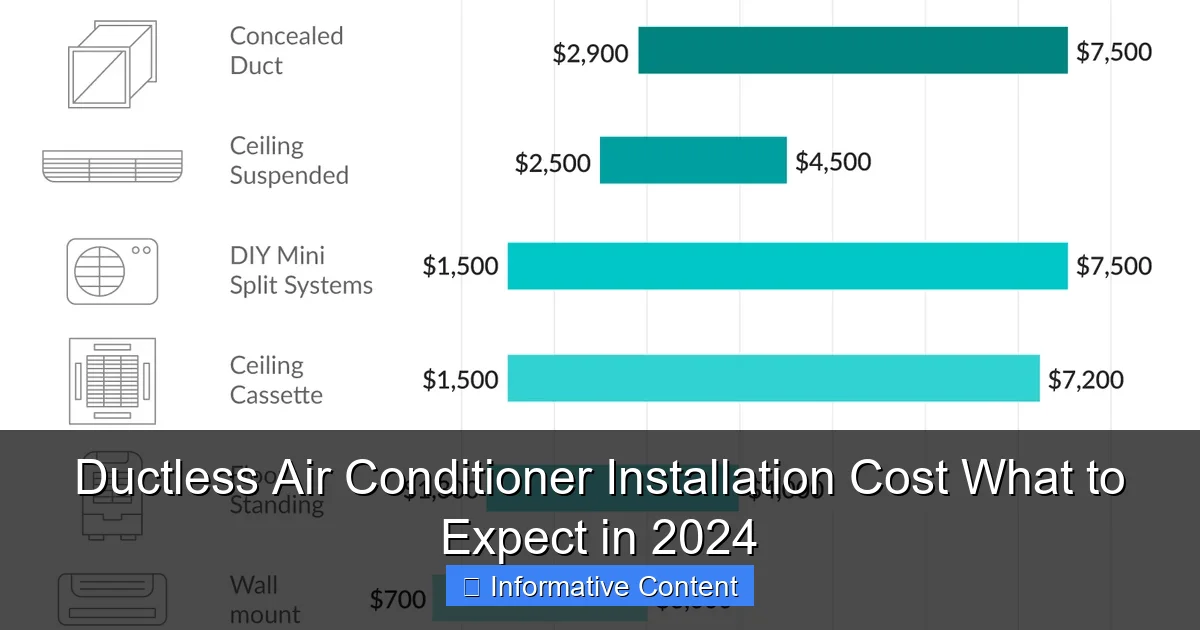
Featured image for ductless air conditioner installation cost
Image source: cdn.fixr.com
The average ductless air conditioner installation cost in 2024 ranges from $3,000 to $10,000, depending on system size, number of zones, and labor complexity. Single-zone units are the most budget-friendly, while multi-zone setups for whole homes significantly increase price due to added equipment and installation time. Always get multiple quotes and consider long-term energy savings when evaluating your investment.
Key Takeaways
- Costs range $2,000–$10,000: Depends on unit size and installation complexity.
- Get multiple quotes: Compare local installers for best pricing and service.
- Size impacts price: Larger homes need multi-zone systems, increasing costs.
- Rebates save money: Check for 2024 tax credits and energy-efficiency incentives.
- DIY not recommended: Professional installation ensures safety and warranty compliance.
- Long-term savings: Lower energy bills offset higher upfront costs over time.
📑 Table of Contents
- What Is a Ductless Air Conditioner and Why Should You Consider One?
- Factors That Influence Ductless AC Installation Cost
- Average Ductless Air Conditioner Installation Cost in 2024
- How to Save Money on Ductless AC Installation
- What to Expect During the Installation Process
- Long-Term Value: Is a Ductless AC Worth the Cost?
- Final Thoughts: Making the Smart Choice for Your Home
What Is a Ductless Air Conditioner and Why Should You Consider One?
Imagine this: it’s the middle of July, the sun is blazing, and your home feels more like a sauna than a sanctuary. You’ve been relying on fans and portable AC units, but they’re loud, inefficient, and barely making a dent. Then your neighbor mentions their new ductless air conditioner. It’s quiet, cools the entire house evenly, and slashed their summer energy bill by nearly 30%. You’re intrigued—but then you wonder, how much does a ductless air conditioner installation cost?
That’s exactly what we’re diving into today. Whether you’re retrofitting an older home with no ductwork, adding climate control to a sunroom or garage, or simply tired of uneven cooling, ductless systems (also known as mini-splits) are a game-changer. They offer targeted comfort, energy efficiency, and sleek design—without the mess and expense of installing ducts. But like any home upgrade, the cost can vary widely depending on your home, climate, and needs. In this guide, we’ll walk through everything you need to know about ductless air conditioner installation cost in 2024—what to expect, where the money goes, and how to make the smartest decision for your space.
Factors That Influence Ductless AC Installation Cost
Let’s get one thing straight: the price of installing a ductless air conditioner isn’t just about the unit itself. It’s a mix of equipment, labor, home layout, and regional variables. Think of it like renovating a kitchen—you’re not just paying for cabinets; you’re paying for plumbing, electrical, labor, and design choices. The same applies here. Let’s break down the main cost drivers.
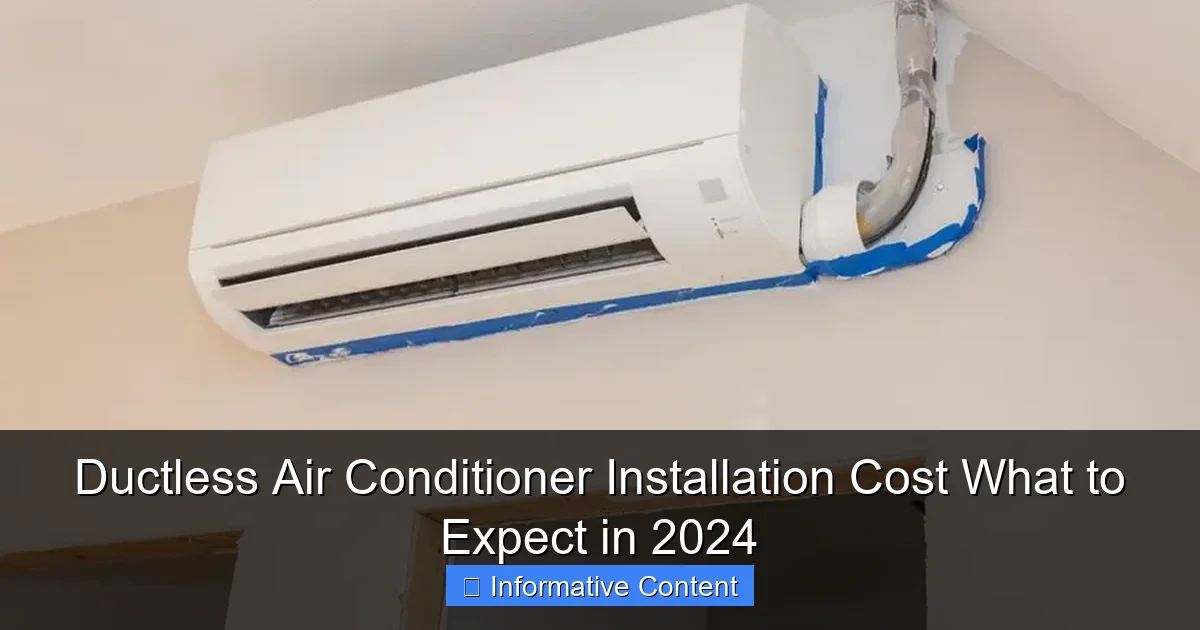
Visual guide about ductless air conditioner installation cost
Image source: thumbor.forbes.com
1. Number of Indoor Units (Zones)
One of the biggest factors is how many indoor air handlers you need. A single-zone system (one indoor unit connected to one outdoor compressor) is the most affordable. But if you want to cool multiple rooms independently—say, your living room, master bedroom, and home office—you’ll need a multi-zone setup. Each additional indoor unit adds $1,000–$2,500 to the total cost.
For example, a basic one-room installation might cost $3,500. But a three-zone system for a 1,500 sq. ft. home could run $7,500–$10,000. The benefit? You can set different temperatures in each room. No more arguing over the thermostat!
2. Size and Type of Outdoor Unit
The outdoor condenser must match the total capacity of your indoor units. A 24,000 BTU unit can support up to three or four indoor heads, depending on the brand and model. Larger condensers cost more—typically $1,500–$3,000—but they’re necessary for whole-house comfort.
Also, consider whether you need a single-zone or multi-zone condenser. Multi-zone units are more expensive upfront but offer long-term flexibility. If you plan to expand later (e.g., adding a basement unit), a multi-zone condenser now can save you from a full replacement down the road.
3. Home Layout and Accessibility
This is where labor costs come into play. If your home has easy access to the attic, crawlspace, or exterior walls, the job is simpler. But if the technician needs to drill through thick concrete, run lines through tight spaces, or work on a second or third floor, labor hours increase—and so does the price.
One homeowner in Colorado told me their installer had to snake refrigerant lines through a 20-foot chase in a stucco wall. That added nearly $800 to the job. Always ask your installer for a site visit before finalizing the quote.
4. Electrical Requirements
Most ductless systems require a dedicated 20-amp or 30-amp circuit. If your electrical panel is full or outdated, you might need a subpanel upgrade or even a full panel replacement—adding $1,000–$3,000 to the bill. In older homes, this is a common hidden cost.
Tip: Before getting quotes, have an electrician check your panel. It’s better to know this upfront than get hit with a surprise mid-installation.
5. Regional Labor and Material Costs
Just like real estate, HVAC labor varies by location. In high-cost areas like San Francisco or New York, you might pay $100–$150 per hour for a licensed technician. In the Midwest or South, it could be $70–$90. Also, refrigerant line sets, mounting brackets, and insulation materials cost more in certain regions due to shipping and demand.
Pro tip: Get at least three quotes from local, licensed contractors. Compare not just the total price, but what’s included. One quote might seem cheap but exclude line set insulation or a warranty—don’t fall for that trap.
Average Ductless Air Conditioner Installation Cost in 2024
Now, let’s talk numbers. Based on national data from HVAC associations, contractor surveys, and real homeowner reports, here’s what you can expect to pay for a ductless AC installation in 2024.
Cost Breakdown by System Type
The total cost depends heavily on the system type. Here’s a realistic range for common setups:
- Single-zone system (1 indoor unit): $3,000–$5,000
- Two-zone system (2 indoor units): $5,000–$7,500
- Three-zone system (3 indoor units): $7,000–$10,000
- Four-zone system (4 indoor units): $9,000–$13,000
These prices include the outdoor condenser, indoor units, refrigerant lines, electrical work, mounting hardware, and labor. They assume a standard installation with minimal structural challenges.
What’s Included (and What’s Not)
A good quote should cover:
- Equipment (outdoor unit + indoor units)
- Refrigerant line set (pre-charged or field-charged)
- Condensate drain line
- Wall mounting brackets
- Electrical wiring and breaker
- Labor and permits
- Warranty (typically 5–10 years on parts, 1–2 years on labor)
But watch out for extras that may not be included:
- Line set insulation: $10–$20 per foot (often overlooked but essential for efficiency)
- Condensate pump: $200–$400 (needed if the indoor unit is above the drain)
- Remote control or smart thermostat: $50–$150
- Extended labor warranty: $200–$500 (worth it for peace of mind)
One homeowner in Austin shared that their installer quoted $6,500 for a two-zone system but added $600 for a condensate pump and $300 for line set insulation. The final bill was $7,400. Always ask: “Is this a turnkey price, or are there add-ons?”
Regional Price Variations (2024 Data)
Here’s how average costs compare across different U.S. regions:
| Region | Avg. Single-Zone Cost | Avg. Three-Zone Cost | Notes |
|---|---|---|---|
| Northeast (NY, MA, CT) | $4,000–$5,500 | $8,000–$11,000 | Higher labor costs; older homes often need electrical upgrades |
| South (TX, FL, GA) | $3,200–$4,500 | $7,000–$9,500 | More competition; lower labor rates; high demand in summer |
| West (CA, CO, WA) | $4,200–$5,800 | $8,500–$12,000 | Permit fees; strict energy codes; high-end brands common |
| Midwest (IL, OH, MO) | $3,000–$4,200 | $6,800–$9,000 | Lower material costs; moderate labor rates |
Keep in mind: these are averages. Your actual cost could be higher or lower based on your home’s specifics. For example, a new construction home with easy access might be at the low end, while a historic brownstone with plaster walls could push the high end.
How to Save Money on Ductless AC Installation
Let’s be honest—ductless systems aren’t cheap. But there are smart ways to cut costs without sacrificing quality or comfort. Here’s how to get the best value for your money.
1. Time Your Installation Right
HVAC companies are busiest in summer and winter. If you install during spring (March–May) or fall (September–November), you’ll likely get faster service and lower rates. Some contractors offer off-season discounts to keep crews busy.
One homeowner in Chicago told me they saved $800 by scheduling their install in October instead of July. “They were eager for work, and I got a 10% discount,” they said. “Plus, the weather was perfect for testing the system.”
2. Choose the Right Brand and Model
Not all ductless systems are created equal. Premium brands like Daikin, Mitsubishi, and Fujitsu offer excellent efficiency and reliability but cost more. Mid-tier brands like LG, Panasonic, and Carrier provide great value with solid warranties.
For example, a Mitsubishi Hyper-Heat model (great for cold climates) might cost $2,000 per zone. A similar LG model could be $1,500. But check the SEER rating (Seasonal Energy Efficiency Ratio). A 20 SEER system will save more on energy bills than a 16 SEER, even if it costs more upfront.
Tip: Ask your installer for a total cost of ownership estimate—including energy savings over 10 years. It might justify a slightly higher initial price.
3. Bundle with Other Upgrades
If you’re already planning electrical work, insulation upgrades, or even solar panel installation, bundle them. A contractor can save time and money by doing everything at once.
One homeowner in Portland combined their ductless install with a panel upgrade and insulation. “They knocked $1,200 off the total because they only had to pull permits and schedule inspections once,” they said. “It was a no-brainer.”
4. Look for Rebates and Incentives
Many states and utility companies offer rebates for high-efficiency ductless systems. In 2024, the federal Inflation Reduction Act (IRA) provides tax credits up to $2,000 for qualified heat pumps (which include ductless ACs). Some states add extra cash back.
For example:
- California: Up to $3,000 from the TECH Clean California program
- New York: $500–$1,000 from Con Edison for heat pumps
- Massachusetts: $1,000 from Mass Save for ductless systems
Check EnergyStar.gov/rebate-finder or your local utility website for current offers. Your installer should help you apply—don’t leave free money on the table!
5. DIY vs. Hire a Pro? (Spoiler: Hire a Pro)
Some YouTube videos make it look easy: “Install your own ductless AC in a weekend!” But this is not a DIY job unless you’re a licensed HVAC technician. Refrigerant handling is regulated (EPA Section 608), and improper installation can void warranties, cause leaks, or even create safety hazards.
Save yourself the headache—and potential liability. Hire a licensed, insured contractor with ductless experience. Look for NATE certification and read recent reviews on Google, Yelp, or Angi.
What to Expect During the Installation Process
Knowing what happens during installation can ease anxiety and help you prepare your home. Here’s a step-by-step look at a typical ductless AC install.
Day 1: Site Assessment and Planning
The technician will visit your home to:
- Measure room sizes to confirm BTU needs
- Check electrical panel capacity
- Map the best path for refrigerant lines (usually a 3-inch hole in an exterior wall)
- Discuss indoor unit placement (avoid direct sunlight, furniture, or airflow obstructions)
This visit usually takes 1–2 hours and is free with most reputable companies.
Day 2: Installation (1–3 Days)
The actual install typically takes one day for a single-zone system, two to three days for multi-zone. Here’s what happens:
- Mount the outdoor unit: On a concrete pad or wall bracket, 12+ inches from the house for airflow.
- Drill the wall hole: One hole per indoor unit to run refrigerant, electrical, and drain lines.
- Run lines and wiring: Lines are insulated and secured; electrical is connected to a dedicated breaker.
- Mount indoor units: On the wall, typically 6–8 feet high, near the ceiling for best airflow.
- Evacuate and charge the system: A vacuum pump removes air/moisture; refrigerant is added to factory specs.
- Test and commission: The technician runs the system, checks for leaks, and verifies cooling performance.
Pro tip: Clear the work area. Move furniture, cover valuables, and keep pets away. Most installers are careful, but dust and debris are inevitable.
After Installation: What You Need to Know
- Permits and inspections: Your contractor should handle this. Don’t skip it—your homeowner’s insurance may require it.
- Warranty registration: Register your units online within 30 days to activate full coverage.
- First cleaning: Wipe indoor units monthly; replace filters every 1–3 months.
- Seasonal check-up: Schedule an annual maintenance visit to keep the system running efficiently.
Long-Term Value: Is a Ductless AC Worth the Cost?
You’ve seen the numbers. You’ve weighed the pros and cons. But the big question remains: is it worth it? Let’s look at the long-term benefits.
Energy Savings and Efficiency
Ductless systems are up to 30–50% more efficient than central AC with ducts. Why? Ducts can lose 20–30% of cooled air through leaks and poor insulation. Ductless systems deliver air directly to the room—no waste.
For example, a 1,800 sq. ft. home in Phoenix might save $300–$500 per year by switching from a 10-year-old central AC to a 20 SEER ductless system. Over 10 years, that’s $3,000–$5,000 in savings.
Comfort and Flexibility
No more hot spots or cold zones. You can set the living room to 72°F, the bedroom to 68°F, and the basement to 75°F—all at the same time. Some models even have air purification and dehumidification features.
One couple in Florida told me they use their ductless system year-round. “In summer, it cools perfectly. In winter, the heat pump keeps us warm without turning on the furnace,” they said. “It’s like having two systems in one.”
Home Value and Resale Appeal
Energy-efficient upgrades boost home value. A 2023 National Association of Realtors report found that HVAC upgrades (including ductless) recoup 70–80% of costs at resale. Plus, ductless systems are a selling point for buyers looking for modern, efficient homes.
Environmental Impact
Ductless systems use refrigerant R-410A or R-32, which have lower global warming potential than older R-22. They also reduce carbon emissions by using less electricity. If you’re eco-conscious, this is a win-win.
Final Thoughts: Making the Smart Choice for Your Home
So, what’s the bottom line on ductless air conditioner installation cost in 2024? Expect to spend $3,000–$5,000 for a single-room system and $7,000–$13,000 for a whole-home setup. But remember: this isn’t just a purchase—it’s an investment in comfort, efficiency, and long-term savings.
Take your time. Get multiple quotes. Ask about rebates. Choose a reputable installer. And don’t rush into a decision because of a “limited-time offer.” A ductless system should last 15–20 years—make sure you’re happy with it for the long haul.
When I installed my own ductless system last year, I was nervous about the cost. But now, I can’t imagine going back. My energy bills dropped, my home feels more comfortable, and I sleep better knowing I’m not wasting energy. If you’re on the fence, I hope this guide gives you the clarity you need. Cooler, smarter, and more efficient—that’s what ductless is all about.
Frequently Asked Questions
What is the average ductless air conditioner installation cost in 2024?
The average ductless air conditioner installation cost in 2024 ranges from $3,000 to $7,000, depending on unit size, brand, and labor complexity. Factors like home layout and electrical upgrades can also impact the final price.
How does ductless AC installation cost compare to traditional systems?
Ductless AC installation cost is often lower than central air systems since no ductwork is required, saving $1,000–$3,000. However, multi-zone setups may increase expenses if multiple indoor units are installed.
Are there hidden costs in ductless air conditioner installation?
Yes, potential hidden costs include electrical panel upgrades, wall modifications, or extended refrigerant lines, which can add $200–$1,000. Always request a detailed quote to avoid surprises.
Can I reduce my ductless air conditioner installation cost?
You can lower costs by choosing a single-zone system, scheduling off-peak season installations, or bundling with a heat pump. Rebates and manufacturer promotions may also offer savings.
Does ductless AC installation cost vary by location?
Yes, regional labor rates and permit requirements affect ductless air conditioner installation cost. Urban areas typically charge 10–20% more than rural regions due to higher labor demand.
Is DIY installation a way to save on ductless AC costs?
DIY installation is not recommended due to refrigerant handling, electrical, and warranty requirements. Improper setup can void warranties and lead to costly repairs, negating initial savings.