
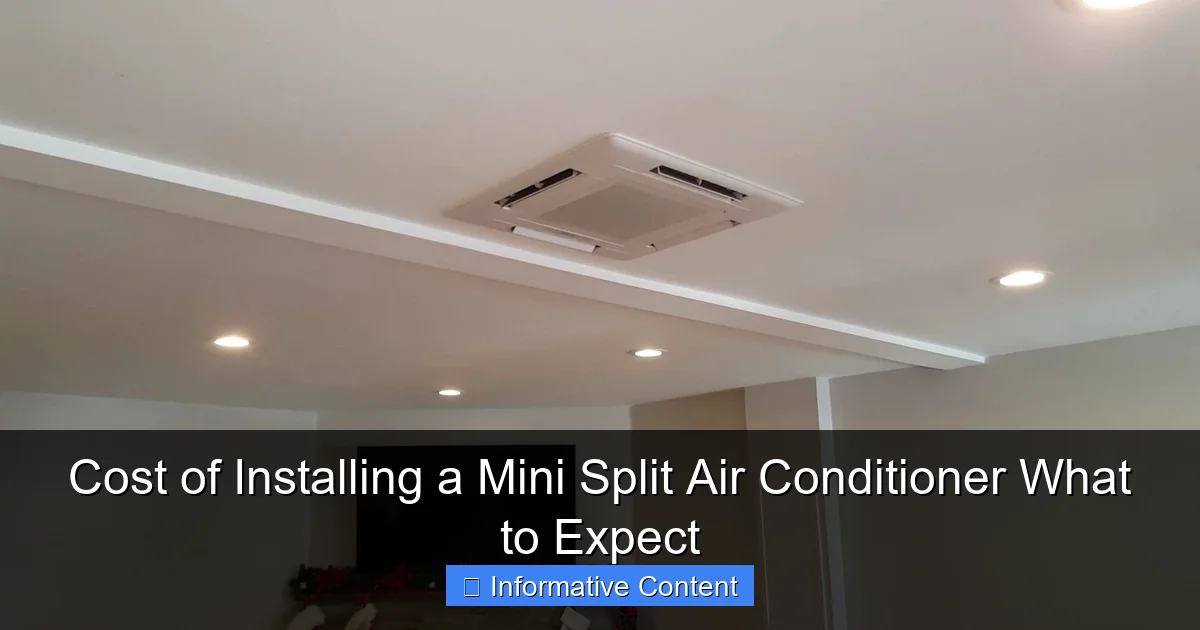
Featured image for cost of installing a mini split air conditioner
Image source: nrs.vegas
The cost of installing a mini split air conditioner typically ranges from $3,000 to $7,000, depending on unit size, number of zones, and labor complexity. Higher-end models with advanced features or multi-zone setups can push costs above $10,000, but long-term energy savings often justify the investment.
Key Takeaways
- Plan for $2,000–$10,000: Total costs vary by unit size, brand, and installation complexity.
- Prioritize SEER rating: Higher efficiency units cost more upfront but save on energy bills.
- Hire licensed pros: Improper installation reduces efficiency and voids warranties—always verify credentials.
- Compare multiple quotes: Labor rates differ widely; get 3+ bids to avoid overpaying.
- Consider ductless zones: Multiple indoor units increase costs but improve climate control flexibility.
- Check local permits: Some areas require HVAC permits—factor in fees and delays early.
📑 Table of Contents
- Why Mini Splits Are a Game-Changer for Home Cooling and Heating
- Understanding the Core Components That Drive Installation Costs
- Labor and Installation: The Hidden (But Crucial) Costs
- Regional and Seasonal Price Variations
- DIY vs. Professional Installation: Is It Worth the Risk?
- Long-Term Value: Energy Savings, Maintenance, and Resale Impact
- Smart Tips to Save Money Without Sacrificing Quality
Why Mini Splits Are a Game-Changer for Home Cooling and Heating
Imagine coming home on a sweltering summer day to a house that’s already cool and comfortable. No more waiting for the AC to catch up, no more uneven temperatures from room to room. That’s the magic of a mini split air conditioner. These sleek, ductless systems have quietly revolutionized home climate control—offering efficiency, quiet operation, and zoned comfort. Whether you’re retrofitting an older home, adding AC to a sunroom, or just tired of battling with window units, mini splits are a smart, modern solution.
But like any home upgrade, the big question is: how much is this going to cost me? The cost of installing a mini split air conditioner isn’t a one-size-fits-all answer. It depends on your home, your needs, and even your location. Some homeowners spend as little as $1,500, while others invest $10,000 or more for a whole-house setup. The good news? Once you understand the factors at play, you can make informed decisions and avoid sticker shock. In this guide, we’ll break down every cost component—from equipment to labor—and share real-world examples so you know exactly what to expect.
Understanding the Core Components That Drive Installation Costs
The cost of installing a mini split air conditioner starts with the system itself. But it doesn’t end there. To get a clear picture, you need to look at both the hardware and the labor involved. Let’s start with the basics.

Visual guide about cost of installing a mini split air conditioner
Image source: s3-assets.sylvane.com
Mini Split System Types: Single-Zone vs. Multi-Zone
Mini splits come in two main configurations:
- Single-zone systems: One indoor air handler paired with one outdoor condenser. Ideal for cooling or heating a single room, like a bedroom, garage, or home office.
- Multi-zone systems: One outdoor unit connected to multiple indoor air handlers (up to 8 or more, depending on the brand). Perfect for whole-house climate control without ductwork.
A single-zone setup is naturally less expensive than a multi-zone one. For example, a single-zone system might cost $1,800–$3,500 for equipment and installation, while a 4-zone system could run $6,000–$10,000. The more zones you add, the higher the price—but also the greater the comfort and efficiency.
Indoor Unit Options: Ceiling Cassette, Wall-Mounted, or Floor-Mounted
Not all indoor units are created equal. The type you choose affects both aesthetics and price:
- Wall-mounted units: Most common and affordable. Installed high on the wall, they’re easy to access and blend well in most rooms. Cost: $300–$800 per unit.
- Ceiling cassettes: Recessed into the ceiling, offering a sleek, flush look. Great for open-concept spaces or modern homes. Cost: $600–$1,200 per unit.
- Floor-mounted or under-ceiling units: Ideal for rooms with low ceilings or limited wall space. Slightly pricier due to installation complexity. Cost: $500–$1,000 per unit.
For a typical 12’x15’ bedroom, a wall-mounted unit is usually the most cost-effective choice. But if you’re designing a luxury master suite, a ceiling cassette might be worth the extra investment.
Outdoor Condenser: The Heart of the System
The outdoor unit houses the compressor and condenser coils. It’s usually placed on a concrete pad or wall bracket outside your home. Prices vary by capacity (measured in BTUs) and efficiency (SEER rating):
- 9,000–12,000 BTU units: $800–$1,500 (good for 300–500 sq ft)
- 18,000–24,000 BTU units: $1,500–$2,500 (covers 700–1,000 sq ft)
- 36,000+ BTU units: $2,500–$4,000+ (whole-house systems)
Higher SEER (Seasonal Energy Efficiency Ratio) ratings (18–26+) mean better efficiency and lower energy bills, but they come at a premium. A 20 SEER unit might cost $300–$600 more than a 16 SEER model, but it could save you $50–$100 annually on electricity.
Labor and Installation: The Hidden (But Crucial) Costs
You’ve picked your system. Now it’s time for the install. And this is where many homeowners get surprised. Labor can account for 30–50% of the total cost of installing a mini split air conditioner. Why? Because it’s not just “plugging in a unit.” It’s precision work.
What the Installation Process Actually Involves
A professional install typically includes:
- Site assessment and planning
- Mounting indoor and outdoor units
- Drilling a 3” hole through the wall for refrigerant lines, drain line, and electrical wiring
- Connecting refrigerant lines and charging the system
- Running a dedicated electrical circuit (if needed)
- Testing for leaks, airflow, and proper operation
Most single-zone installations take 4–8 hours. Multi-zone systems can take a full day or more, especially with complex layouts. A simple install (e.g., a wall-mounted unit in a room with easy outside access) will cost less than one requiring attic access, long refrigerant lines, or structural modifications.
Labor Rates: What You’re Paying For
HVAC contractors typically charge $50–$125 per hour. But many quote flat rates based on the job. Here’s a real-world example:
- Basic single-zone install: $700–$1,200 (includes drilling, mounting, electrical, and charging)
- Complex single-zone: $1,200–$1,800 (e.g., long refrigerant lines, attic routing, or electrical upgrades)
- Multi-zone (2–4 indoor units): $1,500–$3,500
- Whole-house (5+ zones): $3,500–$6,000+
One homeowner in Austin, Texas, paid $1,100 for a single-zone install in a sunroom. The contractor had to run refrigerant lines 40 feet through the attic, which added time and complexity. In contrast, a neighbor in Portland, Oregon, paid $750 for a similar unit in a bedroom with direct wall access to the outside.
When Extra Costs Creep In: Permits, Electrical, and Structural Work
Sometimes, the job isn’t as straightforward as it seems. Be prepared for these potential add-ons:
- Electrical upgrades: Older homes may need a new 20–30 amp circuit. Cost: $300–$800.
- Permits: Some cities require HVAC permits. Cost: $50–$200 (often included in contractor quotes).
- Structural modifications: Reinforcing walls, drilling through concrete, or relocating pipes. Cost: $200–$1,000+.
- Condensate pump: Needed if the indoor unit is below the outdoor unit. Cost: $100–$250.
One family in Chicago added $600 to their bill when they discovered their 1920s home needed a new electrical panel to support the mini split. It’s a reminder: always ask your contractor, “Are there any potential surprises?”
Regional and Seasonal Price Variations
You might think HVAC prices are universal. But they’re not. Where you live—and when you install—can make a big difference in the cost of installing a mini split air conditioner.
Geographic Cost Differences
HVAC labor and material costs vary by region. Here’s a breakdown of average single-zone install costs in different U.S. cities (as of 2024):
| City | Avg. Single-Zone Cost | Notes |
|---|---|---|
| Houston, TX | $1,800–$2,600 | High demand in summer; competitive pricing |
| Denver, CO | $2,200–$3,000 | Colder climate; higher efficiency units preferred |
| Seattle, WA | $2,000–$2,800 | Rainy weather; contractors busy year-round |
| New York, NY | $2,500–$3,500 | High labor rates; permits often required |
| Orlando, FL | $1,700–$2,400 | AC is essential; many experienced installers |
| Boise, ID | $1,900–$2,700 | Mid-range pricing; growing market |
As you can see, New York and Denver tend to be on the higher end, while Southern cities like Houston and Orlando are more affordable. But even within a city, prices can vary. A contractor in a suburban neighborhood might charge less than one in a high-rise downtown.
Seasonal Demand and Timing
When you install matters. HVAC contractors are busiest in spring and summer (May–August). If you schedule during peak season, you might face:
- Longer wait times (2–4 weeks)
- Higher labor rates (10–20% premium)
- Less flexibility in scheduling
The sweet spot? Late winter to early spring (February–April). Contractors are less busy, so you’re more likely to get a quick install and a better deal. One homeowner in Atlanta saved $300 by booking a February install instead of waiting until June.
Another tip: avoid installing during extreme weather. If it’s 100°F outside, your contractor might rush the job or charge extra. Same if it’s below freezing—refrigerant lines are harder to work with.
DIY vs. Professional Installation: Is It Worth the Risk?
You’ve probably seen YouTube videos of people installing mini splits themselves. It looks simple: mount the units, run the lines, plug it in. But here’s the truth: DIY mini split installation is rarely a good idea—unless you’re a licensed HVAC technician.
The Risks of DIY Installation
Mini splits use refrigerant (usually R-410A), which is regulated by the EPA. Handling it requires a Section 608 certification. If you vent refrigerant into the atmosphere, you could face fines up to $44,539 per violation (yes, really).
Other risks include:
- Leaky refrigerant lines: Poor connections or improper charging lead to inefficient cooling, compressor damage, and costly repairs.
- Electrical hazards: Incorrect wiring can cause fires or damage the unit.
- Voided warranties: Most manufacturers require professional installation to honor the warranty.
- Code violations: Improper installs can fail inspections, especially if you’re selling your home.
One DIYer in Arizona bought a $1,200 mini split online and installed it himself. A year later, the unit stopped cooling. A technician found the refrigerant charge was 30% low and the lines were improperly insulated. The repair cost $800—and the warranty was voided.
When DIY Might Make Sense (And How to Do It Safely)
There are a few exceptions:
- Pre-charged line sets: Some brands (like MrCool DIY) sell units with pre-charged refrigerant lines. You still need to mount the units, drill the hole, and connect the lines—but no vacuuming or charging required.
- Simple setups: If you’re installing a single-zone unit with direct wall access and no electrical upgrades, a DIY kit can save $500–$800.
If you go this route:
- Buy a MrCool DIY, Pioneer, or Senville kit—they’re designed for homeowners.
- Follow the manual exactly.
- Use a torque wrench for line connections.
- Test for leaks with soapy water.
- Hire an electrician if you need a new circuit.
Even then, many pros recommend a post-install inspection by a licensed HVAC tech (cost: $100–$150). It’s a small price for peace of mind.
Long-Term Value: Energy Savings, Maintenance, and Resale Impact
Yes, the cost of installing a mini split air conditioner can be high. But think of it as an investment—not just an expense. When you look at the long-term benefits, the math often makes sense.
Energy Efficiency and Utility Savings
Mini splits are 30–50% more efficient than traditional central AC. Why? No duct losses (which can waste 20–30% of energy) and precise zoned control.
Example: A 12,000 BTU mini split with a 22 SEER rating might use 545 kWh/year. At $0.15/kWh, that’s about $82/year to run. A 14 SEER central AC for the same space would use 900 kWh/year—$135. You save $53/year. Over 10 years? $530—almost enough to cover the install cost.
And if you’re heating with electric baseboards or a furnace, a heat pump mini split can cut heating costs by 40–60%. One homeowner in Maine saved $1,200/year by switching from oil heat to a mini split.
Maintenance: Low-Cost and Easy
Mini splits require minimal upkeep:
- Clean air filters every 2–3 months (5 minutes, no tools).
- Wipe indoor unit with a damp cloth.
- Clear debris from outdoor unit (leaves, grass).
- Annual professional checkup (cost: $100–$150) to inspect refrigerant, electrical, and drainage.
Compare that to central AC, which needs duct cleaning, thermostat calibration, and more complex repairs. A mini split can last 15–20 years with proper care.
Boosting Home Value and Marketability
Modern buyers love mini splits—especially in homes without ductwork. They see them as:
- Energy-efficient
- Low-maintenance
- Quiet and unobtrusive
- Smart-home compatible (many models work with Alexa, Google Home)
A 2023 Zillow analysis found that homes with mini splits sold for 3–5% more than comparable homes with window units or no AC. In a $400,000 home, that’s $12,000–$20,000 in added value.
Smart Tips to Save Money Without Sacrificing Quality
You don’t have to break the bank to get a great mini split. With a little planning, you can cut costs and still enjoy reliable comfort.
Get Multiple Quotes—And Ask the Right Questions
Always get 3–5 quotes from licensed, insured contractors. But don’t just compare prices. Ask:
- “What brand are you installing, and why?”
- “Is the price for labor only, or does it include equipment?”
- “Are permits and electrical work included?”
- “What’s your warranty on labor?”
- “Can you provide references?”
One homeowner in Denver got quotes from $2,400 to $3,800 for the same 18,000 BTU system. The lowest bidder used a lesser-known brand and excluded electrical work. The $3,000 quote from a reputable company included Mitsubishi equipment, a new circuit, and a 5-year labor warranty. It was the better value.
Look for Rebates and Incentives
Many utilities and states offer rebates for energy-efficient HVAC systems. Check:
- Database of State Incentives for Renewables & Efficiency (DSIRE) (dsireusa.org)
- Your local utility’s website
- Federal tax credits (e.g., 30% of cost, up to $2,000, for ENERGY STAR heat pumps)
In 2024, a homeowner in California saved $1,200 with a state rebate and $2,000 with a federal tax credit on a $7,000 multi-zone install.
Buy Equipment Separately (If You’re Confident)
Some contractors mark up equipment by 20–30%. You can save by buying the unit online (e.g., SupplyHouse, HVACDirect) and having the contractor install it. Just make sure:
- The contractor agrees to install third-party equipment
- You get a warranty on labor
- The brand is reputable (Mitsubishi, Daikin, LG, etc.)
One DIY-savvy homeowner in Florida bought a Daikin 18,000 BTU system for $1,800 online (vs. $2,500 from a contractor) and paid $900 for installation. Total savings: $800.
The cost of installing a mini split air conditioner isn’t just a number—it’s a balance of upfront expense, long-term savings, and quality of life. From choosing the right system to timing your install and finding the best contractor, every decision shapes the final price. But with the right approach, you can enjoy efficient, quiet, zoned comfort for years to come—without overpaying. Remember: it’s not about the cheapest option. It’s about the best value for your home and lifestyle.
Frequently Asked Questions
What is the average cost of installing a mini split air conditioner?
The average cost of installing a mini split air conditioner ranges from $2,000 to $10,000, depending on system size, number of zones, and labor complexity. Factors like brand, efficiency rating, and local labor rates also influence the final price.
How does the cost of installing a mini split compare to traditional HVAC systems?
Mini split installations are often more affordable than traditional central HVAC systems, especially for retrofitting or room additions, since they don’t require ductwork. However, multi-zone systems can approach the cost of full ducted systems in larger homes.
What factors affect the cost of installing a mini split air conditioner?
Key factors include the number of indoor units (zones), unit size (BTUs), refrigerant line length, electrical upgrades, and wall penetration needs. Complex installations, like those requiring long refrigerant lines or multiple floors, increase labor and material costs.
Does the brand of the mini split system impact installation costs?
Yes, premium brands like Mitsubishi or Daikin often have higher equipment costs but may offer better efficiency and warranties. Installation labor costs remain similar, but some brands require certified technicians, which can slightly increase service fees.
Can I save money by installing a mini split myself?
DIY installation is not recommended due to the need for refrigerant handling, electrical work, and precise mounting—most manufacturers void warranties if not professionally installed. Hiring a licensed HVAC technician ensures safety and system efficiency.
Are there hidden costs in mini split air conditioner installation?
Hidden costs may include electrical panel upgrades, additional wiring, or structural modifications for mounting. Always request a detailed quote that includes labor, permits, and potential extras to avoid surprises.