
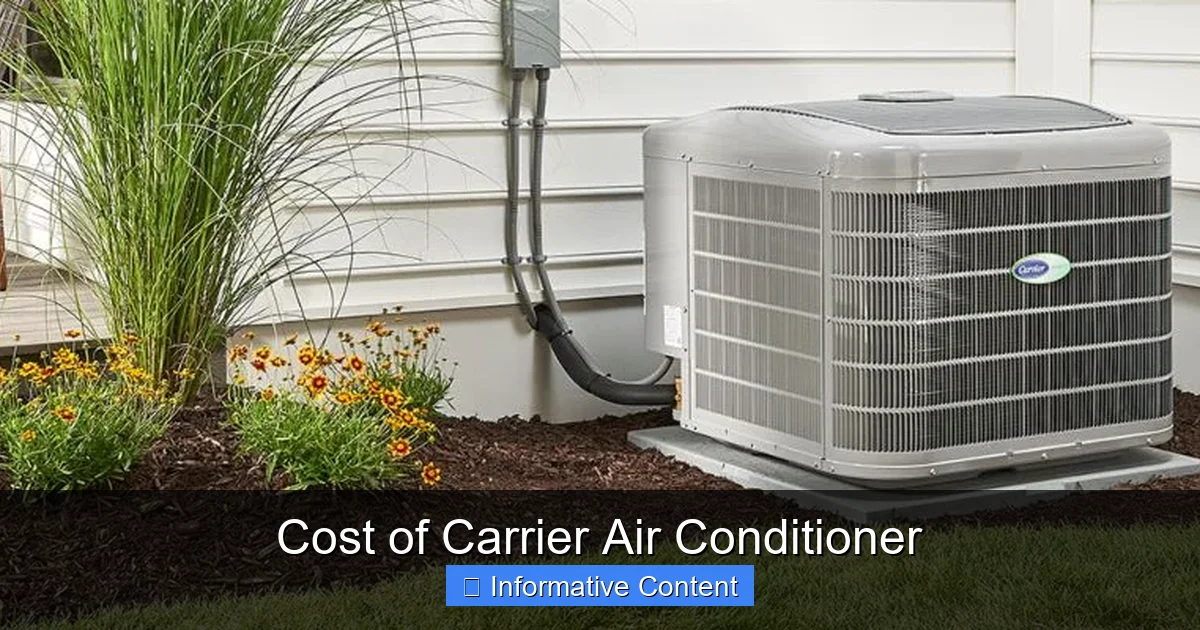
The cost of a Carrier air conditioner varies widely based on size, efficiency, and installation complexity, typically ranging from $3,500 to $10,000 or more. While the upfront investment is higher than some brands, Carrier’s reputation for durability and energy efficiency can lead to long-term savings and improved home comfort.
Key Takeaways
- Unit pricing varies by model: Carrier air conditioners range from $1,500 to $5,000 for the unit alone, depending on size and features.
- Installation adds significant cost: Professional installation typically adds $1,500 to $5,000, influenced by home layout and ductwork.
- SEER ratings impact price: Higher SEER (Seasonal Energy Efficiency Ratio) models cost more but save on energy bills over time.
- Geographic location matters: Labor and permit costs differ by region, affecting total installation expenses.
- Long-term savings are possible: Energy-efficient Carrier units can reduce monthly cooling costs by up to 30%.
- Warranty and service plans add value: Extended warranties and maintenance plans protect your investment and ensure peak performance.
- Rebates and incentives available: Federal, state, and utility rebates can lower the overall cost of a new Carrier system.
📑 Table of Contents
- Understanding the Cost of Carrier Air Conditioner Systems
- Carrier Air Conditioner Unit Pricing: What You’re Paying For
- Installation Costs: What to Expect When Going Pro
- Energy Efficiency and Long-Term Savings
- Additional Costs: Maintenance, Warranties, and Upgrades
- Rebates, Incentives, and Financing Options
- Is a Carrier Air Conditioner Worth the Cost?
- Final Thoughts: Making the Smart Choice
Understanding the Cost of Carrier Air Conditioner Systems
When it comes to keeping your home cool and comfortable during hot summer months, few brands command as much respect as Carrier. Known for innovation, reliability, and energy efficiency, Carrier has been a leader in the HVAC industry for over a century. But with such a strong reputation comes a question many homeowners ask: What is the actual cost of a Carrier air conditioner?
The truth is, the cost of a Carrier air conditioner isn’t a one-size-fits-all number. It depends on several factors, including the size of your home, the type of system you choose, your location, and whether you’re replacing an old unit or installing one in a new build. While Carrier systems are often more expensive upfront than some competitors, they’re designed to deliver long-term value through durability, performance, and energy savings.
In this guide, we’ll break down every aspect of the cost of a Carrier air conditioner—from the price of the unit itself to installation, maintenance, and potential savings. Whether you’re shopping for a basic single-stage system or a high-efficiency variable-speed model, this article will help you make an informed decision that fits your budget and cooling needs.
Carrier Air Conditioner Unit Pricing: What You’re Paying For
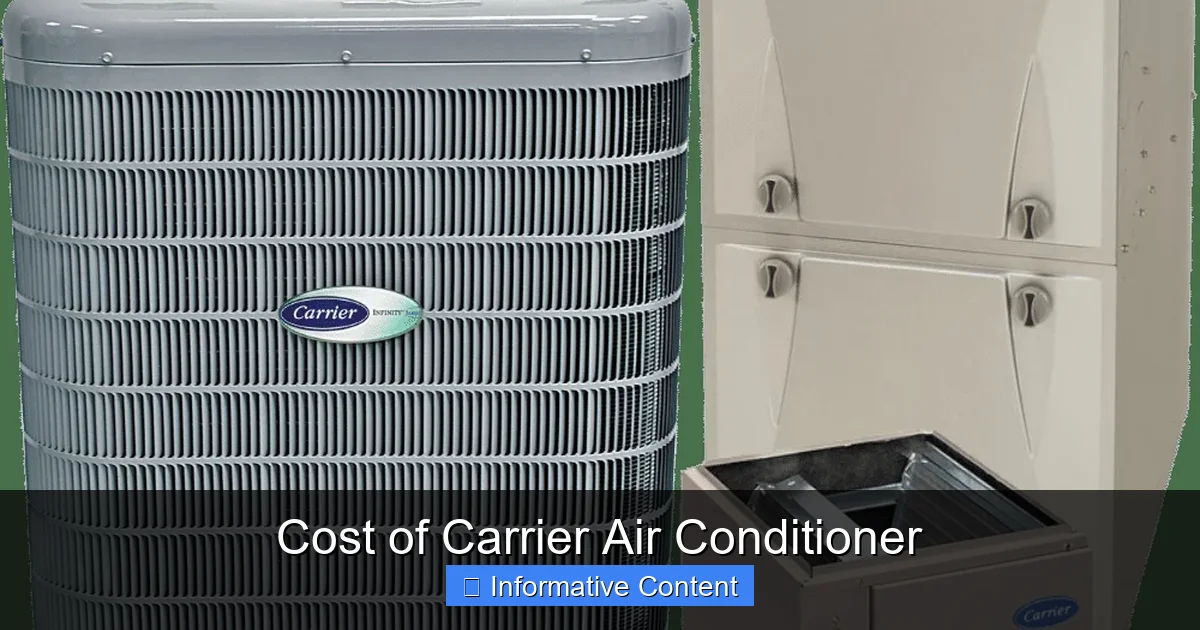
Visual guide about Cost of Carrier Air Conditioner
Image source: myhvacprice.com
The first and most obvious cost when buying a Carrier air conditioner is the price of the unit itself. Carrier offers a wide range of air conditioning systems, from budget-friendly models to premium, high-efficiency units. Understanding how these models differ—and how that affects price—is key to choosing the right system for your home.
Entry-Level Models: Budget-Friendly Cooling
Carrier’s entry-level air conditioners, such as those in the Comfort™ series, are designed for homeowners who want reliable cooling without breaking the bank. These units typically feature single-stage compressors, which means they operate at full capacity whenever they’re on. While this isn’t the most energy-efficient option, it’s effective for moderate climates or smaller homes.
The unit cost for a Comfort™ series air conditioner usually ranges from $1,500 to $2,500, depending on the tonnage (cooling capacity). A 2-ton unit, suitable for a 1,000 to 1,200 square foot home, might cost around $1,800, while a 5-ton unit for a larger 2,500+ square foot home could be closer to $2,500. These models often have SEER ratings between 13 and 16, which meets the minimum federal efficiency standards but doesn’t offer the highest energy savings.
Mid-Range Models: Balanced Performance and Efficiency
For homeowners looking for a balance between cost and performance, Carrier’s Performance™ and Infinity™ series offer excellent options. These systems often feature two-stage or variable-speed compressors, which adjust cooling output based on demand. This means quieter operation, better humidity control, and improved energy efficiency.
Unit prices for mid-range Carrier air conditioners typically fall between $2,500 and $4,000. For example, a 3-ton Performance™ model with a 17 SEER rating might cost around $3,200. These systems are ideal for families who want reliable cooling with lower energy bills and enhanced comfort features like improved air filtration and quieter operation.
High-End Models: Premium Comfort and Efficiency
At the top of the line are Carrier’s Infinity™ series air conditioners, which represent the brand’s most advanced technology. These units often feature variable-speed compressors, ultra-quiet operation, and SEER ratings of 20 or higher. They’re designed to deliver precise temperature control, superior humidity management, and maximum energy savings.
The unit cost for a high-end Carrier air conditioner can range from $3,500 to $5,000 or more. A 4-ton Infinity™ model with a 21 SEER rating, for instance, might cost around $4,800. While the upfront cost is higher, these systems can significantly reduce your monthly energy bills—especially in hot climates where air conditioning runs frequently.
Installation Costs: What to Expect When Going Pro
While the unit price is important, it’s only part of the total cost of a Carrier air conditioner. Installation is a major expense that can vary widely depending on your home’s setup, local labor rates, and the complexity of the job. On average, professional installation adds $1,500 to $5,000 to the total cost.
Factors That Influence Installation Pricing
Several factors determine how much you’ll pay for installation. One of the biggest is whether your home already has ductwork in place. If you’re replacing an old central air system, the installer may be able to reuse existing ducts, which can save time and money. However, if ducts are damaged, undersized, or poorly insulated, they may need repairs or upgrades—adding to the cost.
Another factor is the location of your outdoor unit. If it needs to be placed far from the indoor air handler or in a hard-to-reach area, labor costs will increase. Similarly, if your electrical system needs an upgrade to support the new unit—such as a higher-capacity breaker or new wiring—that will also add to the expense.
Labor Rates by Region
Labor costs vary significantly by region. In areas with a high cost of living, such as California, New York, or Washington, D.C., HVAC technicians may charge $100 to $150 per hour or more. In contrast, rural areas or regions with lower demand might see rates closer to $70 to $90 per hour.
For a standard installation, most jobs take between 6 to 10 hours. At an average rate of $100 per hour, that’s $600 to $1,000 in labor alone. Add in materials like refrigerant lines, electrical components, and mounting hardware, and the total installation cost can easily reach $2,000 to $3,000.
New Construction vs. Replacement
If you’re building a new home, installing a Carrier air conditioner during construction can be more cost-effective. Builders often coordinate HVAC installation with other systems, reducing labor time and avoiding the need to tear into finished walls or ceilings.
On the other hand, replacing an old unit in an existing home can be more complex. The technician may need to remove and dispose of the old system, which adds a disposal fee of $100 to $300. Additionally, if your home has outdated ductwork or electrical systems, upgrades may be necessary—further increasing the cost.
Energy Efficiency and Long-Term Savings
One of the biggest advantages of choosing a Carrier air conditioner is the potential for long-term energy savings. While high-efficiency models cost more upfront, they can significantly reduce your monthly cooling bills—especially in hot or humid climates.
Understanding SEER Ratings
SEER (Seasonal Energy Efficiency Ratio) is a measure of how efficiently an air conditioner uses electricity over a typical cooling season. The higher the SEER rating, the less energy the unit consumes. For example, a unit with a 16 SEER uses about 25% less energy than a 12 SEER unit.
Carrier offers models with SEER ratings ranging from 13 (the federal minimum) to over 25 in some advanced systems. While a 13 SEER unit might cost less initially, a 20+ SEER model can save you hundreds of dollars per year on electricity.
Calculating Your Savings
Let’s say you live in a hot climate where your air conditioner runs for six months a year. If your current unit has a 12 SEER rating and you upgrade to a 20 SEER Carrier model, you could reduce your cooling energy use by about 40%. For a household that spends $200 per month on cooling, that’s a savings of $80 per month—or $960 per year.
Over a 10-year period, that’s nearly $10,000 in savings. Even after accounting for the higher upfront cost of the unit and installation, the long-term return on investment can be substantial.
Smart Features and Zoning
Many Carrier air conditioners come with smart thermostats and zoning capabilities, which further enhance energy efficiency. Smart thermostats learn your schedule and adjust temperatures automatically, while zoning systems allow you to cool only the rooms you’re using. These features can reduce energy waste and improve comfort, adding even more value to your investment.
Additional Costs: Maintenance, Warranties, and Upgrades
Beyond the initial purchase and installation, there are ongoing costs to consider when owning a Carrier air conditioner. Regular maintenance, extended warranties, and optional upgrades all play a role in the total cost of ownership.
Routine Maintenance
To keep your Carrier air conditioner running efficiently, annual maintenance is recommended. This typically includes cleaning coils, checking refrigerant levels, inspecting electrical connections, and replacing air filters. A professional tune-up costs between $100 and $200 per visit.
While you can perform some tasks yourself—like changing filters—complex maintenance should be done by a certified technician. Neglecting maintenance can lead to reduced efficiency, higher energy bills, and even system failure.
Extended Warranties and Service Plans
Carrier offers standard warranties on its air conditioners, typically covering parts for 5 to 10 years. However, labor and refrigerant are often excluded. To protect your investment, many homeowners opt for extended warranties or service plans, which can cost $200 to $500 per year.
These plans often include annual maintenance, priority service, and coverage for parts and labor. While they add to the overall cost, they provide peace of mind and can save money if your system needs repairs.
Optional Upgrades
If you want to maximize comfort and efficiency, consider optional upgrades like high-efficiency air filters, UV lights for air purification, or humidifiers/dehumidifiers. These add-ons can cost $200 to $800 each but can improve indoor air quality and system performance.
Rebates, Incentives, and Financing Options
The good news is that there are ways to reduce the cost of a Carrier air conditioner through rebates, tax credits, and financing programs.
Federal and State Incentives
The federal government offers tax credits for high-efficiency HVAC systems under the Inflation Reduction Act. As of 2023, you may be eligible for a tax credit of up to $600 for a qualifying central air conditioner. Some states and local utilities also offer rebates for energy-efficient upgrades, which can range from $100 to $1,000.
Utility Company Rebates
Many utility companies partner with HVAC manufacturers to offer rebates on high-efficiency systems. For example, a local electric company might offer a $300 rebate for installing a Carrier air conditioner with a SEER rating of 18 or higher. Check with your utility provider to see what programs are available in your area.
Financing and Payment Plans
Carrier and its authorized dealers often offer financing options with low or no interest for qualified buyers. These plans allow you to spread the cost over 12 to 60 months, making it easier to afford a high-efficiency system. Some dealers also offer promotional financing, such as 0% APR for 18 months.
Is a Carrier Air Conditioner Worth the Cost?
So, is the cost of a Carrier air conditioner worth it? For many homeowners, the answer is yes—especially if you prioritize long-term value, energy efficiency, and reliable performance.
Carrier systems are built to last, with many units operating efficiently for 15 to 20 years with proper maintenance. Their advanced technology delivers consistent comfort, quiet operation, and lower energy bills. While the upfront cost is higher than some budget brands, the durability and efficiency often justify the investment.
Ultimately, the best way to determine if a Carrier air conditioner fits your budget is to get quotes from multiple licensed HVAC contractors. They can assess your home’s needs, recommend the right size and model, and provide a detailed breakdown of costs—including unit, installation, and any available rebates.
Final Thoughts: Making the Smart Choice
The cost of a Carrier air conditioner reflects more than just a price tag—it’s an investment in your home’s comfort, efficiency, and long-term value. From the initial purchase to installation, maintenance, and energy savings, every aspect of ownership should be considered.
By choosing a Carrier system, you’re not just buying an air conditioner—you’re investing in a legacy of innovation and reliability. With the right model, proper installation, and regular care, your Carrier air conditioner can keep your home cool and comfortable for years to come.
Whether you’re upgrading an old system or installing one for the first time, take the time to research your options, compare quotes, and explore financing and rebate opportunities. With the right planning, the cost of a Carrier air conditioner can be a smart, rewarding decision for your home and your wallet.
Frequently Asked Questions
How much does a Carrier air conditioner cost on average?
The average cost of a Carrier air conditioner, including installation, ranges from $3,500 to $10,000. The unit alone typically costs $1,500 to $5,000, depending on size and efficiency, while installation adds $1,500 to $5,000 based on complexity and location.
Are Carrier air conditioners more expensive than other brands?
Yes, Carrier air conditioners are generally more expensive than budget brands like Goodman or Rheem, but they offer higher build quality, advanced features, and better energy efficiency. The long-term savings and durability often justify the higher upfront cost.
Can I install a Carrier air conditioner myself to save money?
No, air conditioner installation should always be done by a licensed HVAC professional. Improper installation can lead to system failure, safety hazards, and voided warranties. Professional installation ensures optimal performance and efficiency.
Do Carrier air conditioners qualify for rebates or tax credits?
Yes, many Carrier air conditioners with high SEER ratings qualify for federal tax credits, state rebates, and utility incentives. These can reduce the overall cost by hundreds of dollars, especially for energy-efficient models.
How long do Carrier air conditioners last?
With proper maintenance, Carrier air conditioners typically last 15 to 20 years. Regular tune-ups, clean filters, and timely repairs can extend the lifespan and maintain peak performance.
Is a higher SEER rating worth the extra cost?
Yes, especially in hot climates. A higher SEER rating means lower energy consumption and reduced utility bills. Over time, the savings can offset the higher initial cost of a high-efficiency Carrier unit.