
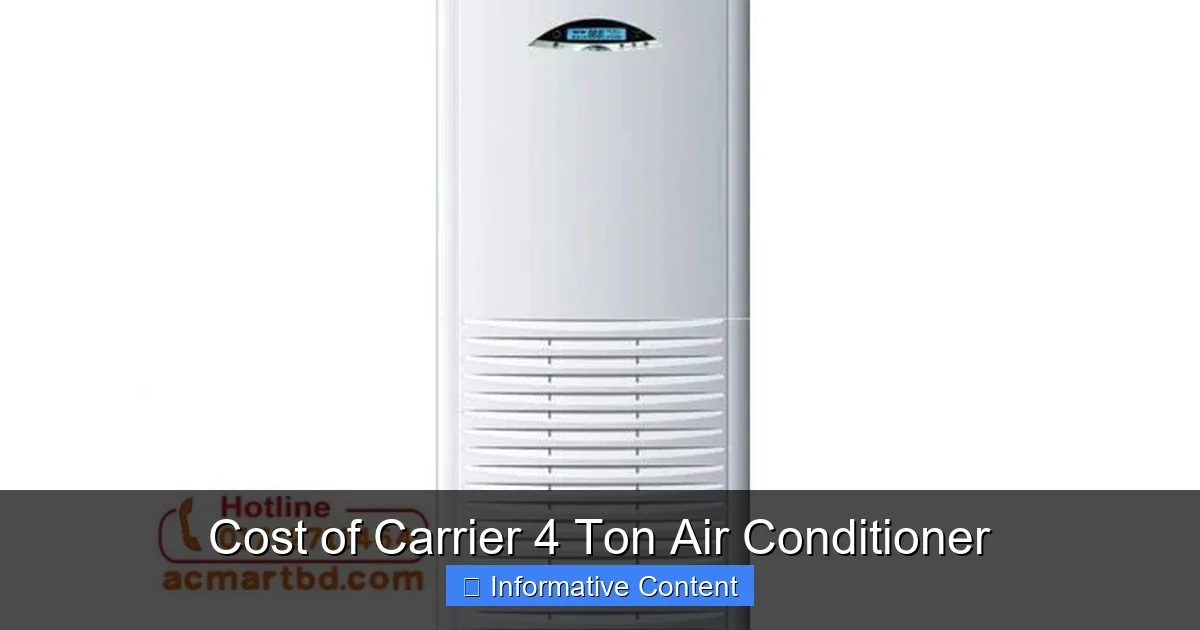
The cost of a Carrier 4 ton air conditioner typically ranges from $3,500 to $7,500, including equipment and professional installation. Factors like model efficiency, regional labor rates, and home ductwork significantly impact the final price. Investing in a high-efficiency unit can lead to long-term energy savings and improved comfort.
Key Takeaways
- Price Range: A Carrier 4 ton AC unit costs between $3,500 and $7,500, including installation.
- Efficiency Matters: Higher SEER ratings (16–25) increase upfront cost but reduce monthly energy bills.
- Installation Costs Vary: Labor, ductwork modifications, and permits can add $1,000–$3,000 to the total.
- Rebates & Incentives: Federal, state, and utility rebates may cut costs by $300–$1,500.
- Long-Term Savings: Energy-efficient models can save $100–$300 annually on electricity.
- Professional Installation is Key: Improper setup reduces efficiency and shortens system lifespan.
- Maintenance Adds Value: Regular servicing keeps your Carrier AC running efficiently for 15–20 years.
📑 Table of Contents
- Understanding the Cost of a Carrier 4 Ton Air Conditioner
- What Affects the Price of a Carrier 4 Ton AC Unit?
- Breakdown of Carrier 4 Ton AC Costs
- Energy Efficiency and Long-Term Savings
- Installation: Why Professional Setup Matters
- Maintenance and Lifespan: Protecting Your Investment
- Is a Carrier 4 Ton AC Worth the Cost?
- Final Tips for Buying a Carrier 4 Ton Air Conditioner
Understanding the Cost of a Carrier 4 Ton Air Conditioner
When it comes to keeping your home cool and comfortable during hot summer months, few brands carry the reputation and reliability of Carrier. Known for innovation, durability, and energy efficiency, Carrier has been a leader in the HVAC industry for over a century. If you’re considering upgrading or installing a new central air conditioning system, you’ve likely come across the term “4 ton air conditioner.” But what does that mean—and more importantly, how much will it cost?
A “ton” in air conditioning doesn’t refer to weight. Instead, it’s a measure of cooling capacity. One ton equals 12,000 BTUs (British Thermal Units) per hour. So, a 4 ton air conditioner can remove 48,000 BTUs of heat from your home each hour. This size is ideal for homes between 2,000 and 2,400 square feet, depending on climate, insulation, and ceiling height. Carrier offers a wide range of 4 ton models, from basic single-stage units to advanced variable-speed systems with smart thermostats and zoning capabilities.
The cost of a Carrier 4 ton air conditioner isn’t just about the sticker price on the unit. It includes equipment, installation, permits, and potential upgrades to your home’s electrical or ductwork systems. While the upfront investment may seem steep, understanding the full scope of costs—and the long-term benefits—can help you make a smart, informed decision. In this guide, we’ll break down every component of the cost, explore what affects pricing, and offer practical tips to help you get the best value for your money.
What Affects the Price of a Carrier 4 Ton AC Unit?
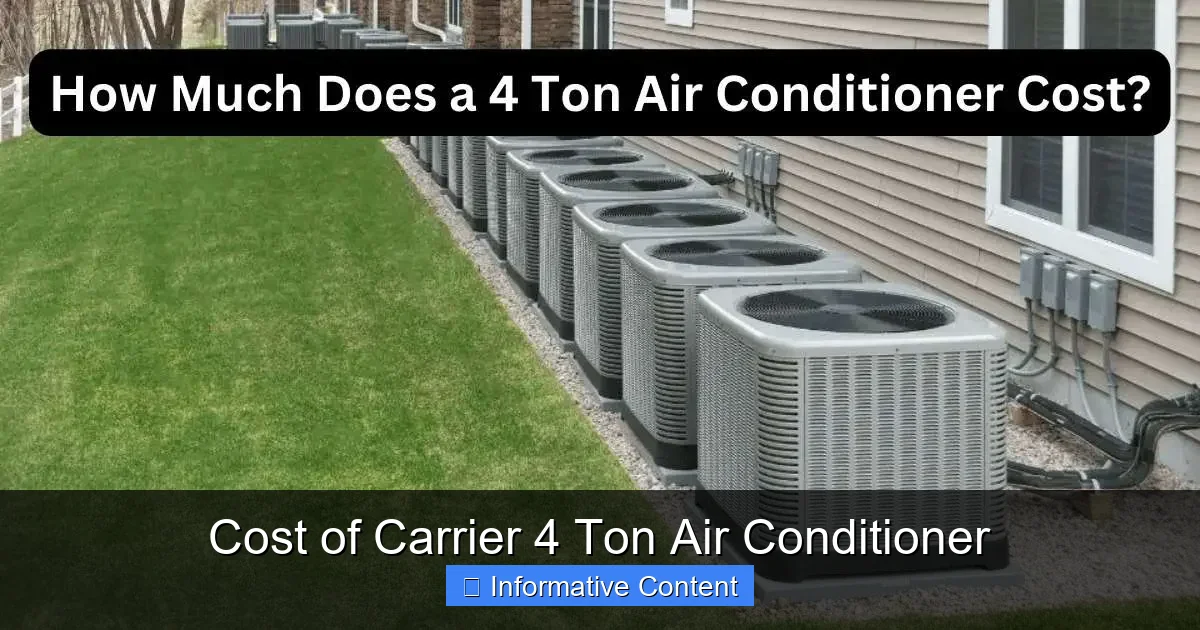
Visual guide about Cost of Carrier 4 Ton Air Conditioner
Image source: smartacsolutions.com
Several key factors influence the total cost of a Carrier 4 ton air conditioner. Let’s dive into the main ones so you know what to expect when getting quotes from HVAC contractors.
Model and Efficiency Rating (SEER)
Carrier offers multiple tiers of air conditioners, each with different features and efficiency levels. The Seasonal Energy Efficiency Ratio (SEER) measures how efficiently the unit uses electricity over a typical cooling season. The higher the SEER rating, the more efficient the system.
For example:
– A basic Carrier Comfort Series 4 ton unit might have a SEER rating of 14–16 and cost around $3,500–$4,500 installed.
– A mid-tier Performance Series model with a SEER of 16–18 could run $4,500–$6,000.
– A top-tier Infinity Series with a SEER of 20–25 may cost $6,000–$7,500 or more.
Higher SEER units use advanced technologies like variable-speed compressors and two-stage cooling, which adjust output based on demand. This not only improves comfort by maintaining consistent temperatures but also reduces energy consumption. Over time, the savings on your electric bill can offset the higher initial cost.
Installation Complexity
Even the best air conditioner won’t perform well if it’s not installed correctly. Professional installation is essential, and labor costs can vary widely based on your location and the complexity of the job.
Simple installations—where the new unit replaces an old one in the same location with existing ductwork and electrical connections—are the most affordable. These typically cost $1,000–$1,500 in labor.
However, if your home needs ductwork modifications, electrical upgrades (like a new circuit breaker), or a new thermostat, costs can rise quickly. For instance, rerouting ducts or adding insulation might add $500–$1,500. In older homes, asbestos abatement or structural changes could push labor costs even higher.
Geographic Location and Labor Rates
Where you live plays a big role in pricing. HVAC labor rates vary by region due to differences in cost of living, demand, and local regulations.
For example:
– In a rural area of Texas, installation might cost $1,200.
– In a major city like New York or San Francisco, the same job could cost $2,500 or more.
Additionally, some areas require permits for HVAC installations, which can add $100–$300 to your total bill. Always ask your contractor if permits are included in their quote.
Additional Components and Upgrades
A complete AC system includes more than just the outdoor condenser unit. You may also need:
– An indoor evaporator coil (often sold separately)
– A new thermostat (especially if upgrading to a smart model)
– A surge protector or disconnect switch
– Refrigerant lines and insulation
Carrier systems are often sold as “matched sets” to ensure optimal performance. Buying the outdoor unit and indoor coil together from the same series ensures compatibility and maintains warranty coverage. These matched systems can cost $500–$1,000 more than piecing together components, but they’re worth it for reliability and efficiency.
Breakdown of Carrier 4 Ton AC Costs
To give you a clearer picture, here’s a detailed breakdown of what you might pay for a Carrier 4 ton air conditioner, including equipment and installation.
Equipment Costs
The price of the actual Carrier unit depends on the series and features:
– **Comfort Series:** $2,000–$2,800
– **Performance Series:** $2,800–$3,800
– **Infinity Series:** $3,800–$5,000+
These prices are for the outdoor condenser only. You’ll also need an indoor coil, which typically adds $500–$1,200, depending on the model.
Installation Labor
Labor costs generally range from $1,000 to $3,000, depending on complexity. Here’s what’s usually included:
– Removing the old unit
– Installing the new condenser and coil
– Connecting refrigerant lines
– Testing the system
– Disposing of old equipment
If your system requires additional work—like electrical upgrades, duct sealing, or a new pad for the outdoor unit—expect to pay extra.
Total Estimated Cost
Combining equipment and installation, here’s what you can expect to pay for a Carrier 4 ton AC system:
| Component | Cost Range |
|———|————|
| Comfort Series (installed) | $3,500 – $4,500 |
| Performance Series (installed) | $4,500 – $6,000 |
| Infinity Series (installed) | $6,000 – $7,500+ |
Keep in mind, these are average estimates. Your actual cost may be higher or lower based on your home’s specific needs and local market conditions.
Energy Efficiency and Long-Term Savings
One of the biggest advantages of investing in a Carrier 4 ton air conditioner—especially a high-efficiency model—is the long-term savings on energy bills.
How SEER Affects Your Electric Bill
Let’s say you live in a hot climate and run your AC for 1,200 hours per year. Here’s how different SEER ratings impact annual energy use and cost (assuming electricity costs $0.13 per kWh):
– **SEER 14:** Uses about 3,429 kWh/year → $446/year
– **SEER 18:** Uses about 2,667 kWh/year → $347/year
– **SEER 22:** Uses about 2,182 kWh/year → $284/year
That’s a difference of over $160 per year between a SEER 14 and SEER 22 unit. Over 15 years, that adds up to nearly $2,400 in savings—enough to cover a significant portion of the upfront cost difference.
Rebates and Incentives
Many homeowners don’t realize that energy-efficient HVAC upgrades often qualify for rebates and tax credits. For example:
– The federal government offers a tax credit of up to $600 for qualifying central air conditioners (as of 2024 under the Inflation Reduction Act).
– Utility companies like PG&E, Duke Energy, or Con Edison often provide instant rebates of $200–$800 for high-efficiency units.
– Some states and municipalities offer additional incentives for energy-efficient home improvements.
Always ask your HVAC contractor about available rebates. They can often handle the paperwork and apply the discount directly to your invoice.
Improved Home Comfort
Beyond cost savings, high-efficiency Carrier systems offer better comfort. Variable-speed compressors run longer at lower speeds, reducing temperature swings and humidity. This means fewer hot and cold spots, quieter operation, and a more consistent indoor climate.
Some models even include built-in air filtration and humidity control, improving indoor air quality—especially beneficial for allergy sufferers.
Installation: Why Professional Setup Matters
You might be tempted to cut costs by hiring the cheapest installer or even attempting a DIY setup. But when it comes to a Carrier 4 ton air conditioner, professional installation is non-negotiable.
The Risks of Improper Installation
A poorly installed AC system can lead to:
– Reduced efficiency (up to 30% less cooling power)
– Frequent breakdowns and repairs
– Higher energy bills
– Voided manufacturer warranty
For example, if the refrigerant lines are too long or improperly insulated, the system won’t cool effectively. If the unit isn’t level, it can cause compressor damage. And if the thermostat isn’t calibrated correctly, your home may never reach the desired temperature.
Choosing the Right HVAC Contractor
To ensure a quality installation, look for a licensed, insured, and NATE-certified HVAC contractor. Ask for:
– Proof of licensing and insurance
– References or online reviews
– A detailed written estimate
– Information about warranty coverage
Reputable contractors will perform a load calculation (using Manual J) to confirm that a 4 ton unit is the right size for your home. Oversized or undersized units waste energy and wear out faster.
Many Carrier dealers offer installation services and can provide manufacturer-backed warranties. While their prices might be slightly higher, the peace of mind and reliability are worth it.
What to Expect During Installation
A typical installation takes 1–2 days, depending on complexity. Here’s what usually happens:
1. The old unit is removed and disposed of properly.
2. The new outdoor condenser is placed on a concrete pad or rubber mounts.
3. Refrigerant lines are connected and pressure-tested.
4. The indoor coil is installed in the furnace or air handler.
5. Electrical connections are made and safety checks are performed.
6. The system is charged with refrigerant and tested for leaks.
7. The thermostat is programmed and the system is run through a full cycle.
After installation, your contractor should walk you through the system, explain maintenance requirements, and provide warranty information.
Maintenance and Lifespan: Protecting Your Investment
A Carrier 4 ton air conditioner is a significant investment, and proper maintenance is key to maximizing its lifespan and performance.
Routine Maintenance Tasks
To keep your system running efficiently, follow this maintenance schedule:
– **Monthly:** Check and replace air filters (every 1–3 months).
– **Seasonally:** Clean the outdoor condenser coils and remove debris.
– **Annually:** Schedule a professional tune-up before summer.
During a professional service, a technician will:
– Inspect electrical connections
– Check refrigerant levels
– Clean coils and drain lines
– Test thermostat accuracy
– Lubricate moving parts
Annual maintenance typically costs $100–$200 but can prevent costly repairs and extend the system’s life.
Expected Lifespan
With proper care, a Carrier air conditioner can last 15–20 years. High-efficiency models with variable-speed technology may last even longer due to reduced wear and tear.
Factors that affect lifespan include:
– Climate (harsh weather shortens life)
– Frequency of use
– Quality of installation
– Maintenance habits
Replacing your AC before it completely fails can save you from emergency service calls during peak summer months—when contractors are busiest and prices are highest.
Is a Carrier 4 Ton AC Worth the Cost?
So, is spending $3,500 to $7,500 on a Carrier 4 ton air conditioner worth it? For most homeowners, the answer is yes—especially if you value comfort, reliability, and long-term savings.
Carrier units are built to last, with robust components and industry-leading warranties. Their high-efficiency models can significantly reduce your carbon footprint and energy bills. And with proper installation and maintenance, they provide consistent cooling for decades.
While cheaper brands might have lower upfront costs, they often lack the durability, efficiency, and support that Carrier offers. In the long run, investing in a quality system pays off in lower repair costs, better performance, and greater peace of mind.
If budget is a concern, consider financing options. Many HVAC companies offer 0% interest financing for 12–24 months, making it easier to manage the cost. You can also phase upgrades—start with the AC unit and add a smart thermostat or zoning system later.
Final Tips for Buying a Carrier 4 Ton Air Conditioner
Before making your purchase, keep these tips in mind:
– Get at least three quotes from reputable contractors.
– Ask about rebates and financing options.
– Choose a unit with a SEER rating of at least 16 for optimal efficiency.
– Ensure the contractor performs a load calculation.
– Read the warranty carefully—some parts may only be covered for 5–10 years.
– Schedule annual maintenance to protect your investment.
By doing your research and working with trusted professionals, you can enjoy cool, comfortable summers for years to come—without breaking the bank.
Frequently Asked Questions
How much does a Carrier 4 ton air conditioner cost?
The cost of a Carrier 4 ton air conditioner typically ranges from $3,500 to $7,500, including equipment and professional installation. Prices vary based on model efficiency, labor rates, and any necessary home upgrades.
Is a 4 ton AC unit right for my home?
A 4 ton air conditioner is suitable for homes between 2,000 and 2,400 square feet, depending on climate, insulation, and ceiling height. A professional load calculation will confirm the correct size for your home.
What SEER rating should I choose for my Carrier AC?
Aim for a SEER rating of at least 16 for good efficiency. Higher ratings (18–25) offer greater energy savings and comfort but come at a higher upfront cost. Consider your climate and how long you plan to stay in your home.
Are there rebates available for Carrier air conditioners?
Yes, many federal, state, and utility programs offer rebates and tax credits for high-efficiency Carrier units. These can reduce your total cost by $300–$1,500. Ask your contractor about current incentives.
How long does a Carrier 4 ton AC last?
With proper maintenance, a Carrier 4 ton air conditioner can last 15–20 years. Regular tune-ups, filter changes, and professional servicing help extend its lifespan and maintain efficiency.
Can I install a Carrier AC myself to save money?
No, professional installation is required for safety, efficiency, and warranty coverage. DIY installations often lead to performance issues, higher energy bills, and voided warranties. Always hire a licensed HVAC contractor.