
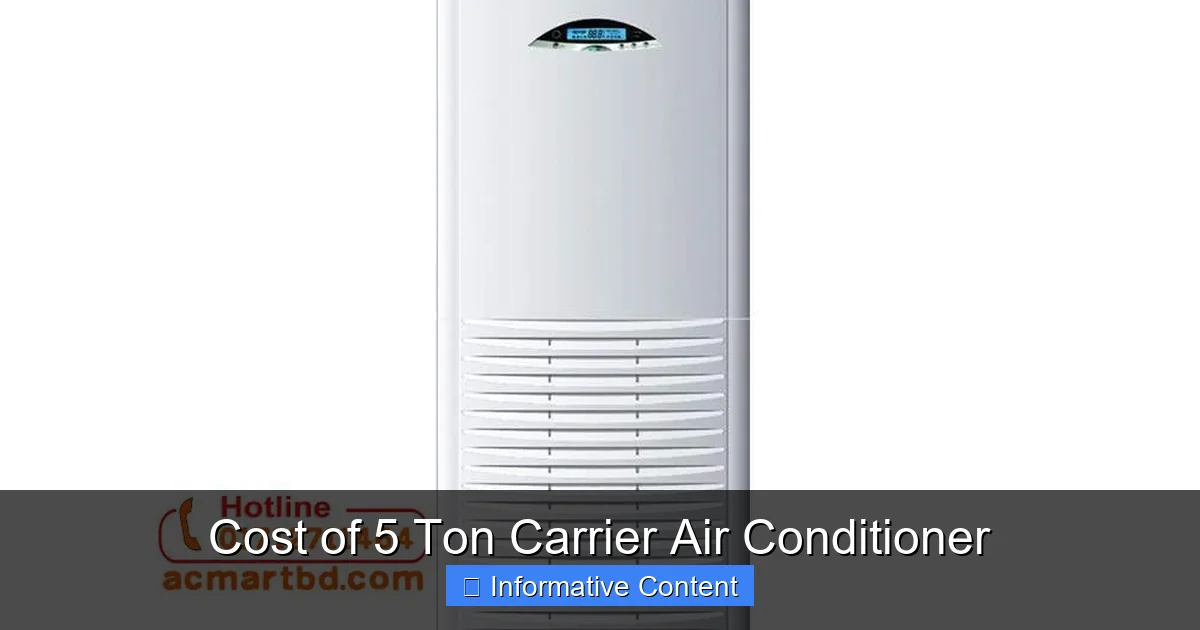
Understanding the cost of a 5 ton Carrier air conditioner involves more than just the sticker price. This guide breaks down equipment costs, installation expenses, energy efficiency, and long-term savings to help you make an informed decision for your home or business.
Key Takeaways
- Unit Price Range: A 5 ton Carrier air conditioner typically costs between $3,500 and $7,500, depending on the model and efficiency rating.
- Installation Costs: Professional installation adds $1,500 to $3,500, influenced by ductwork, electrical upgrades, and labor rates.
- SEER Ratings Matter: Higher SEER (Seasonal Energy Efficiency Ratio) models cost more upfront but save significantly on energy bills over time.
- Rebates and Incentives: Federal, state, and utility rebates can reduce the total cost by hundreds or even thousands of dollars.
- Long-Term Savings: Investing in a high-efficiency Carrier unit can lower monthly cooling costs by 20–40% compared to older systems.
- Maintenance Adds Value: Regular servicing extends lifespan and maintains efficiency, protecting your investment.
- Size Matters: A properly sized 5 ton unit ensures optimal comfort and efficiency—oversized or undersized systems waste energy and money.
📑 Table of Contents
- Understanding the Cost of a 5 Ton Carrier Air Conditioner
- What Is a 5 Ton Air Conditioner and Why Choose Carrier?
- Breakdown of 5 Ton Carrier Air Conditioner Prices
- Installation Costs: What to Expect
- Energy Efficiency and Long-Term Savings
- Rebates, Incentives, and Financing Options
- Maintenance and Lifespan: Protecting Your Investment
- Is a 5 Ton Carrier Air Conditioner Worth the Cost?
Understanding the Cost of a 5 Ton Carrier Air Conditioner
When it comes to cooling large homes or commercial spaces, a 5 ton air conditioner is often the go-to solution. Carrier, one of the most trusted names in HVAC systems, offers a range of 5 ton models designed for powerful, reliable, and energy-efficient performance. But how much does a 5 ton Carrier air conditioner actually cost? The answer isn’t as simple as checking a price tag.
The total cost includes the unit itself, professional installation, potential upgrades to your home’s electrical or ductwork systems, and ongoing energy expenses. While the upfront investment may seem steep, understanding all the components helps you see the bigger picture—especially when you factor in long-term savings, improved comfort, and potential rebates.
In this comprehensive guide, we’ll walk you through every aspect of the cost of a 5 ton Carrier air conditioner. Whether you’re replacing an old system or installing one for the first time, this information will help you budget wisely and choose the best model for your needs. From pricing breakdowns to energy efficiency tips, we’ve got you covered.
What Is a 5 Ton Air Conditioner and Why Choose Carrier?
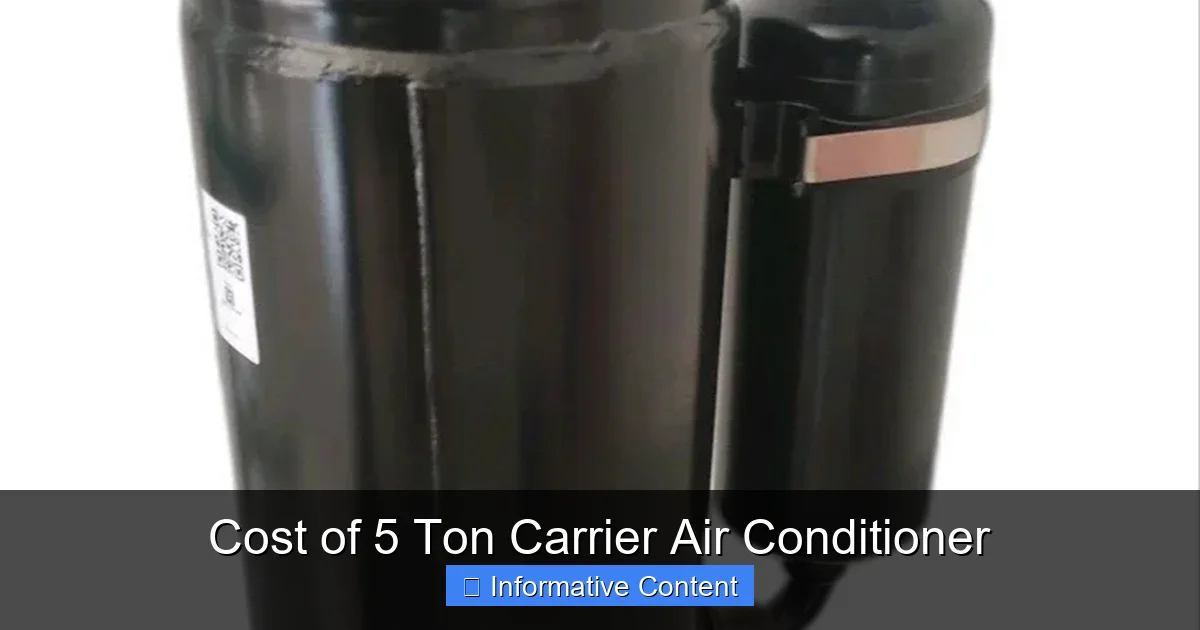
Visual guide about Cost of 5 Ton Carrier Air Conditioner
Image source: 5.imimg.com
Before diving into costs, it’s important to understand what a 5 ton air conditioner actually does. In HVAC terms, “tonnage” refers to the cooling capacity of an air conditioner—not its weight. One ton of cooling equals 12,000 BTUs (British Thermal Units) per hour. So, a 5 ton unit can remove 60,000 BTUs of heat per hour, making it ideal for spaces between 2,500 and 3,000 square feet, depending on climate, insulation, and ceiling height.
Carrier has been a leader in the HVAC industry since 1915, known for innovation, durability, and energy efficiency. Their 5 ton air conditioners are built with advanced technology like variable-speed compressors, smart thermostats compatibility, and corrosion-resistant coils. These features not only improve comfort but also reduce wear and tear, leading to fewer repairs and longer system life.
Choosing Carrier means investing in a brand with a proven track record. Their systems are rigorously tested and often come with strong warranties—some covering parts for up to 10 years. Plus, Carrier offers a range of models to fit different budgets and efficiency needs, from entry-level units to premium, ultra-efficient systems.
How Tonnage Affects Performance and Cost
Selecting the right tonnage is crucial. An undersized unit will struggle to cool your space, running constantly and driving up energy bills. An oversized unit will cool too quickly, leading to short cycling—frequent on-and-off cycles that reduce efficiency, increase wear, and fail to properly dehumidify the air.
A 5 ton system is typically recommended for larger homes, especially in hot climates. However, factors like insulation quality, window type, number of occupants, and even landscaping can influence the ideal size. A professional HVAC contractor will perform a Manual J load calculation to determine the correct tonnage for your specific home.
While a 5 ton Carrier air conditioner is a significant investment, it’s designed to handle heavy cooling demands efficiently. This balance of power and precision is what makes it a popular choice for homeowners who prioritize comfort and long-term value.
Breakdown of 5 Ton Carrier Air Conditioner Prices
The cost of a 5 ton Carrier air conditioner varies widely based on the model, efficiency rating, and features. Here’s a detailed look at what you can expect to pay.
Base Unit Costs by Model Tier
Carrier offers several product lines, each with different price points and performance levels:
– **Base Models (e.g., Carrier Comfort Series):** These units are the most affordable, typically ranging from $3,500 to $4,500. They offer reliable cooling with standard SEER ratings around 14–16. Ideal for budget-conscious buyers who still want the Carrier name and basic efficiency.
– **Mid-Range Models (e.g., Carrier Performance Series):** Priced between $4,500 and $6,000, these units feature higher SEER ratings (16–18), better humidity control, and quieter operation. They often include enhanced compressor technology and improved airflow design.
– **Premium Models (e.g., Carrier Infinity Series):** These top-tier units cost $6,000 to $7,500 or more. They boast SEER ratings of 20 or higher, variable-speed compressors, and advanced diagnostics. The Infinity Series also integrates seamlessly with smart thermostats and home automation systems for maximum comfort and control.
For example, the Carrier Infinity 20 5-ton model (24VNA0) with a 20.5 SEER rating might cost around $7,200, while a Comfort Series 5-ton unit (24ACC6) with a 16 SEER rating could be closer to $3,800.
Factors That Influence Unit Pricing
Several factors affect the price of a 5 ton Carrier air conditioner:
– **SEER Rating:** Higher SEER means better efficiency and higher cost. A 16 SEER unit uses about 13% less energy than a 14 SEER model.
– **Compressor Type:** Single-stage compressors are cheaper but less efficient. Two-stage and variable-speed compressors offer better comfort and savings but cost more.
– **Warranty Coverage:** Extended warranties or enhanced protection plans can increase the price but provide peace of mind.
– **Smart Features:** Wi-Fi connectivity, remote monitoring, and compatibility with voice assistants add convenience—and cost.
– **Regional Pricing:** Prices can vary by location due to demand, shipping costs, and local market conditions.
It’s also worth noting that Carrier often runs promotions, especially during seasonal transitions. Checking with local dealers can help you find discounts or bundle deals.
Installation Costs: What to Expect
The unit price is only part of the story. Installation is a major component of the total cost of a 5 ton Carrier air conditioner. Professional installation ensures safety, efficiency, and warranty validity—so it’s not something to skip or DIY unless you’re a licensed HVAC technician.
Average Installation Fees
Installation costs typically range from $1,500 to $3,500, depending on complexity. This includes labor, materials, and any necessary modifications. Here’s what influences the price:
– **Ductwork Condition:** If your existing ducts are in good shape, installation is simpler and cheaper. Leaky, undersized, or poorly insulated ducts may need repair or replacement, adding $500–$2,000.
– **Electrical Upgrades:** Older homes may need upgraded electrical panels or new wiring to support a high-capacity AC unit. This can cost $300–$1,500.
– **Location and Accessibility:** Units installed in tight spaces, on rooftops, or in hard-to-reach areas may require extra labor and equipment.
– **Permits and Inspections:** Most areas require permits for HVAC installations, which can cost $100–$300.
– **Disposal of Old Unit:** Removing and disposing of your old air conditioner usually costs $100–$300.
For example, a straightforward installation in a home with good ductwork and modern electrical systems might cost around $1,800. But if ductwork needs redesigning and the electrical panel requires an upgrade, the total could easily reach $3,200 or more.
Choosing the Right Installer
Not all HVAC contractors are created equal. To get the best value and performance, choose a Carrier Factory Authorized Dealer. These professionals are trained and certified by Carrier, ensuring proper installation and eligibility for full warranty coverage.
Get at least three quotes from reputable contractors. Ask about their experience with Carrier systems, licensing, insurance, and customer reviews. A higher quote isn’t always a red flag—it may reflect better materials, more thorough work, or stronger warranties.
Energy Efficiency and Long-Term Savings
One of the biggest advantages of investing in a 5 ton Carrier air conditioner is energy efficiency. While high-efficiency models cost more upfront, they can save you hundreds of dollars per year on utility bills.
Understanding SEER Ratings
SEER (Seasonal Energy Efficiency Ratio) measures how efficiently an air conditioner operates over a typical cooling season. The higher the SEER, the less energy the unit uses.
– A 14 SEER unit is the minimum allowed by federal law.
– A 16 SEER unit is about 14% more efficient.
– A 20 SEER unit is roughly 43% more efficient than a 14 SEER model.
For example, if your current 10 SEER unit costs $300 per month to run, upgrading to a 20 SEER Carrier model could cut that bill to around $170—saving $130 per month or $1,560 per year. Over 10 years, that’s over $15,000 in savings.
Real-World Savings Example
Let’s say you live in a hot climate like Phoenix, Arizona, where air conditioning runs 8 months a year. You’re replacing a 12 SEER unit with a Carrier Infinity 20 (20.5 SEER).
– Old system cost: $250/month × 8 months = $2,000/year
– New system cost: $140/month × 8 months = $1,120/year
– Annual savings: $880
– Payback period: If the upgrade cost $2,000 more, it pays for itself in about 2.3 years.
After that, you’re saving nearly $900 every year—money that can go toward other home improvements or family expenses.
Rebates, Incentives, and Financing Options
The upfront cost of a 5 ton Carrier air conditioner can be offset by rebates, tax credits, and financing programs. These incentives make high-efficiency systems more accessible and affordable.
Federal and State Rebates
The U.S. federal government offers tax credits for energy-efficient home improvements under the Inflation Reduction Act. As of 2024, you may qualify for a tax credit of up to 30% of the cost of a qualifying air conditioner, capped at $600.
Many states and local utilities also offer rebates. For example:
– California’s TECH Clean California program offers rebates up to $1,000 for high-efficiency heat pumps and AC units.
– Texas utilities like Oncor and CenterPoint Energy provide rebates of $200–$500 for SEER 16+ systems.
– Florida Power & Light offers $300 rebates for Carrier units with SEER 16 or higher.
Check with your local utility company or visit the Database of State Incentives for Renewables & Efficiency (DSIRE) to find available programs.
Manufacturer and Dealer Promotions
Carrier frequently runs seasonal promotions, such as:
– $500–$1,000 rebates on select models
– 0% financing for 36–60 months
– Free smart thermostats with purchase
These deals can significantly reduce your out-of-pocket cost. Sign up for Carrier’s newsletter or follow local dealers on social media to stay informed.
Financing Options
If you can’t pay upfront, many HVAC dealers offer financing through partners like Synchrony or GreenSky. These plans often include low or no interest for a set period, making it easier to manage the cost.
For example, a $6,000 system with 0% interest for 48 months would cost about $125 per month—less than many monthly utility bills.
Maintenance and Lifespan: Protecting Your Investment
A 5 ton Carrier air conditioner is a long-term investment. With proper care, it can last 15–20 years. Regular maintenance is key to maximizing performance, efficiency, and lifespan.
Recommended Maintenance Tasks
– **Annual Professional Tune-Up:** A certified technician should inspect and service your system once a year, ideally before summer. This includes cleaning coils, checking refrigerant levels, tightening electrical connections, and testing safety controls. Cost: $100–$200.
– **Change Air Filters Monthly:** Dirty filters restrict airflow, reducing efficiency and straining the system. Use high-quality pleated filters for better performance.
– **Keep the Outdoor Unit Clear:** Remove leaves, debris, and vegetation within 2 feet of the condenser unit to ensure proper airflow.
– **Check Thermostat Settings:** Use a programmable or smart thermostat to optimize cooling schedules and reduce runtime.
Skipping maintenance can lead to higher energy bills, frequent repairs, and premature system failure. In fact, a poorly maintained AC unit can lose up to 5% of its efficiency each year.
Warranty Coverage
Most Carrier air conditioners come with a standard 10-year parts warranty when registered within 90 days of installation. Some models include a 12-year compressor warranty. Extended warranties are also available for added protection.
To keep your warranty valid, always use a licensed installer and schedule annual maintenance. Keep records of all service visits.
Is a 5 Ton Carrier Air Conditioner Worth the Cost?
So, is the cost of a 5 ton Carrier air conditioner justified? For most homeowners with large spaces or high cooling demands, the answer is a resounding yes.
While the initial investment ranges from $5,000 to $11,000 (including installation), the long-term benefits far outweigh the cost. You’ll enjoy:
– Consistent, comfortable indoor temperatures
– Lower monthly energy bills
– Fewer repairs and longer system life
– Improved indoor air quality
– Potential increase in home value
Plus, with rebates and financing, the upfront burden is more manageable than ever.
When you choose Carrier, you’re not just buying an air conditioner—you’re investing in comfort, reliability, and peace of mind. And in the long run, that’s priceless.
Frequently Asked Questions
How much does a 5 ton Carrier air conditioner cost?
A 5 ton Carrier air conditioner typically costs between $3,500 and $7,500 for the unit alone. When including professional installation, the total cost ranges from $5,000 to $11,000, depending on model, efficiency, and home requirements.
Is a 5 ton AC unit too big for my home?
A 5 ton unit is ideal for homes between 2,500 and 3,000 square feet, but proper sizing depends on factors like insulation, climate, and window quality. A professional load calculation ensures the right fit.
What SEER rating should I look for in a Carrier AC?
Aim for at least 16 SEER for good efficiency. If you live in a hot climate or want maximum savings, consider 18–20+ SEER models like the Carrier Infinity Series.
Can I install a 5 ton Carrier AC myself?
No. HVAC installation requires specialized tools, knowledge, and licensing. Improper installation can void warranties, reduce efficiency, and pose safety risks. Always hire a certified professional.
Are there rebates available for Carrier air conditioners?
Yes. Federal tax credits, state rebates, and utility incentives can reduce the cost by hundreds or thousands of dollars. Check with your local dealer or DSIRE.org for current offers.
How long does a Carrier air conditioner last?
With proper maintenance, a Carrier air conditioner can last 15–20 years. Regular tune-ups, clean filters, and timely repairs help extend its lifespan and maintain efficiency.