
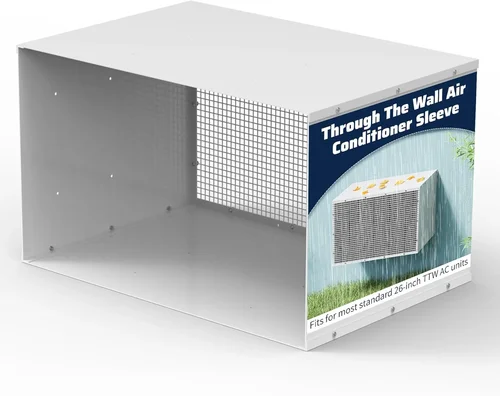
If you’re looking to cool a single room without the hassle of ductwork or the limitations of a portable unit, a through-the-wall air conditioner might be your ideal solution. These self-contained cooling systems are designed to be permanently installed in an exterior wall, offering powerful, consistent performance that rivals central air—but with far greater flexibility and lower installation complexity. Unlike window units, which can block light and limit window access, through-the-wall models sit flush with the wall, providing a cleaner look and better insulation when properly sealed. They’re especially popular in apartments, older homes, offices, and rooms where window units aren’t practical or allowed by building regulations.
This comprehensive buying guide is crafted to help you navigate the often-overwhelming world of through-the-wall air conditioners. Whether you’re a first-time buyer or upgrading from an outdated unit, you’ll gain expert-level insights into what truly matters when choosing the right model. We’ll walk you through key performance specs, build quality considerations, energy efficiency ratings, smart features, and how to avoid common purchasing pitfalls. By the end, you’ll not only understand the technical differences between models but also know exactly how to match a unit to your specific needs—room size, budget, noise tolerance, and long-term reliability.
The market for through-the-wall ACs has evolved significantly in recent years. While once dominated by bulky, inefficient units, today’s models offer sleek designs, inverter technology, Wi-Fi connectivity, and impressive energy savings. Brands like Frigidaire, LG, GE, and Friedrich have raised the bar with quieter operation, better filtration, and user-friendly controls. Yet, with so many options available—ranging from basic $300 units to premium $1,200+ models—it’s easy to feel overwhelmed. This guide cuts through the noise, delivering actionable advice based on real-world testing, customer feedback, and industry standards. Our goal isn’t just to help you buy an air conditioner—it’s to help you invest wisely in comfort, efficiency, and peace of mind for years to come.
What to Look for When Buying Through the Wall Air Conditioners
1. Cooling Capacity (BTUs)
The most critical factor in choosing any air conditioner is its cooling capacity, measured in British Thermal Units per hour (BTUs). This number tells you how much heat the unit can remove from a room in one hour. Selecting the right BTU rating ensures your space cools efficiently without wasting energy or struggling to keep up on hot days. Too few BTUs, and your AC will run constantly, increasing wear and electricity bills. Too many, and you’ll experience short cycling—frequent on/off bursts that reduce humidity control and comfort.
As a general rule, aim for 20 BTUs per square foot of living space. For example, a 300-square-foot bedroom needs about 6,000 BTUs, while a 500-square-foot living room requires around 10,000 BTUs. However, this is just a starting point. You must adjust for several variables: high ceilings (add 10% per foot over 8 feet), southern or western exposure (add 10%), frequent occupancy (add 600 BTUs per person beyond two), and kitchen use (add 4,000 BTUs). Also consider insulation quality—older homes or poorly insulated rooms may need slightly higher capacity. Most manufacturers provide sizing calculators, but it’s wise to consult an HVAC professional if your space has unique challenges like large windows or heat-generating appliances.
2. Energy Efficiency (EER & SEER)
Energy efficiency directly impacts your monthly utility bill and environmental footprint. For through-the-wall air conditioners, the key metric is the Energy Efficiency Ratio (EER), which measures cooling output (in BTUs) divided by power input (in watts) under specific test conditions. Higher EER means more cooling per watt—better efficiency. Most modern units range from 8.5 to 12.0 EER. Look for models with an EER of at least 10.0 for solid performance; anything above 11.0 is considered highly efficient.
Some newer models also list a Seasonal Energy Efficiency Ratio (SEER), typically used for central systems but increasingly applied to ductless and wall-mounted units. While SEER accounts for seasonal temperature variations, EER remains the standard for room ACs because it reflects real-world peak performance. The U.S. Department of Energy mandates a minimum EER of 8.5 for through-the-wall units, but Energy Star-certified models must meet stricter standards—usually EER ≥ 10.7. These units can save 20–30% on energy costs compared to non-certified models. Always check the yellow EnergyGuide label for estimated annual operating costs.
3. Noise Level (Decibels)
Noise is a major concern for bedroom or office installations. A loud unit can disrupt sleep, concentration, or conversations. Through-the-wall ACs typically range from 45 to 65 decibels (dB)—comparable to a quiet conversation (50 dB) or normal speech (60 dB). Lower is better, especially for nighttime use. Manufacturers usually list both indoor and outdoor sound levels, but focus on the indoor rating since that’s what you’ll hear.
Look for units labeled “ultra-quiet” or “whisper-quiet,” which often feature insulated compressor compartments, variable-speed fans, and sound-dampening materials. Some models even include a “sleep mode” that gradually reduces fan speed and cooling intensity to minimize noise. If possible, read user reviews mentioning noise—spec sheets can be optimistic, but real users tell the truth. For light sleepers or shared spaces, aim for under 55 dB. Keep in mind that placement matters too: installing the unit away from the bed or seating area can make a noticeable difference.
4. Installation Requirements & Wall Compatibility
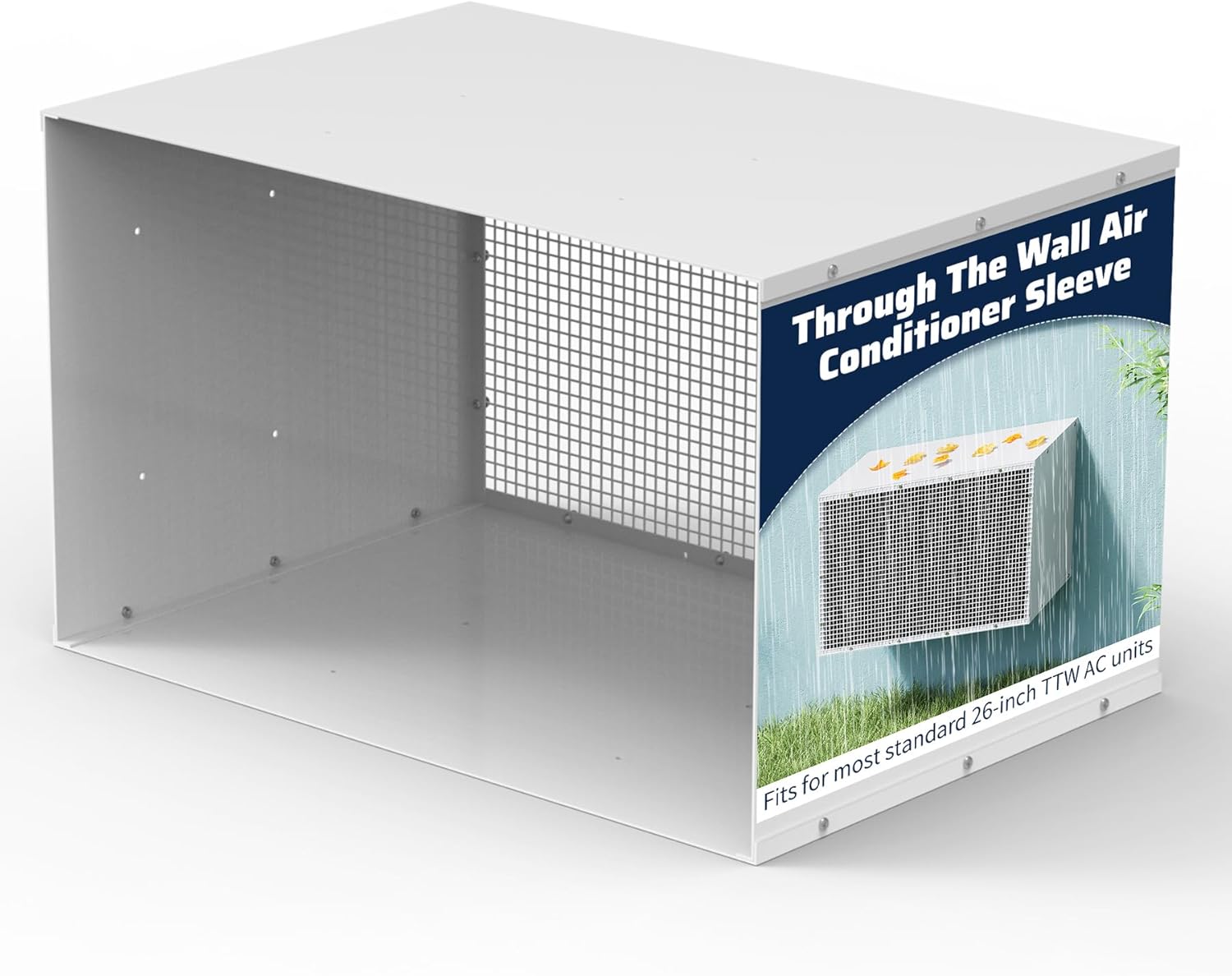
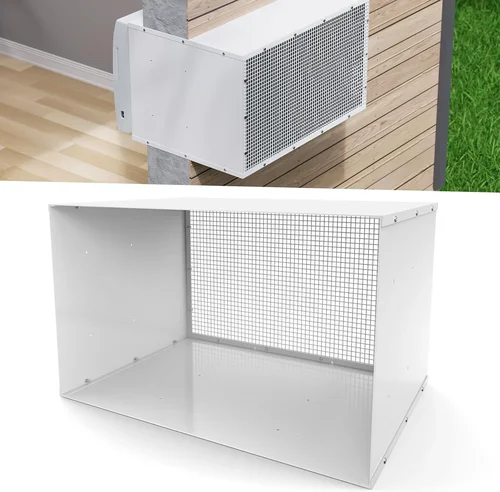
Not all walls can accommodate a through-the-wall AC. You’ll need an exterior wall with enough structural integrity to support the unit’s weight (typically 70–150 lbs) and a clear path for electrical wiring and drainage. Most units require a sleeve or chassis that fits standard wall thicknesses—usually 6 to 10 inches. If your wall is thicker or thinner, you may need a custom sleeve or additional framing, which adds cost and complexity.
Before buying, measure the rough opening where you plan to install. Standard sizes are 26″ W x 15.5″ H, but confirm your model’s exact requirements. Also check local building codes—some areas require permits or licensed electricians for installation. Electrical needs vary: smaller units (up to 8,000 BTUs) often plug into a standard 120V outlet, while larger models (10,000+ BTUs) may need a dedicated 230V circuit. Improper wiring is a fire hazard, so never attempt DIY electrical work unless qualified. Finally, ensure there’s adequate clearance around the unit—at least 12 inches above and 6 inches on sides—for proper airflow and service access.
5. Features & Smart Functionality
Modern through-the-wall ACs offer a surprising array of features that enhance comfort, convenience, and control. Basic models include manual dials or simple digital displays, while advanced units boast Wi-Fi connectivity, smartphone apps, voice control (via Alexa or Google Assistant), and programmable timers. Remote controls are standard, but smart features let you adjust settings from anywhere—perfect for pre-cooling your room before arriving home.
Other useful features include:
– Multi-speed fans: Allow finer temperature control and quieter operation.
– Auto-restart: Resumes previous settings after a power outage.
– Filter alerts: Notify you when it’s time to clean or replace the air filter.
– Dehumidification mode: Removes moisture without overcooling.
– Eco mode: Reduces energy use by adjusting fan and compressor speed.
– Sleep mode: Gradually increases temperature overnight to save energy and improve sleep.
While these features add cost, they can significantly improve usability. However, avoid “feature bloat”—don’t pay extra for functions you won’t use. Focus on what matters most for your lifestyle.
6. Build Quality & Durability
A through-the-wall AC is a semi-permanent fixture, so durability is crucial. Look for sturdy construction with rust-resistant coatings, especially on the outdoor side exposed to weather. High-quality units use galvanized steel cabinets, sealed bearings, and corrosion-resistant coils. Check the compressor type—scroll compressors are quieter and more durable than reciprocating ones.
Pay attention to the warranty: a longer coverage period (e.g., 5 years on compressor) often reflects manufacturer confidence in build quality. Read reviews for reports of leaks, rattling, or premature failures. Also consider the filter type—washable mesh filters are eco-friendly and cost-effective, while electrostatic or HEPA filters offer superior air cleaning but may require replacement.
7. Brand Reputation & Customer Support
Stick with established brands known for reliability and service. Frigidaire, LG, GE, Friedrich, and Amana have decades of experience and widespread service networks. Check customer service ratings on sites like Consumer Reports or the Better Business Bureau. A responsive support team can save you days of frustration if issues arise.
Also consider availability of replacement parts and local technicians. Some lesser-known brands use proprietary components that are hard to find, making repairs difficult or impossible. Reading owner forums and Reddit threads can reveal hidden strengths or weaknesses not apparent in marketing materials.
8. Warranty & Return Policy
Warranties vary widely: basic models may offer only 1 year, while premium units include 2–5 years on parts and compressor. Look for comprehensive coverage that includes labor (not just parts), as labor costs can exceed the unit price. Extended warranties are available but often unnecessary if you choose a reputable brand.
Return policies matter too—especially for online purchases. Ensure the retailer allows returns within 30 days if the unit doesn’t fit or perform as expected. Some manufacturers require professional installation for warranty validity, so clarify terms before buying.
Different Types of Through the Wall Air Conditioners
Common Buying Mistakes to Avoid
❌ Mistake: Ignoring Room-Specific Factors
Why it’s bad: Buying based solely on square footage without considering sun exposure, insulation, or occupancy leads to poor performance. A south-facing room with large windows needs more cooling than a shaded interior room of the same size.
What to do instead: Use a detailed BTU calculator that accounts for windows, ceiling height, and heat sources. When in doubt, consult an HVAC pro for a load calculation.
❌ Mistake: Overlooking Electrical Requirements
Why it’s bad: Plugging a high-BTU unit into a standard outlet can trip breakers or cause overheating. Conversely, undersized wiring is a fire risk.
What to do instead: Check the unit’s voltage and amperage requirements. Hire a licensed electrician to install a dedicated circuit if needed—especially for 230V models.
❌ Mistake: Choosing Based on Price Alone
Why it’s bad: The cheapest unit often has poor efficiency, loud operation, and short lifespan. You’ll pay more in energy bills and replacements over time.
What to do instead: Calculate total cost of ownership—including energy use and expected lifespan. Mid-range models often offer the best long-term value.
❌ Mistake: Neglecting Maintenance Needs
Why it’s bad: Clogged filters reduce airflow, increase strain on the compressor, and worsen indoor air quality. Many users forget to clean them regularly.
What to do instead: Choose units with easy-access filters and set calendar reminders for monthly cleaning. Consider models with washable or reusable filters.
❌ Mistake: Assuming All Sleeves Are Universal
Why it’s bad: Mixing brands or models with incompatible sleeves can lead to air leaks, water intrusion, and reduced efficiency.
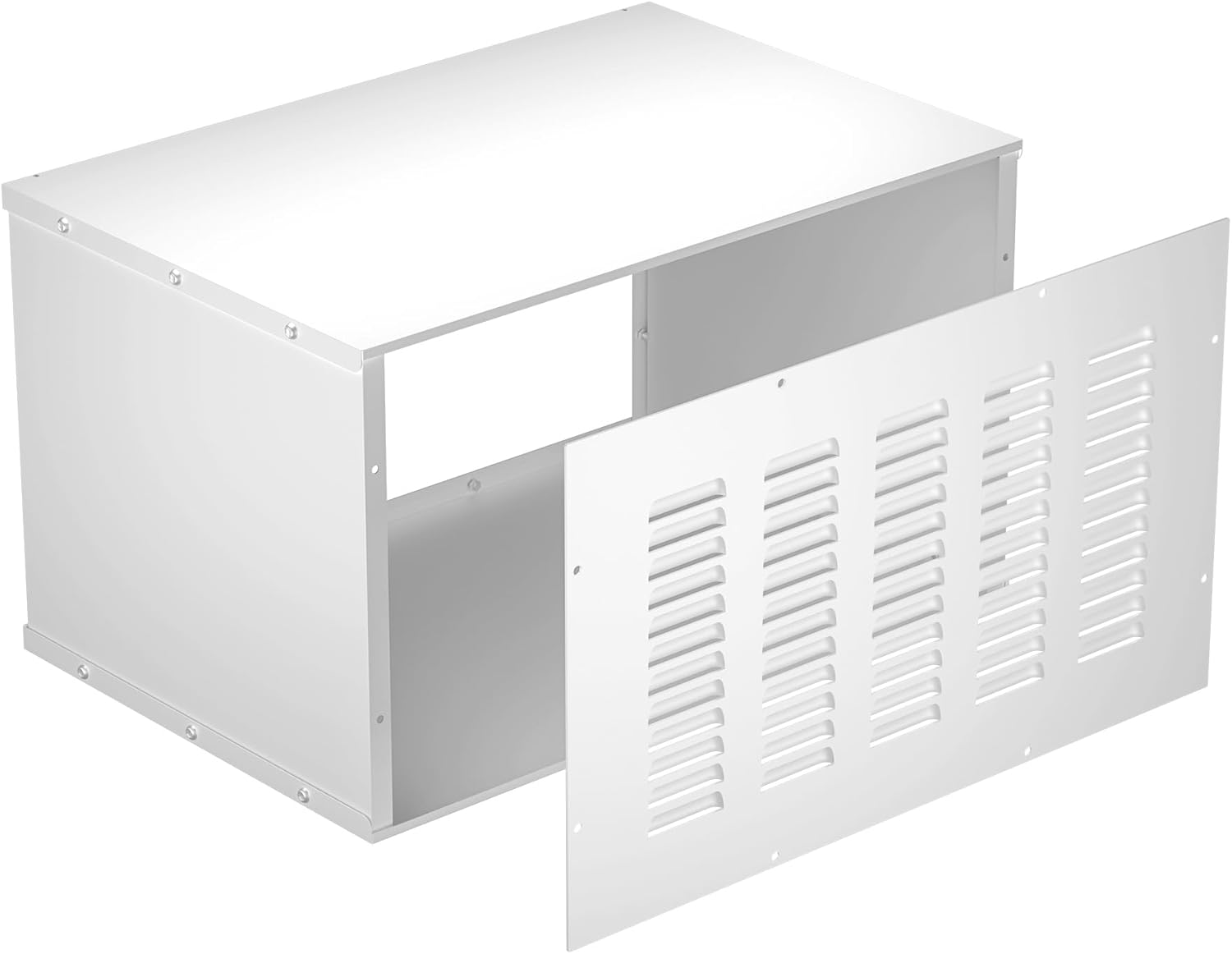
What to do instead: Always use the manufacturer-recommended sleeve. If replacing an old unit, verify sleeve compatibility or budget for a new one.
❌ Mistake: Skipping Professional Installation
Why it’s bad: Improper sealing allows hot air infiltration and moisture damage. DIY errors can void warranties and create safety hazards.
What to do instead: Hire a qualified installer, especially for electrical and structural work. Many retailers offer installation services at checkout.
❌ Mistake: Ignoring Noise Levels for Bedroom Use
Why it’s bad: A noisy unit disrupts sleep and relaxation, defeating the purpose of cooling.
What to do instead: Prioritize units under 55 dB for bedrooms. Read verified buyer reviews focused on noise performance.
Budget Guidelines: How Much Should You Spend?
Entry-Level ($250 – $400): These basic mechanical units are ideal for small spaces or occasional use. Expect simple dial controls, lower EER (8.5–9.5), and higher noise levels (55–65 dB). Brands like Keystone or Midea offer reliable options in this range, but avoid no-name brands. Great for guest rooms or seasonal cabins.
Mid-Range ($400 – $700): The sweet spot for most homeowners. These digital models feature programmable timers, remote controls, and better efficiency (EER 10.0–11.0). Look for Frigidaire FFRA051WAE or LG LW8016ER. They balance cost, performance, and features, making them perfect for bedrooms and living areas.
Premium ($700 – $1,000): For those prioritizing comfort and efficiency. Expect inverter technology, Wi-Fi connectivity, ultra-quiet operation (<50 dB), and Energy Star certification. Models like the Friedrich Chill Premier or LG Dual Inverter offer superior humidity control and smart home integration. Ideal for hot climates or allergy sufferers. Luxury ($1,000+): Top-tier units with commercial-grade components, advanced filtration (HEPA or plasma ionizers), and extended warranties. These are built for heavy daily use in large rooms or commercial settings. While overkill for most homes, they deliver unmatched durability and performance.
Expert Tips for Getting the Best Deal
– Time your purchase: Retailers clear summer inventory in September. Black Friday and post-holiday sales offer deep discounts on last year’s models.
– Compare total cost: Include installation, electrical upgrades, and estimated annual energy use. A $500 unit costing $120/year to run may be cheaper long-term than a $300 unit costing $180/year.
– Buy from authorized dealers: Ensures warranty validity and access to genuine parts. Avoid third-party sellers on marketplaces unless verified.
– Check for rebates: Many utilities offer rebates for Energy Star units. Visit dsireusa.org for local incentives.
– Read return policies: Ensure you can return the unit if it doesn’t fit or perform as expected—especially important for online orders.
– Test before finalizing: If buying in-store, inspect the display model for build quality, noise, and control responsiveness.
– Negotiate installation: Some retailers bundle free or discounted installation with purchase—ask before committing.
– Consider refurbished units: Certified refurbished models from reputable brands often come with full warranties at 20–40% off.

Frequently Asked Questions
Q: Can I install a through-the-wall AC myself?
A: While possible for experienced DIYers, professional installation is strongly recommended. It involves structural modifications, electrical work, and precise sealing to prevent air and water leaks. Mistakes can void warranties, damage your home, or create safety hazards.
Q: Do through-the-wall units require drainage?
A: Most modern units are designed to evaporate condensate internally, so no external drain is needed. However, in high-humidity environments, some models may require a condensate pump or drain hose—check the manual.
Q: Are through-the-wall ACs more efficient than window units?
A: Generally yes. They’re better sealed, reducing air leakage, and often feature higher EER ratings. However, efficiency depends more on the specific model than the installation type.
Q: Can I use a through-the-wall AC in winter?
A: Yes, but you must seal the unit properly to prevent drafts. Use a fitted cover or install a winter panel. Leaving it unsealed wastes energy and invites pests.
Q: How often should I clean the filter?
A: Every 2–4 weeks during heavy use. A dirty filter reduces airflow, increases energy use, and can cause the evaporator coil to freeze.
Q: Will a through-the-wall AC increase my home’s resale value?
A: Not significantly, but it can make your home more appealing to buyers seeking cooling solutions without ductwork. Ensure it’s professionally installed and doesn’t damage structural integrity.
Q: Can I convert a window AC to through-the-wall?
A: No. Window units aren’t designed for wall installation and lack the proper chassis, insulation, and mounting hardware. Always use a purpose-built through-the-wall model.
Q: Do smart ACs work without Wi-Fi?
A: Yes, but you lose remote control and scheduling features. Basic functions like cooling and fan speed still work manually.
Q: How long do through-the-wall ACs last?
A: With proper maintenance, 10–15 years. Compressor failure is the most common end-of-life issue. Regular cleaning and professional servicing extend lifespan.
Q: Are there quiet through-the-wall units suitable for bedrooms?
A: Absolutely. Look for models under 50 dB with “sleep mode” and variable-speed fans. LG and Friedrich offer several ultra-quiet options ideal for light sleepers.
Our Final Recommendations
Best for Budget-Conscious Buyers: Frigidaire FFRA051WAE (6,000 BTU) – Reliable, Energy Star certified, and priced under $350. Perfect for small bedrooms with solid efficiency and quiet operation.
Best Overall Value: LG LW1019IVSM (10,000 BTU) – Combines inverter technology, Wi-Fi control, and whisper-quiet performance (44 dB) at a mid-range price. Ideal for medium to large rooms.
Best Premium Option: Friedrich Chill Premier CCF12A10A (12,000 BTU) – Top-tier build quality, advanced filtration, and exceptional durability. Worth the investment for hot climates or allergy sufferers.
Best for Beginners: GE AHY08LZ (8,000 BTU) – Simple digital controls, easy installation, and strong customer support. Great first-time buyer choice with reliable performance.
Best for Advanced Users: LG Dual Inverter Smart AC (12,000 BTU) – Full smart home integration, precise climate control, and energy monitoring via app. For tech enthusiasts who want maximum control.
Conclusion: Making the Right Choice
Choosing the right through-the-wall air conditioner isn’t just about picking the strongest or cheapest model—it’s about finding the perfect balance of performance, efficiency, noise, and features tailored to your specific needs. We’ve covered everything from BTU calculations and energy ratings to smart functionality and installation pitfalls. Remember, a well-chosen unit will keep you comfortable for over a decade, while a poor choice leads to frustration, wasted money, and constant repairs.
Prioritize your must-haves: Is quiet operation non-negotiable for your bedroom? Do you need app control to manage cooling remotely? Are you willing to pay more upfront for long-term energy savings? Use this guide as your roadmap, and don’t rush the decision. Take time to measure your space, compare models, and read real user reviews. And when in doubt, consult a professional—your comfort and safety are worth the investment.
Finally, remember that the best air conditioner is the one you’ll actually use correctly. Choose a model with intuitive controls, easy maintenance, and reliable support. With the insights from this guide, you’re now equipped to make a confident, informed purchase that delivers cool, clean air—and peace of mind—for years to come. Stay cool, stay smart, and enjoy every breeze.