
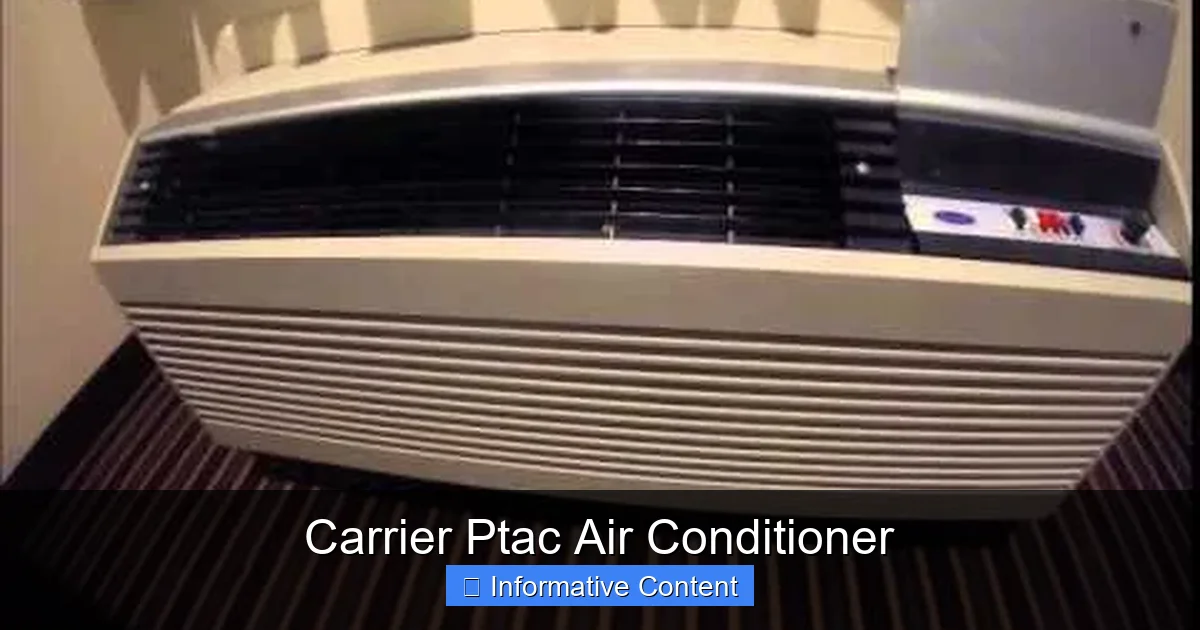
Carrier PTAC air conditioners deliver efficient, self-contained climate control for hotels, hospitals, and multi-unit buildings. Known for durability, quiet operation, and energy-saving features, these units are ideal for spaces requiring individual room temperature management.
Key Takeaways
- Designed for Commercial Use: Carrier PTAC units are built for hotels, motels, senior living facilities, and apartment complexes where individual room control is essential.
- Energy Efficient Operation: Many models feature high EER (Energy Efficiency Ratio) ratings and programmable thermostats to reduce electricity consumption and lower utility bills.
- Quiet Performance: Advanced sound-dampening technology ensures minimal noise, making them perfect for guest rooms and patient areas.
- Easy Installation & Maintenance: Slide-in chassis design allows for quick installation and service, minimizing downtime during repairs or replacements.
- Built-In Heating Options: Most Carrier PTACs include electric heat strips or heat pump functionality, providing year-round comfort in all seasons.
- Smart Controls & Compatibility: Select models support Wi-Fi connectivity and integration with building management systems for centralized monitoring and control.
- Durable & Long-Lasting: Constructed with corrosion-resistant materials and robust components, these units are engineered for long-term reliability in demanding environments.
📑 Table of Contents
What Is a Carrier PTAC Air Conditioner?
A Carrier PTAC (Packaged Terminal Air Conditioner) is a self-contained HVAC unit designed specifically for individual room climate control. Unlike central air systems that cool entire buildings through ductwork, PTACs are installed directly through an exterior wall, providing dedicated heating and cooling to a single space. These units are commonly found in hotels, motels, hospitals, senior living communities, dormitories, and apartment buildings—anywhere guests or residents need personal temperature control without affecting neighboring rooms.
Carrier, a trusted name in the HVAC industry since 1915, has been a leader in PTAC innovation for decades. Their PTAC air conditioners combine advanced engineering with user-friendly features to deliver reliable performance in high-usage environments. Whether you’re managing a 50-room boutique hotel or a 500-unit assisted living facility, Carrier PTACs offer a scalable, efficient solution that meets the unique demands of commercial and multi-family properties.
How Does a Carrier PTAC Air Conditioner Work?
At its core, a Carrier PTAC air conditioner operates on the same basic principles as a standard air conditioner: it removes heat from indoor air and transfers it outside, leaving cooled air to circulate back into the room. However, what sets PTACs apart is their all-in-one design. Everything—compressor, condenser, evaporator, fan, and controls—is housed in a single unit that slides into a sleeve mounted through the wall.
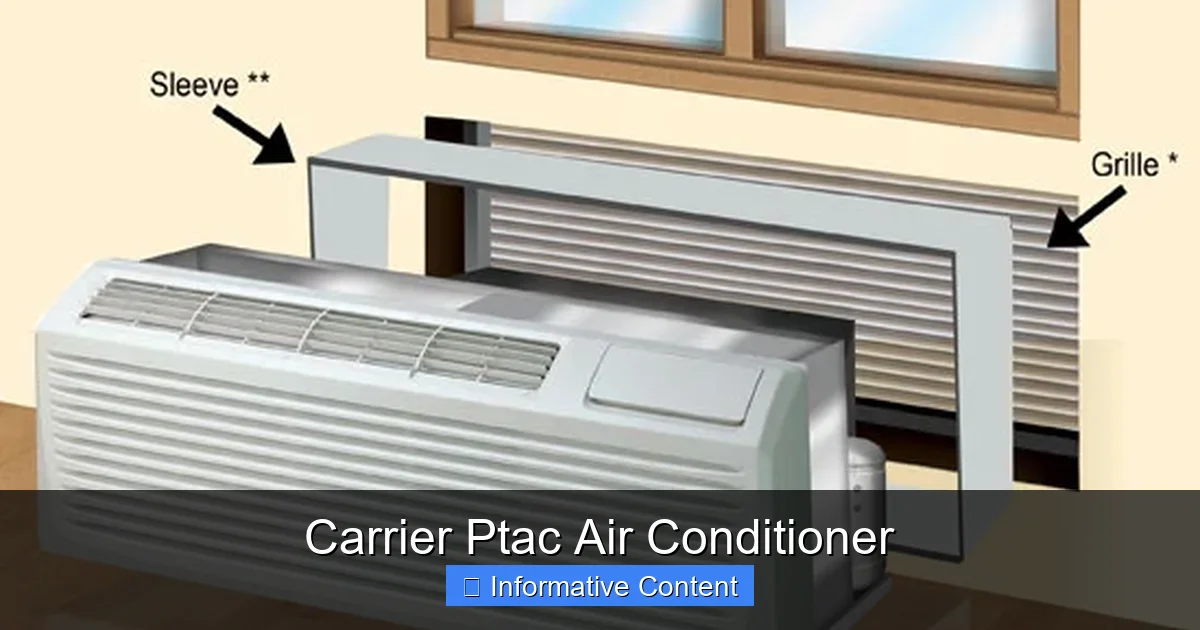
Visual guide about Carrier Ptac Air Conditioner
Image source: ajmadison.com
Cooling Process
When the thermostat calls for cooling, the compressor activates and begins circulating refrigerant through the system. Warm indoor air is drawn into the unit through a return grille, passes over the cold evaporator coil, and is cooled before being blown back into the room by the indoor fan. Meanwhile, the refrigerant absorbs heat from the indoor air and carries it to the outdoor section of the unit, where it releases the heat through the condenser coil and is expelled outside by the outdoor fan.
Heating Options
Many Carrier PTAC models include built-in heating capabilities. The most common type is electric resistance heating, which uses heating elements similar to those in a space heater. When the thermostat detects a need for heat, electricity flows through these elements, warming the air before it’s circulated back into the room. Some higher-end models feature heat pump technology, which reverses the refrigeration cycle to extract heat from outdoor air—even in cold temperatures—and bring it inside. Heat pumps are significantly more energy-efficient than electric resistance heating, especially in milder climates.
Ventilation and Air Quality
In addition to heating and cooling, Carrier PTACs often include fresh air ventilation options. A damper allows a controlled amount of outside air to enter the unit, improving indoor air quality by reducing stale air and odors. Some models also feature MERV 8 filters that capture dust, pollen, and other airborne particles, helping maintain a cleaner, healthier environment for occupants.
Key Features of Carrier PTAC Air Conditioners
Carrier PTAC units are packed with features designed to enhance comfort, efficiency, and ease of use. Whether you’re a property manager, facility operator, or building owner, these features can make a significant difference in daily operations and long-term satisfaction.
Energy Efficiency
Energy efficiency is a top priority for modern PTACs, and Carrier delivers with high EER (Energy Efficiency Ratio) ratings across its lineup. The EER measures how much cooling a unit provides per watt of electricity consumed. For example, a unit with an EER of 12 delivers 12 BTUs of cooling for every watt of power used. Higher EER ratings mean lower operating costs—especially important in properties with dozens or hundreds of units running year-round.
Many Carrier PTACs also include programmable thermostats and energy-saving modes. These allow users to set temperature schedules, such as raising the temperature during unoccupied hours or lowering it before guests arrive. Some models even feature adaptive defrost and demand-defrost controls, which reduce unnecessary cycling and further improve efficiency.
Quiet Operation
Noise can be a major concern in hospitality and healthcare settings, where guest comfort and patient rest are paramount. Carrier addresses this with advanced sound-dampening technology, including insulated cabinets, vibration-isolated compressors, and multi-speed fans that operate at lower decibel levels. Most Carrier PTACs produce noise levels between 45 and 55 decibels—comparable to a quiet conversation or a library—making them ideal for bedrooms, patient rooms, and quiet zones.
Durability and Reliability
Commercial environments demand equipment that can withstand constant use, temperature fluctuations, and exposure to the elements. Carrier PTACs are built with heavy-duty components, including corrosion-resistant aluminum fins, powder-coated steel cabinets, and sealed electrical connections. These features help prevent rust, extend the unit’s lifespan, and reduce the need for frequent repairs.
Additionally, Carrier offers extended warranties and comprehensive service plans, giving property managers peace of mind knowing their investment is protected. Regular maintenance—such as cleaning filters and coils—is straightforward and can be performed by on-site staff or HVAC technicians.
Smart Controls and Connectivity
Modern Carrier PTACs are increasingly compatible with smart building technologies. Select models support Wi-Fi connectivity and can be integrated with building management systems (BMS) or property management software. This allows facility operators to monitor and control multiple units remotely, adjust settings based on occupancy, and receive alerts for maintenance needs or malfunctions.
For example, a hotel manager could use a central dashboard to see which rooms are occupied, adjust temperatures to save energy in vacant units, and receive notifications if a unit’s filter needs replacement. Some models also support integration with voice assistants and mobile apps, offering guests the convenience of controlling their room’s climate from their smartphones.
Benefits of Choosing a Carrier PTAC Air Conditioner
When it comes to selecting HVAC equipment for commercial or multi-family properties, the decision often comes down to performance, cost, and long-term value. Carrier PTAC air conditioners excel in all three areas, offering a range of benefits that make them a top choice for property owners and managers.
Individual Room Control
One of the biggest advantages of PTACs is the ability to provide personalized climate control. Each unit operates independently, so guests or residents can set their preferred temperature without affecting others. This is especially valuable in hotels, where guests have different comfort preferences, or in senior living facilities, where residents may have specific health-related temperature needs.
Lower Installation and Operating Costs
Compared to central HVAC systems, PTACs require less upfront investment and are easier to install. There’s no need for complex ductwork or large mechanical rooms—just a wall sleeve and electrical connection. This makes them ideal for retrofitting older buildings or adding climate control to additions and renovations.
Operating costs are also lower due to zoned cooling. Instead of cooling an entire building, energy is only used where and when it’s needed. This targeted approach reduces waste and can lead to significant savings on utility bills, especially in properties with fluctuating occupancy.
Improved Guest and Resident Satisfaction
Comfort is a key driver of satisfaction in hospitality and residential settings. With Carrier PTACs, guests enjoy quiet, consistent cooling and heating, along with the ability to control their environment. This level of personalization enhances the overall experience and can lead to higher guest retention, positive reviews, and increased occupancy rates.
In healthcare and senior living environments, reliable climate control contributes to patient well-being and safety. Stable temperatures help prevent discomfort, support recovery, and reduce the risk of heat- or cold-related health issues.
Flexibility and Scalability
Carrier PTACs are available in a range of capacities, from 7,000 to 15,000 BTUs, making them suitable for rooms of various sizes. Whether you’re outfitting a small studio apartment or a large hotel suite, there’s a model that fits your needs. The modular design also allows for easy expansion—adding units as your property grows or changes.
Compliance with Industry Standards
Carrier PTACs meet or exceed industry standards for safety, efficiency, and environmental impact. Many models are ENERGY STAR certified, meaning they meet strict guidelines set by the U.S. Environmental Protection Agency for energy performance. This not only reduces environmental impact but may also qualify properties for utility rebates or tax incentives.
Installation and Maintenance Tips
Proper installation and regular maintenance are essential for maximizing the performance and lifespan of your Carrier PTAC air conditioner. While these units are designed for durability, neglecting upkeep can lead to reduced efficiency, higher energy bills, and premature failure.
Professional Installation
Although PTACs are relatively straightforward to install, it’s best to hire a licensed HVAC technician or contractor with experience in commercial installations. They will ensure the wall sleeve is properly sized and sealed, the electrical connection meets code requirements, and the unit is level and secure. Improper installation can lead to air leaks, water intrusion, and reduced efficiency.
Before installation, assess the room’s cooling load to select the right BTU capacity. An undersized unit will struggle to cool the space, while an oversized one may cycle on and off too frequently, wasting energy and reducing comfort. Carrier provides sizing guides and tools to help determine the correct model for your application.
Routine Maintenance Checklist
To keep your Carrier PTAC running smoothly, follow this simple maintenance routine:
- Monthly: Clean or replace the air filter. Dirty filters restrict airflow, reduce efficiency, and can cause the unit to overheat.
- Quarterly: Inspect and clean the evaporator and condenser coils. Use a soft brush or coil cleaner to remove dust and debris.
- Annually: Check electrical connections, lubricate fan motors (if applicable), and inspect the drain pan and condensate line for clogs.
- Before Peak Seasons: Schedule a professional inspection to test refrigerant levels, check for leaks, and ensure all components are functioning properly.
Many property managers implement a preventive maintenance program, where units are serviced on a rotating schedule to ensure all systems are in good working order. This proactive approach helps avoid unexpected breakdowns and extends the life of the equipment.
Troubleshooting Common Issues
Even with proper care, PTACs can occasionally experience problems. Here are a few common issues and quick fixes:
- Unit not cooling: Check the thermostat settings, ensure the filter is clean, and verify that the outdoor vent isn’t blocked.
- Water leaking inside: Inspect the drain pan and condensate line for clogs. Clean if necessary and ensure the unit is level.
- Strange noises: Rattling may indicate loose panels; grinding could signal a failing fan motor. Turn off the unit and contact a technician.
- Frequent cycling: This may be due to a dirty filter, low refrigerant, or a malfunctioning thermostat. Have it checked by a professional.
Carrier PTAC Models: A Closer Look
Carrier offers a diverse lineup of PTAC air conditioners, each designed to meet specific needs and budgets. While models may vary by region and availability, here are some of the most popular options:
Carrier 42QHC Series
The 42QHC series is a high-efficiency heat pump PTAC with EER ratings up to 12.2. It features a quiet operation mode, programmable thermostat, and optional Wi-Fi connectivity. Ideal for hotels and senior living facilities, this model provides both cooling and efficient heating in one unit.
Carrier 42QAC Series
The 42QAC is a standard electric heat PTAC known for its reliability and affordability. With EER ratings up to 11.7, it’s a great choice for budget-conscious properties that still want quality performance. It includes a 24-hour timer, fan-only mode, and easy-to-use controls.
Carrier 42QNC Series
Designed for noise-sensitive environments, the 42QNC series features ultra-quiet operation with sound levels as low as 45 decibels. It includes a corrosion-resistant cabinet, MERV 8 filter, and optional fresh air damper. Perfect for hospitals, libraries, and luxury accommodations.
Carrier 42QRC Series
The 42QRC is a commercial-grade PTAC built for heavy use. It includes a heavy-duty compressor, reinforced chassis, and extended warranty options. Often used in military housing, dormitories, and long-term care facilities.
When choosing a model, consider factors like climate, room size, occupancy patterns, and desired features. Carrier’s website and authorized dealers can help you compare options and find the best fit for your property.
Conclusion
Carrier PTAC air conditioners are a smart, reliable solution for properties that require efficient, individualized climate control. With a legacy of innovation and a commitment to quality, Carrier continues to set the standard for PTAC performance in commercial and multi-family applications. From energy-saving heat pumps to ultra-quiet models with smart controls, there’s a Carrier PTAC to meet nearly every need.
Whether you’re upgrading an existing system or outfitting a new building, investing in Carrier PTACs means choosing durability, comfort, and long-term value. With proper installation and maintenance, these units can deliver years of dependable service, helping you keep guests comfortable, reduce operating costs, and maintain a competitive edge in your industry.
Frequently Asked Questions
What does PTAC stand for?
PTAC stands for Packaged Terminal Air Conditioner. It’s a self-contained HVAC unit installed through a wall to provide heating and cooling to individual rooms.
Can a Carrier PTAC heat and cool?
Yes, most Carrier PTAC models offer both cooling and heating. Some use electric heat strips, while others feature heat pump technology for more efficient heating.
Are Carrier PTACs energy efficient?
Yes, many Carrier PTACs have high EER ratings and ENERGY STAR certification, helping reduce energy consumption and lower utility bills.
How long do Carrier PTAC units last?
With proper maintenance, Carrier PTACs typically last 10 to 15 years. Regular cleaning and professional servicing can extend their lifespan.
Can I control a Carrier PTAC remotely?
Some models support Wi-Fi connectivity and can be controlled via mobile apps or integrated with building management systems for remote monitoring.
Do I need a professional to install a Carrier PTAC?
Yes, it’s recommended to hire a licensed HVAC technician for proper installation, ensuring safety, efficiency, and compliance with local codes.